

Top SaaS Platforms Software Development Companies in 2027
A curated list for founders, CTOs, and product leaders hiring expert teams to build scalable, secure, multi-tenant SaaS platforms, from early-stage MVPs and vertical SaaS products to AI-powered enterprise platforms. The global SaaS market is projected to reach US$390 billion by 2027, with 72% of enterprises now running at least one mission-critical SaaS platform.
Building a SaaS platform that survives real traffic and real customers is harder than shipping a dashboard and a signup form. Few agencies can engineer multi-tenant data isolation, subscription billing that reconciles cleanly, SOC 2-aligned access controls, and feature architecture that doesn't collapse at 10,000 users. We ranked the top firms on verified Clutch data, pricing, and client outcomes, not marketing noise. A reliable SaaS Platform Development Company decides whether your 2027 roadmap scales or stalls.
Marketing Head





How we picked the top SaaS platform development companies.
Not by rate, and not by who pays for placement. We ranked on what actually holds up when real customers start signing up.
We reviewed dozens of SaaS and product engineering companies across three types, template and boilerplate providers, general app agencies, and specialist product engineering teams. Each was scored on five criteria that decide a SaaS build: verified Clutch review depth, real multi-tenant and subscription experience, technical depth in cloud-native architecture, transparent pricing, and ideal use-case fit. Only companies with a minimum of 50 verified Clutch reviews made the shortlist. The five below are what remained.
The 6-point checklist for hiring a SaaS platform developer.
Most agencies sound the same in a sales call. These are the six things to actually verify before you sign, each one is where SaaS platforms quietly break.
Is their multi-tenant architecture truly isolated?
Ask how they isolate tenant data. Shared schema with tenant IDs is fine for simple cases, but a proper partner will offer schema-per-tenant or database-per-tenant options when compliance or scale demands it. If the answer is vague, the rebuild cost is yours later.
Have they shipped subscription billing in production?
Stripe or Chargebee integration is table stakes. Ask about proration, dunning, plan changes mid-cycle, trial flows, and refund reconciliation. Billing bugs don't just lose revenue, they destroy customer trust the first time a charge is wrong.
How do they handle role-based access and permissions?
Every SaaS platform needs fine-grained RBAC: workspace admins, users, viewers, and feature-level gates for paid tiers. Ask for a real example of permission architecture, not a buzzword list. This decides whether your enterprise sales cycle survives procurement security review.
Will the architecture scale beyond your first 10,000 users?
Boilerplate starter kits hard-code assumptions that break at scale. Ask about horizontal scaling plans, database sharding strategy, caching layers, background job queues, and multi-region deployment. If they haven't scaled past 10,000 users before, you're their learning project.
Are they SOC 2, GDPR, and HIPAA ready if you need it?
Enterprise SaaS lives and dies by compliance. Ask whether they design for SOC 2 Type II from day one, handle GDPR data residency, and build HIPAA-aligned architectures when healthcare clients are in scope. Retrofitting compliance later costs 5-10x the original build.
What happens after launch?
SaaS platforms need constant tuning as customers grow. Confirm ongoing maintenance, monitoring, incident response SLAs, and scaling support, so the team doesn't vanish the day you go live with your first enterprise contract.
The 5 best SaaS platform development companies, compared.
Reviews and rates only tell part of the story. In SaaS development, what matters is whether a team has shipped at scale, since a platform that stays fast across thousands of tenants is a different job from a single-customer MVP. The table lines up review depth, entry cost, and where each firm is strongest, so your shortlist maps to your product and roadmap, not just your budget.
Figures come from each firm’s live Clutch profile and change over time, so check the latest before deciding. Full disclosure: Acquaint Softtech publishes this ranking and lists itself first; every other firm was judged on the same public criteria for SaaS development.
The 5 best SaaS platform development companies, profiled.
What each company is genuinely best at for SaaS platforms, and where it fits your budget and stage, so you can match a team to your build rather than picking by rate alone.
Acquaint Softtech
Ahmedabad, India · Founded 2013 · 70+ developers
Acquaint Softtech ranks first on this list because it builds the part of a SaaS platform that actually decides success: the full multi-tenant foundation, engineered to survive real growth. Instead of a boilerplate locked to one scenario, you get multi-tenant architecture, subscription billing, RBAC, and cloud-native deployment built as one connected platform, with Laravel, MERN, and Python expertise. The 70+ developer team has shipped SaaS products across 20+ industries, with named reference clients including Lampoo, SuperFi, XOALA, and Great Colorado Homes.
What sets it apart is a combination rarely found in one provider: Official Laravel Partner and Laravel News Partner recognition, ISO 27001 certified security, a 4.9 star Clutch rating, NDA and 100% IP from day one, 48-hour developer onboarding, and a 5-day developer replacement guarantee, all at offshore pricing from $22 per hour. For founders and growth-stage SaaS brands that want senior engineering without enterprise price tags, it is the strongest overall fit here. You can also hire SaaS developers directly for staff augmentation.
- ✔ Full multi-tenant build: schema-per-tenant, database-per-tenant, and shared-schema options
- ✔ Production subscription billing with Stripe, Chargebee, and Paddle
- ✔ SOC 2-aligned, GDPR-ready, HIPAA-aware architecture from day one
- ✔ NDA and 100% IP from day one, 5-day replacement guarantee
- •Best value on custom and ongoing SaaS builds, not tiny one-off boilerplate tweaks
- •Ideal for startup-to-growth stage, not only enterprise $100K+ budgets
- •Offshore hours, aligned to your overlap window
Praxent
Austin, TX, USA · Founded 2000 · US-based team
Praxent is a US-based SaaS and custom software company founded in Austin in 2000, with 25+ years of experience and a strong focus on FinTech, wealth management, and insurance platforms. Their strength is deep vertical expertise in regulated financial SaaS, combined with a fully US-based engineering team that integrates tightly with client product and compliance teams. The trade-off is price: with $50,000+ minimum projects and $100 to $149 hourly rates, Praxent fits funded FinTech builds more than lean MVPs, but the vertical depth is hard to match for regulated SaaS.
MentorMate
Minneapolis, MN, USA · Founded 2001 · Global team
MentorMate is a Minneapolis-headquartered digital product and SaaS development company founded in 2001, with 24+ years of experience and strong credentials in HealthTech, EdTech, and life sciences SaaS. Their US-Bulgaria delivery model gives clients onshore product strategy with offshore engineering capacity. Best suited for enterprise SaaS platforms with heavy compliance needs where senior product thinking matters as much as engineering. The trade-off is minimum spend: with $50,000+ entry projects, MentorMate is built for funded product teams rather than lean MVPs.
Simform
Orlando, FL, USA · Founded 2010 · 1,000+ engineers
Simform is an Orlando-headquartered cloud and SaaS engineering company founded in 2010, with 1,000+ engineers and the largest verified Clutch review base on this list. Their strength is cloud-native SaaS architecture: serverless deployments, Kubernetes orchestration, AWS and GCP-first builds, and strong DevOps delivery. For SaaS teams that want cloud-native engineering at mid-range pricing with a large review history to back it up, Simform is a reliable fit. The trade-off is scale: with 1,000+ engineers, the dedicated team feel can vary depending on which pod you land in.
Nisum
Santa Clara, CA, USA · Founded 2000 · 2,000+ global team
Nisum is a Santa Clara, California-headquartered global technology consulting and SaaS engineering company founded in 2000, with 2,000+ consultants and 25+ years of enterprise delivery experience. Its strength is enterprise-scale SaaS for retail, commerce, and omnichannel platforms, with proven delivery for Fortune 500 clients. Best suited for well-funded enterprises building commerce-adjacent SaaS platforms where scale, consulting depth, and regulated compliance matter. The trade-off is positioning: Nisum is enterprise-first, so smaller product teams may find the engagement model and pricing better fit for larger organizations.
Boilerplate or custom SaaS? Here is what actually decides it.
Founder & CEO, Acquaint Softtech
I will not tell you SaaS boilerplates are useless. In 13 years and 1,300+ projects, I have seen founders launch a validated MVP on a boilerplate like Laravel Jetstream or a Next.js SaaS starter, prove demand, and invest in a real build only after. If you are testing an idea fast, a boilerplate can be the right first step, and I will say so even when it sends you elsewhere.
The problem is what happens when it works. The customers that prove your idea are the same ones that break a boilerplate, a 1,000-user signup burst it cannot handle, a tenant that needs database isolation, a billing edge case the starter hard-codes. That is when the low upfront price becomes the most expensive part of the project, because you are rebuilding the foundation while paying customers are using it.
So the real question is not boilerplate or custom. It is are you testing an idea, or building the business. Testing, start lean. Building, invest in a foundation that will not need replacing at your first enterprise contract, that is the same advice I give on every discovery call.
Anyone can claim SaaS expertise. Few can show it.
These are the SaaS and marketplace builds behind our ranking, real clients, real scale, the same engineering a SaaS platform demands.
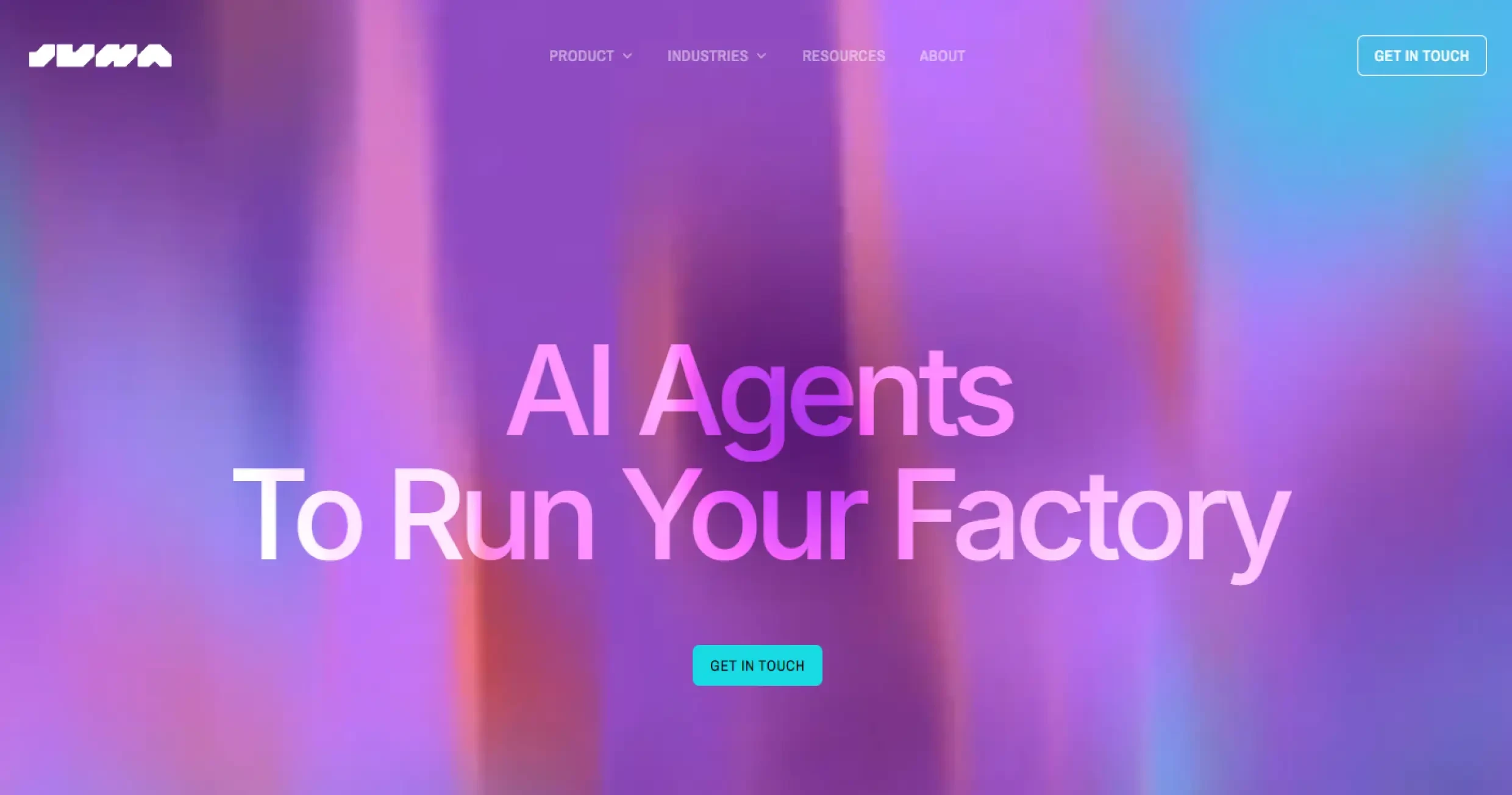
Raw data is useless without a scalable engine. For Juna AI, we didn't just build a backend; we engineered an enterprise multi-tenant SaaS architecture that turns complex industrial data into profitable, real-time insights.
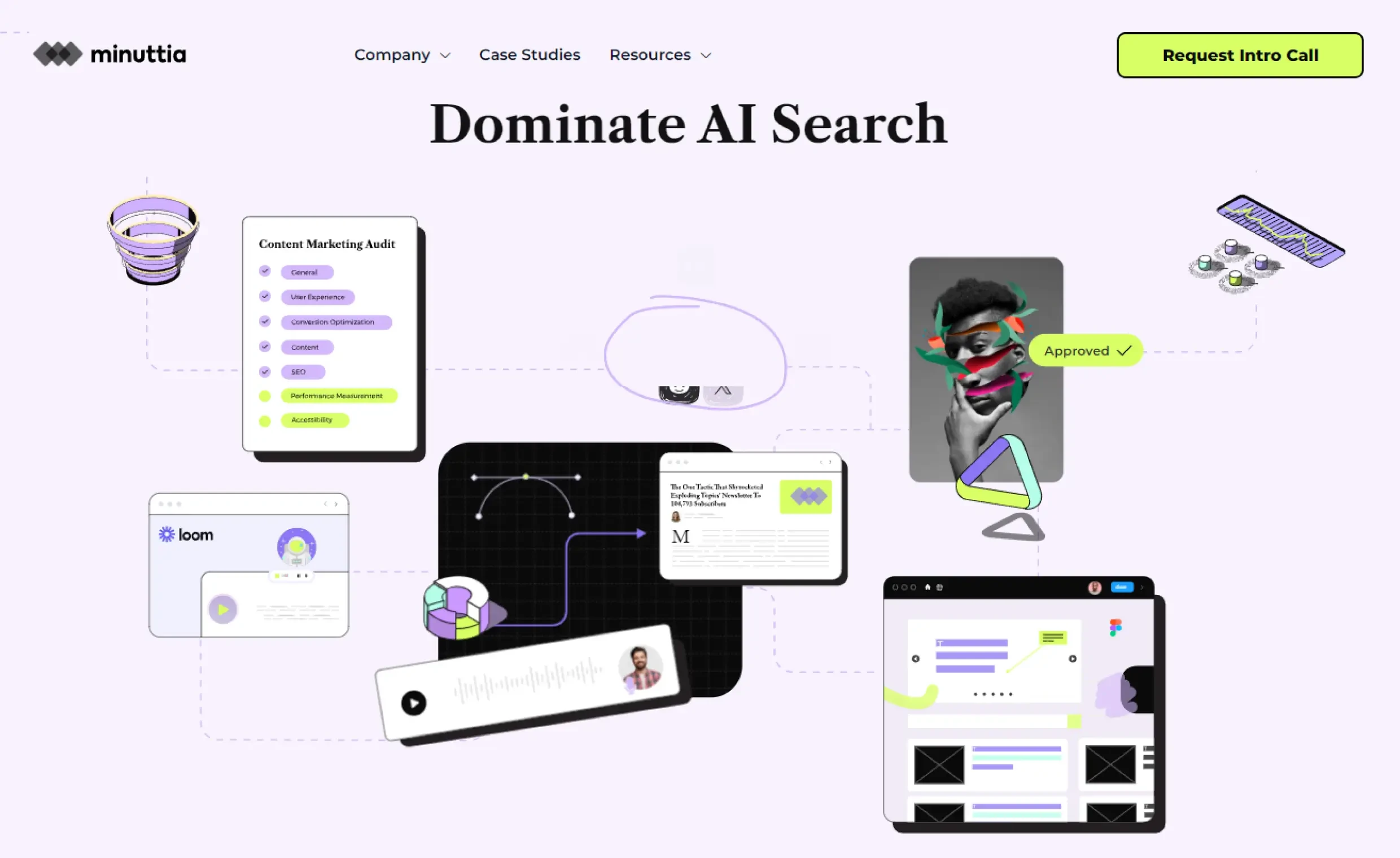
Minuttia helps brands win visibility across Google and AI search, and its analysts were spending days each week assembling reports from scattered data. Through AI development, Acquaint Softtech overhauled its analytics with automated ETL pipelines, machine learning models, dynamic dashboards, and scheduled reporting. Weekly reporting dropped from several days to a few hours, and campaign teams can now anticipate engagement drops before they happen.
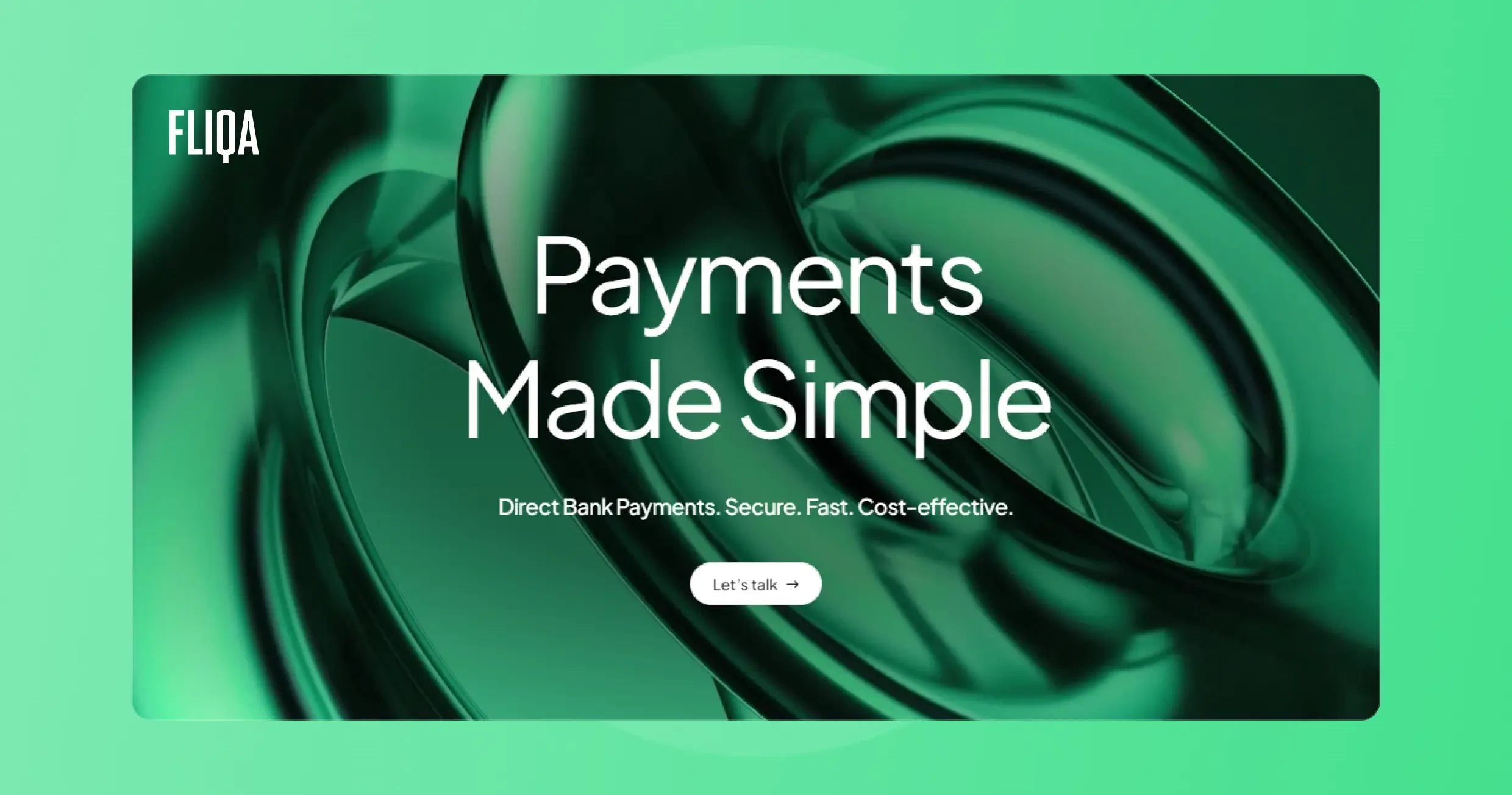
Payment processing shouldn't be a bottleneck for your growth. We empowered Fliqa with a high-performance Laravel backend, transforming complex bank-to-bank transfers into a secure, scalable, and audit-ready ecosystem.
What Clients Say on Clutch & Upwork
Rated 4.9 stars on Clutch across 80+ reviews. Trusted by 1,300+ clients on Upwork with a 98% success rate. The proof is public.


What makes Acquaint Softtech the right SaaS platform development partner.
Official Engineering Ecosystem Partner
Acquaint holds official partner status with Laravel, Statamic, Laravel News, and Bagisto, a rare combination that gives SaaS builds a certified, production-grade engineering foundation few agencies globally can match.
Full SaaS Platform Depth
From multi-tenant architecture and subscription billing to admin dashboards, customer portals, and tenant-level analytics, Acquaint builds every layer of the SaaS ecosystem, not just the signup page, all synced in real time.
Scale-Ready & Peak-Load Engineering
Horizontal scaling, queue-based job processing, database sharding patterns, and multi-region deployment built to handle traffic spikes and sudden customer growth, so your platform stays fast when sales actually accelerate.
Cloud-Native & DevOps Ready
AWS, Azure, and GCP architecture, CI/CD pipelines, Kubernetes deployments, and infrastructure as code, the cloud engineering that keeps your SaaS reliable, observable, and cost-controlled at scale.
Billing & Multi-Tenant Depth
Stripe, Chargebee, and Paddle billing integrations, proration, dunning, usage-based metering, plus proper tenant isolation across shared-schema, schema-per-tenant, and database-per-tenant models, the exact mechanics a production SaaS platform runs on.
Security, Compliance & IP
ISO 27001-aligned security, SOC 2-ready engineering, GDPR and HIPAA-aware architecture, plus NDA and 100% IP ownership from day one.
Explore Our Vetted Company Rankings Across Industries
FinTech Software Development Companies
Top FinTech software development companies in the USA compared by Clutch ratings, hourly rates, and experience, for payments, lending, and wealth platforms.
PropTech Software Development Companies
Top PropTech software development companies compared by review depth, entry cost, and portfolio, for listing marketplaces, tenant portals, and real estate platforms.
SaaS platform development, answered.
-
How much does it cost to develop a SaaS platform in 2027?
A focused SaaS MVP typically runs $25,000 to $75,000 and ships in 8 to 12 weeks. A production-grade SaaS platform with multi-tenant architecture, subscription billing, and admin dashboards usually costs $75,000 to $250,000. Enterprise SaaS platforms with AI features, compliance, and multi-region deployment can range from $300,000 to $800,000+. Hourly rates fall between $22 and $149 depending on geography and seniority.
-
How long does it take to build a SaaS platform?
A basic SaaS MVP takes 8 to 12 weeks. A mid-complexity SaaS with billing, dashboards, and integrations runs 4 to 6 months. Enterprise SaaS platforms with compliance, AI features, and multi-region deployment can take 6 to 12 months end-to-end. The right partner will front-load discovery to avoid costly mid-build pivots.
-
Should I use a SaaS boilerplate or build a custom platform?
Boilerplates like Laravel Jetstream or Next.js SaaS starters are excellent for validating an idea fast, usually in 2 to 4 weeks. But they hard-code decisions that break at scale. Use a boilerplate when you are testing demand. Invest in custom engineering when the business starts working and you need multi-tenant isolation, flexible billing, or enterprise-grade compliance.
-
What features does a SaaS platform need?
At minimum: user authentication and signup, multi-tenant data isolation, subscription billing, role-based access control, admin dashboards, an API layer, and observability. Advanced platforms add AI features, SSO, audit logs, SCIM for enterprise provisioning, usage-based billing, and multi-region deployment. Scope depends on whether your buyers are self-serve SMBs or enterprise procurement teams.
-
Can you build a platform like Salesforce, HubSpot, or Notion?
Yes, modern SaaS architecture can replicate the core patterns of major platforms. The real question is scope: a focused vertical SaaS replacing one workflow is a 3 to 6 month build, while a full horizontal platform like Salesforce is a multi-year investment. We help you cut scope to what wins your first 100 customers, then scale from there.
-
How do I choose the right SaaS platform development company?
Verify multi-tenant architecture experience, ask for production billing examples, confirm they build the full ecosystem not just the frontend, check SOC 2 and compliance readiness, and insist on direct engineer access. Shortlist 3 to 5 companies, book discovery calls, and compare proposals on engineering depth, not just hourly rate. The six-point checklist earlier in this guide is a good starting template.
-
How much does it cost to maintain a SaaS platform after launch?
Budget 15 to 25 percent of initial build cost annually for ongoing maintenance, infrastructure, and monitoring. A $100,000 SaaS platform typically costs $15,000 to $25,000 per year to keep healthy, excluding feature development. Hosting, third-party API costs, and compliance audits are separate line items that scale with user growth.
-
Do you provide post-launch support and scaling?
Yes. Acquaint offers ongoing maintenance, performance tuning, scaling support, incident response, and feature development as part of standard engagement models. Our 95% client retention rate on long-term projects comes from the fact that we don't vanish the day you go live, we stay through enterprise contract #1, #10, and #100.
Marketing Head
India (Head Office)
203/204, Shapath-II, Near Silver Leaf Hotel, Opp. Rajpath Club, SG Highway, Ahmedabad-380054, Gujarat
USA
7838 Camino Cielo St, Highland, CA 92346
UK
The Powerhouse, 21 Woodthorpe Road, Ashford, England, TW15 2RP
New Zealand
42 Exler Place, Avondale, Auckland 0600, New Zealand
Canada
141 Skyview Bay NE , Calgary, Alberta, T3N 2K6