Pair programming is two developers working on one task together, one writing code as the driver and one reviewing and directing as the navigator. It produces fewer defects and faster knowledge transfer at the cost of two people's time, so it is worth it for complex, high-risk, or onboarding work and wasteful for routine tasks. Most pairing is now remote, using screen-sharing tools, and AI assistants act as a fast but unreliable navigator rather than a replacement for a human one.

The best way to present web design to a client in 2026 is a shared, live design link they can comment on directly, backed by a short recorded walkthrough for clients in other time zones and a live call for the big decisions. Static images and emailed PDFs still have a place for sign-off, but they go stale the moment you edit. What matters more than the method is the framing: explain the reasoning before the visuals, and you will get better feedback and far fewer revision rounds.
TypeScript is JavaScript with a type system layered on top. You write types, a checker verifies them before your code runs, and the types are removed before execution. Two things changed recently: Node.js now runs .ts files directly without a build step, and TypeScript 7 rewrote the compiler in Go for roughly ten times faster type checking. The important caveat is that Node strips types without checking them, so you still run the type checker separately in CI.
The 5-hour rule means setting aside one hour a day, five days a week, for deliberate learning. It has three parts: reading with intent, reflecting on what you did and why it worked, and experimenting with something new. For engineers, it matters because framework and language versions reach published end-of-support dates, so unmaintained knowledge becomes a business risk on a schedule you can look up. The methods that work are spaced repetition, retrieval practice, and building something small, not passive video watching.
Store passwords with Argon2id, offer passkeys as the strongest sign-in option, separate a user's identity from their account record, and rate-limit every authentication endpoint. Do not impose composition rules or forced password changes, as NIST advises against both. The weakest part of most systems is not the login screen but account recovery, so treat the reset flow with the same rigour as sign-in.
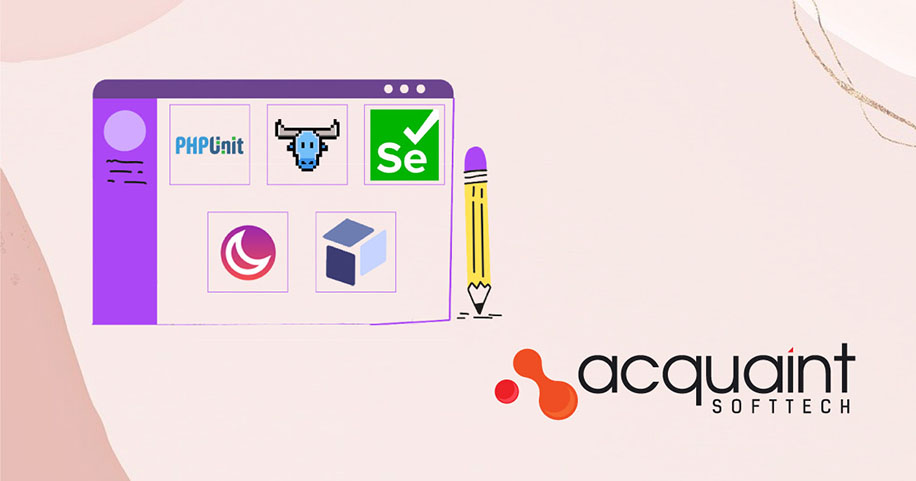
The five PHP quality tools worth adopting in 2026 are PHPStan for static analysis, PHPUnit or Pest for unit and feature tests, Laravel Dusk or Playwright for browser testing, PHP-CS-Fixer for consistent style, and Rector for automated upgrades. Start with static analysis rather than tests, because PHPStan finds real bugs in an existing codebase without you writing anything. Two tools recommended in the original version of this article, Atoum and Kahlan, are now dormant and should not be chosen for new work.