Python for healthcare data in 2026: HIPAA, GDPR, and clinical compliance in practice. Architecture patterns, FHIR, audit logging, and real production examples.

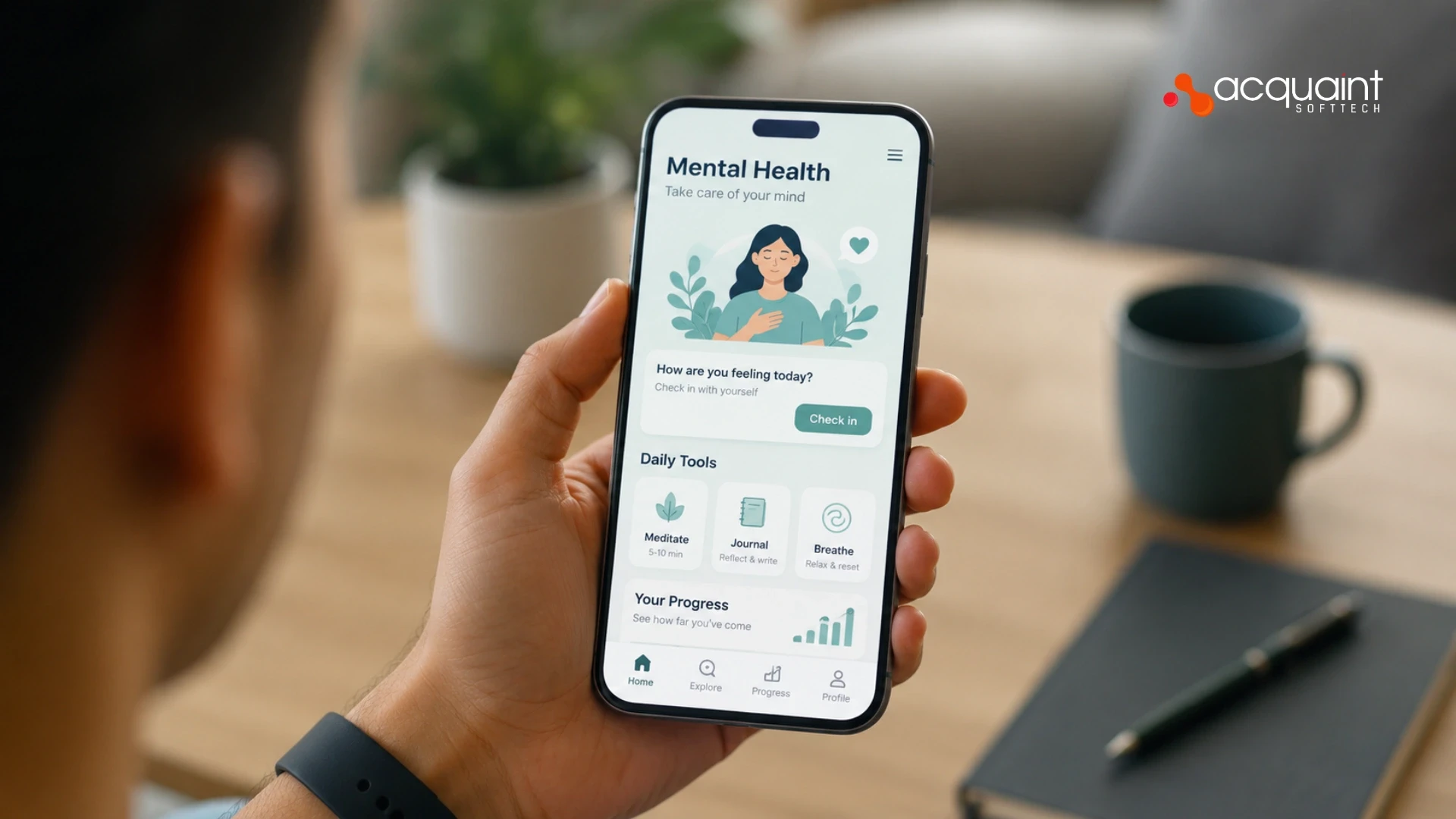
A mental health app offers mood tracking, therapy, journaling, telehealth, and AI support. Development typically costs $40,000–$400,000, and HIPAA compliance is required when handling patient data in the USA.

A financial data warehouse centralizes data for faster reporting and analytics. Modern platforms use cloud-based ELT pipelines and can reduce reporting time by up to 70%.

A project management SaaS helps teams plan, assign, track, and complete work in one platform. It combines task management, scheduling, real-time collaboration, and integrations, with features like multi-tenancy, user roles, and fast syncing for scalable performance.

Artificial intelligence in insurance is the use of machine learning, computer vision, and language models to price risk, process claims, detect fraud, and serve customers faster and more accurately than manual methods. The four highest-value applications are AI underwriting, AI claims processing, AI fraud detection, and customer service AI. McKinsey estimates generative AI alone could add up to $1.1 trillion in annual value to the global insurance industry, and around 90 percent of insurers are already evaluating or deploying it.

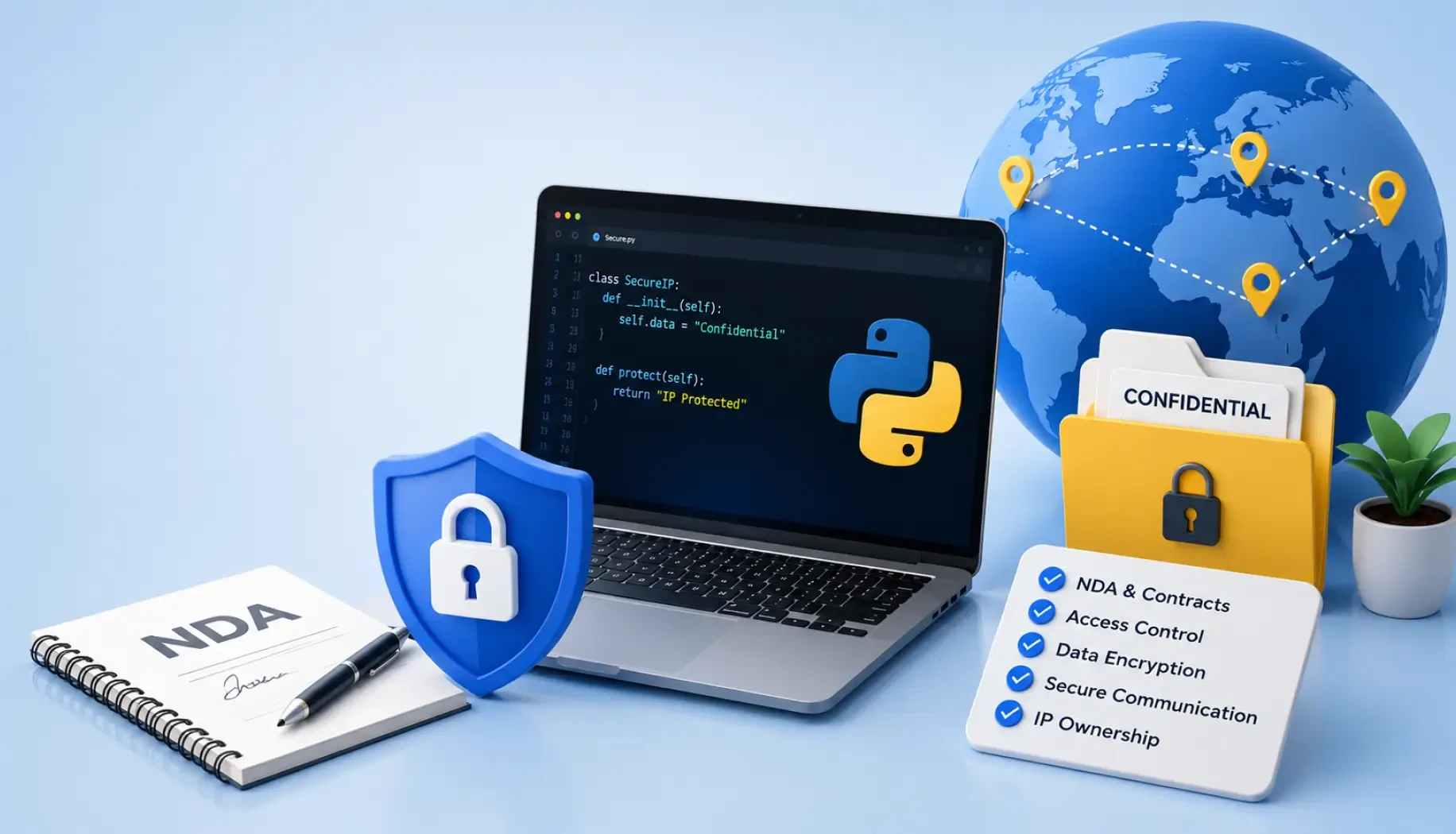
Protect your IP when hiring Python developers offshore in 2026. Contract clauses, NDA framework, jurisdiction rules, and legal safeguards that hold up.