

Why Does Every Professional Business Need a Portfolio Website?
A portfolio website is a digital platform used by professionals, artists, and students to showcase their best work, skills, and personal brand. It acts as an interactive online resume to attract employers, clients, or business partners. In 2027, when most hiring and buying decisions start online, a portfolio website is one of the simplest ways to prove your value and get found.

Mukesh Ram
As the Founder and CEO at Acquaint Softtech, I have seen a simple truth play out again and again: talented people and great businesses lose work to less talented competitors who are simply easier to find and evaluate online. A portfolio website fixes that. Whether you are a designer, developer, consultant, or a growing business, professional portfolio website development turns your best work into your best sales pitch.
In this article, we explain what a portfolio website is, what to include, the real benefits backed by data, and how to create one that wins clients and roles. Whether you want a simple template site or a fully custom portfolio platform, the right build makes all the difference.

- You want to know what a portfolio website is and why it matters.
- You are a professional, freelancer, or business wanting to stand out.
- You are unsure what to put on a portfolio website.
- You want a simple, step-by-step way to create one.
The data is striking. In a survey of 300+ recruiters, 93% of hiring managers said they would look at a portfolio or personal website if one was provided, yet only about 15% of candidates include one. For businesses, the pattern is the same: buyers research you online before they ever get in touch.
Meanwhile, 98% of employers research candidates online before hiring, and around 70% of hiring professionals rate the portfolio as one of the most important parts of an application. A portfolio website is how you control that first impression instead of leaving it to chance.
Want a portfolio website that wins work?
We design and build fast, elegant portfolio websites that showcase your best work and turn visitors into clients. Book a free consultation to plan yours.
What is a Portfolio Website?
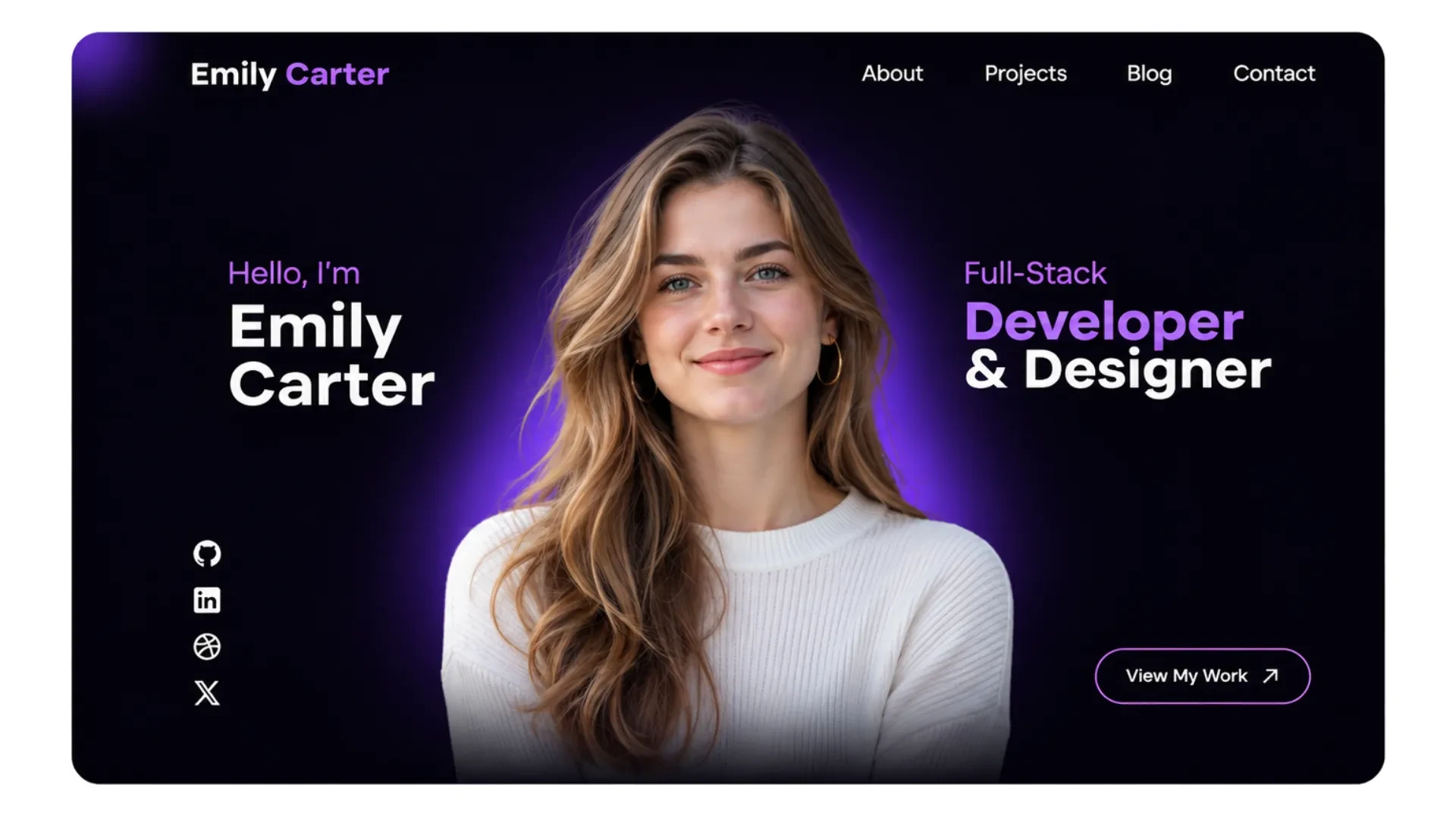
A portfolio website is a personal or professional site that showcases your best work, skills, and brand in one place you own. Think of it as an interactive online resume: instead of just describing what you can do, it shows it. Common examples include a designer's project gallery, a developer's case studies, a photographer's image collection, a writer's published pieces, or a business's showcase of past work.
It is different from a social profile because you control the design, the content, and the narrative. That control is exactly why the meaning of a portfolio website has shifted from nice-to-have to essential for anyone who wants to be taken seriously online. Some people call it a web portfolio, a personal portfolio website, or simply a website portfolio, but the idea is the same: your work, presented on your terms.
Key Sections of a Portfolio Website
Homepage: a quick introduction with your name, job title, and main goals.
Work gallery: a curated display of your top projects, designs, or writing samples.
About me: a short bio sharing your background, experience, and working style.
Contact page: your email address, social links, or a message form so people can hire you.
Section | Purpose | What to include |
Homepage | First impression | Name, title, one-line pitch |
Work gallery | Prove your skills | 3 to 8 best projects |
About me | Build connection | Short bio, photo, values |
Contact | Make hiring easy | Email, form, social links |
Why People Use Portfolio Websites
Show, don't tell: proves your actual abilities better than a flat text resume.
Full control: keeps your work safe and organized in one place you own, unlike changing social media pages.
Easy sharing: gives you a simple web link to send to recruiters or clients.
Benefits of Having a Portfolio Website
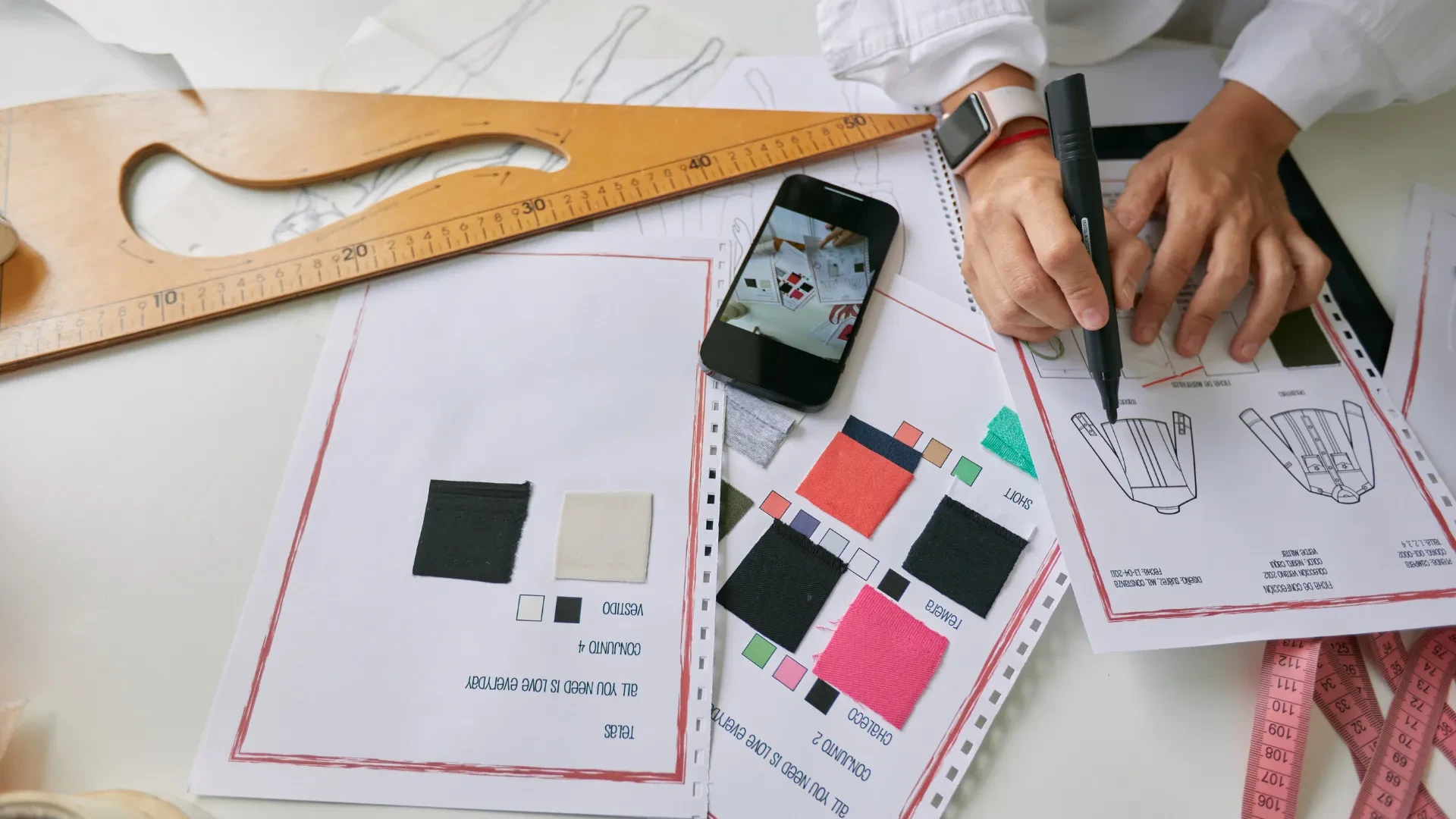
Why is it important to have a portfolio? Because it works quietly for you around the clock. The benefits of having a personal website include:
Credibility and trust, since a polished site signals you are serious and capable.
Better visibility, because a portfolio can rank in search and be found by the right people.
More inbound leads, as recruiters and clients reach out to you instead of the other way around.
A stronger brand, with a consistent, professional look you fully control.
A competitive edge, given how few people actually have one. Acquaint Softtech helps professionals and businesses build exactly this kind of advantage, and you can hire remote developers to get it done fast.
Portfolio Website vs Resume vs LinkedIn
People often ask about the difference between a website and a portfolio website, and whether LinkedIn counts. A resume is a static text summary. LinkedIn is a shared platform you do not own and cannot fully customize. A portfolio website is yours: your design, your work, your rules. LinkedIn is a useful profile, but it is not a substitute for a portfolio website you control.
Aspect | Resume / LinkedIn | Portfolio website |
Ownership | Platform owns it | You own it |
Format | Text summary | Visual, interactive |
Customization | Limited | Full control |
Shows work | Describes it | Demonstrates it |
Found in search | Rarely | Yes, with SEO |
What to Put on Your Portfolio Website
Not sure what to include? Keep it focused on proof and contact. For an interactive site, our web application development team can add filtering, galleries, and dynamic case studies. A strong portfolio website has:
A clear headline: who you are, what you do, and who you help.
Your best 3 to 8 projects, each with context, your role, and the result.
A short about section with a professional photo.
Testimonials or client logos for social proof.
An easy contact method: a form, email, and relevant social links.
How to Create a Portfolio Website: Step-by-Step
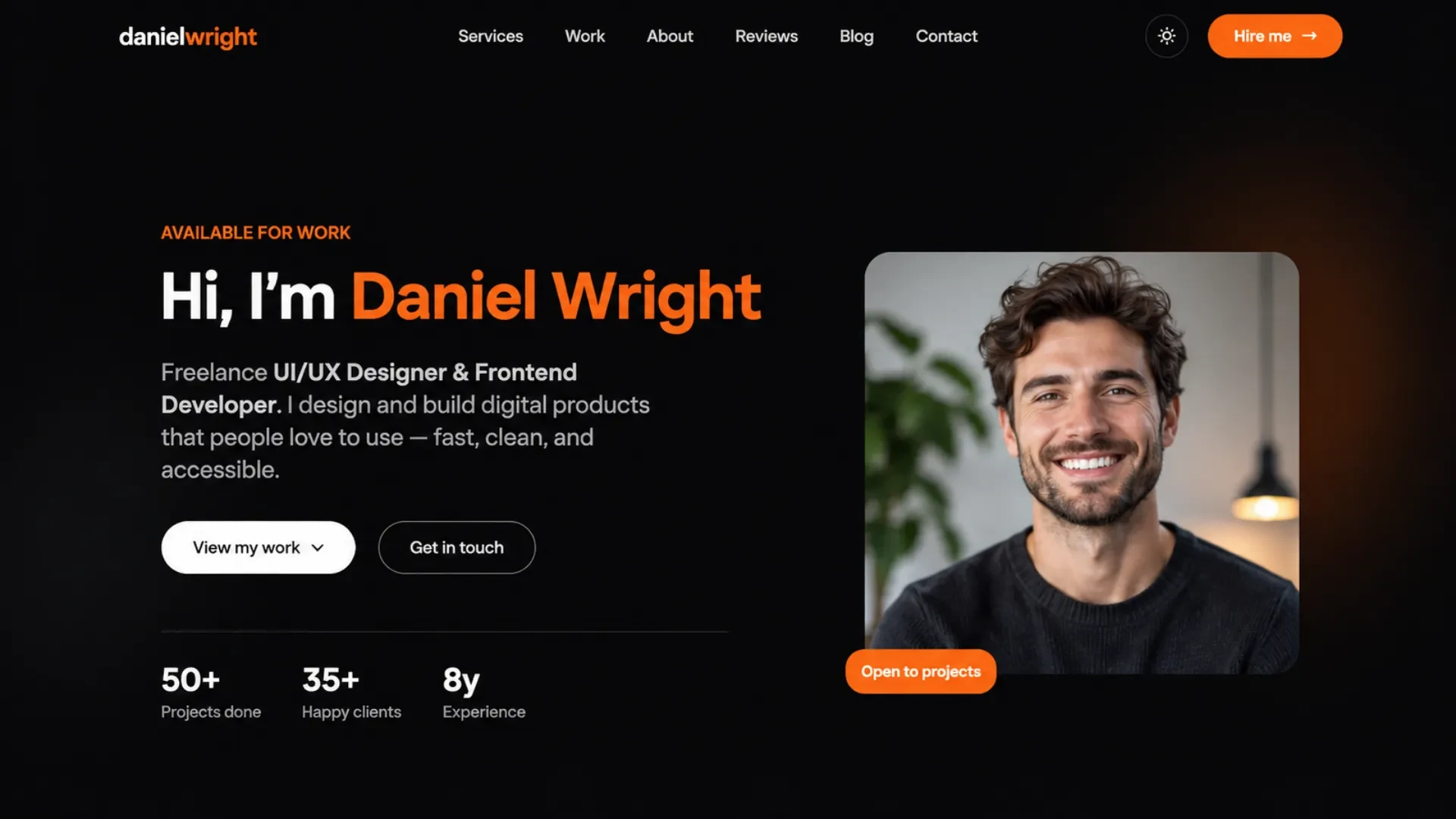
Define your goal and audience: decide who you want to hire you and what action they should take.
Choose your best work: select a few strong projects rather than everything you have done.
Pick a platform: use portfolio website templates on WordPress or a builder, go custom for full control, or start lean with an MVP build you expand later.
Design for clarity: keep navigation simple, the layout clean, and pages fast.
Write concise copy: explain each project's context, your role, and the outcome.
Add contact and SEO: include a contact form and optimize titles so you can be found.
Launch and keep it fresh: publish, then update with new work and refine over time. For larger builds, you can hire project managers to keep delivery on track.
For a template-based build, you can hire WordPress developers from our team; for a fully custom, interactive site, our frontend development specialists design something unique to you.
Ready to build a portfolio that gets you hired?
Tell us about your work and goals, and we will design a portfolio website that showcases you at your best, with a clear plan and no obligation.
Case Study: A Creative Showcase Website
A portfolio website is really a showcase website, and showcasing creative work is something we do often. ReactJS Development built a creative website solution for Tarakon Records, a music-industry client who needed an engaging home to present their music and brand to the world.
Client | Tarakon Records, a music-industry brand |
Goal | Give their creative work a striking online home that showcases music, artists, and identity in one place. |
What we did | Designed and built a creative, innovative website with a bold visual style, smooth navigation, and a layout that puts the work front and centre. |
Portfolio angle | The same principles power a great portfolio site: curated content, fast performance, clear structure, and a memorable brand feel. |
Result | A distinctive showcase website that presents their catalogue professionally and leaves a lasting impression on visitors. |
You can view the creative website case study on our site. Company-wide proof: Acquaint Softtech has delivered 1,300+ projects across 20+ industries over 13+ years, with 70+ in-house engineers, a 95% on-time delivery rate, and a 4.9/5 rating from 80+ verified Clutch reviews, as an official Laravel and Statamic Partner.
To Sum Up
A portfolio website is one of the highest-return investments a professional or business can make. It proves your value, builds trust, improves your visibility, and brings opportunities to you, all from a single link you own and control. In a market where most people research online first, that is a genuine edge.
If you are ready to turn your best work into your best sales tool, the team at Acquaint Softtech is here to help you design and build a portfolio website that stands out and gets results.
Ready to develop your portfolio website?
Talk to our team about a portfolio site built around your work and goals, and get a clear plan with no obligation.
FAQs: Portfolio Websites
-
What are portfolio website examples?
Examples include a designer's project gallery, a developer's case-study site, a photographer's image collection, a writer's published-work page, and a freelancer's services-and-work site. Businesses also use portfolio websites to showcase past projects and client results to win new work.
-
What is the difference between a website and a portfolio website?
A general website can serve many purposes, such as selling products or sharing information. A portfolio website specifically showcases your work, skills, and brand to attract clients or employers. It focuses on proving your abilities with real examples rather than just describing services.
-
What do I put on my portfolio website?
Include a clear headline, your best 3 to 8 projects with context and results, a short about section with a photo, testimonials or client logos for social proof, and an easy way to contact you. Keep it focused, fast, and simple to navigate.
-
How do I create my portfolio website?
Define your goal and audience, pick your best work, choose a platform (a WordPress template or a custom build), design for clarity and speed, write concise project copy, add contact and SEO, then launch and keep it updated. Start simple and improve over time.
-
Is LinkedIn a portfolio website?
Not exactly. LinkedIn is a professional networking profile you share but do not own or fully control. A portfolio website is yours to design and customize. LinkedIn complements a portfolio website, but it cannot replace the control, branding, and depth a dedicated site provides.
-
Why is it important to have a portfolio website?
Because most hiring and buying decisions start online. A portfolio website proves your skills, builds credibility, improves your visibility in search, and generates inbound leads. With most competitors lacking one, it is a simple, high-impact way to stand out and win work.
I love to make a difference. Thus, I started Acquaint Softtech with the vision of making developers easily accessible and affordable to all. Me and my beloved team have been fulfilling this vision for over 15 years now and will continue to get even bigger and better.
Table of Contents
Get Started with Acquaint Softtech
- 13+ Years Delivering Software Excellence
- 1300+ Projects Delivered With Precision
- Official Laravel & Laravel News Partner
- Official Statamic Partner
Related Reading

Empowering Single-Service Businesses: The Role of Custom Online Solutions
Custom online solutions transform single-service businesses by replacing generic tools with tailored booking, automated workflows, and direct client portals. These bespoke digital systems save time, sharpen brand identity, and elevate customer satisfaction to drive steady growth. For a one-person business or a specialist team, the right custom platform is the difference between being found and being forgotten.
Mukesh Ram
September 18, 2023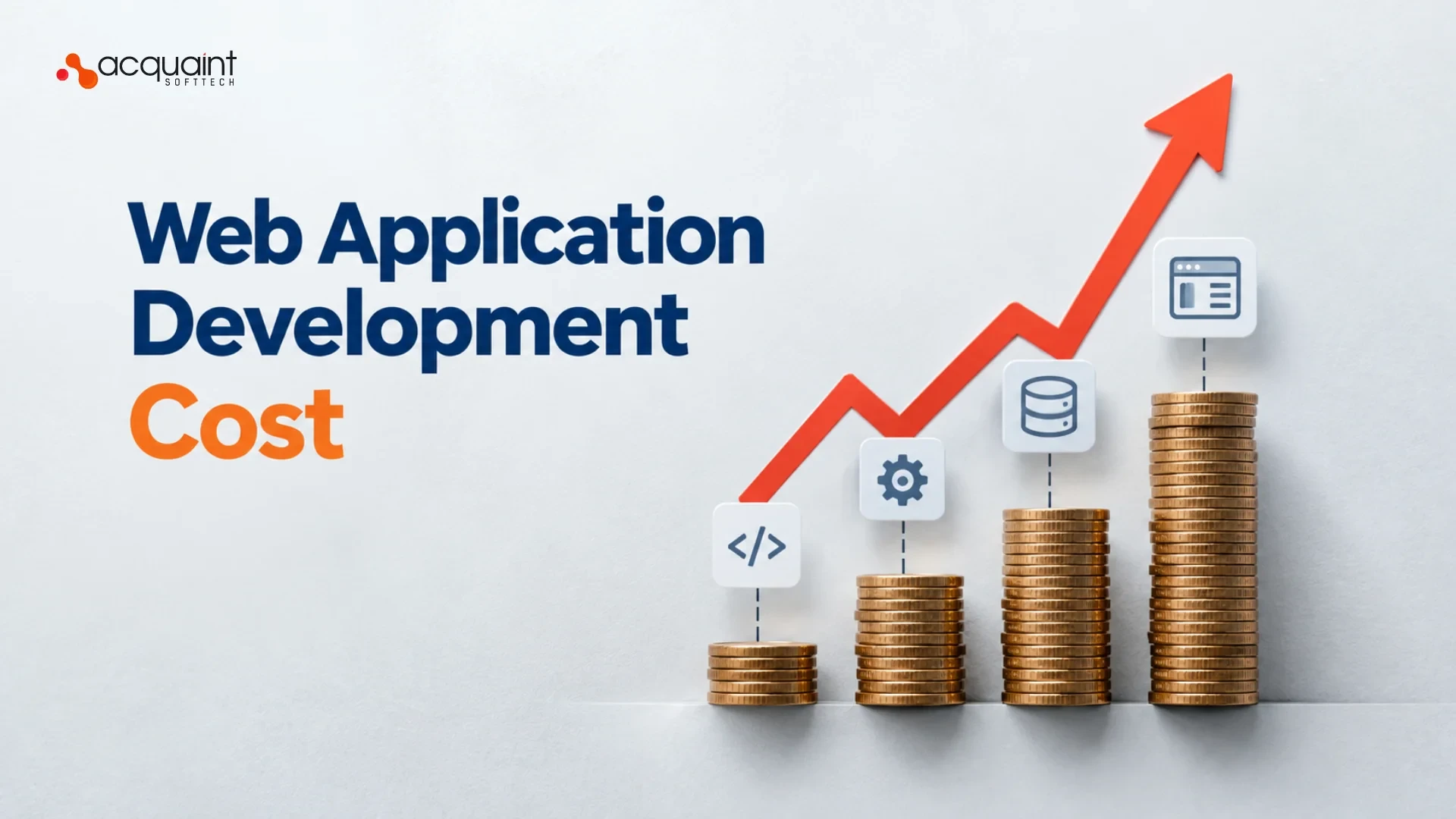
How much will your web app development cost?
Web application development cost typically ranges from $15,000 to $200,000+ globally (roughly £15,000 to £150,000+ in the UK), depending on scope, features, and team location. A simple MVP runs $10,000 to $50,000, a mid-scale business web app $50,000 to $150,000, and a complex or enterprise platform $150,000 to $300,000+. Hiring a remote team can cut labor costs sharply, and at Acquaint Softtech, an MVP can reduce your project cost by up to 60%.
Mukesh Ram
November 11, 2022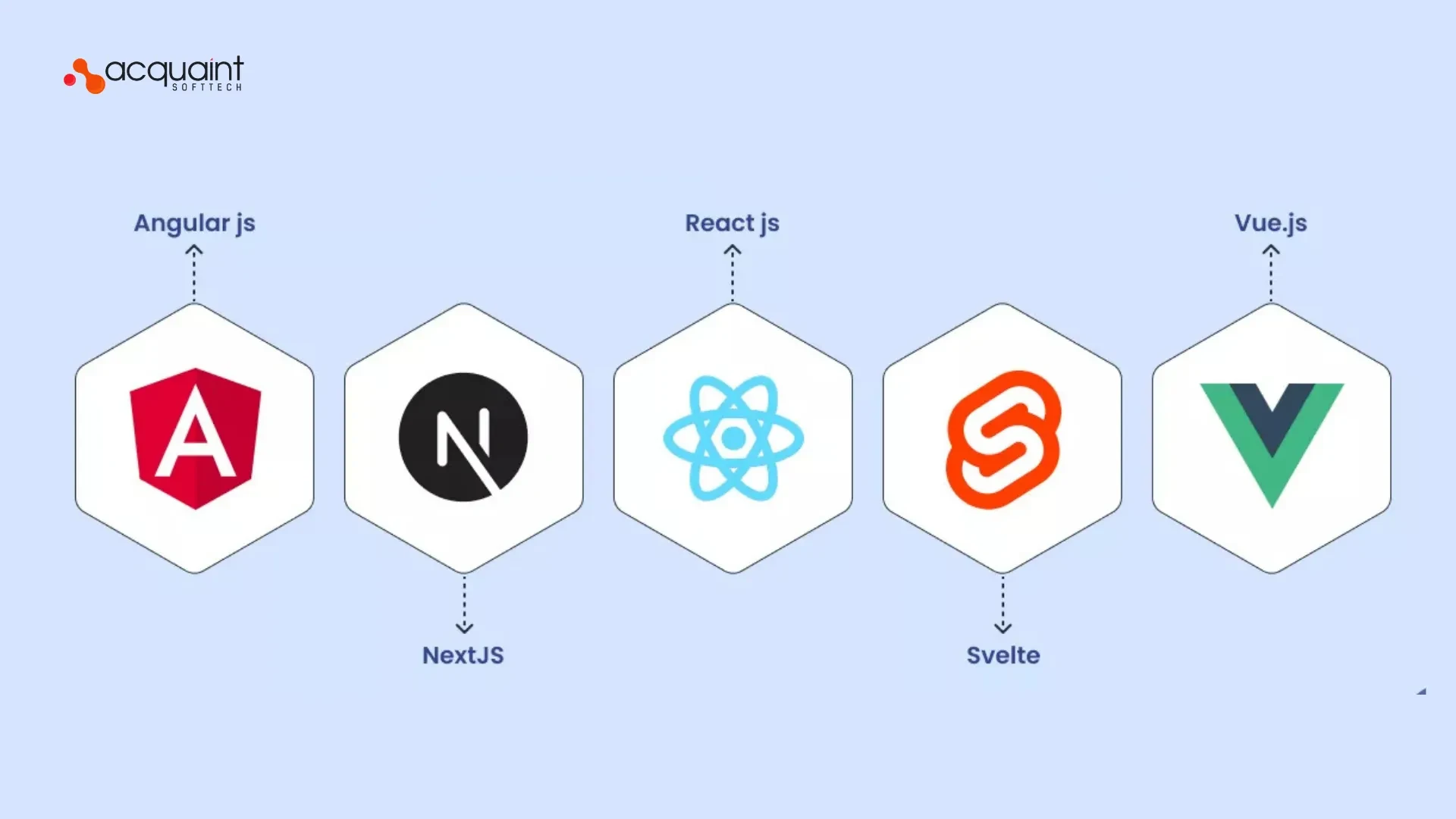
Choosing the Right Front-End Framework for Your Project
Choosing the right front-end framework depends on your project size, team skills, and performance goals, with React acting as a flexible library, Angular providing strict enterprise structure, and Vue.js offering a simple middle ground. Svelte adds raw speed by compiling away the virtual DOM. Match the tool to your team and your product, not to hype, and you will ship faster and maintain it more easily.
Mukesh Ram
September 6, 2023India (Head Office)
203/204, Shapath-II, Near Silver Leaf Hotel, Opp. Rajpath Club, SG Highway, Ahmedabad-380054, Gujarat
USA
7838 Camino Cielo St, Highland, CA 92346
UK
The Powerhouse, 21 Woodthorpe Road, Ashford, England, TW15 2RP
New Zealand
42 Exler Place, Avondale, Auckland 0600, New Zealand
Canada
141 Skyview Bay NE , Calgary, Alberta, T3N 2K6