

How to Build a Digital Wallet App Like Paytm or Google Pay
Building a digital wallet app requires defining your core use case (such as peer-to-peer transfers, retail QR payments, or crypto), complying with local financial regulations, building secure backend ledgers, and designing smooth mobile frontends. Building a payment app requires planning, compliance, secure technology, payment integrations, strong security, testing, and final launch.

Ahmed Ginani
As Fintech Product Lead at Acquaint Softtech, I spend most of my time helping founders turn a wallet concept into a real, shippable digital wallet project. Most of that work is serious custom software product development, and the first question I ask is always which type of wallet you are actually building.
Digital wallet app development is one of the most competitive corners of fintech, because you are entering a category shaped by Paytm, Google Pay, Apple Pay, and PayPal. The good news for new entrants is that specialised verticals, closed-loop ecosystems, and regional plays still leave real room to win.

- A founder or CEO planning a digital wallet or super-app.
- A CTO scoping features, tech stack, compliance, and cost.
- A product owner deciding closed, semi-closed, open, or crypto.
- A team weighing whether to build in-house or hire developers for a digital wallet app.
The demand is real. Digital wallet users will pass 5.2 billion globally in 2026, more than 60 percent of the world’s population, according to Juniper Research, and wallets already account for roughly 53 percent of global e-commerce transaction value. More than 70 million merchants worldwide now accept them.
This guide walks through what a digital wallet app is, the types you can build, the full step-by-step process, the features list, the tech stack, compliance, security, 2026 trends, and honest cost ranges, so you can turn it straight into a plan.
What is a digital wallet app?
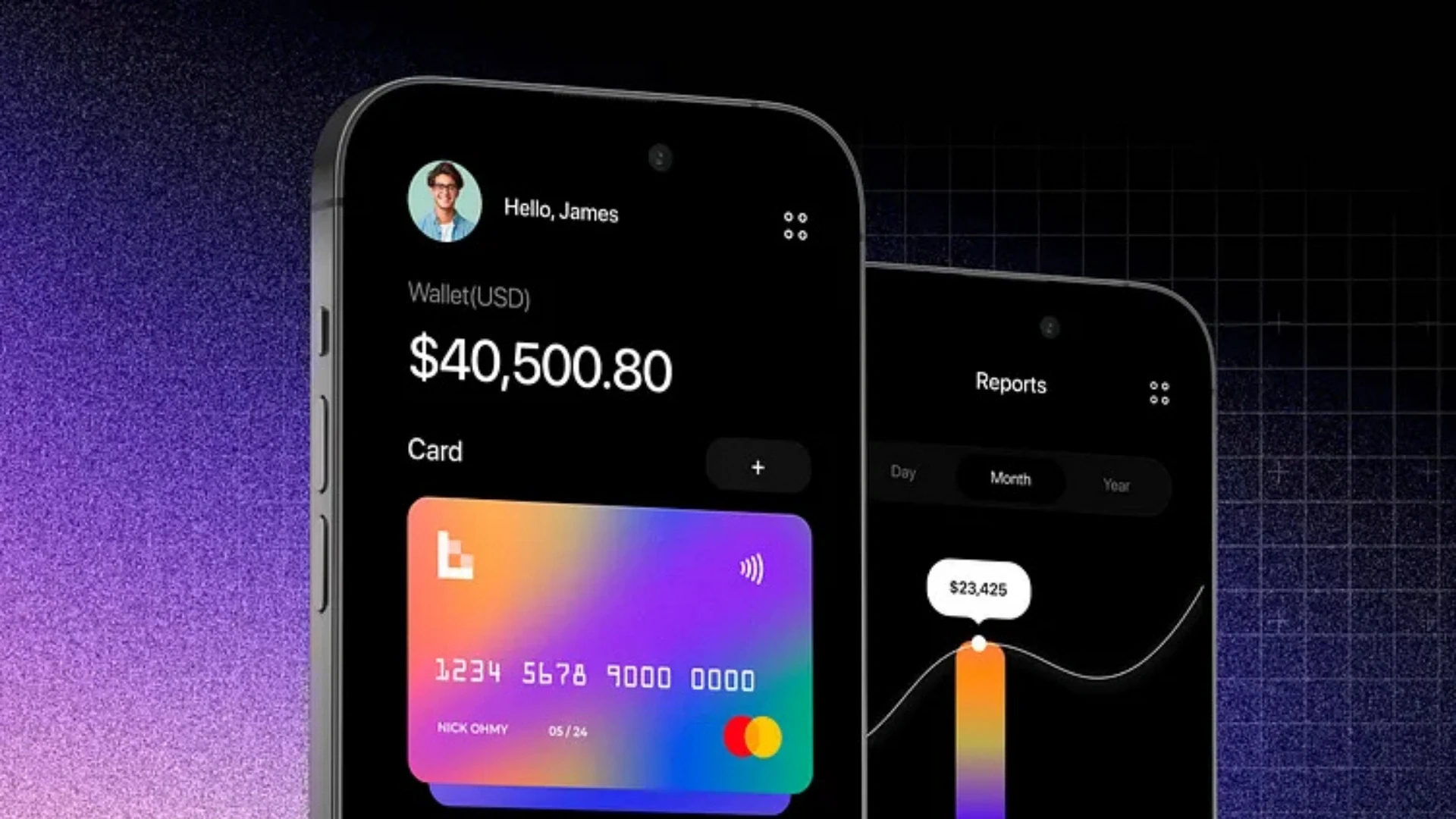
A digital wallet app, also called an e-wallet or mobile wallet, is a software application that securely stores payment credentials and money so users can pay, transfer, and manage funds from their phone. That is the short version of digital wallet app explained.
The best-known digital wallet examples are Paytm, PhonePe, the Google Wallet app, Apple Pay, PayPal, and Venmo. Under the hood, credentials and balances live partly on the device and partly in the cloud, while a payment partner handles authorization, settlement, and compliance.
For a business, a wallet is more than a payment button. It becomes a hub for money, identity, loyalty, and daily financial habits, which is exactly why fintech founders invest in software product development that treats the wallet as a long-term platform rather than a one-off app.
Types of digital wallets: which one should you build?
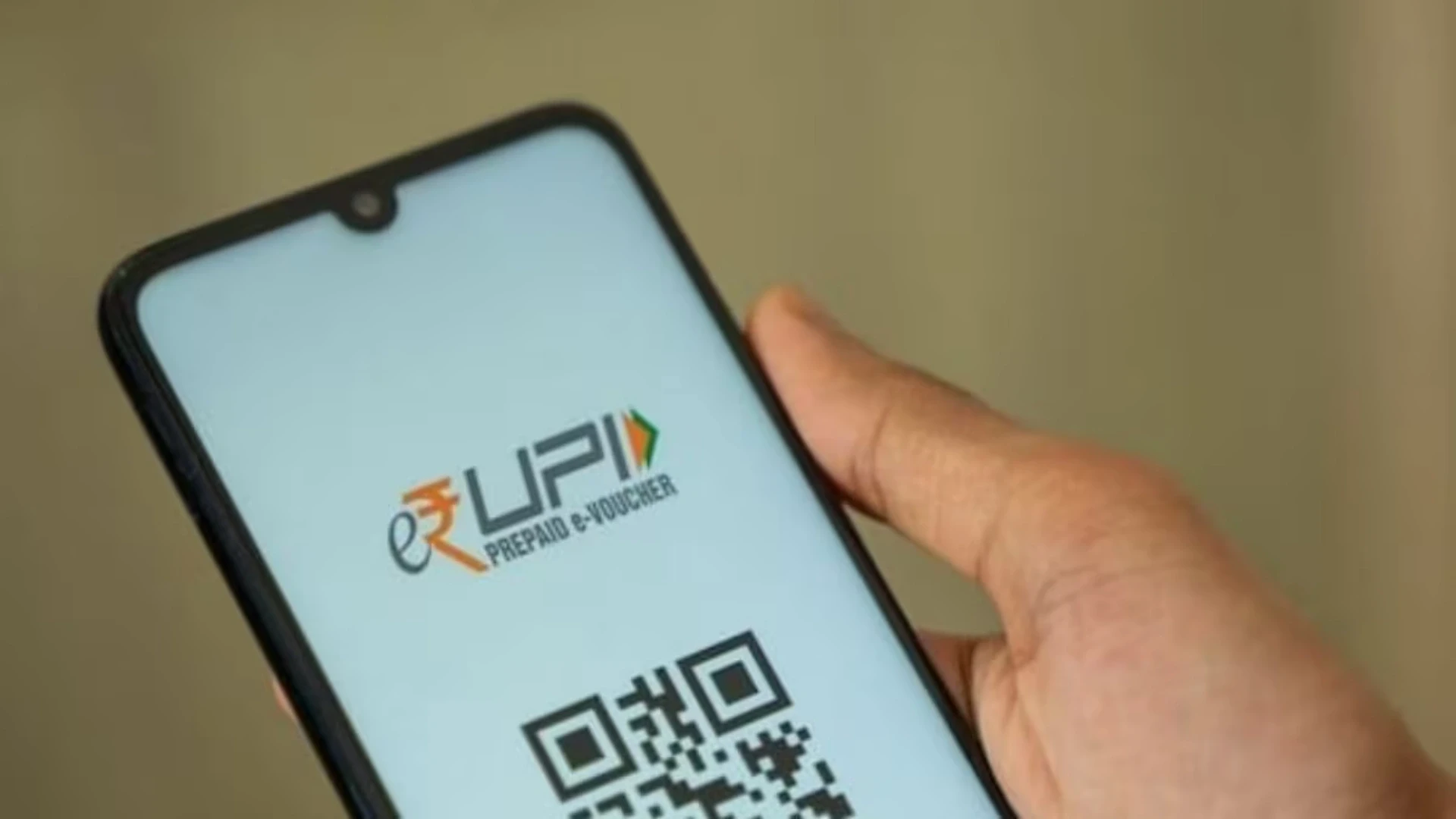
There are four main wallet types: closed, semi-closed, open, and crypto. Your choice decides your licensing, compliance load, and feature roadmap, so it is the first real decision in any digital wallet project.
Wallet type | Where it works | Typical example |
Closed | Only inside one brand’s ecosystem | Amazon Pay balance |
Semi-closed | Selected partner merchants | Paytm, PhonePe |
Open | Anywhere the network is accepted | Google Pay, Apple Pay |
Crypto | On-chain assets and tokens | Trust Wallet, MetaMask |
If you want to learn how to create a digital wallet for cryptocurrency, the crypto path is different from the rest. It needs blockchain integration, private key and seed-phrase management, and multi-network support, which is closer to a security engineering problem than a payments one.
Semi-closed wallets are the most common commercial choice because they balance reach with a manageable compliance load. Founders unsure which model fits often start with a product discovery workshop to pin down the type before committing budget.
How a digital wallet app works
A digital wallet app works by connecting users to banks and payment networks through a secure backend. Users create an e-wallet account, complete identity checks, link a card or bank, and then the wallet’s ledger tracks every credit and debit while a payment partner settles the money.
The heart of the system is the ledger: a tamper-evident record of balances and transactions that must always reconcile. Around it sit onboarding and KYC, a payment engine, tokenised credential storage, authentication, and a transaction history. Getting the ledger and reconciliation right is precise backend work, which is why teams hire MERN stack developers who have built financial-grade data models before.
Money movement itself is rarely built from scratch. You integrate rails and gateways rather than talking to each bank directly, in the same way our UPI payment integration guide shows for the Indian market.
How to build a digital wallet app, step by step
To build a digital wallet app: define your use case, map compliance, choose your tech stack, integrate payment and identity APIs, implement security, then test and launch. Here is the development guide in eight practical steps.
Define scope and wallet type. Decide P2P transfers, retail QR, merchant checkout, multi-currency, or crypto, and who your first users are.
Map compliance early. Set up KYC and AML checks and licensing for each region before you write feature code.
Design the UX and ledger. Prototype the onboarding and pay flows, and design the ledger and account model behind them.
Choose the tech stack. Pick cross-platform or native for mobile and a scalable, secure backend for real-time balances.
Integrate the rails. Connect payment gateways, banking networks, and ID verification through third-party APIs.
Implement security. Add end-to-end encryption, tokenization, biometric login, and fraud detection from day one.
Test everything. Run heavy transaction simulations for edge cases: retries, timeouts, and suspicious activity.
Launch and monitor. Publish to the App Store and Google Play, then watch reconciliation, fraud, and crash metrics closely.
New users will ask how to set up a digital wallet on Android or iOS, so your onboarding must make account creation, KYC, and linking a card feel effortless. To keep that mobile experience smooth across both platforms, most teams hire React Native developers for a single, well-tested codebase.
Want a wallet built the right way?
Our engineers have shipped ledgers, KYC onboarding, payment integrations, and fraud tooling for fintech clients. Tell us your use case and we will map a custom digital wallet app solution, with a fixed scope and clear milestones.
Digital wallet app features list
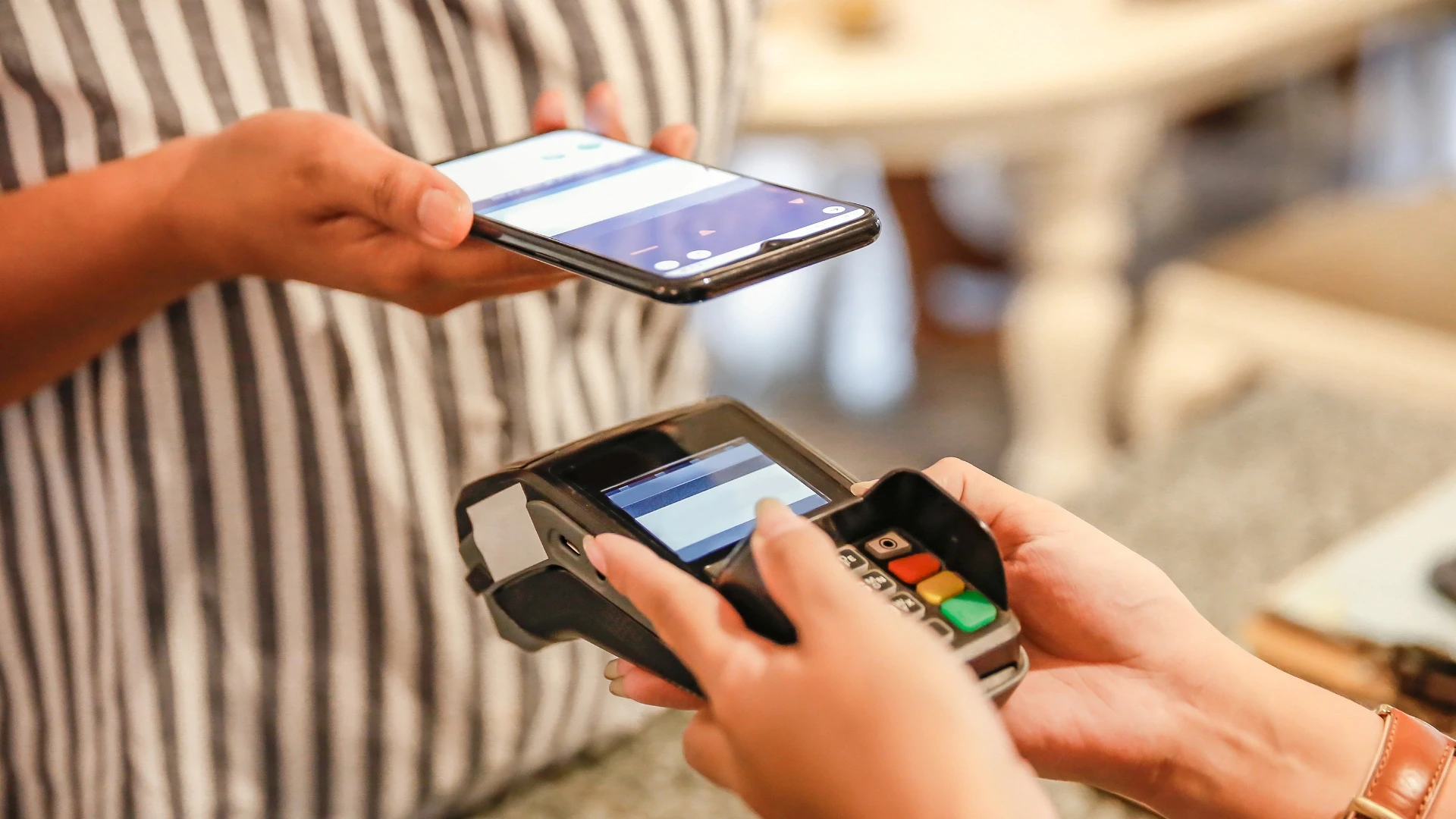
A strong digital wallet app features list splits into must-have basics and advanced differentiators. The basics earn trust; the advanced features drive engagement and revenue.
Must-have features
Secure sign-up and login with 2FA and biometric authentication.
KYC onboarding and card or bank linking with tokenized storage.
Send, receive, and request money, plus QR and NFC payments.
Real-time balance, transaction history, and push notifications.
Bill payments, top-ups, and refunds.
Advanced features
Multi-currency and cross-border transfers.
Loyalty, cashback, and rewards programs.
Virtual cards and BNPL or credit lines.
Crypto support, budgeting insights, and spend analytics.
That is a broad surface to build and own alone, so many founders use software development outsourcing to ship the basics fast and layer advanced features later. As the roadmap grows, version upgrade services keep the app current without breaking live money flows.
Digital wallet app tech stack
The best tech stack for a digital wallet app pairs a cross-platform or native mobile frontend with a scalable, secure backend and durable financial databases. Your choices decide how fast you build and how well you scale.
Layer | Common choice | Why |
Mobile | React Native, Flutter, Swift, Kotlin | Fast cross-platform or native UX |
Backend | Node.js, Python, Java | Scalable real-time ledgers |
Database | PostgreSQL, MongoDB | Durable transaction records |
Cloud | AWS or GCP | Elastic, compliant infrastructure |
Integrations | Payment, KYC, and card APIs | Rails without building from scratch |
The backend is where most wallet risk lives, so a Python team can hire Python developers to build ledger logic and risk models, while heavy transaction and event loads are a good reason to hire DevOps engineers who make scaling and deployments reliable.
Compliance and regulation you cannot skip
Compliance is not a phase; it is the foundation. A wallet must satisfy KYC and AML rules, protect card data under PCI DSS, and follow regional laws before it ever handles a real transaction.
Card handling is governed by the Payment Card Industry Data Security Standard. The PCI Security Standards Council publishes the requirements your storage and processing must meet, and skipping them is the fastest way to fail an audit.
Anti-money-laundering expectations are set by bodies such as the Financial Action Task Force (FATF), and every region layers its own rules on top, from PSD2 in Europe to state money-transmitter licensing in the United States. Compliance and tokenization can consume 30 to 40 percent of a wallet build, so design them in from day one rather than retrofitting after launch.
For teams without a senior compliance architect in house, virtual CTO services provide that experienced hand to set the compliance and architecture direction up front.
Security best practices
Wallet security is layered: end-to-end encryption, tokenization of sensitive data, biometric authentication, and machine-learning fraud detection. People trust a wallet with money and identity, so any gap is fatal.
How do you keep a wallet secure?
Encrypt data in transit and at rest, tokenize card details so raw numbers never touch your servers, require biometric or multi-factor login, and monitor behavior for anomalies. Fraud scoring that adapts to new patterns beats static rules, which is why products hire AI/ML engineers to build real-time risk models.
Security is proven by testing, not intention. Penetration tests and regression suites for every payment and fraud path are essential, so it pays to hire automation engineers who keep those checks running on each release.
Common mistakes when building a wallet
Most wallet projects stumble for the same reasons. Each has a clear fix.
Mistake | Why it hurts | Fix |
Feature overload at launch | Delays and weak security | Ship a focused MVP first |
Compliance as an afterthought | Costly rebuilds and fines | Design KYC and AML early |
Handling raw card data | Huge PCI and breach risk | Tokenize and use partners |
Static fraud rules only | Misses new attack patterns | Add ML risk scoring |
A focused first release is easier to secure and test, which is why our FinTech MVP checklist is a useful companion for deciding what to build first and what to defer.
Digital wallet app benefits for businesses

The digital wallet app benefits for businesses go beyond payments: deeper engagement, new revenue lines, richer data, and stronger customer loyalty. A wallet turns occasional customers into daily users.
Benefit | What it means |
Daily engagement | Users open the app constantly |
New revenue | Fees, commissions, and premium tiers |
First-party data | Spending insight for cross-sell |
Loyalty and retention | Rewards keep users in your ecosystem |
Lower payment cost | Own the rails instead of renting them |
Agencies and brands that want to launch a wallet under their own name can use white label development services to ship faster. Smarter, data-driven features such as spend insights and personalized offers are a natural fit for AI development services once the core wallet is live.
Digital wallet app trends 2026
The main digital wallet app trends 2026 are AI-driven insights, biometric-first security, super-app expansion, embedded crypto, and cross-border payments. Building with these in mind keeps your wallet competitive.
AI money management. Wallets analyze spending, flag risks, and suggest ways to save or invest.
Biometric-first login. Face and fingerprint replace PINs, cutting friction and fraud.
Super-apps. Payments sit alongside commerce, tickets, and investing in one app.
Embedded crypto and multi-currency. Users expect fiat and digital assets side by side.
Cross-border rails. Instant, low-cost international transfers are becoming table stakes.
These trends raise the engineering bar, so scaling a squad quickly matters. Many founders use IT staff augmentation to add specialists for a launch, or set up software dedicated teams so design, mobile, and backend move together.
Digital wallet app development cost by market
Digital wallet app development cost depends on scope, compliance, and where your team sits. An MVP wallet is far cheaper than a full-featured platform with banking integrations, crypto, and advanced fraud tooling.
The ranges below are 2026 planning estimates at local agency rates. They are starting points to confirm against a real scope, not fixed quotes. Offshore delivery from India typically lands well below these numbers. |
Target market | MVP wallet | Full-featured wallet |
United States / New York | $40,000 to $90,000 | $150,000 to $400,000+ |
United Kingdom | GBP 32,000 to 72,000 | GBP 120,000 to 320,000+ |
Europe (EU) | EUR 38,000 to 85,000 | EUR 140,000 to 370,000+ |
Australia | AUD 60,000 to 135,000 | AUD 220,000 to 600,000+ |
New Zealand | NZD 65,000 to 145,000 | NZD 240,000 to 640,000+ |
The biggest cost lever is engineering rate, not the feature list. That is why many founders hire remote developers from a digital wallet app development company in India, where the same production-grade build costs a fraction of local rates.
A dedicated project manager keeps that distributed build on schedule, and Acquaint Softtech clients typically save a large share of the local cost without giving up quality.
Real case study: a fintech fraud and platform build
Here is a real engagement from our public Clutch profile that mirrors the hardest parts of a wallet build: a secure financial web platform and a machine-learning fraud system. It is grounded in a client review, not a hypothetical.
Proof of work: Bitpanda (Fintech/investing platform, Austria) • From our Clutch profile: Bitpanda, a European investing platform for stocks, crypto, and metals, engaged Acquaint Softtech for two parallel workstreams: embedded engineering through staff augmentation, and a Python-based fraud detection initiative. Six to ten of our engineers joined their product squads. Here is how the goals mapped to what we built and the outcome the client reported.
Goal | What Acquaint Softtech built | Outcome (client-reported) |
More engineering bandwidth | Developers embedded in product squads | Features shipped more consistently, backlog reduced |
Better investing web app | Portfolio, transaction, and dashboard views | More responsive UI, fewer support tickets |
Stronger fraud detection | Python risk-scoring engine with ML | Faster investigations, fewer needless blocks |
Reliability under load | Secure API integrations and tuning | Steadier platform during peak trading |
Why teams struggle, and what to check before choosing a partner
Most wallet projects do not fail at the pay button. They fail at the ledger, reconciliation, compliance, and fraud model, which are the parts users never see but regulators and attackers do.
If you are deciding whether to build in house or hire developers for a digital wallet app, check for these before you commit:
Have they shipped a real ledger and reconciliation, not just a UI demo?
Do they design KYC, AML, and PCI DSS in from day one?
Can they build ML fraud detection, not only static rules?
Do they have verifiable fintech delivery and a public reputation?
A partner who answers all four confidently saves you the expensive rebuild that follows a rushed first attempt. After launch, ongoing support and maintenance services keep compliance, fraud models, and integrations healthy as your volumes grow.
Get a free digital wallet consultation
Share your wallet idea or a short brief. We will review your wallet type, compliance needs, and architecture, then hand back a prioritised plan and a scope you can act on. This is the last step before you commit engineering time.
Frequently Asked Questions
-
How do I create my own digital wallet?
Define your wallet type and use case, complete KYC and AML compliance for your region, choose a mobile and backend tech stack, integrate payment and identity APIs, build a secure ledger, add encryption and biometric security, then test with transaction simulations before launching to the app stores.
-
How to make a wallet app?
Scope the features, design the onboarding and pay flows, build a secure backend ledger with real-time balances, integrate payment gateways and KYC, implement encryption, tokenization, and biometric login, run heavy testing, and publish to the App Store and Google Play.
-
Can I create my own crypto wallet app?
Yes. A crypto wallet needs blockchain integration, secure private key and seed-phrase management, multi-network support, and strong encryption. It is closer to a security engineering project than a standard payments app, so budget extra time for audits.
-
Can I create my own wallet?
Yes, either as a closed, semi-closed, open, or crypto wallet. You do not build payment rails from scratch; you integrate licensed gateways and banking or blockchain partners, then own the ledger, UX, security, and compliance on top.
-
How much does a digital wallet app cost to build?
An MVP wallet typically runs from the tens of thousands into six figures at local agency rates, while a full-featured platform with banking integrations, crypto, and advanced fraud tooling costs significantly more. Offshore delivery is materially cheaper.
-
What features does a digital wallet app need?
Secure login with 2FA and biometrics, KYC onboarding, card and bank linking, send and receive money, QR and NFC payments, real-time balance and history, notifications, refunds, and, at the advanced tier, multi-currency, loyalty, virtual cards, and crypto.
-
How long does digital wallet app development take?
A focused MVP usually takes about three to five months, while a full-featured, compliance-heavy wallet can run six to eighteen months depending on scope, integrations, and regulatory approvals.
-
What is the best tech stack for a digital wallet app?
React Native or Flutter for cross-platform mobile, or Swift and Kotlin for native, with Node.js, Python, or Java on the backend, PostgreSQL or MongoDB for records, AWS or GCP for infrastructure, and payment, KYC, and card APIs for integrations.
I help agencies and founders scale their tech teams with the right developers at the right time. At Acquaint Softtech, I focus on building long term partnerships and making remote hiring simple, predictable, and results driven. My goal is straightforward to help businesses grow faster with reliable dedicated developers.
Table of Contents
Get Started with Acquaint Softtech
- 13+ Years Delivering Software Excellence
- 1300+ Projects Delivered With Precision
- Official Laravel & Laravel News Partner
- Official Statamic Partner
Related Blog
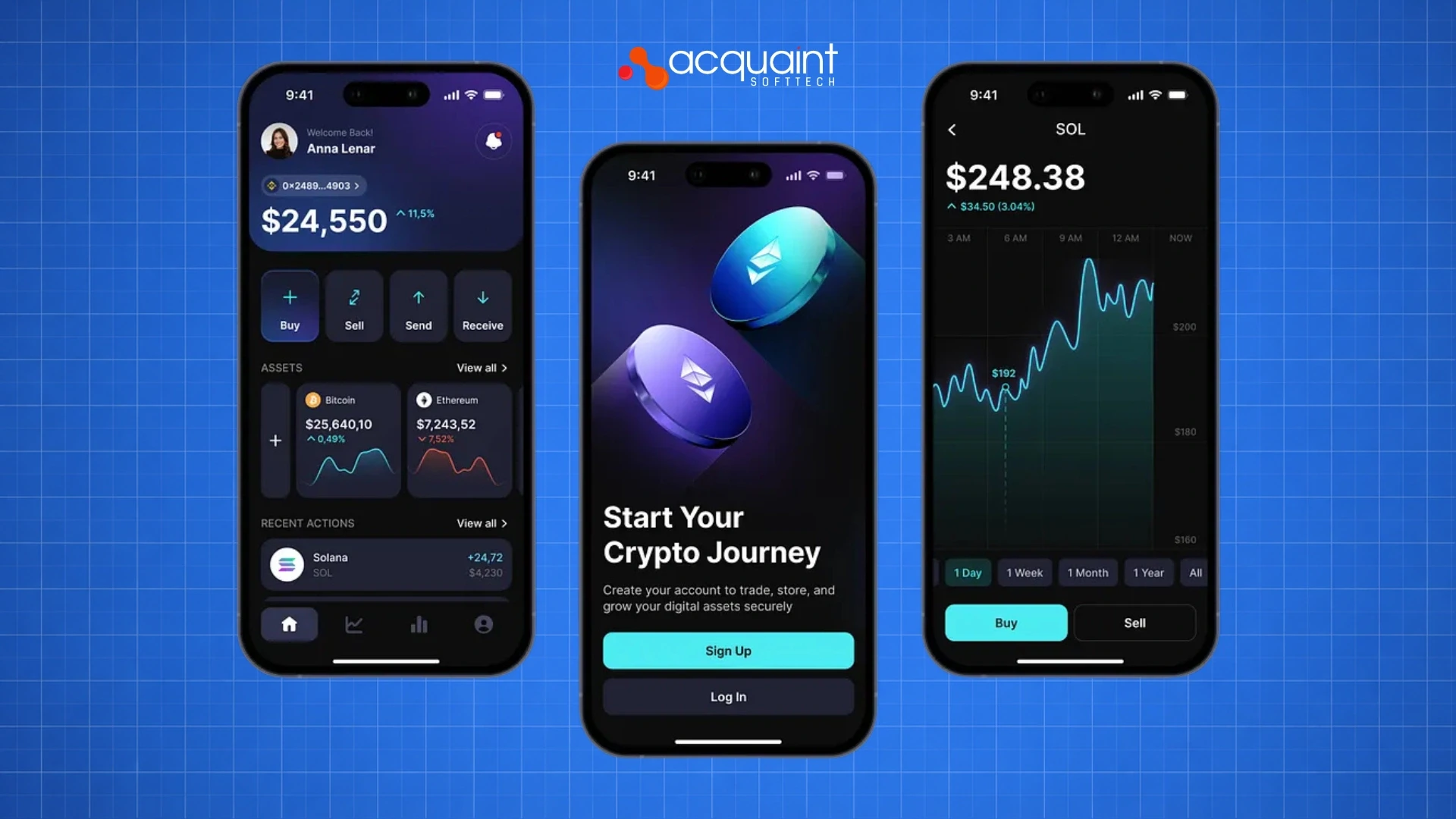
End-to-End FinTech Product Development: From Idea to Launch
End-to-end fintech product development covers everything from idea validation to launching a compliant fintech product. It includes MVP development, security, and regulatory compliance from day one.

Acquaint Softtech
August 6, 2026
MCP vs. MLP vs. MVP: Right Launch Strategy for a Fintech SaaS in 2026
How do you choose MCP, MLP, or MVP for your US fintech SaaS in 2026? Learn which launch strategy saves time, cuts costs, and drives real growth.
Acquaint Softtech
April 7, 2026.webp "The Complete Guide to FinTech Software Development in 2026")
The Complete Guide to FinTech Software Development in 2026
Complete guide to fintech software development 2026: all five verticals, compliance architecture, real build sequences, AI capabilities, and fintech development cost, from 1,300+ delivered projects.
Acquaint Softtech
May 6, 2026India (Head Office)
203/204, Shapath-II, Near Silver Leaf Hotel, Opp. Rajpath Club, SG Highway, Ahmedabad-380054, Gujarat
USA
7838 Camino Cielo St, Highland, CA 92346
UK
The Powerhouse, 21 Woodthorpe Road, Ashford, England, TW15 2RP
New Zealand
42 Exler Place, Avondale, Auckland 0600, New Zealand
Canada
141 Skyview Bay NE , Calgary, Alberta, T3N 2K6