I help agencies and founders scale their tech teams with the right developers at the right time. At Acquaint Softtech, I focus on building long term partnerships and making remote hiring simple, predictable, and results driven. My goal is straightforward to help businesses grow faster with reliable dedicated developers.
Food delivery platforms typically charge restaurants a commission ranging from 15% to 35% of the gross order value for marketplace delivery services. Full-service marketplace delivery runs 25% to 35% per order, while self-delivery or pickup drops to roughly 13% to 15%. Transaction fees, VAT, and paid placement can push the effective deduction past 35% to 40%. Beyond commission, platforms also earn consumer fees, sponsored placement, and subscriptions like Uber One or DashPass.
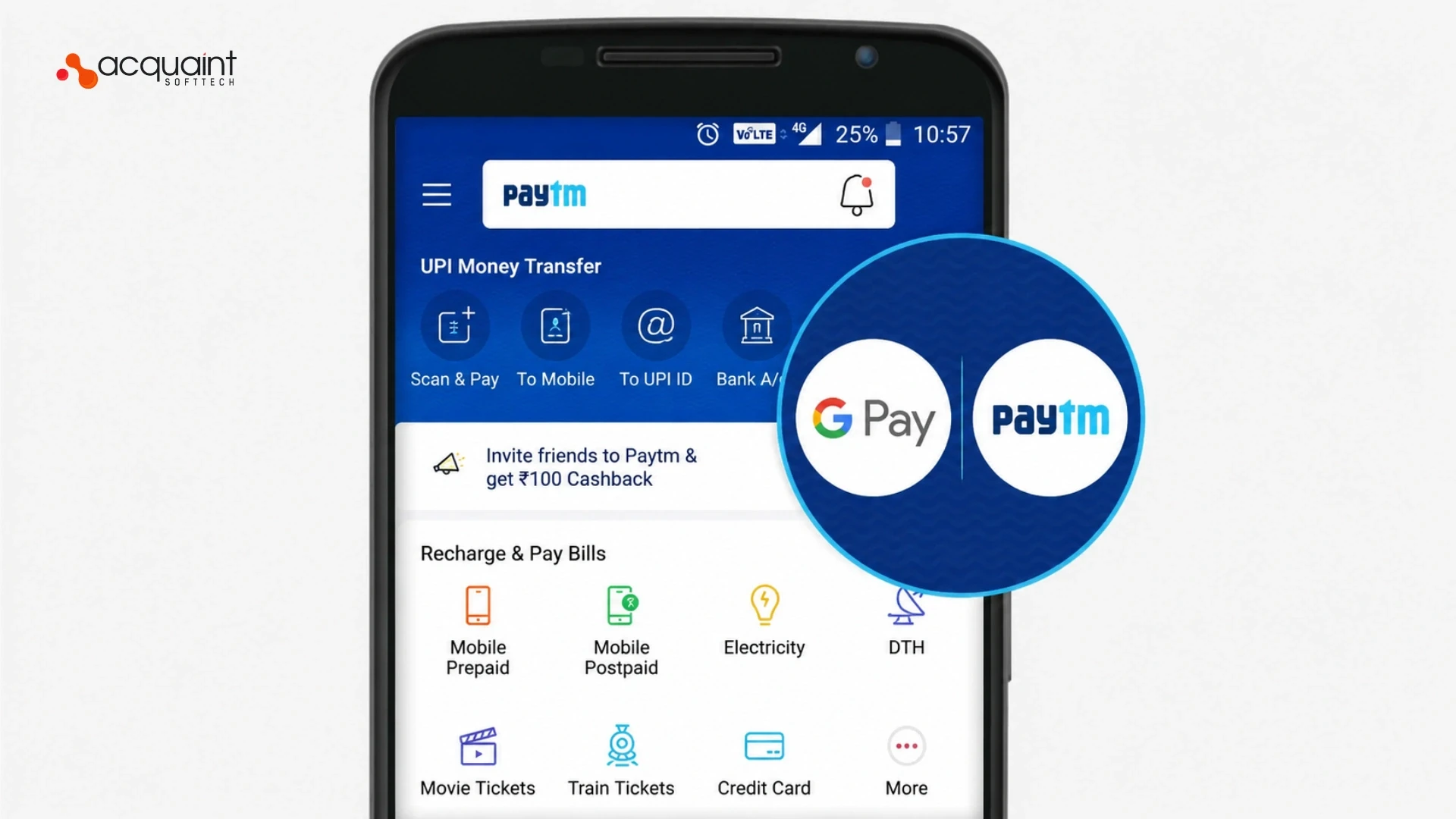
Building a digital wallet app requires defining your core use case (such as peer-to-peer transfers, retail QR payments, or crypto), complying with local financial regulations, building secure backend ledgers, and designing smooth mobile frontends. Building a payment app requires planning, compliance, secure technology, payment integrations, strong security, testing, and final launch.
Automated rent collection workflows reduce late payments by 25% to 60% by handling payment reminders, scheduled debits, and penalty enforcement without manual tracking. A working rent collection automation system has four moving parts: a payment reminder system that schedules multi-channel nudges before and after the due date, an auto-debit recurring rent module that pulls payment on the due date through ACH or Open Banking, a late fee rules engine that applies penalties the moment a grace period ends, and automatic bank reconciliation that matches each payment to the right tenant ledger. Build it and rent stops depending on whether a person remembered to chase.
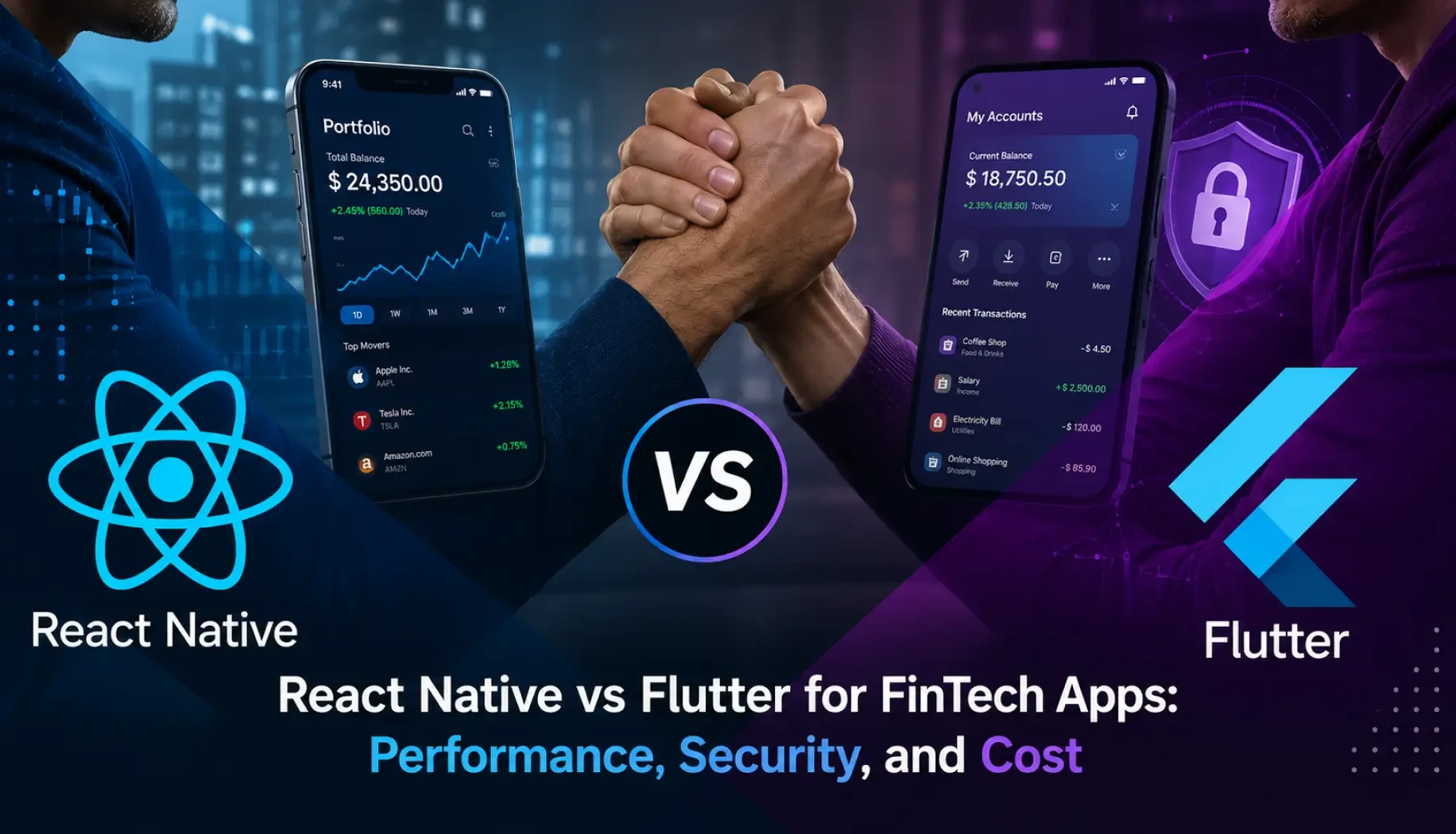
For fintech apps in 2026, both Flutter and React Native are strong choices. Flutter is better for performance and security, making it ideal for apps with real-time charts and sensitive data. React Native is better for faster development, easier hiring, and large-scale team growth due to its bigger developer ecosystem.
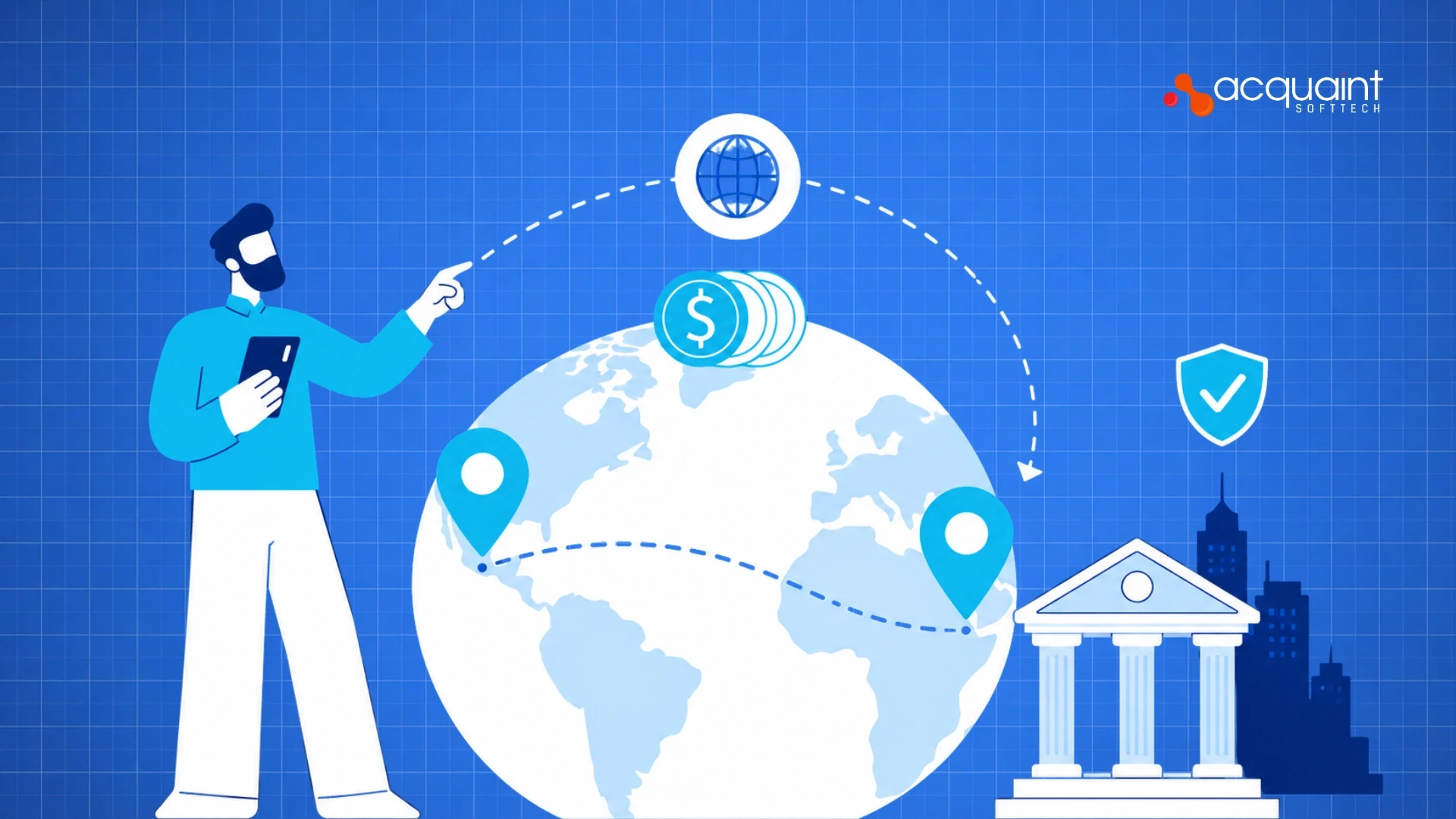
A cross-border payment platform enables international money transfers through routing, currency conversion, and settlement. It uses multiple payment rails and compliance checks to deliver fast and secure transactions.
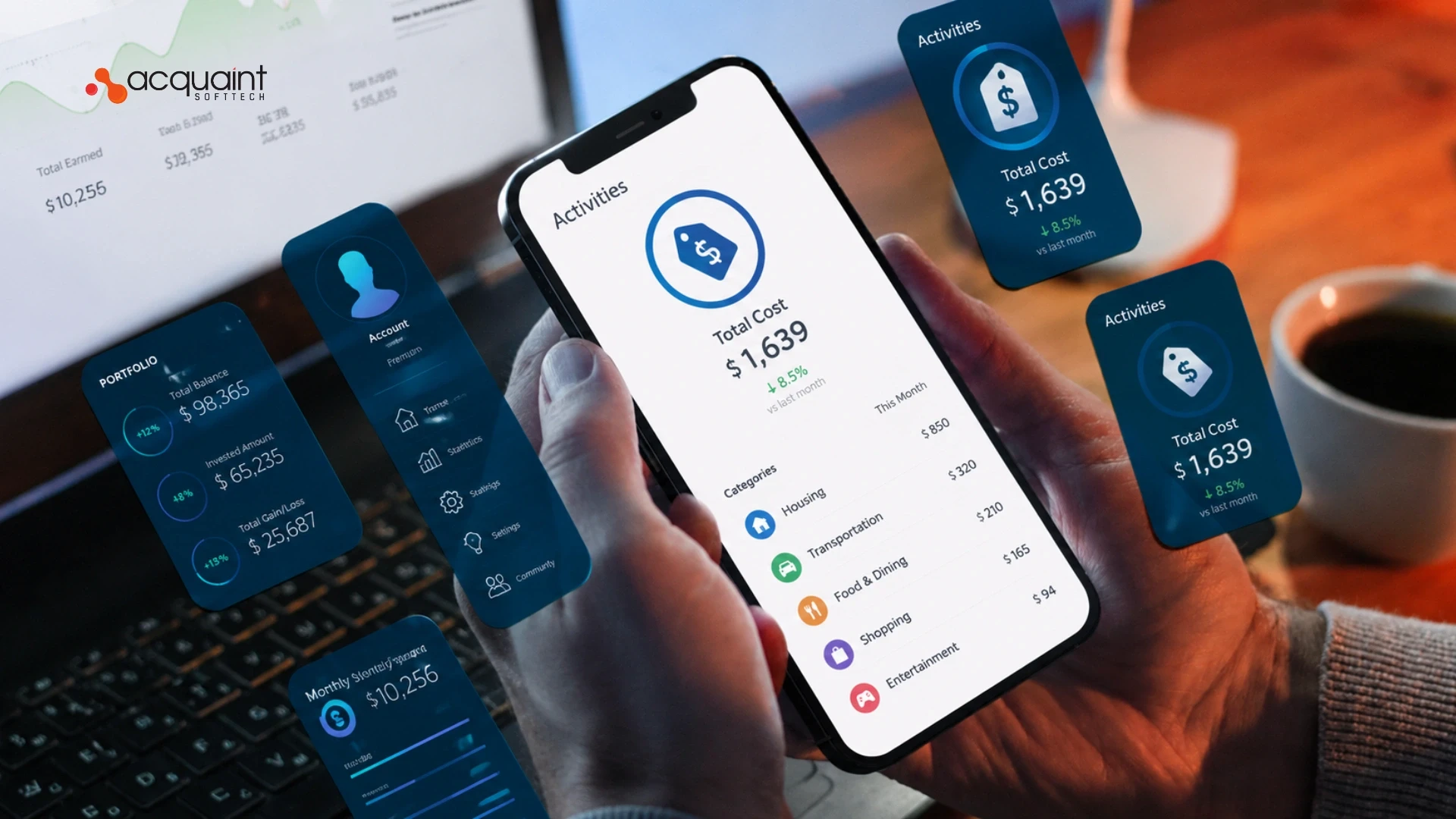
A fintech app typically costs $20,000–$300,000+ to build, depending on features and compliance. The biggest cost factors are app type, security, integrations, and regulatory requirements.
To compare Laravel development agencies objectively, score each on five weighted dimensions: technical credibility (30%), process and delivery (25%), communication and async capability (20%), commercial terms (15%), and cultural fit (10%). Calculate weighted totals before comparing price. The vendor with the highest score at a competitive price is almost always the right choice.
To build a BNPL platform, connect three systems: a credit engine that approves shoppers in about two seconds, an installment engine that schedules and auto-collects repayments, and a merchant layer of consumer, merchant, and admin APIs. In 2026, a BNPL MVP costs roughly $40,000 to $150,000, takes 4 to 7 months, and must launch with UK FCA and EU CCD2 compliance built in, not bolted on.
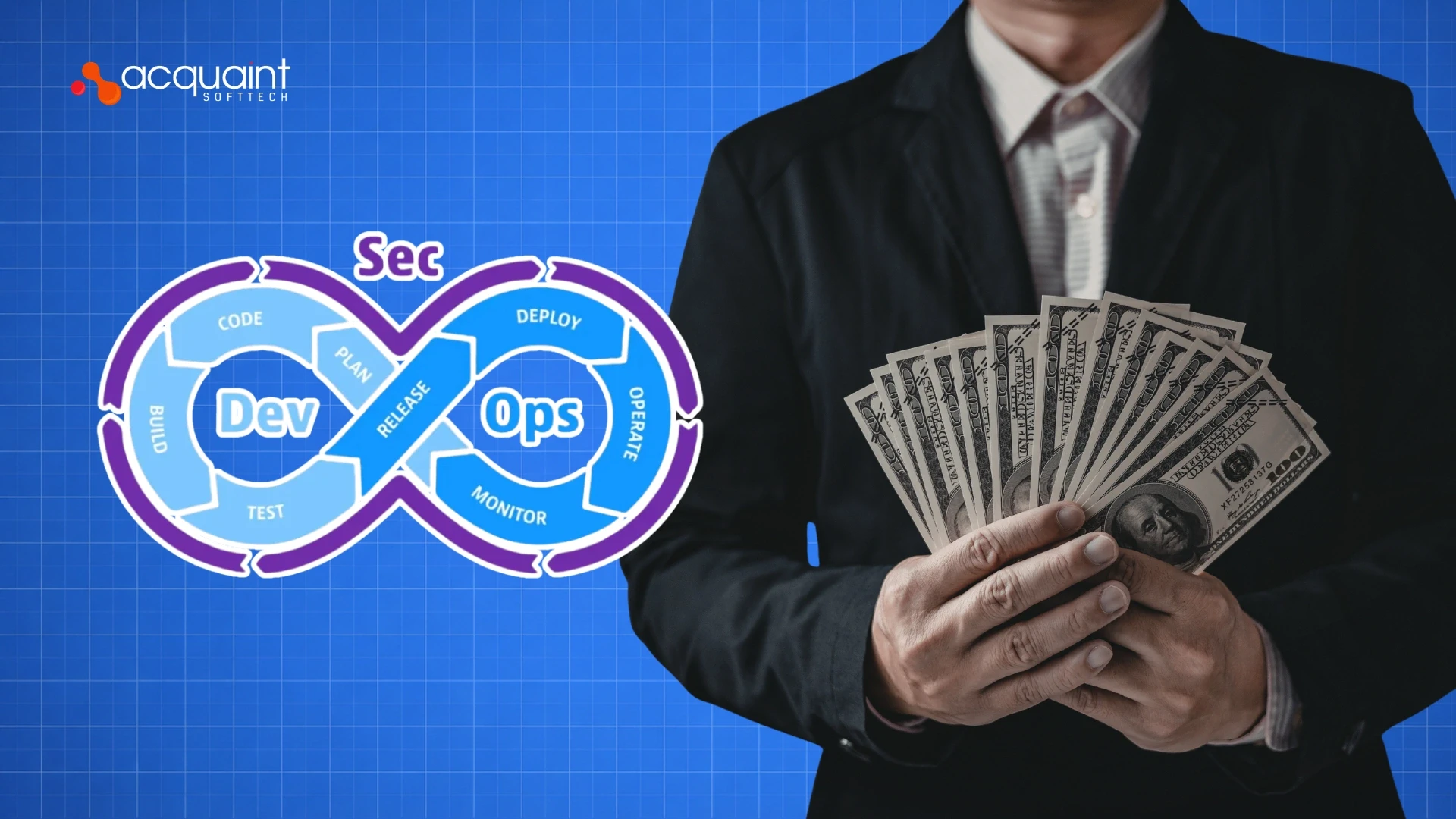
A DevSecOps engineer costs more than a standard DevOps engineer, but the premium is smaller than most teams expect. Here is the honest 2026 cost breakdown for UK, European, and US SaaS teams.
Healthcare app development cost in 2026 ranges from $25,000 for a lean HIPAA-compliant MVP to over $500,000 for an enterprise platform with AI, EHR integration, and multi-platform support. HIPAA compliance adds 20 to 50% to the base cost. Offshore HIPAA-trained teams in India deliver 40 to 60% savings versus US agencies.
To build a robo-advisor platform, combine five engines: digital onboarding with a risk questionnaire, a portfolio allocation engine using mean-variance optimization to map risk scores to model portfolios, a rebalancing engine that monitors drift and triggers trades, a brokerage integration layer for execution, and a reporting and compliance layer.
Remote patient monitoring (RPM) app development connects wearable and medical devices to a clinical dashboard using IoT data pipelines, real-time alerting, and HIPAA-compliant cloud infrastructure. A production RPM system collects biometric data via Bluetooth or cellular, transmits it through an encrypted MQTT or HTTPS pipeline, stores it in a time-series database, and surfaces it in a clinical dashboard with threshold-based alerts, trend visualisation, and EHR write-back via HL7 FHIR.
Staff augmentation gives you one DevOps engineer embedded in your team. A dedicated DevOps team gives you a managed function. Here is the honest comparison and when each model is right.
UK and US companies that hire offshore DevOps engineers from India pay 3x to 5x less than local rates for the same seniority level. Here is the honest savings breakdown and what the quality difference actually is.
A digital lending platform is four workflow systems that must all work flawlessly: origination, underwriting, disbursement, and servicing. This guide builds each one, with AI credit scoring, compliance mapping, and real 2026 cost data.
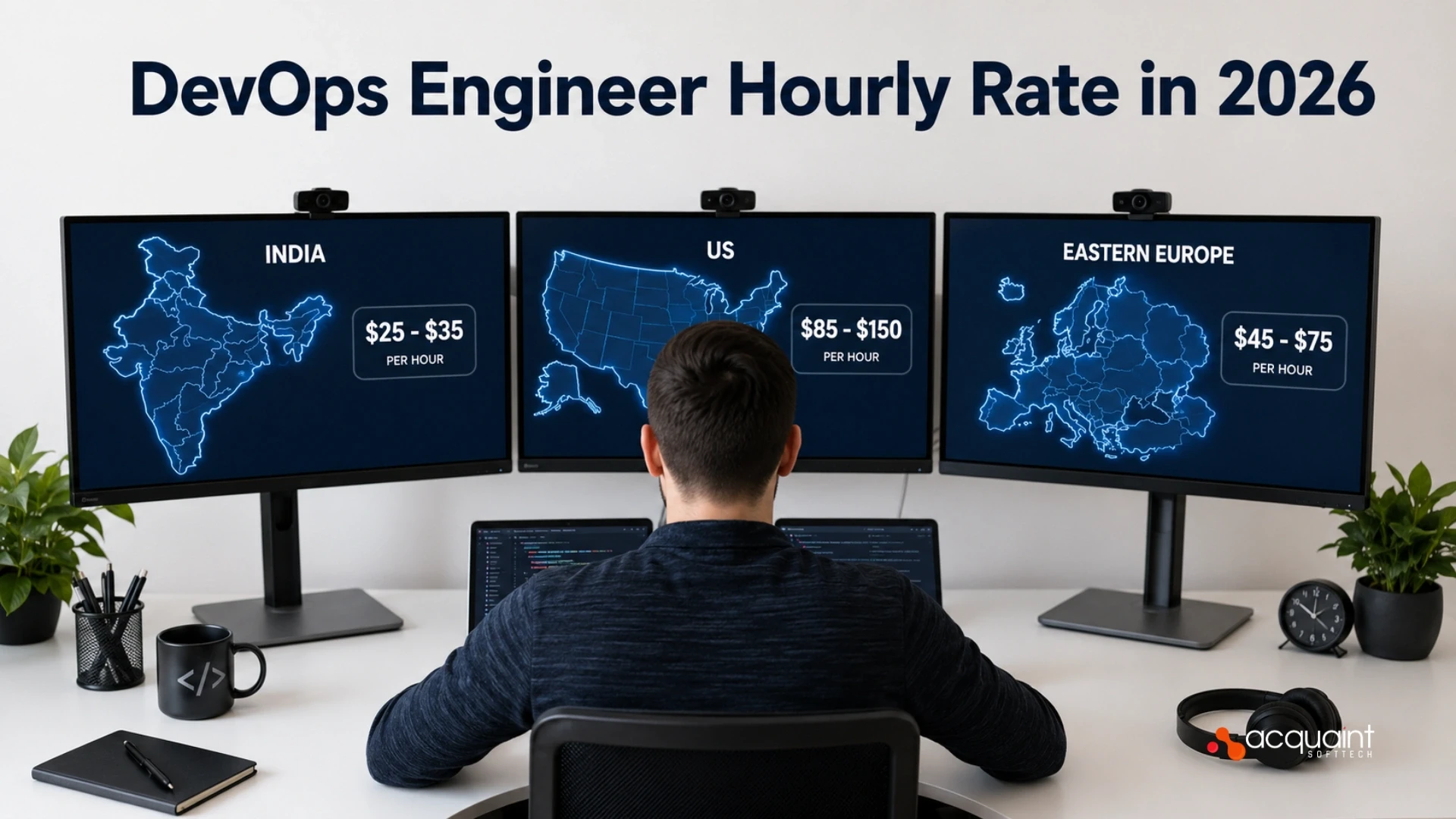
DevOps engineer rates in 2026 range from $22/hour in India to $100+ in the US for the same seniority level. Here is the honest regional rate comparison and what each price tier actually delivers.
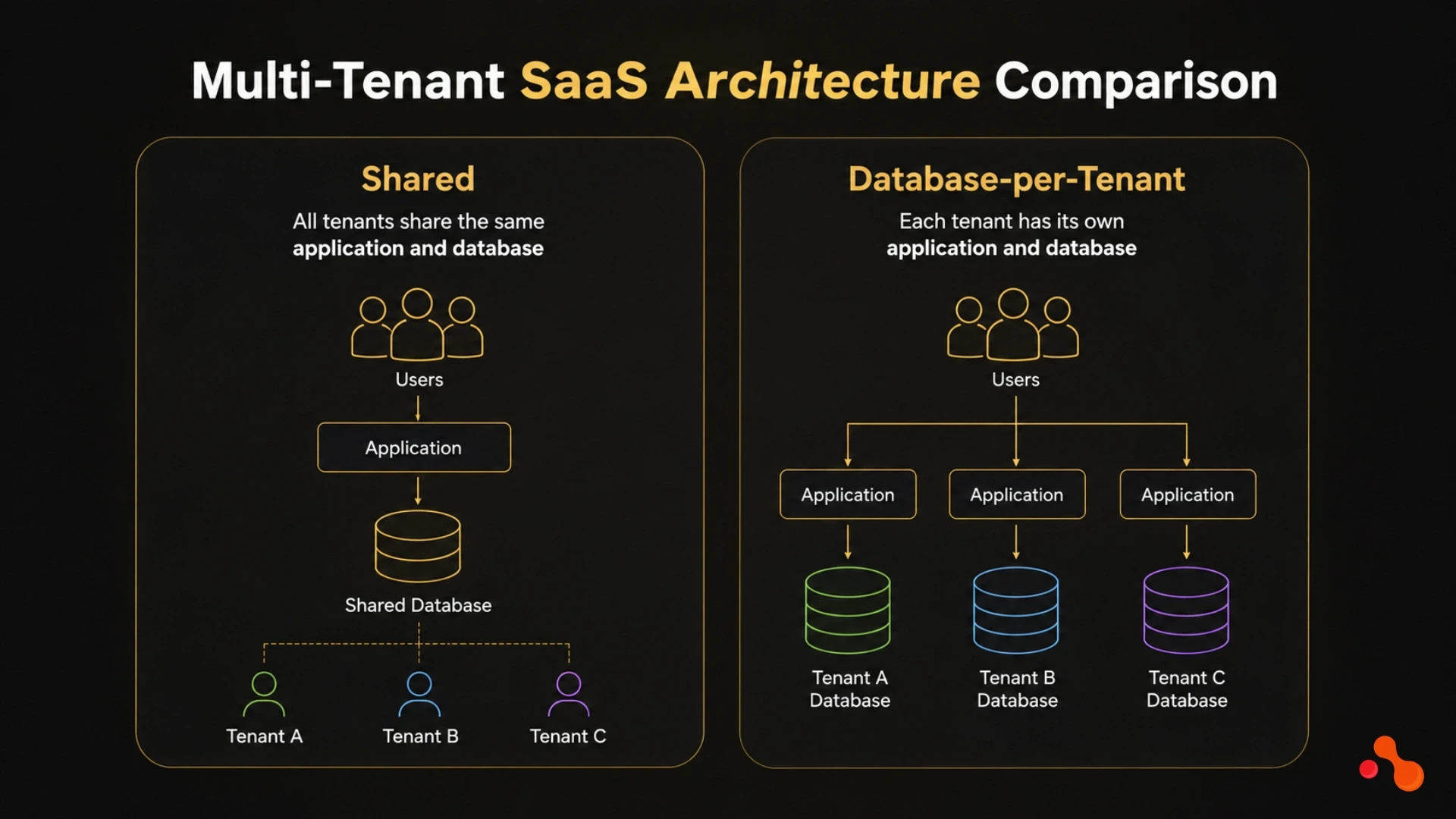
Multi-tenant SaaS architecture is not three flavours of the same idea. Shared database, schema-per-tenant, and database-per-tenant are three different operational contracts with your future self. This guide tells you which model fits each business condition, what each costs to run at 50, 500, and 5,000 tenants, and the 5-question decision framework Acquaint Softtech architects use before writing the first migration.
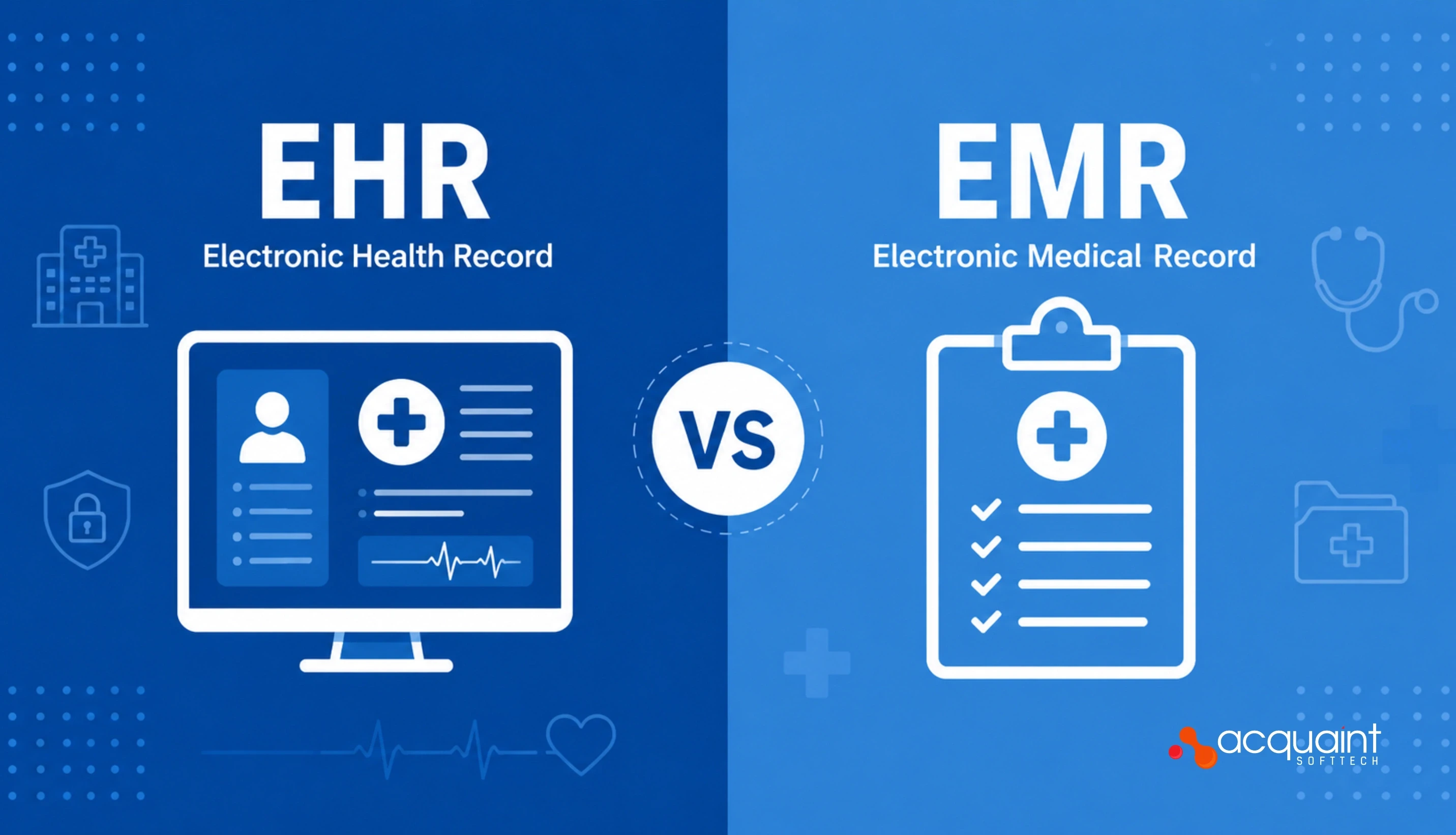
Most people use EHR and EMR interchangeably. They are not the same system. One is a digital filing cabinet for a single practice. The other is a longitudinal health record that follows the patient across their entire care journey. Picking the wrong one costs founders 9 to 14 months of rework. Here is how to choose correctly the first time.
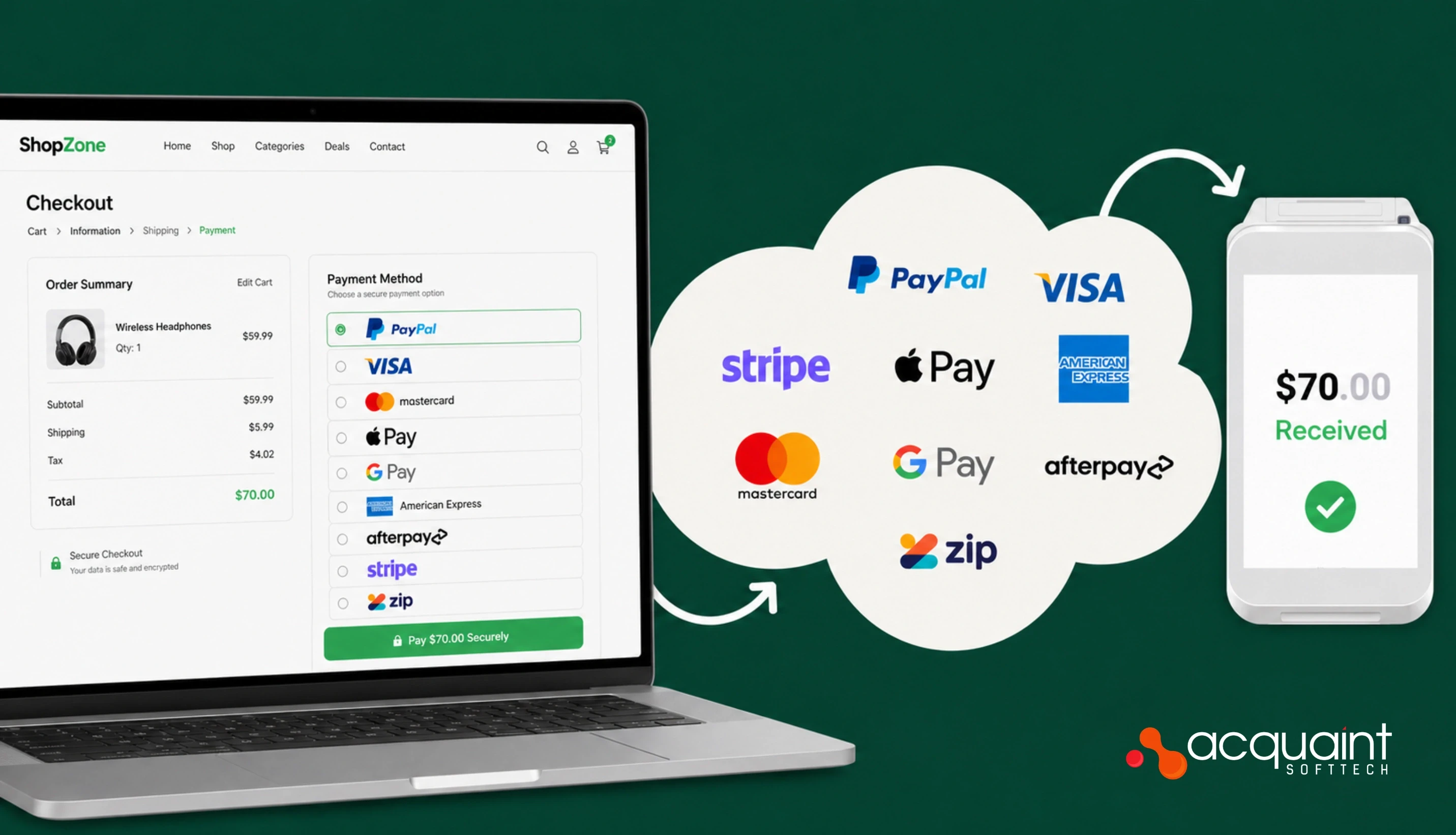
A payment gateway is not a checkout button. It is a 7-step transaction pipeline that authenticates, routes, scores, and settles every card payment in under 2 seconds. Here is exactly how it works.
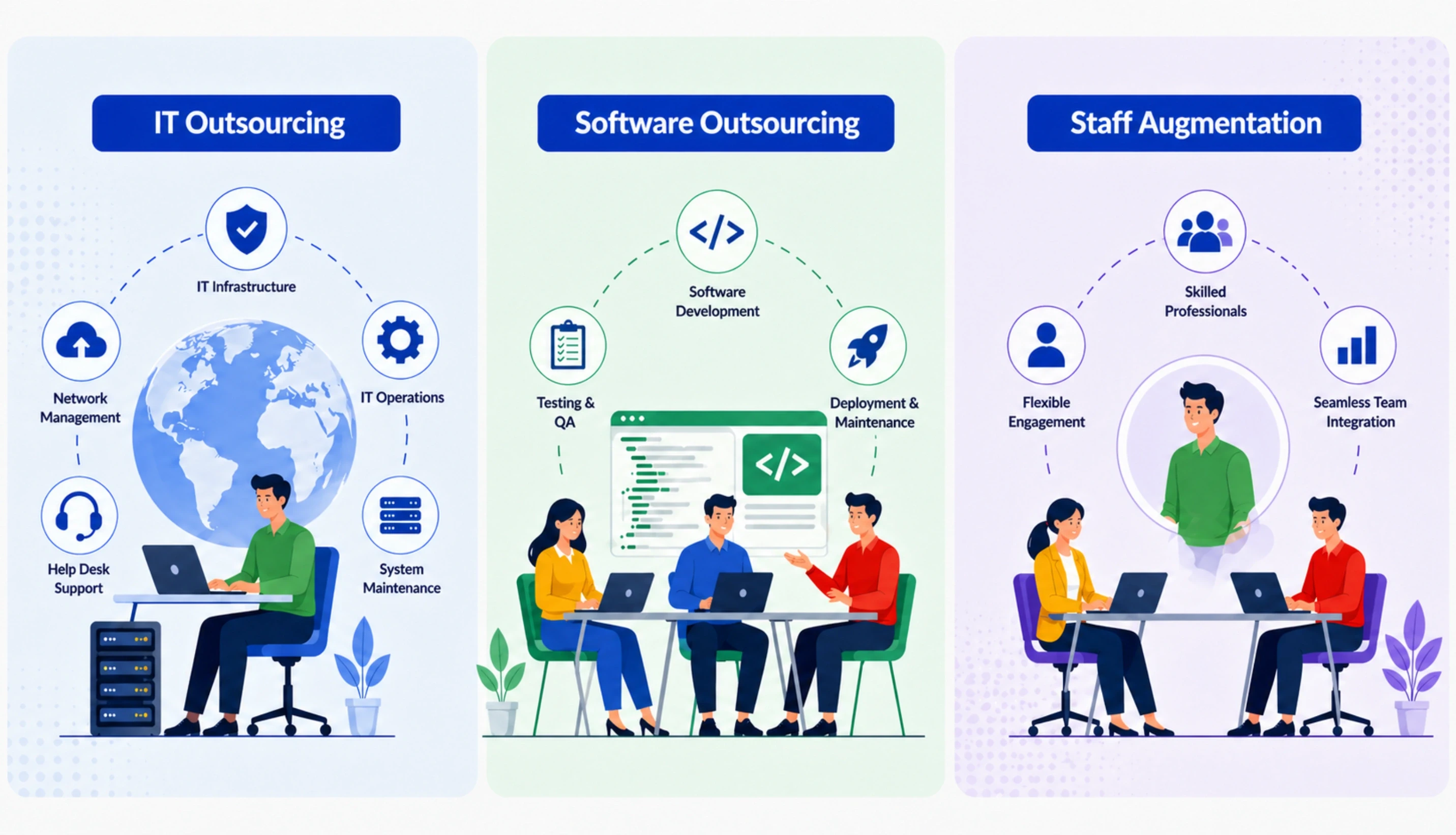
IT outsourcing, software outsourcing, and staff augmentation are used interchangeably. They are not the same thing. This plain-English guide explains the difference in under 10 minutes.
Learn the biggest mistakes CEOs make when hiring remote developers and how to avoid them. Improve productivity, communication, culture fit, and project success.
WordPress powers 43% of the web. Statamic is the CMS that the other 57% of developers wish they had used. Here is the full comparison for 2026 and the situations where each one is the right answer.
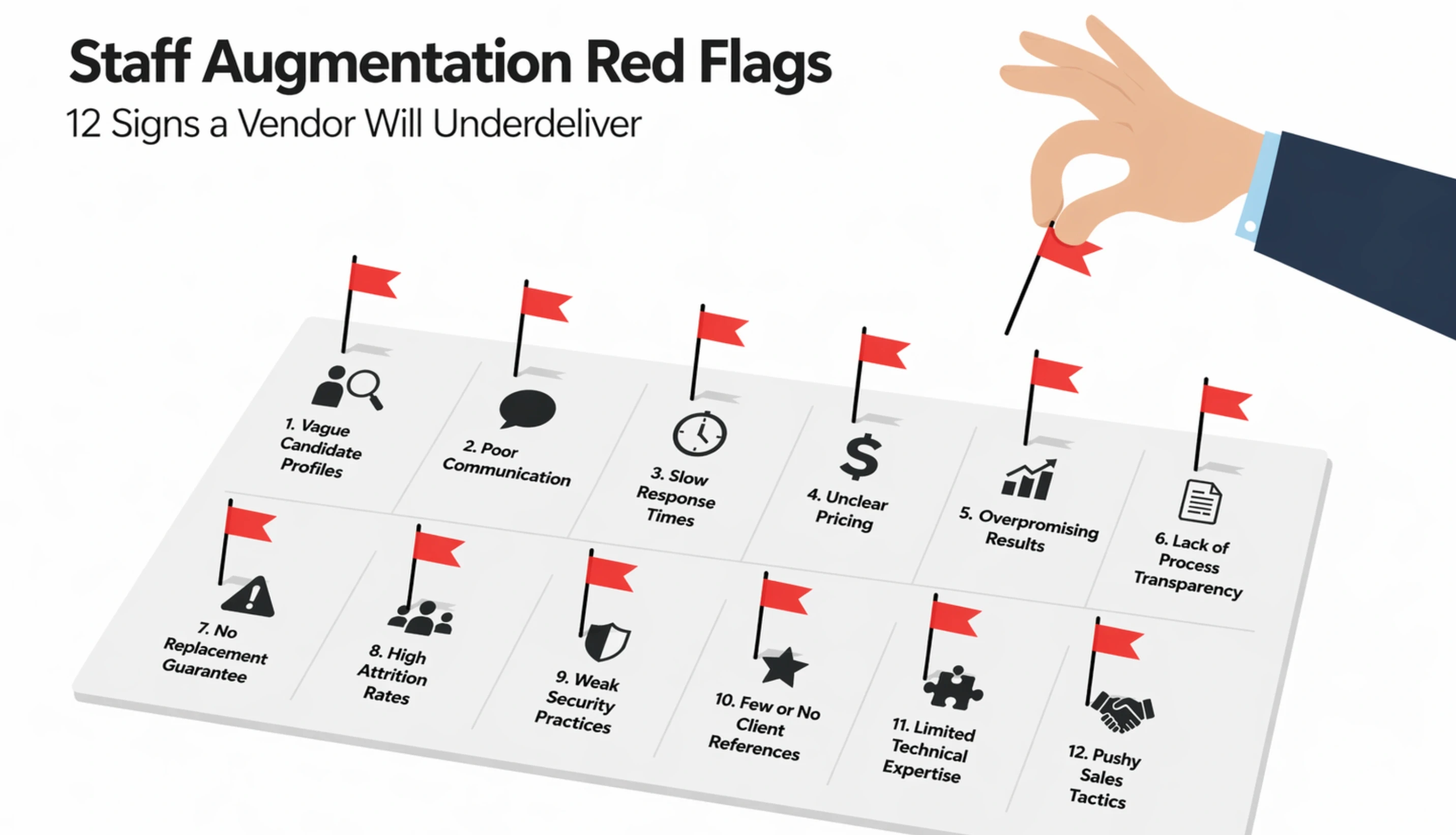
These 12 red flags appear before you sign, not after. Each one predicts a specific delivery failure. Spotting three or more in a single vendor is enough to walk away.
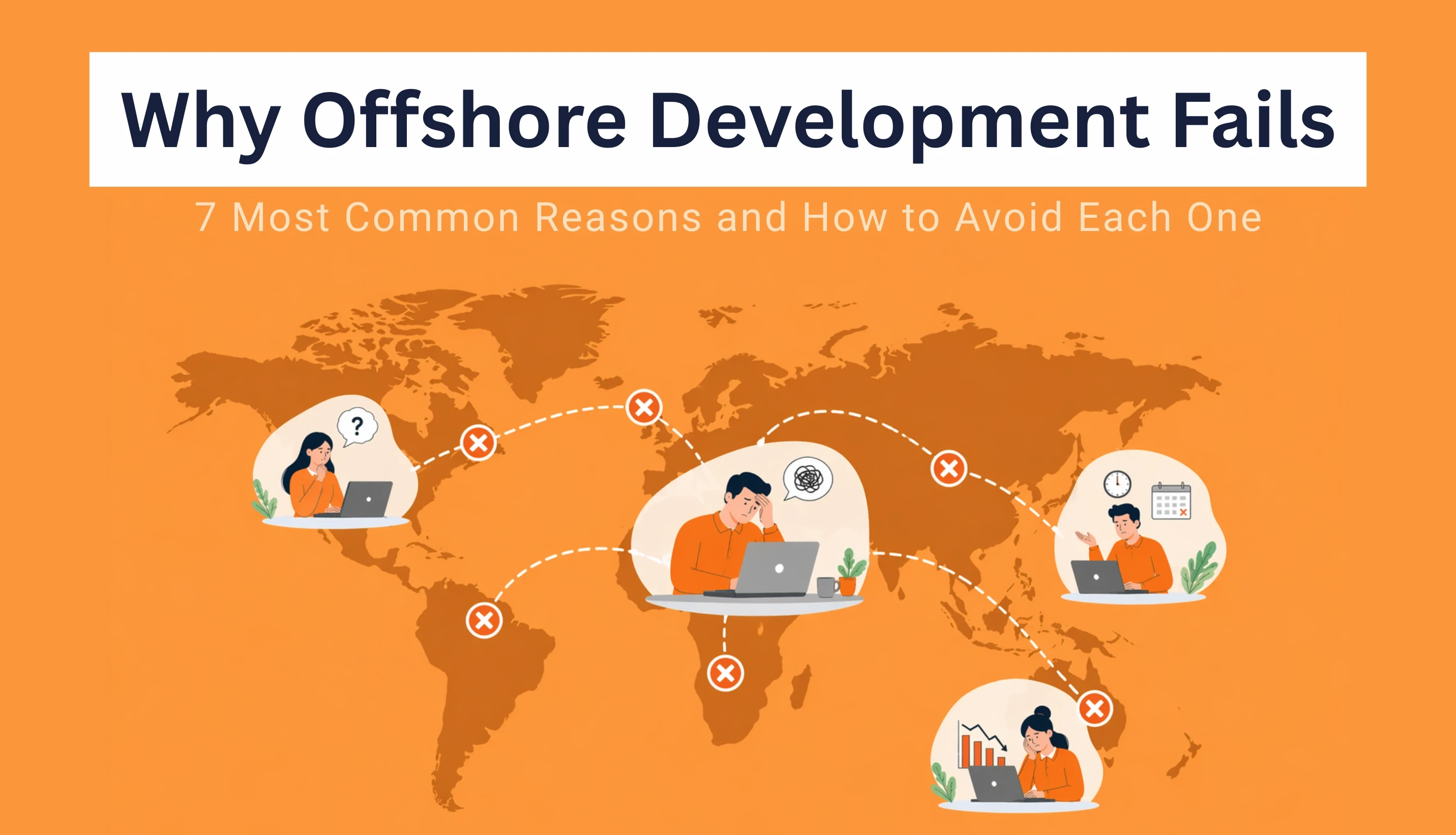
Offshore development fails for the same 7 reasons, repeatedly. None of them are about developer quality. All of them are about structure. Here is each one and the specific fix.






.webp "Offshore DevOps Engineer: What UK and US Companies Save vs Hiring Locally in 2026")
.webp "How to Build a Digital Lending Platform: Complete 2026 Guide")