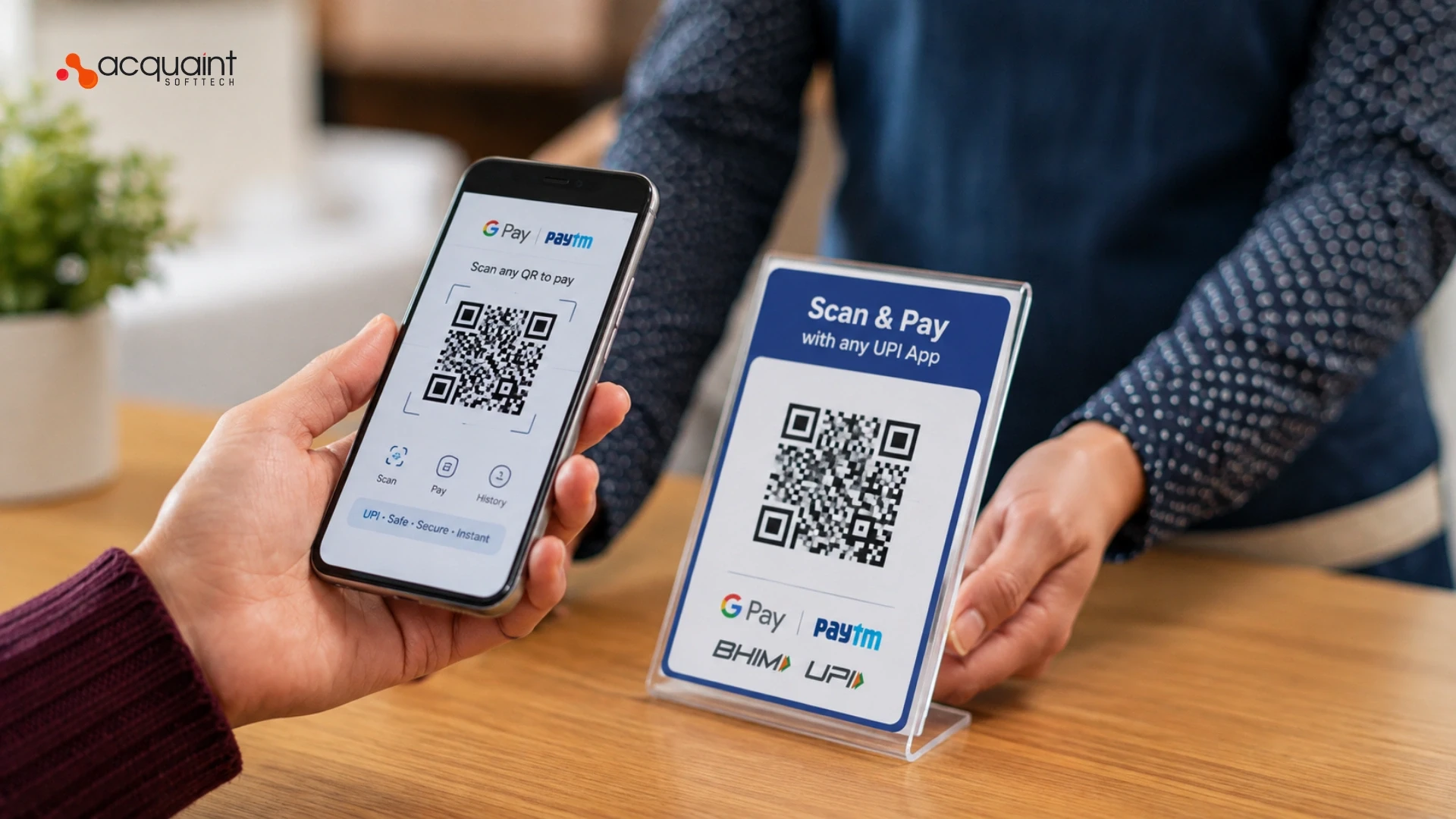
QR code payment system development involves creating a secure software architecture where a user scans a code with a smartphone to transfer funds. It needs four core parts working together: a customer scanner app or web interface, a merchant portal for transactions and code generation, a payment gateway and API to route money between banks or wallets, and a real-time database and ledger, all built to financial data security standards.

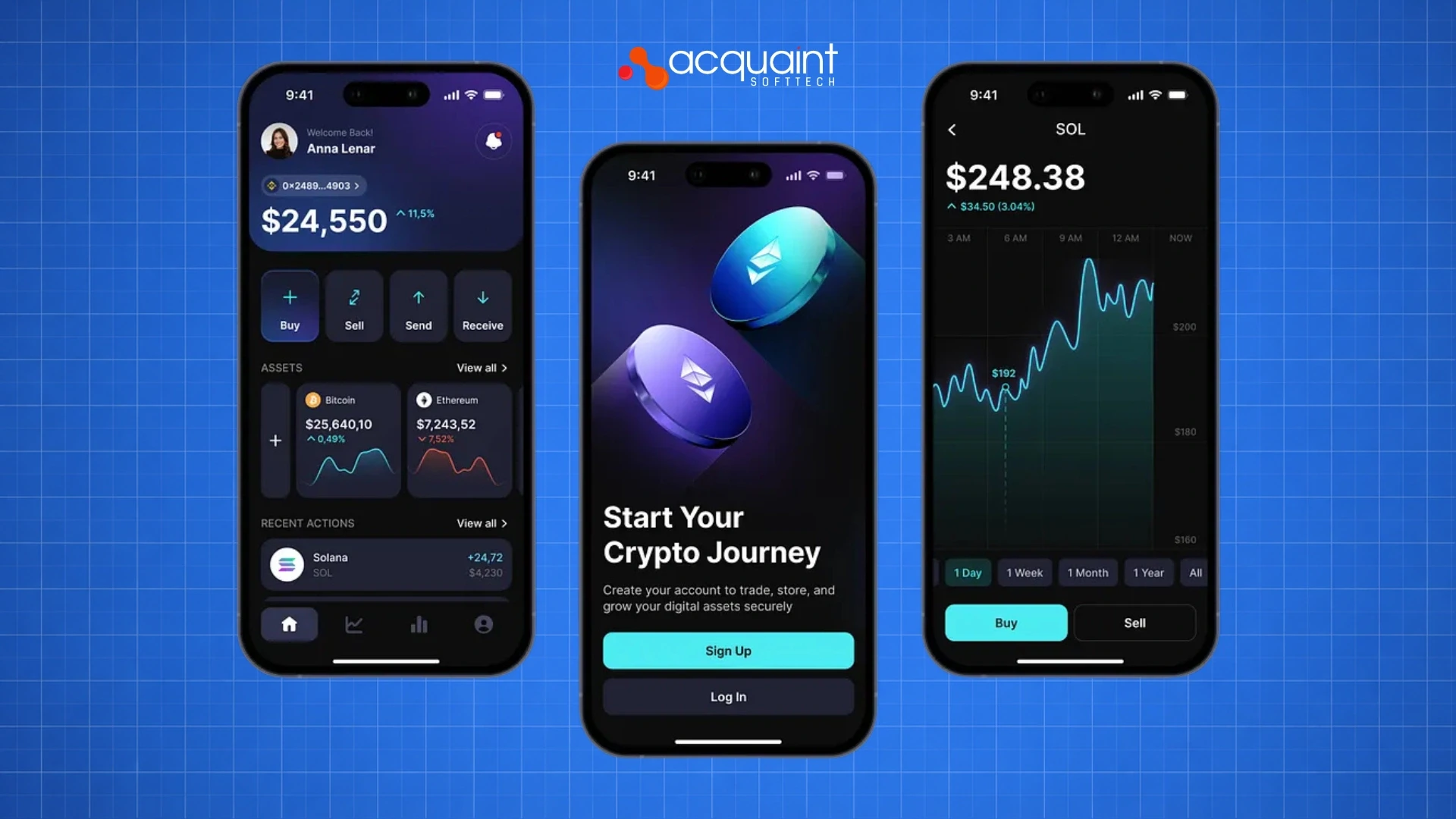
Building a digital wallet app requires defining your core use case (such as peer-to-peer transfers, retail QR payments, or crypto), complying with local financial regulations, building secure backend ledgers, and designing smooth mobile frontends. Building a payment app requires planning, compliance, secure technology, payment integrations, strong security, testing, and final launch.

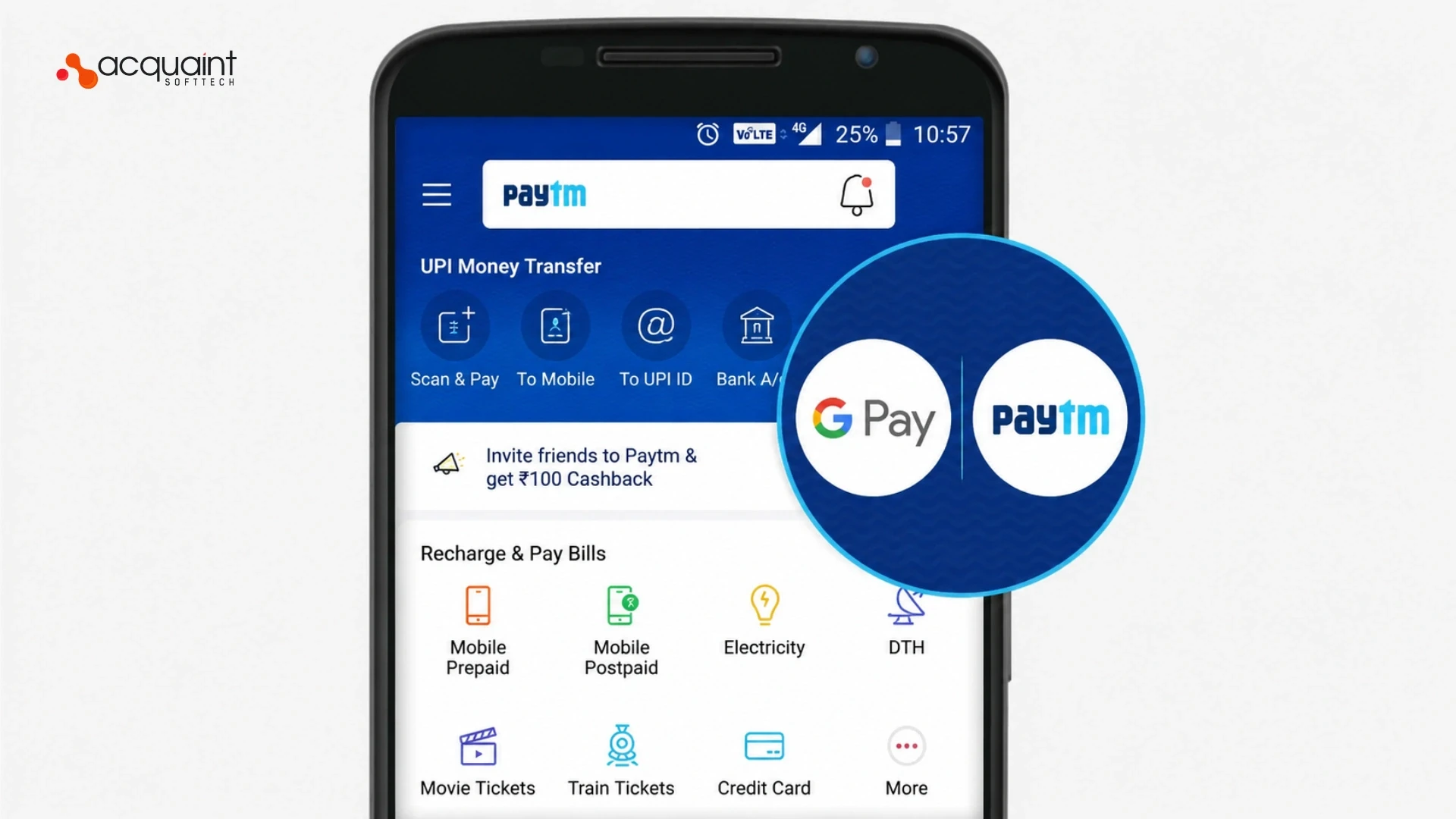
UPI payment integration requires choosing between a direct bank or NPCI tie-up (for large consumer apps) or using a licensed payment gateway or aggregator. Most developers use intent or collect APIs via an aggregator. UPI integration uses Intent Flow for quick app-based payments, Collect/VPA for UPI IDs, and AutoPay for recurring payments. Implementation involves KYC and gateway setup, backend order creation, payment triggering, and secure webhook-based payment verification.

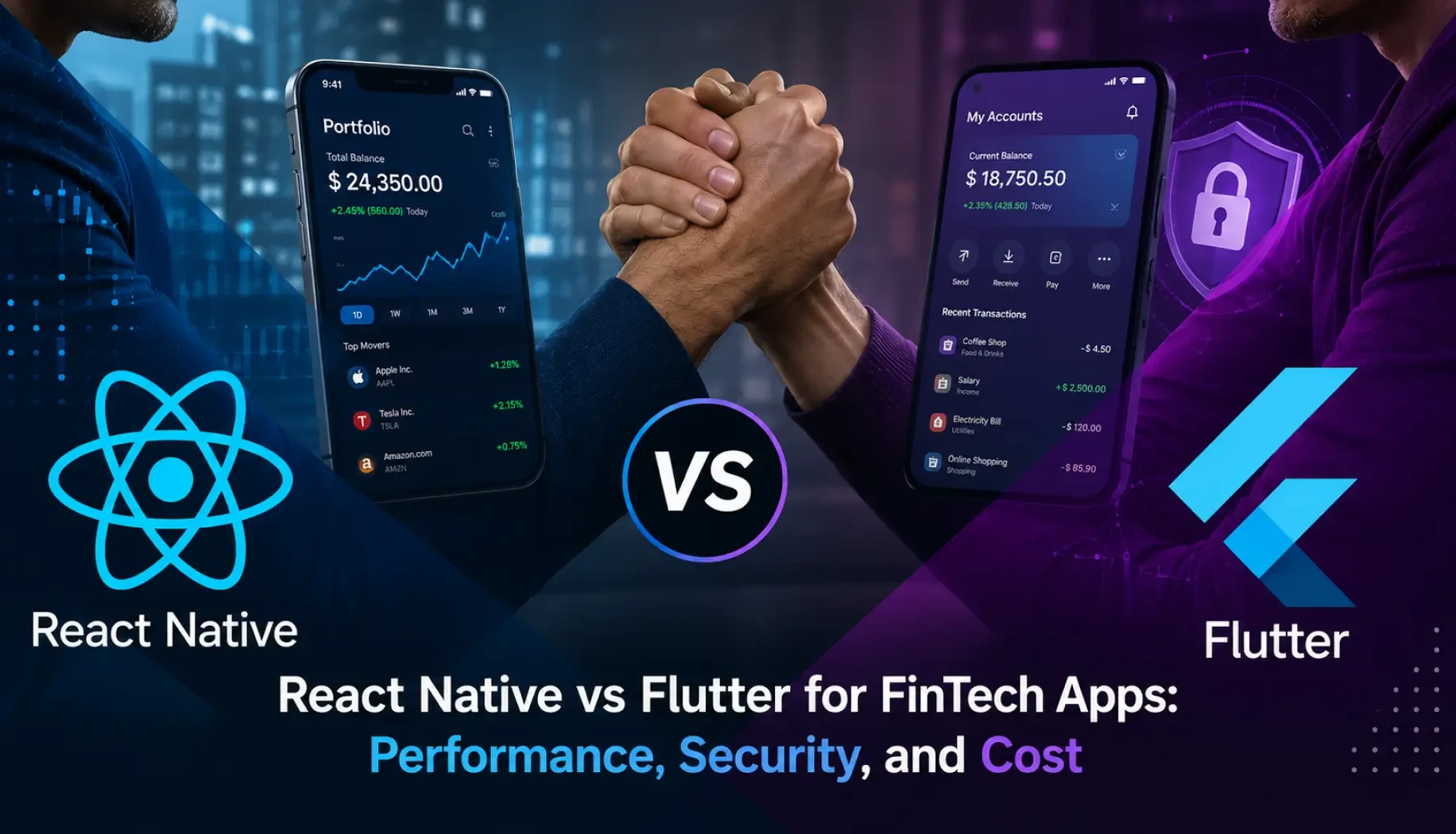
For fintech apps in 2026, both Flutter and React Native are strong choices. Flutter is better for performance and security, making it ideal for apps with real-time charts and sensitive data. React Native is better for faster development, easier hiring, and large-scale team growth due to its bigger developer ecosystem.
Stripe Connect for SaaS payments lets users connect their Stripe accounts so you can process payments and take a platform fee. It includes onboarding connected accounts, routing payments, handling webhooks, and ensuring accounts are verified. Most SaaS platforms use Standard or Express accounts for faster, compliant setup.
End-to-end fintech product development covers everything from idea validation to launching a compliant fintech product. It includes MVP development, security, and regulatory compliance from day one.

Cloud accounting software helps businesses manage invoicing, bookkeeping, taxes, and finances online with real-time data. Modern platforms also support bank feeds, auto-reconciliation, and tax compliance.
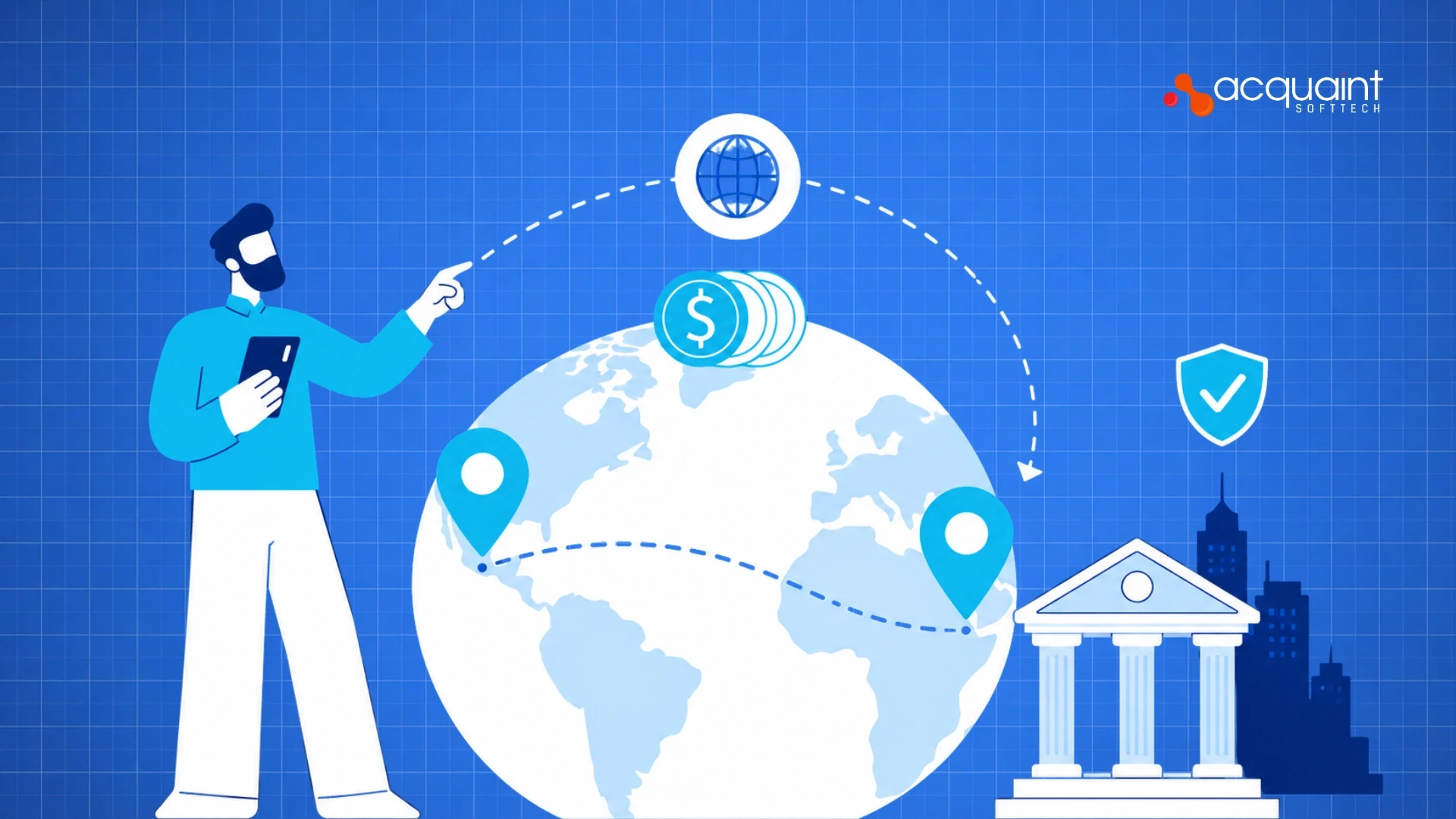
A cross-border payment platform enables international money transfers through routing, currency conversion, and settlement. It uses multiple payment rails and compliance checks to deliver fast and secure transactions.
A financial data warehouse centralizes data for faster reporting and analytics. Modern platforms use cloud-based ELT pipelines and can reduce reporting time by up to 70%.