Every software development company proposal looks good on page one. The rate is reasonable. The timeline sounds achievable. The case studies are polished. Here is the framework that tells you what is actually behind it.

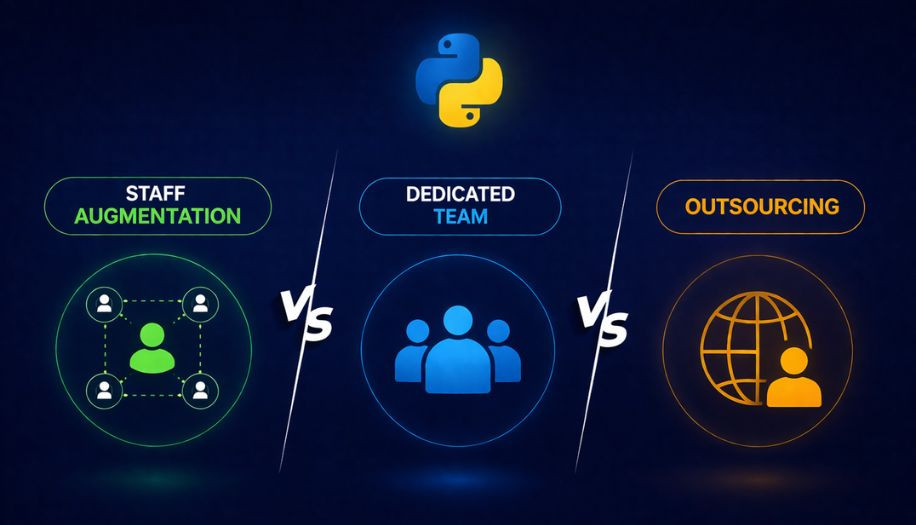
Compare Python staff augmentation, dedicated team, and project outsourcing models. Real 2026 data on cost, control, speed, and IP risk. Find which model fits your project stage.

Most clients pick a staff augmentation pricing model based on the rate. That is the wrong variable. The pricing model determines your vendor's incentives, your budget predictability, and who carries the risk when delivery slips.

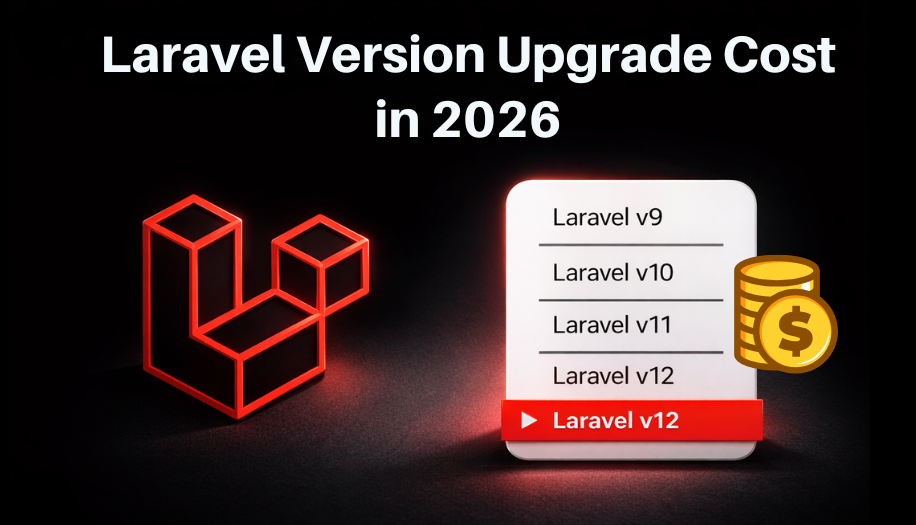
A Laravel upgrade that would have cost $8K three months ago can cost $26K when a security event forces it. Here is what makes upgrade cost grow and how to budget correctly before it becomes urgent.
Think of it like the preparations for the 2030 Commonwealth Games in Ahmedabad. You don't build world-class infrastructure overnight with average resources. You bring in the right expertise, scale fast, and execute with precision. The same principle applies when choosing a white label software development company. According to a Grand View Research report, the global white label software market was valued at USD 38.22 billion in 2023 and is expected to grow at a CAGR of 15.6% through 2030, reflecting the rapid adoption of white label models across digital businesses.
To simplify this, we analyzed 50+ white label software development companies across trusted directories and client review platforms. Our selection focuses on providers with proven delivery experience, strong client feedback, scalable development capabilities, and the ability to work as true extension teams.
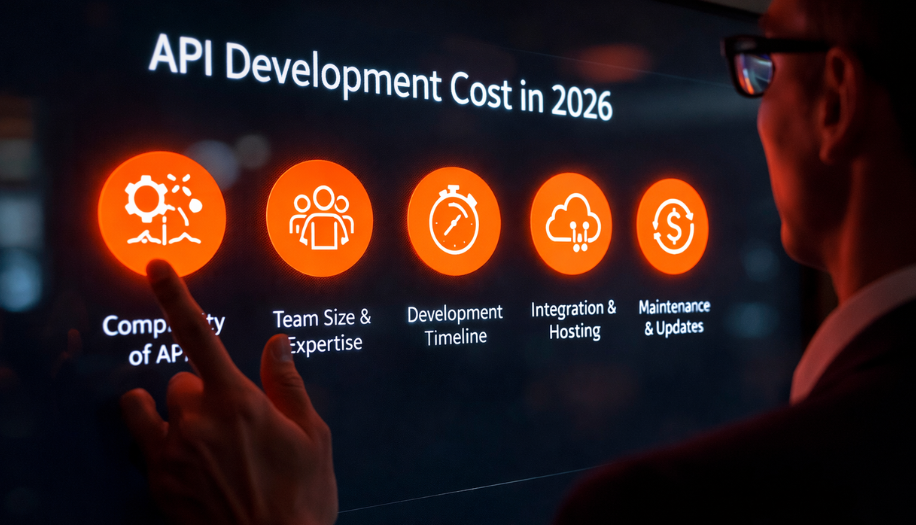
Most API budgets are built around the endpoint list. That covers roughly 40% of the real work. Here is what the other 60% looks like and why it is almost always the part that causes overruns.