
A Laravel and DevOps pod is a small cross-functional unit bought as one thing: usually two Laravel engineers, a part-share of a DevOps engineer, a part-share of QA, and delivery oversight. It replaces the old model of hiring one developer by job title, because modern Laravel work needs several skills at once and rarely needs a full-time person for each of them.

AI and DevSecOps are the two hardest roles in tech to hire right now. Demand is growing far faster than supply, the required skills keep changing, and a senior AI hire takes about three months to close. Staff augmentation places a vetted specialist in days instead, without committing to permanent headcount before the work has proven its value.
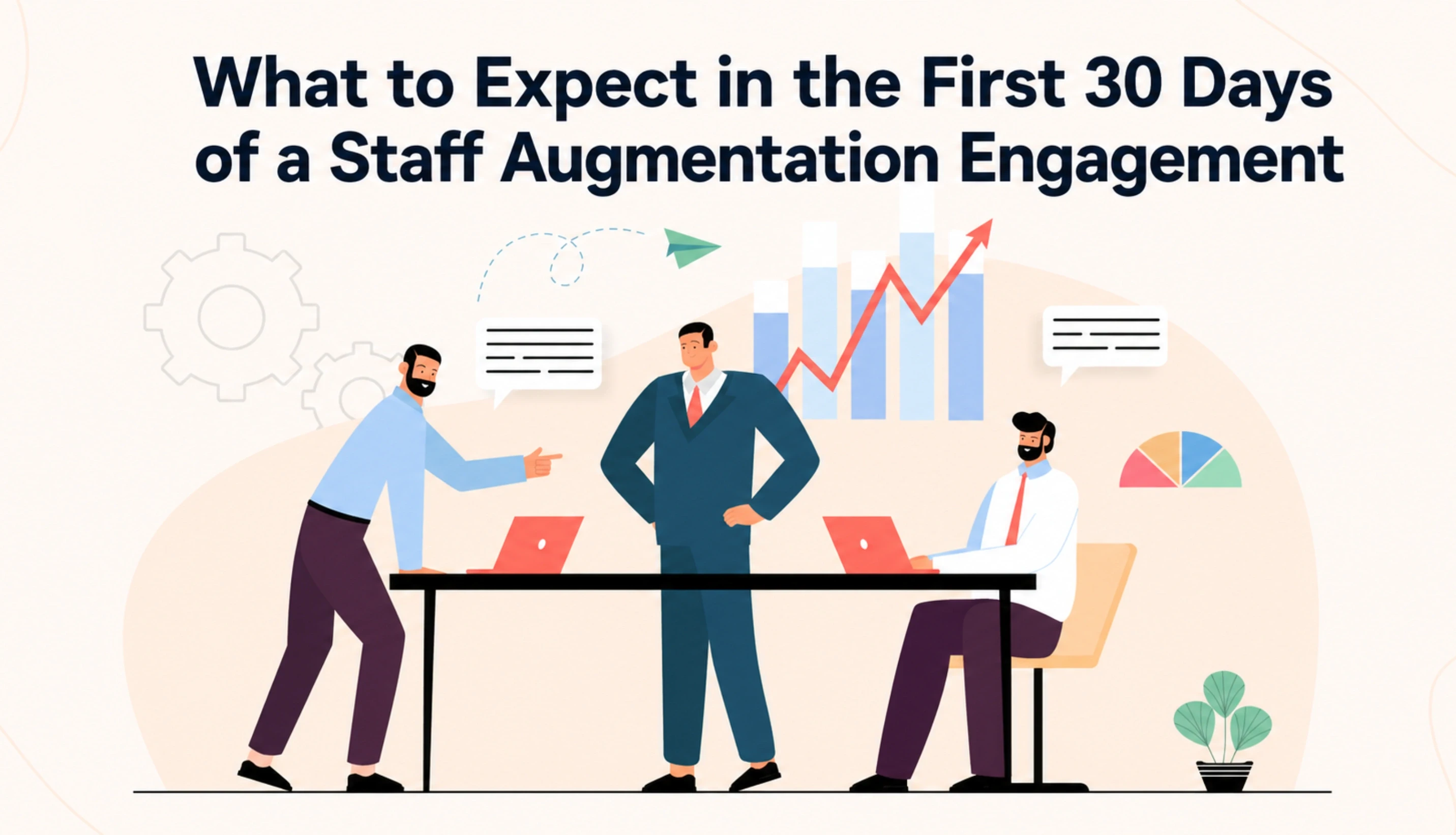
Most staff augmentation engagements that fail do so in the first 30 days. The onboarding structure determines whether the developer reaches full velocity in week 3 or week 10. Here is exactly what to expect and what to do.

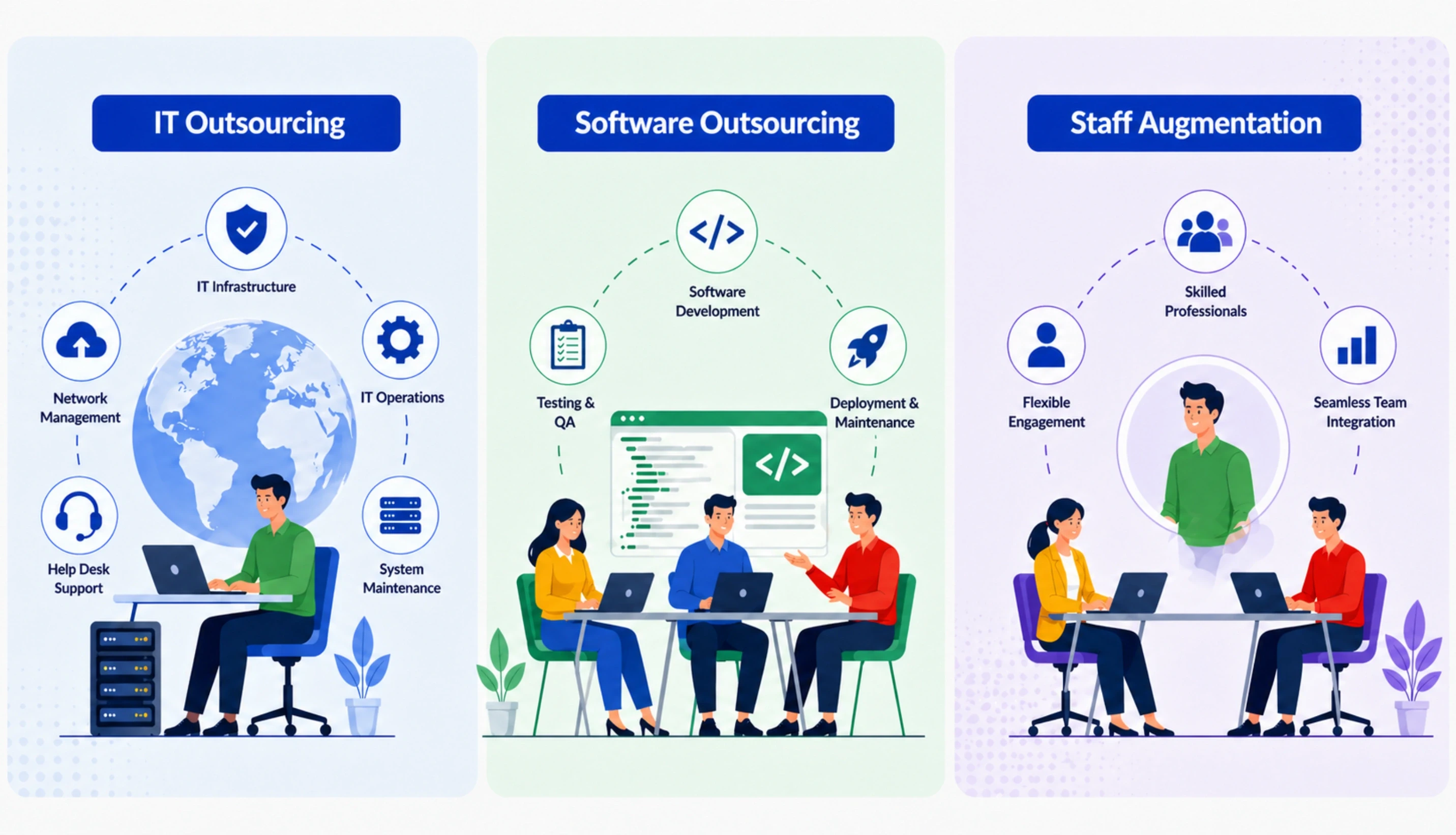
IT outsourcing, software outsourcing, and staff augmentation are used interchangeably. They are not the same thing. This plain-English guide explains the difference in under 10 minutes.

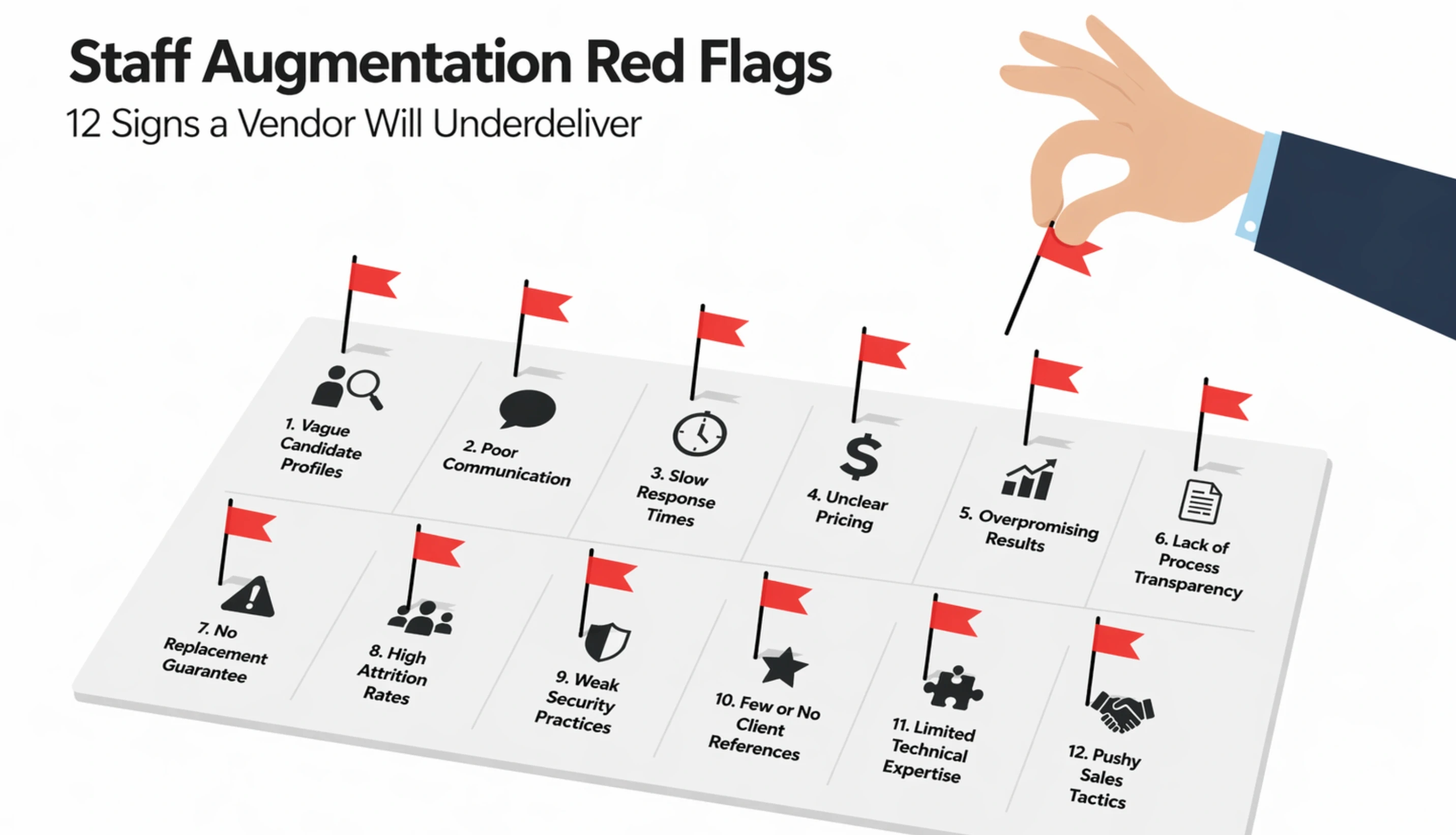
These 12 red flags appear before you sign, not after. Each one predicts a specific delivery failure. Spotting three or more in a single vendor is enough to walk away.
Most cost reduction attempts in software development cut quality alongside cost. These 7 strategies cut cost by removing waste, not capability. Real 2026 numbers included.
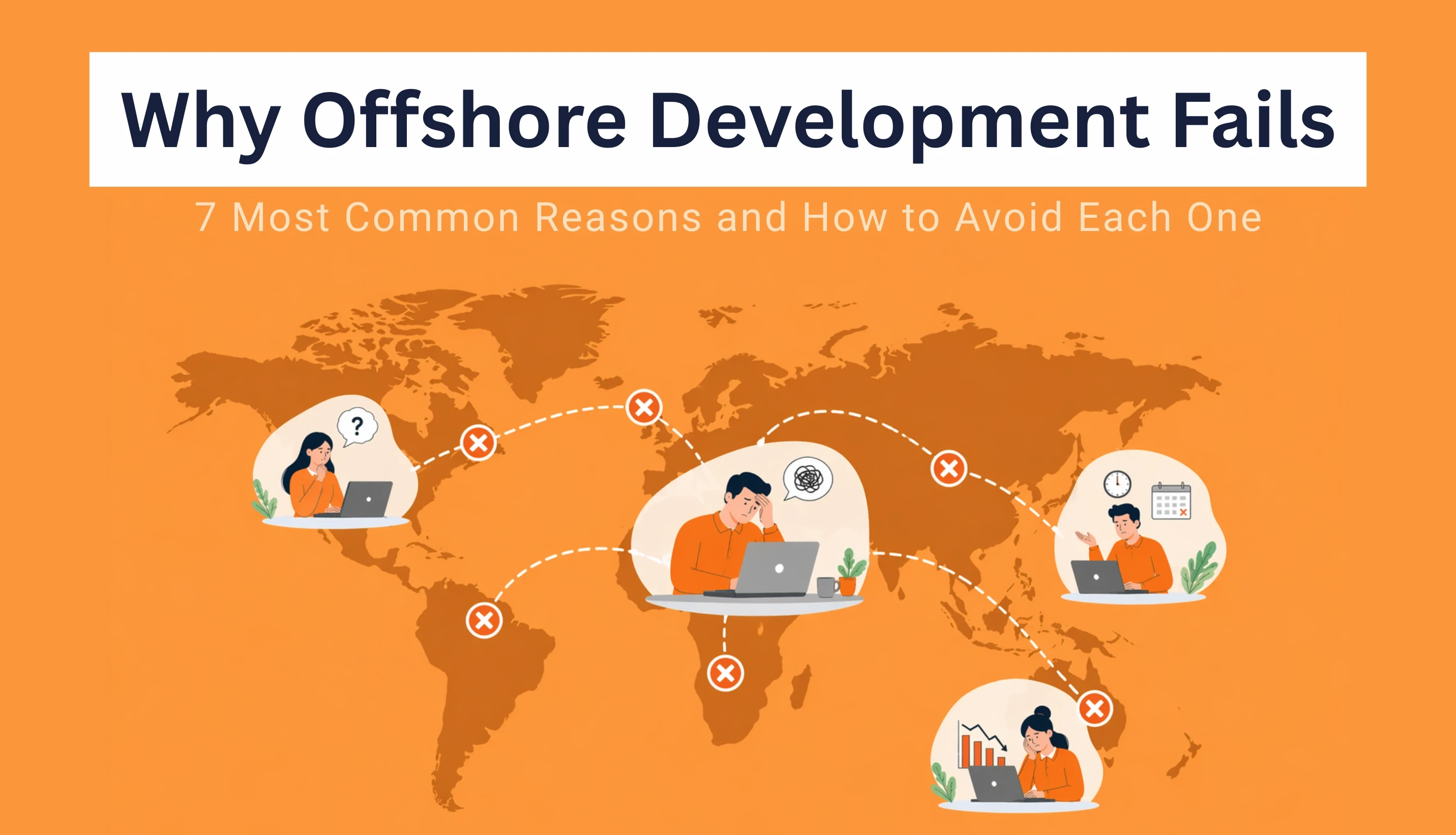
Offshore development fails for the same 7 reasons, repeatedly. None of them are about developer quality. All of them are about structure. Here is each one and the specific fix.
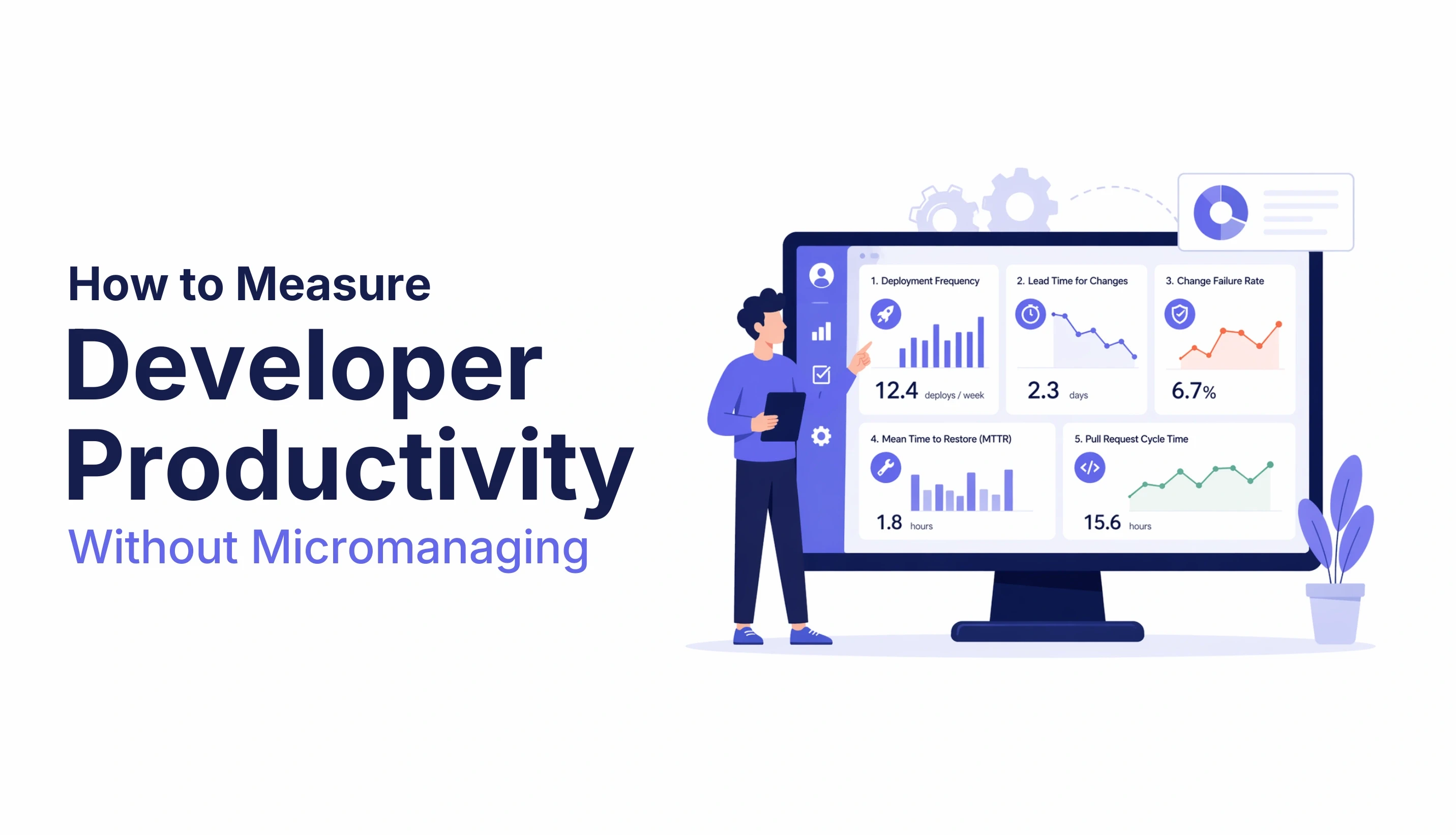
Most developer productivity metrics measure the wrong things. Lines of code is meaningless. Tickets closed rewards ticket inflation. Here are the 5 KPIs that measure what actually matters.

This article will provide a definitive comparison focusing on three critical areas freelancers often fail at for long-duration projects: Team Stability (Turnover Risk), Knowledge Retention (Bus Factor), and Cultural Integration (Alignment with Core Goals). It positions staff augmentation not just as a temporary fix but as a strategic partnership for sustained growth.




.webp "Why Staff Augmentation Beats Freelancers for Long-Term Projects")