Hire Python developers for AI agent projects in 2026: real salary data, LangChain/RAG skills checklist, engagement models, and the 3 hidden roles to watch for.

Python developer hiring trends 2026: fresh Q3/Q4 data on AI-skills premium, hiring velocity, attrition, role composition shift, and global demand patterns.

Python technical debt in 2026: diagnose it with SonarQube SQALE, price the remediation, and fix it through incremental refactoring not big-bang rewrites.
How dedicated Python teams lower 12-month delivery cost in 2026: velocity compounding, real month-by-month TCO math, and why cohesion beats freelancer variance.
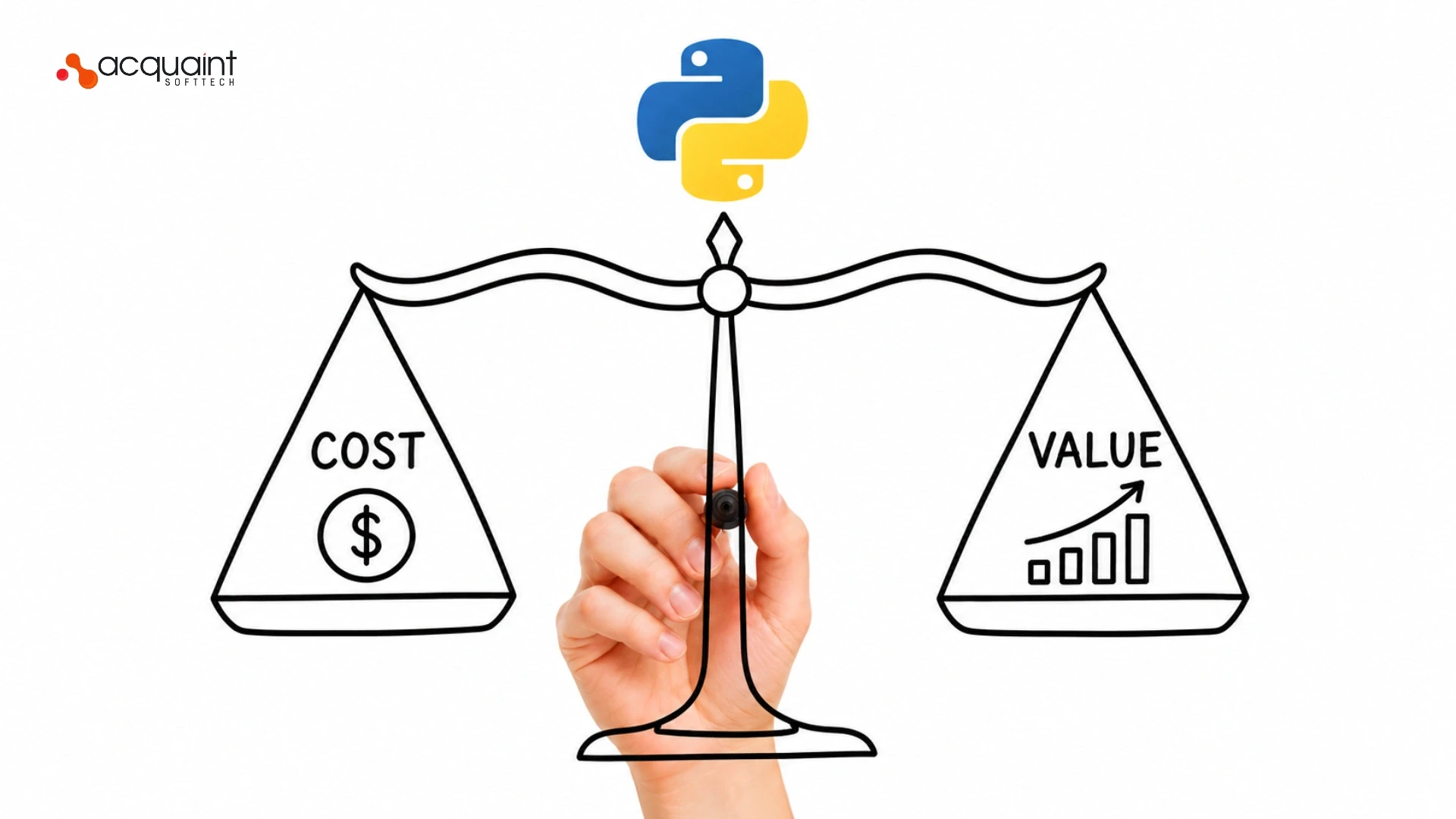
Cost vs value in Python development: why cheap hires fail, real 2026 TCO math, hidden rework and technical debt costs, and how vetted engagements save more.
Python in-house vs outsourcing true cost in 2026: fully loaded salary math, 3-year TCO comparison, hidden costs, and the hybrid model that most CTOs pick.
How to rescue a failed Python project in 2026: 7-step recovery framework, warning signs, rewrite vs rescue decision matrix, and the audit-first triage approach.
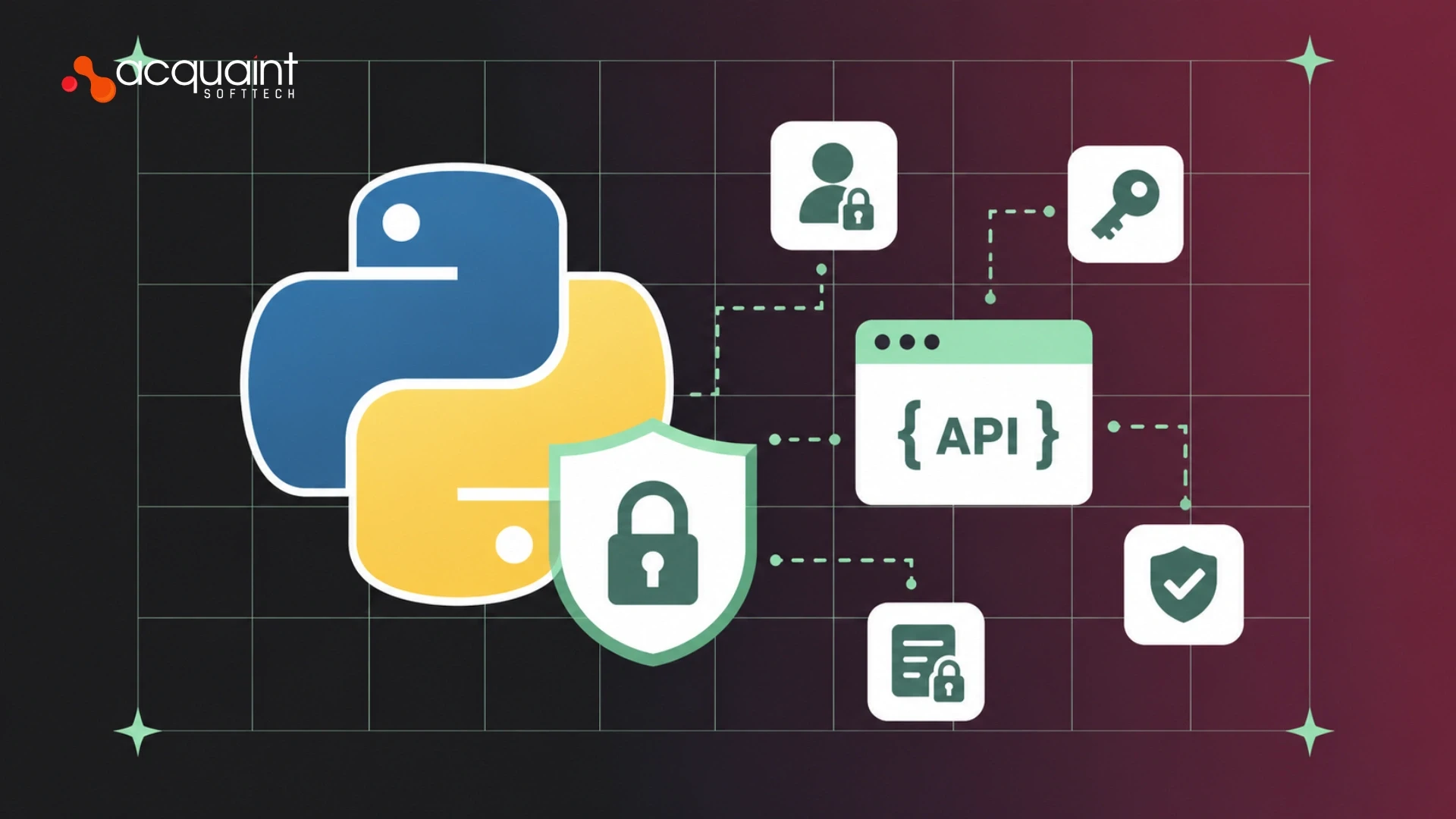
Python API security best practices 2026 aligned with OWASP API Top 10: authentication, authorization, rate limiting, secrets, and dependency security patterns.
How to vet a Python developer in 2026: the technical signals that actually predict production quality, interview framework, and red flags to reject on the spot.

.webp "How to Hire Python Developers for AI Agent Projects (2026 Guide)")


.webp "The True Cost of Building a Python Application In-House vs Outsourcing")