

Top E-Commerce & D2C Software Development Companies in 2027
Online retail is no longer a channel. It is the store. eMarketer forecasts worldwide retail e-commerce sales of US$7.38 trillion in 2027, a little over a fifth of everything people buy. For a direct-to-consumer brand, that money is won or lost in a checkout, a product page, and an inventory feed. This guide compares five teams that build them.
Picking the wrong partner rarely fails on launch day. It fails in your first big sale, when the cart slows down, stock goes out of sync, or a discount stacks in a way nobody tested. Whether you need an ecommerce development company to grow a D2C brand on Shopify, a team for marketplace development, or a custom store you fully own, start with the five below, beginning with our own eCommerce development company team.
Marketing Head








Our filters: proof, platform range, and what happens on sale day.
Every e-commerce agency shows a nice-looking homepage in its portfolio. We wanted to know what happened after that homepage went live, so we read the reviews behind the screenshots.
The starting point was Clutch's e-commerce developer rankings. From there, each company was scored on review volume (80+ verified Clutch reviews to qualify), the depth of its store and marketplace work, the platforms it covers, from Shopify and Magento to custom Laravel and React builds, measurable results reported by clients, and the type of brand it suits. Firms already listed in our other industry guides were left out, so every name here is new.
Six questions to ask any e-commerce developer.
A store looks finished long before it is ready to sell at volume. These questions show you how a team thinks about the parts shoppers never see.
What happens to checkout during a flash sale?
Ask how they handle thousands of shoppers paying at once: queues, caching, stock locks, and duplicate-click protection. If they have never load-tested a checkout, your Black Friday will be their test.
How do they keep stock and prices in sync?
D2C brands sell on their own site, marketplaces, and often in stores. Ask how the store talks to your ERP, warehouse, and POS, and what happens when two channels sell the last unit.
Hosted platform, open source, or custom?
A good partner will tell you when Shopify is enough, when Magento or Bagisto gives you more control, and when a custom or headless build pays off. One answer for every brand is a warning sign.
How do they measure speed and conversion?
Ask for real before-and-after numbers from past stores: load time, Core Web Vitals, conversion rate, and average order value. "Faster and better" without numbers is not evidence.
Can they build for marketplaces as well as stores?
Selling third-party products needs vendor onboarding, commissions, split payouts, and order routing. If marketplace development is on your roadmap, ask to see a live multi-vendor build.
Who looks after the store after launch?
Apps update, platforms change, and campaigns need new landing pages every month. Agree on maintenance, response times, and release windows away from your busiest sales days to minimize disruptions and protect revenue.
Five e-commerce developers, one table.
Ratings, budgets, rates, and the kind of store each team builds best, side by side.
Figures come from each company's public Clutch profile in November 2026 and may change. Confirm them on Clutch before you reach out. The order reflects overall fit for e-commerce and D2C builds, not the lowest rate.
Behind the ratings: what each team actually ships.
Each profile covers where the team is based, the store results its clients have reported, and the one thing we would check before signing.
Acquaint Softtech
Ahmedabad, India · Founded 2013 · 70+ developers
We rank ourselves first for one reason: most of our e-commerce work starts where a template stops. Brands come to us when the checkout breaks under a promotion, when stock drifts between the website and the warehouse, or when they want to open their store to other sellers. That is engineering work, not theme work, and it is where we spend our days.
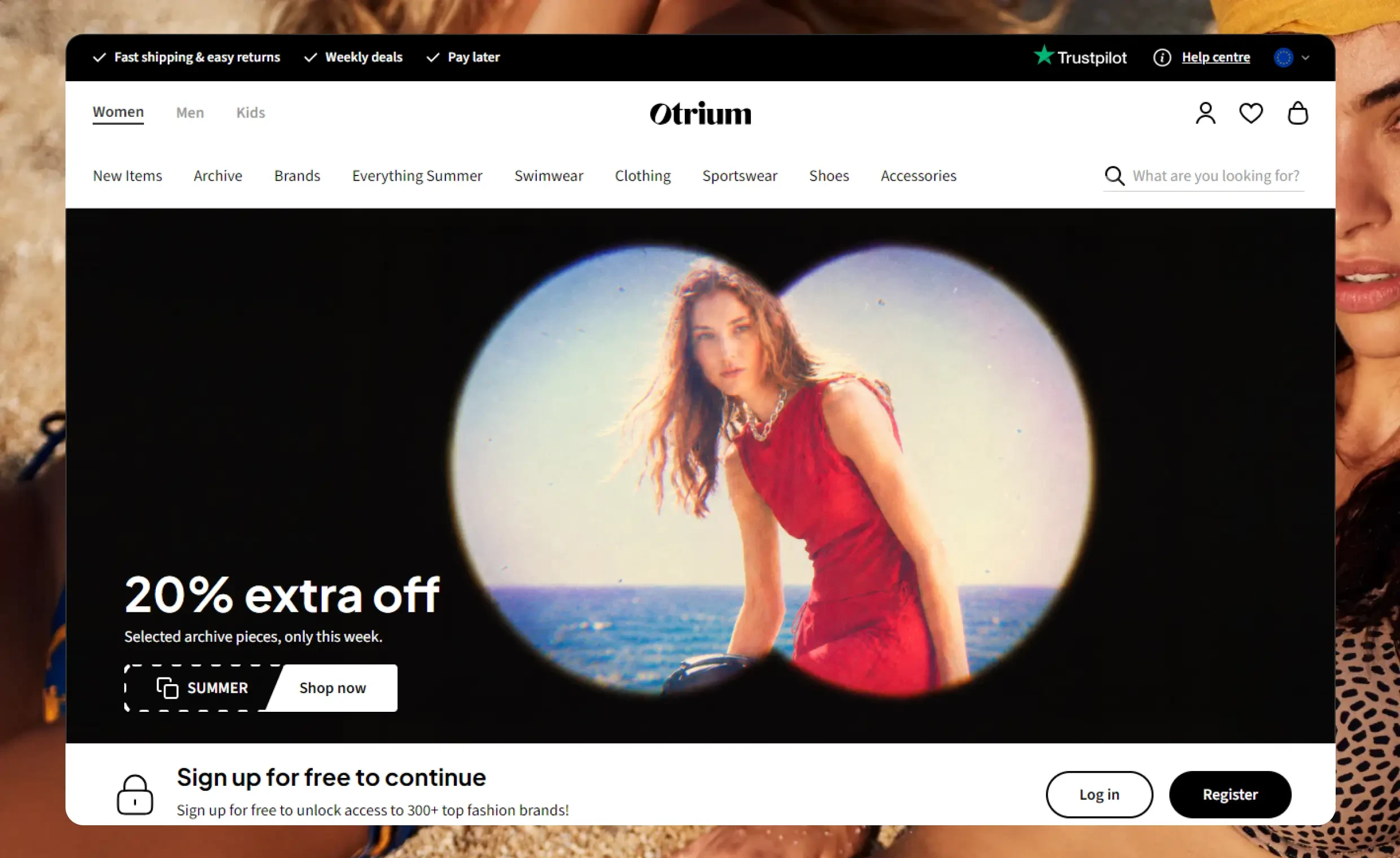
Our Laravel eCommerce development team turned a lifestyle brand's own store into a curated multi-vendor marketplace on Bagisto. It launched with 40 vendors and now runs 220+ of them, processing 15K+ orders a month with 99.96% uptime over 14 months. For Otrium, the Dutch off-price fashion platform, we rebuilt the checkout around a queue so orders are accepted instantly even in peak sales, which nearly eliminated duplicate charges.
As an official Bagisto partner, we also work as a Bagisto development company for D2C brands that want Shopify-style speed with full code ownership and no transaction fees on top of their payment provider.
Beyond the platform: Laravel, MERN, Python, and React Native engineers in one team, Shopify and WooCommerce experience alongside custom builds, ISO 27001-certified data handling, an NDA and full IP transfer from day one, engineers ready in 48 hours, a 5-day replacement guarantee, and a 4.9-star Clutch rating across 80+ reviews. Rates start at $22 per hour.
- ✔ Multi-vendor marketplaces with commissions, payouts, and order splitting
- ✔ High-traffic checkout, caching, and stock locking for sale days
- ✔ Bagisto, Laravel, headless React, Shopify, and WooCommerce under one roof
- ✔ NDA and 100% IP from day one, 5-day replacement guarantee
- •Your store has outgrown its theme and needs custom logic or integrations
- •You are adding a marketplace or B2B channel to a D2C brand
- •You want senior engineering on an offshore budget with agreed overlap hours
ITGeeks
Salt Lake City, UT, USA · Founded 2015 · 50 - 249 employees
No company on this list has more Clutch reviews than ITGeeks, and almost all of them come from Shopify store owners. The work ranges from new builds and redesigns to speed fixes, custom apps, and integrations. For Airetage, a hemp apparel brand, the team took a mobile homepage that loaded in about 18 seconds down to under four. For Precision Fly and Tackle, it synced roughly 20,000 SKUs between two sites, and the owner credits better inventory visibility with a 12% sales lift in one category.
Its framework list also includes Laravel, Node.js, React, and React Native, so it can go beyond theme edits into custom apps and mobile builds.
Worth checking: many reviews praise communication without giving measured results, one SEO client gave a 2.0 rating after a one-month project dragged on for six, and time-zone gaps sometimes slowed replies. Agree on milestones and reporting up front.
Rave Digital
Coral Springs, FL, USA · Founded 2008 · 250 - 999 employees
Rave Digital does nothing but e-commerce, split between Magento and Shopify, and its reviews come with numbers. For Bernie & Phyl's Furniture, it cut checkout from five steps to two and fixed more than 70 accessibility issues, followed by a reported 164% rise in purchase events and an average order value over $100 higher. It also built a hybrid B2B and B2C store for Jelly Belly that launched without downtime, and moved Machinery Partner's legacy marketplace to Adobe Commerce with 40% faster pages.
Its second office is in Indore, India, while project leadership sits in Florida.
The trade-off is price: at $100 to $149 an hour, it is the most expensive team here. A few clients also found discovery and early estimates slower or different from what they expected, so budget time for a proper scoping phase.
Coalition Technologies
Los Angeles, CA, USA · Founded 2009 · 50 - 249 employees
Coalition Technologies is the pick for brands whose store works but does not sell enough. Most of its effort goes into SEO and paid search, backed by web design and development on WordPress, Shopify, and BigCommerce, with Laravel, React, and Python in the stack. The Hamlet British Store reports more than 100% year-over-year online revenue growth after working with the team, and Wiring Specialties got a BigCommerce redesign with a mega menu and product option features, delivered on schedule.
With a $1,000 minimum, it is also the easiest way on this list to test a partner on a small project first.
Be careful with expectations: a couple of e-commerce clients saw traffic gains fade or fall short, and several reviewers mention slow responses and missed deadlines. It is stronger as a growth partner than as the builder of a complex platform.
VALMAX
Chicago, IL, USA · Founded 2019 · 10 - 49 employees
VALMAX is a small, design-led studio with offices in Chicago, Zürich, and Odesa and a perfect 5.0 rating across 100+ reviews. It pairs branding with Shopify and WooCommerce builds, using Next.js and React for custom front ends. For IDloop, a biometric scanner maker, it delivered a new brand identity and a store with role-based pricing, product variants, payments, and EU shipping. A gifting brand reported more than a 1,000% traffic increase shortly after its new site launched.
It suits a D2C founder who needs the brand and the store at the same time, on a budget.
Keep in mind: e-commerce is only about 10% of its work, and the most common project is under $10,000. The main criticism is planning, with one client noting the project ran without a firm roadmap or milestones. Ask for both before you start.
Stay on Shopify longer than you think. Then leave for the right reason.
Founder & CEO, Acquaint Softtech
A lot of founders arrive at our door wanting a custom store because Shopify "feels limiting". When we dig in, the real problem is usually a slow theme, too many apps, or a messy catalogue. Those are cheap to fix, and moving platforms will not fix them for you.
There are, however, three good reasons to leave a hosted platform. The first is fees: once your monthly app subscriptions and transaction fees add up to a developer's salary, ownership starts paying for itself. The second is logic your platform cannot express, like subscription rules, bundles, B2B price lists, or a checkout that does something your competitors' does not. The third is a marketplace. The moment you invite other sellers, you need commissions, payouts, and order routing that a single-brand store was never designed for.
If none of those apply, spend the money on product, photography, and speed. If one of them does, build on something you own, whether that is Bagisto, Magento, or a headless setup, and plan it around your next three years of growth, not your next campaign.
Choosing the right platform for your stage.
Most e-commerce decisions come down to one trade-off: speed to launch versus control later. Use this table to see where your brand fits today.
D2C store or multi-vendor marketplace?
They look alike to shoppers but are very different to build. Here is what each one needs on day one.
Single-brand D2C store
You sell your own products to your own customers.
Must-haves: fast product pages, checkout, subscriptions or bundles, reviews, email and SMS, and stock sync with your warehouse.
Hybrid D2C + B2B
The same catalogue sells to consumers and to trade buyers.
Must-haves: customer groups, price lists, quotes, bulk ordering, net terms, and ERP integration.
Multi-vendor marketplace
Other sellers list products on your platform, creating a shared marketplace.
Must-haves: vendor onboarding and KYC, commissions, split payouts, order routing, vendor dashboards, and dispute handling.
Before peak season: the store-readiness checklist.
Run through the left column at least six weeks before your biggest sale. The right column covers the features that turn a good season into repeat customers.
- ✔ Checkout load-tested at several times normal traffic
- ✔ Stock locked and synced across every channel
- ✔ Discount rules tested for stacking and edge cases
- ✔ Mobile product pages loading in under three seconds
- ✔ Payment fallbacks and clear error messages
- ✔ Monitoring and a named person on call
- •AI product recommendations and smart search
- •Subscriptions, bundles, and loyalty rewards
- •One-click upsells after checkout
- •Back-in-stock and price-drop alerts
- •Marketplace or B2B channel
- •Headless front end for content-rich pages
Stores and marketplaces we have built and scaled.
Four projects that show the hard parts of e-commerce: marketplaces, peak-traffic checkout, multi-channel stock, and large-retailer performance.
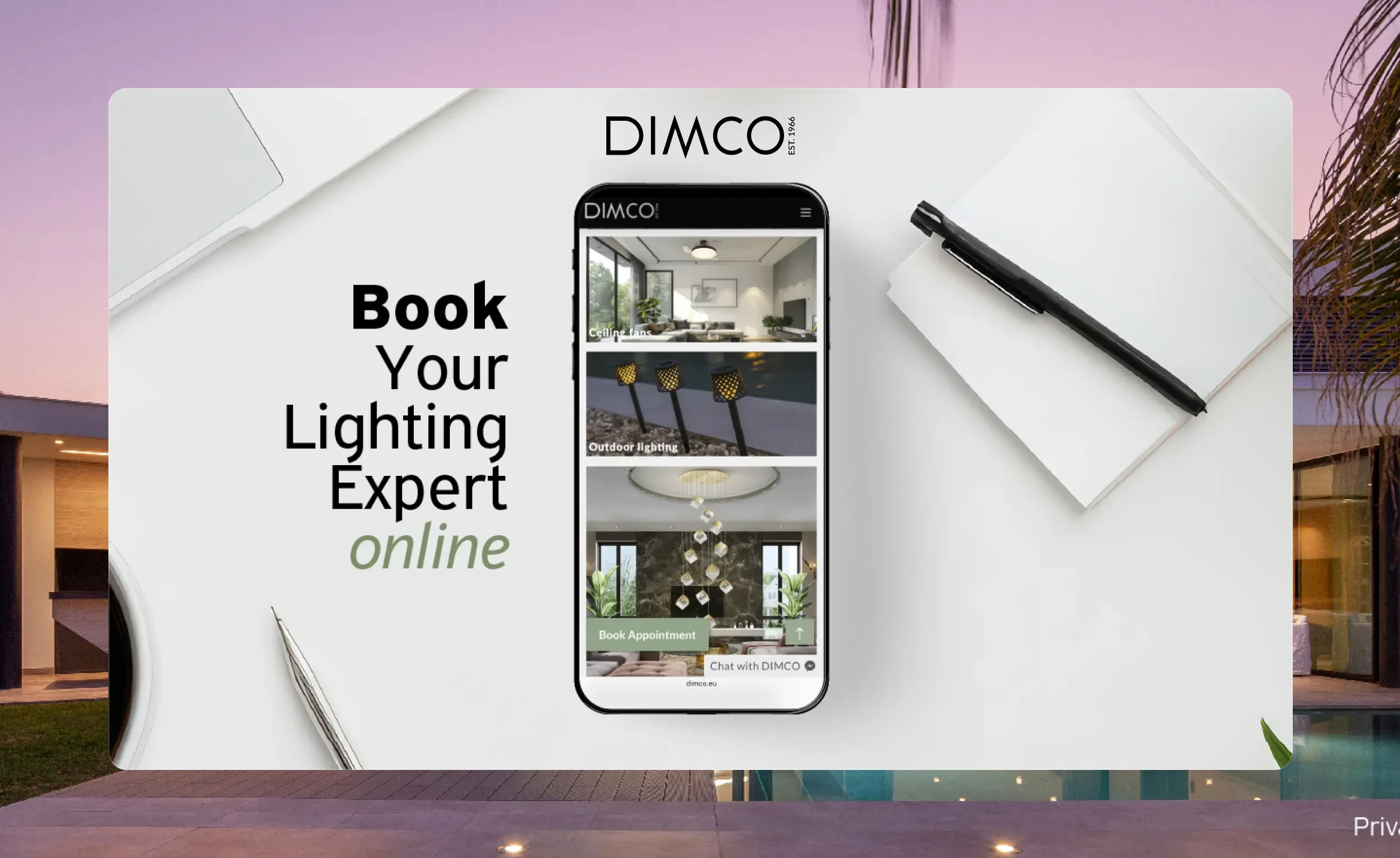
DIMCO sells lighting through physical stores and an online shop, and its storefront struggled with a large catalog, inventory mismatches, and campaigns that needed developers to launch. Acquaint Softtech rebuilt its e-commerce platform as a headless, mobile-first Progressive Web App with a centralized inventory API and a self-serve campaign system. Product pages became noticeably faster on mobile, and stock stayed consistent even through a seasonal promotion.
Luxury fashion moves fast; its technology must move faster. For Otrium, Acquaint Softtech didn't just provide top-notch eCommerce development. We engineered a high-performance engine for global retail disruption. Discover how we bridged the gap between premium brand experiences and massive-scale backend efficiency.
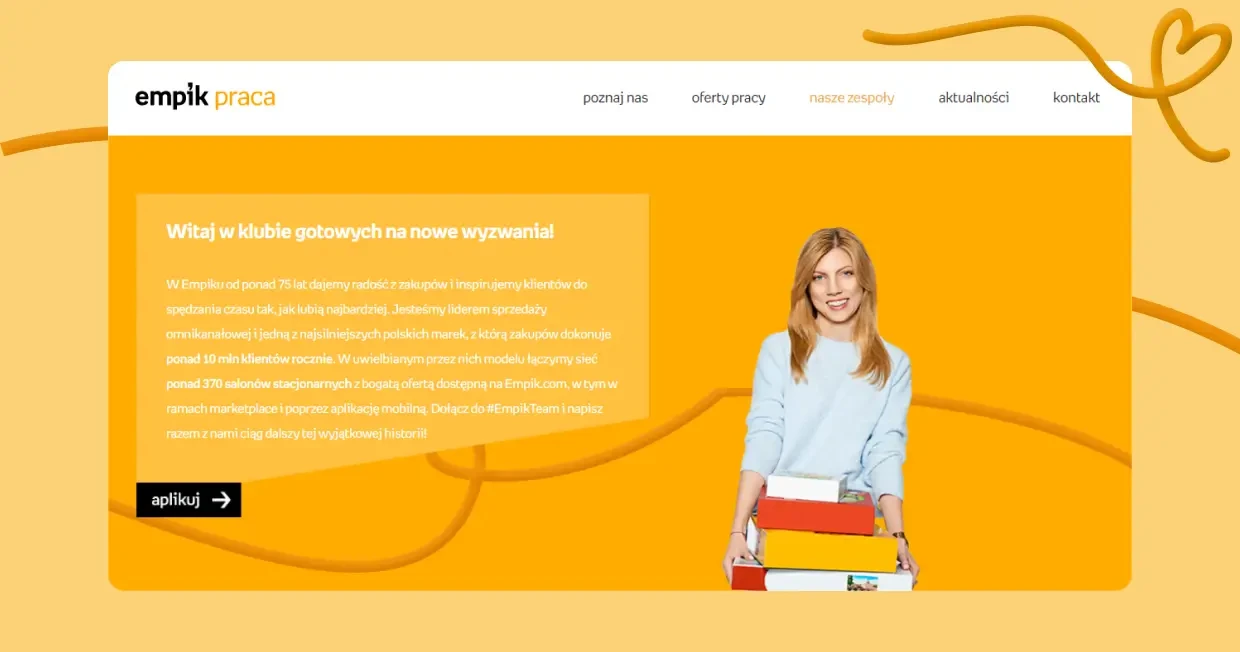
When Poland’s premier media and lifestyle retailer needed to scale, they didn’t just need a vendor; they needed a strategic engineering partner. Acquaint Softtech delivered a high-performance eCommerce ecosystem designed for massive traffic, seamless UX, and undisputed market leadership.
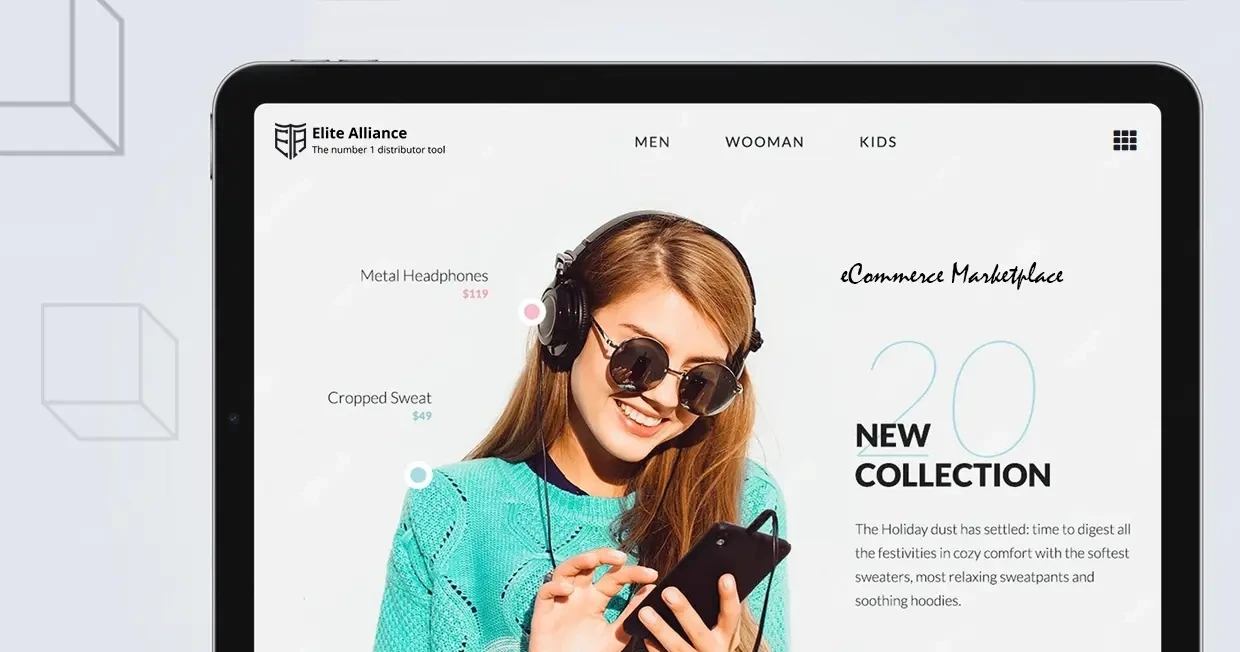
Develop a top-notch marketplace that is more than just buying & selling products. We develop the perfect solutions after extensive research and carefully choosing the best technologist suitable for your specific needs.
What Clients Say on Clutch & Upwork
Don't take our word for it. We hold 4.9 stars from 80+ verified Clutch reviews and a 98% success score across 1,300+ Upwork clients.


Why D2C brands and marketplace founders work with Acquaint Softtech.
Official Bagisto & Laravel Partner
Partner status with Bagisto, Laravel, Statamic, and Laravel News gives your store a well-supported, open foundation you fully own.
Built for Sale Days
Queue-based checkout, caching, and stock locks designed for the hour your traffic spikes, not just an average Tuesday.
Marketplace Engineering
Vendor onboarding, commissions, split payouts, and order routing proven on a marketplace with 220+ vendors.
Every Channel in Sync
ERP, warehouse, POS, shipping, and marketplace integrations that keep stock and prices consistent everywhere you sell.
Platform-Neutral Advice
Shopify, WooCommerce, Magento, Bagisto, or headless React: we recommend what fits your stage, even when it is the cheaper option.
Security & Ownership
ISO 27001-certified practices, secure payment flows, an NDA before kickoff, and full IP transfer from day one.
Direct Engineer Access
Talk to the engineers building your store, with one point of contact and no layers in between, ensuring faster communication and transparent project updates.
Fast, Flexible Start
Developers ready in 48 hours, a 5-day replacement guarantee, and rates from $22 per hour, with flexible hiring and transparent pricing.
Explore Our Vetted Company Rankings Across Industries
FinTech Software Development Companies
Top FinTech software development companies in the USA compared by Clutch ratings, hourly rates, and experience, for payments, lending, and wealth platforms.
PropTech Software Development Companies
Top PropTech software development companies compared by review depth, entry cost, and portfolio, for listing marketplaces, tenant portals, and real estate platforms.
SaaS Platforms Software Development Companies
Top SaaS platform software development companies compared by Clutch reviews, development costs, and portfolios for multi-tenant applications, subscription platforms, and scalable SaaS solutions.
HealthTech Software Development Companies
Top HealthTech software development companies compared by Clutch reviews, development costs, and portfolios for telemedicine apps, healthcare platforms, EMR/EHR systems, and secure medical software.
E-commerce and D2C development, answered.
-
How much does e-commerce development cost in 2027?
A Shopify store build or redesign usually costs $10,000 to $50,000. A custom or open-source D2C store with integrations typically runs $40,000 to $150,000, and a multi-vendor marketplace $80,000 to $300,000+.
-
What does an ecommerce development company charge per hour?
On this list, rates run from $25 to $149 per hour. Offshore teams such as Acquaint Softtech start at $22 per hour, while US agencies commonly charge $100 or more.
-
How long does it take to build a D2C store?
Plan 6 to 12 weeks for a Shopify launch, 3 to 5 months for a custom or headless store, and 4 to 8 months for a marketplace with vendor payouts.
-
Should a D2C brand use Shopify or a custom platform?
Start on Shopify while you prove demand. Move to an owned platform when fees, checkout limits, B2B needs, or a marketplace model start costing you more than the build.
-
Does Acquaint Softtech support stores after launch?
Yes. We provide monitoring, peak-season preparation, platform and app updates, new integrations, and ongoing feature work.
Marketing Head
India (Head Office)
203/204, Shapath-II, Near Silver Leaf Hotel, Opp. Rajpath Club, SG Highway, Ahmedabad-380054, Gujarat
USA
7838 Camino Cielo St, Highland, CA 92346
UK
The Powerhouse, 21 Woodthorpe Road, Ashford, England, TW15 2RP
New Zealand
42 Exler Place, Avondale, Auckland 0600, New Zealand
Canada
141 Skyview Bay NE , Calgary, Alberta, T3N 2K6