

Client Relationship Management for App Development Companies in 2026
For an app development company, client relationships are the cheapest source of growth, because keeping and re-engaging a client costs far less than winning a new one, and a happy client refers others. The practices that build them are clear communication, treating support and QA as part of the relationship rather than an add-on, acting on feedback, and handling price conversations professionally. The way to know it is working is to measure retention, repeat business, and referrals rather than to assume it.

Mukesh Ram
As the Founder and CEO at Acquaint Softtech, I will make the case for client relationships in the least sentimental way I can, because the sentimental version is the one nobody acts on. Winning a new client costs a great deal in sales effort, proposals, and discounting. Keeping one you already have costs a fraction of that, and a client who trusts you brings more work and refers others at no acquisition cost at all.
So the relationship is not a nicety layered on top of the real business; it is one of the most efficient growth channels the business has, and it is the one most software companies quietly neglect while chasing the next logo. Across our own software product development work, the engagements that lasted years began with the same unglamorous habits this article describes.

- You run or lead delivery at a software or app development company.
- You win projects, but they rarely turn into repeat work.
- Your clients go quiet after launch, and you are not sure why.
- You want referrals but do not have a reliable way of earning them.
- You dread the conversation when a client pushes back on price.
This rewrite keeps the four ideas the original got right, communication, support and QA as part of the relationship, acting on feedback, and handling price gracefully, and gives each one real substance instead of a sentence. It removes the parts that did not belong, corrects a section that was repeated word for word, and adds the piece the original was missing entirely, which is how you actually tell whether any of it is working.
Why Client Relationships Are Your Cheapest Growth

Keeping and expanding an existing client is far cheaper than acquiring a new one, which makes retention the highest-return activity in the business. This is the argument the original gestured at without ever putting numbers or mechanisms behind it.
The economics are well established across industries. Research summarised by Harvard Business Review has long shown that retaining customers is dramatically more profitable than winning new ones, because the cost of the sale is already paid and a trusting client buys more over time. In a services business, the effect is even stronger, since a satisfied client brings repeat projects and warm referrals that would otherwise cost a fortune in sales and marketing to generate.
For an app development company specifically, this compounds because software is never finished. An app needs maintenance, updates, and new features for as long as it lives, so a client relationship that survives the first launch becomes an annuity rather than a one-off, which is exactly why we treat support and maintenance services as the beginning of a relationship rather than the end of a project.
What a Customer-Centric Approach Actually Means
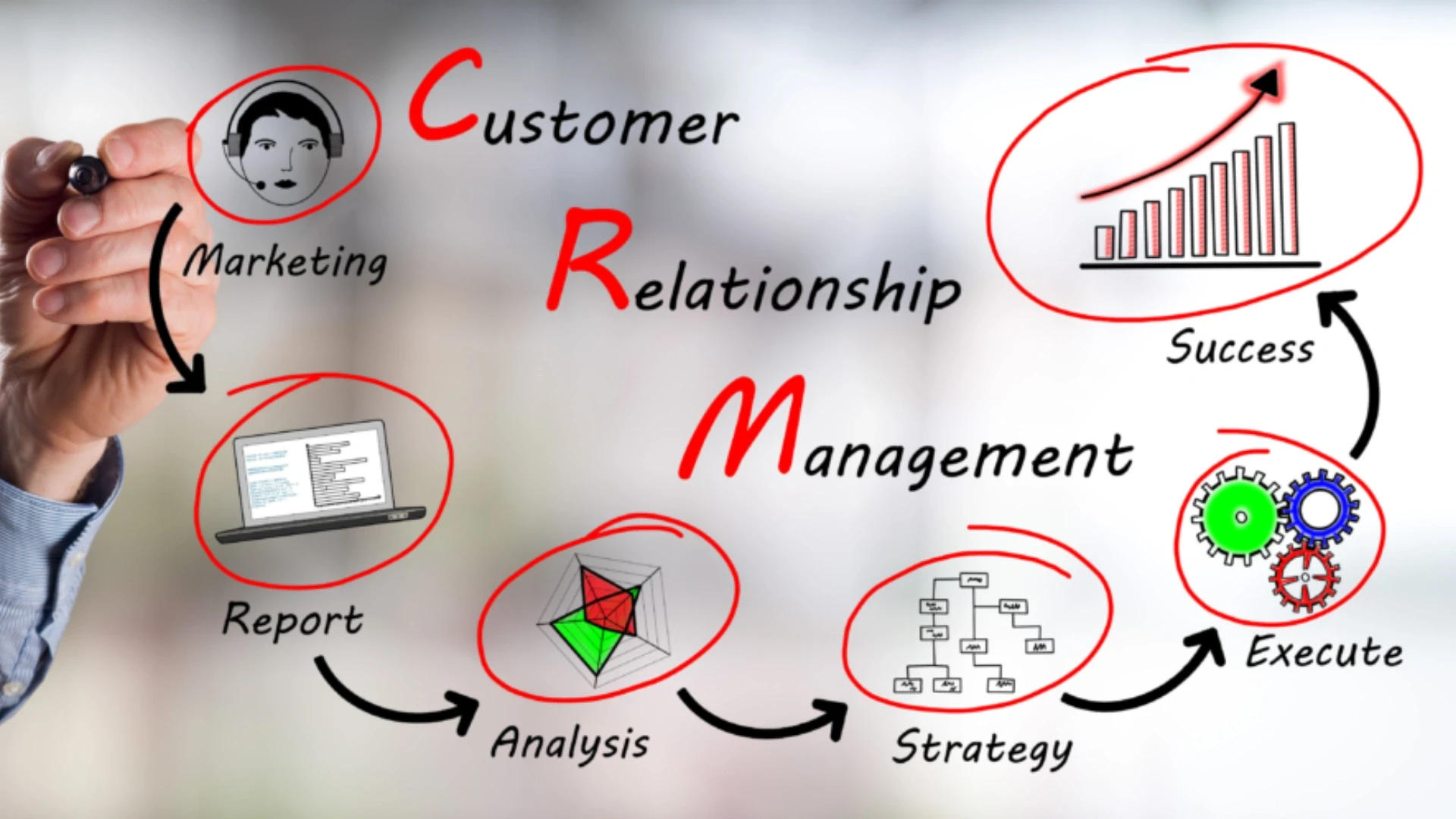
Being customer-centric means designing your delivery around what the client needs to succeed, not only around shipping the code they ordered. The right approach also involves having systems that help teams understand customer interactions, manage relationships, and respond to client needs efficiently. For businesses evaluating CRM platforms, exploring Attio alternatives can help them compare different solutions and find one that better fits their workflow, relationship-management needs, and customer engagement goals.
Every company runs the same visible tactics: marketing, brand, social media, search. Those win the first project. What decides whether there is a second one is whether the client felt understood, informed, and looked after while the work was done.
A customer-centric company treats the client's business goal, not the feature list, as the thing being delivered, and it stays engaged after launch because it knows that is where the relationship and the repeat business actually live. That is a posture rather than a campaign, and it cannot be faked for the length of a project.
The Practices That Build the Relationship
Four practices do most of the work, and the original named all four correctly. Here is what each looks like done properly rather than described in passing.
Communicate before you are asked
Poor communication is the single most common cause of a soured engagement, more than any technical failure. Give the client a predictable rhythm of updates, tell them about problems early and honestly rather than hiding them until a deadline, and make it easy for them to shape the work as it goes.
The Project Management Institute's research on effective communication ties a large share of project failure directly to communication rather than to capability. A client who always knows where things stand trusts you even when something goes wrong, and a client kept in the dark loses trust even when everything goes right.
Treat support and QA as part of the relationship
The original made a good and slightly buried point here. Quality assurance and post-launch support are not just technical services; they are the most visible proof that you care what happens after you are paid. A company that tests thoroughly and answers quickly after deployment signals that the relationship matters beyond the invoice, and that signal is worth more than any amount of marketing language about being customer-focused.
Act on feedback, visibly
Feedback is only valuable if the client sees it change something. Ask for it, close the loop by telling them what you did about it, and treat a complaint as information rather than an attack. As the original quoted, a client describing their good experience with you persuades far more than anything you say about yourself, and the way you earn that description is by demonstrably listening.
Be genuinely useful beyond the contract
The original's instinct to go beyond the transaction was right, though its example of harvesting birthdays for emotional marketing was not, and under modern data-protection expectations collecting personal details you do not need is a liability rather than a tactic.
The better version is professional generosity: a useful introduction, a piece of advice that helps their business, a heads-up about a risk they had not seen. Value freely given is remembered, and it costs nothing but attention.
Want clients who come back and refer others?
Book a free 30-minute call, and I will show you how we run communication, delivery, and support so that first projects turn into long relationships.
Handling Price Conversations Without Damage
How you respond when a client pushes back on price shapes the relationship as much as the price itself. The original made this point through an awkward anecdote; the principle underneath it is sound and worth stating cleanly.
A request for a discount is not an insult, and reacting to it with a change of tone, from warm to cold, does lasting damage even if the client stays. The professional response is to stay exactly as courteous as before and answer plainly. If you can flex on price, say how and why. If you cannot, explain what the price reflects and decline without apology or coldness. A clear, respectful no protects both the relationship and your margin, whereas a resentful yes poisons the work that follows.
Where price genuinely is the obstacle, the honest move is often to adjust scope rather than rate, delivering less for less rather than the same for less, which protects the value of your work while meeting the client's constraint. Structuring that conversation is part of what a good hire project manager does, and it is a skill that keeps relationships intact through the moments that usually strain them.
The Honest Limits of a Customer-Centric Approach
A customer-centric approach is necessary but not sufficient, and pretending it has no downsides weakens the case for it. The original claimed there was nothing to put in the demerit bag, which is not true and not convincing.
There are real limits. It cannot compensate for weak marketing, since you must win a client before you can keep one, so relationship work is the second stage rather than the first. It can tip into over-servicing, where the desire to please leads to unpaid scope creep that quietly erodes profit.
And being led entirely by client requests can produce worse outcomes than steering them, because clients hire you for judgement they do not have, and always deferring withholds the very expertise they came for. The strongest relationships involve honest disagreement when it is warranted, not unlimited agreement, and a company that only ever says yes is not being customer-centric but customer-fearful.
How to Measure the Relationship
A relationship you cannot measure is a relationship you are guessing about, and three numbers tell you most of what you need. The original offered no way to tell whether any of its advice worked, which is the gap that let it stay abstract.
Metric | What it tells you | When it improves |
Retention rate | Whether clients stay | Delivery and trust hold up |
Repeat and expansion revenue | Whether they buy again | Relationship outlasts the project |
Referral rate | Whether they recommend you | You exceeded, not just met |
Track these over time against your own history rather than an external benchmark, because your trend is what matters. Retention that is climbing means the work above is paying off; retention that is flat or falling means something in delivery, communication, or support needs attention before it costs you a client.
A short, honest post-project review, asking what you would do differently and whether they would work with you again, gathers most of this at almost no cost, and the answers are usually more candid than any formal survey.
Proof: Relationships That Lasted Years
The real evidence for this approach is not testimonials but engagements that lasted, because a client only stays if the relationship works. Here is one from our own record.
Client: Ailleron, banking technology, Krakow Ailleron engaged Acquaint Softtech to consolidate scattered reporting into a centralised data warehouse with BI and compliance dashboards. It was not a one-off build but a sustained engagement requiring close communication with a regulated business that had to trust the team with sensitive systems. Result: around 200 hours a week saved, report creation cut from four days to one, and a 5.0 out of 5 rating on Clutch, which is the kind of score a client gives only when the relationship, not just the code, worked. |
The wider record says the same thing at scale, and it is verifiable rather than asserted: 1,300+ delivered projects across 13+ years, 95% on-time sprint delivery, an average engineer tenure beyond 24 months, and 4.9 out of 5 across verified Clutch reviews.
The tenure figure matters more than it looks, because clients feel the difference between a stable team that knows their product and a rotating cast that has to relearn it every quarter. Our case studies and client testimonials cover the long engagements specifically, since a relationship is only proven by time.
Work with a team that treats your project as a relationship
Book a free 30-minute call, and I will introduce the people who would work with you and how we keep clients for years, not one project.
What Losing a Client Costs
The cost of a poor relationship is not the one project you lose; it is the lifetime of work and referrals that leaves with it. This table prices the relationship against its absence.
The failure | What it really costs | The practice that prevents it |
Client does not return | All future work from them | Communication and support |
Client does not refer | A whole channel of warm leads | Exceeding, not just meeting |
Won on price, lost on delivery | The margin and the reputation | Honest scope and pricing |
Silent dissatisfaction | A client who leaves without warning | Measuring and acting on feedback |
Over-servicing to please | Profit eroded quietly | Honest limits and clear scope |
The first two rows are the expensive, invisible ones. A lost client is not a single missed invoice; it is every project they would have brought over the following years and every peer they would have recommended you to.
Because that cost never appears on a statement, it is chronically underestimated, and the relationship work that would have prevented it is chronically underfunded. Spending attention here is among the highest-return investments a services business can make.
Where your delivery team sits | Senior rate | What relationship work adds |
New York, USA | USD 110 to 200 / hour | Time to communicate and support |
United States (national) | USD 90 to 170 / hour | Same, at high cost per hour |
Australia | AUD 110 to 200 / hour | Same |
United Kingdom | GBP 65 to 130 / hour | Same |
Europe (EU) | EUR 70 to 140 / hour | Same |
India (Acquaint Softtech) | USD 25 to 49 / hour | Affordable to do properly |
The rate column changes what relationship work is affordable. Generous communication, thorough support, and post-launch attention all take time, and at onshore rates that time is expensive enough that companies quietly cut it, which is exactly how relationships erode.
At offshore rates, the same care is affordable to deliver properly, which is one reason a well-run dedicated team can sustain the attentiveness that keeps clients for years. For how this fits a wider budget, our guide to web application development cost sets out the surrounding figures.
Turn first projects into long relationships
Book a free 30-minute call, and I will scope your project and show you how our delivery, communication and support keep clients coming back.
Frequently Asked Questions
-
Why are client relationships important for an app development company?
Keeping a client costs far less than winning one, and a trusting client brings repeat work and referrals. Since software needs ongoing maintenance, that relationship becomes recurring revenue.
-
What does a customer-centric approach mean?
Designing your delivery around what the client needs to succeed, not only around shipping the code they ordered, and staying engaged after launch, where the relationship and repeat business live.
-
What is the most common cause of a soured client relationship?
Poor communication, more than any technical failure. A client kept informed trusts you even when something goes wrong; one kept in the dark loses trust even when everything goes right.
-
How should I handle a client asking for a discount?
Stay as courteous as before and answer plainly. Flex if you can and explain why; decline without coldness if you cannot. Often the right move is adjusting scope rather than rate.
-
What are the downsides of being customer-centric?
It cannot replace marketing; it can tip into unpaid over-servicing, and always deferring to clients withholds the judgement they hired you for. The best relationships include honest disagreement.
-
How do I measure client relationships?
Track retention rate, repeat and expansion revenue, and referral rate over your own history. A short, honest post-project review gathers most of this at almost no cost.
-
Is it worth collecting client birthdays for marketing?
No. Collecting personal data you do not need is a liability under modern privacy expectations. Professional generosity, useful introductions, and honest advice build far more goodwill.
-
How much does losing a client actually cost?
Far more than one project. It is every future engagement they would have brought and everyone they would have referred, a cost that never appears on a statement and so is underestimated.
-
How do I get more client referrals?
Exceed expectations rather than merely meeting them, then make it easy and natural for happy clients to recommend you. Referrals follow a genuinely good experience, not a request alone.
-
Does support and QA really affect the client relationship?
Yes. Thorough testing and fast post-launch support are the clearest proof that you care what happens after payment, which builds more trust than any marketing claim about being customer-focused.
I love to make a difference. Thus, I started Acquaint Softtech with the vision of making developers easily accessible and affordable to all. Me and my beloved team have been fulfilling this vision for over 15 years now and will continue to get even bigger and better.
Table of Contents
Get Started with Acquaint Softtech
- 13+ Years Delivering Software Excellence
- 1300+ Projects Delivered With Precision
- Official Laravel & Laravel News Partner
- Official Statamic Partner
Related Blog
Rome Was Not Built in a Day: The Journey to Developing a Unicorn SaaS
Building a unicorn SaaS company is a marathon, not a sprint. Just like Rome, great products aren’t built overnight. From refining your MVP to scaling for growth.
Mukesh Ram
September 26, 2024
10 Must Follow Steps of Mobile App Development Process
The mobile app development process is a structured set of 10 steps that moves an idea from concept to a published app: ideation, target audience and monetization, choosing the platform, UI/UX design, picking tools, choosing the right partner, fast development, testing and deployment, marketing, and post-launch maintenance. Following the steps in order, rather than rushing to publish, is what separates apps that get downloads from the ones that get ignored.
Mukesh Ram
July 29, 2019
Bootstrap vs Material
Develop a state-of-the-art solution by picking the best technology after reading more about Bootstrap and Material UI

Shivang P
September 4, 2023India (Head Office)
203/204, Shapath-II, Near Silver Leaf Hotel, Opp. Rajpath Club, SG Highway, Ahmedabad-380054, Gujarat
USA
7838 Camino Cielo St, Highland, CA 92346
UK
The Powerhouse, 21 Woodthorpe Road, Ashford, England, TW15 2RP
New Zealand
42 Exler Place, Avondale, Auckland 0600, New Zealand
Canada
141 Skyview Bay NE , Calgary, Alberta, T3N 2K6