Understand how generative AI influences software development: benefits, limitations, and how it augments the skills of developers. Learn how Acquaint Softtech utilizes AI to derive efficient software solutions.

Leverage Node.js for IoT projects to benefit from its event-driven architecture, ensuring efficient and scalable solutions in modern applications.
Building an app like Uber Eats means creating a multi-sided ecosystem of four interfaces: a customer app, a delivery driver app, a restaurant dashboard, and a central admin panel. A custom-coded MVP typically costs $75,000 to $120,000 (much less with no-code tools), and success depends on smart market positioning, core feature implementation, and US legal compliance. The proven path is to pick a niche, handle legal requirements, choose your build approach, ship a focused MVP, then test rigorously.
Yes, React Native autolinking was officially introduced in version 0.60, released by the React Native team in July 2019. The 0.60 line (latest patch v0.60.6) brought monumental shifts: autolinking of native modules, full AndroidX migration, optional Hermes on Android, CocoaPods by default for iOS, and Lean Core removals (WebView, NetInfo, Geolocation moved to community packages).
Cryptocurrency application development involves building blockchain-powered digital tools, wallets, exchanges, portfolio trackers, and decentralized apps (dApps), that let users store, trade, and manage crypto assets securely. In 2026, the biggest shift is from basic price trackers to secure, compliant, real-time platforms with audited smart contracts. A typical build costs about $30,000 for a wallet MVP up to $150,000+ for a full exchange, over a 3- to 9-month timeline.
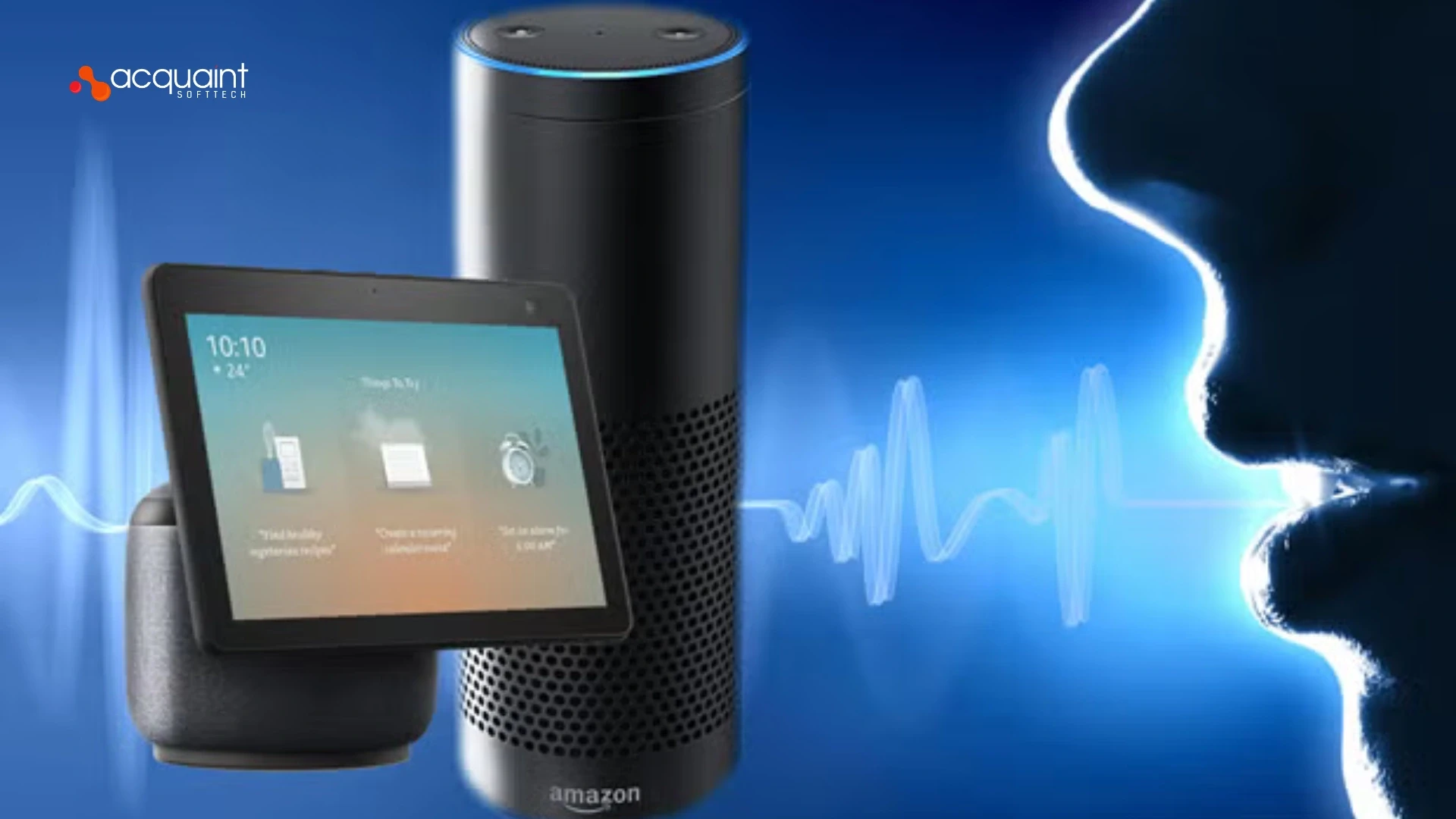
Voice application development builds software interfaces controlled primarily or entirely by human speech, using Voice User Interfaces (VUIs), Speech-to-Text (STT), Large Language Models (LLMs), and Text-to-Speech (TTS). In 2026, the biggest shift is from simple voice search to real-time voice AI agents that understand, reason, and reply in under a second.
To create an app like Instagram, you build user profiles, a photo and video feed, uploads, following, likes, comments, messaging and notifications, on top of infrastructure that can store and serve media at scale. A basic version starts around USD 40,000 and a serious one runs well into six figures. The honest advice in 2026 is not to clone Instagram, which you cannot out-compete, but to serve a specific niche it does not, because that, not the feature list, is what decides whether the app succeeds.
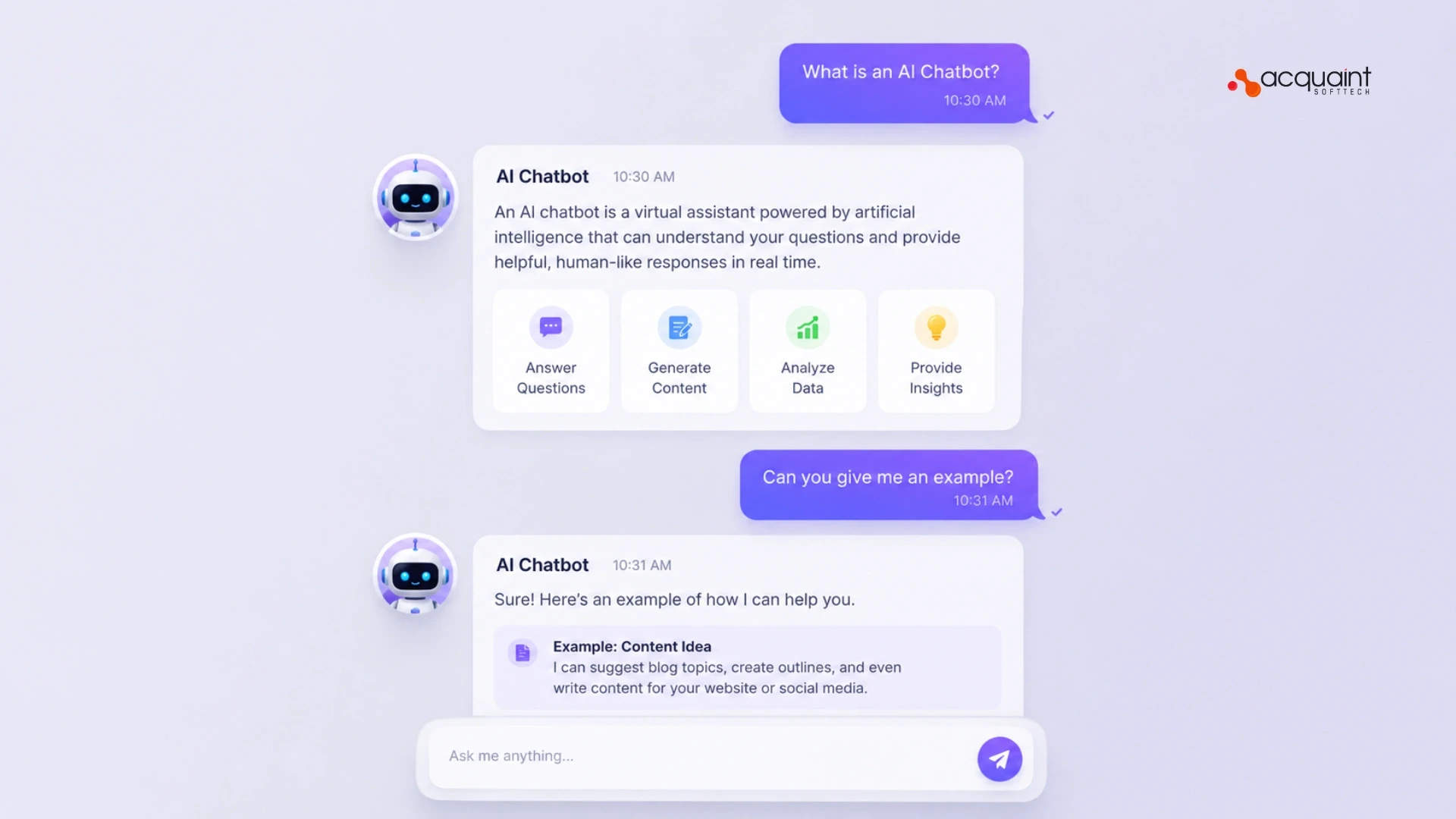
An AI chatbot is software that holds a conversation in natural language and answers questions or completes tasks for a user. There are three kinds: rule-based bots that follow a script, older AI bots that match intent, and modern chatbots built on large language models, which is what most people now mean by an AI chatbot. Modern bots understand free-form questions and generate answers, but they can also be confidently wrong, so the key to a reliable one is grounding it in your own trusted information rather than letting it improvise.
Google shut down the consumer version of Google+ on 2 April 2019, after disclosing a software bug that had exposed the private profile data of users to third-party developers. Low engagement made the platform hard to justify keeping, and the security flaw made it a liability. The lasting lesson is not about Google+ itself but about platform risk: any business that builds on a service it does not control can lose that service on someone else's schedule, so the durable protection is owning your own data and core systems.

.webp "How To Create an On-Demand Food Delivery App Like Uber Eats (2026 USA Guide)")
.webp "Exciting Features of React Native 0.60: Autolinking, CocoaPods & AndroidX (2026 Update)")