

The Future of On-Demand Apps 2026-2030: Trends, Predictions, and What to Build Now
The future of on-demand apps from 2026 to 2030 is shaped by six forces: AI becoming the operating layer, super apps bundling services, autonomous delivery and mobility, hyper-personalization, evolving gig-work models, and embedded finance. Platforms that invest now in AI-ready data and modular architecture will lead; those that delay will be priced out.

Mukesh Ram
The next generation of on-demand apps will not win because they copy Uber or Urban Company. They will win because they anticipate what customers expect next: smarter AI, faster fulfillment, personalized experiences, and more efficient marketplaces. The challenge is building for the future without wasting resources on hype, balancing innovation with proven demand so your platform stays relevant not just in 2026, but for years to come.
This report provides that reading. It lays out the future of on-demand for 2026 and the on-demand trends to 2030, then translates them into action. The direction is backed by data: workforce and technology research, such as the World Economic Forum Future of Jobs report, documents how AI and platform work are reshaping entire labour markets, the current trend that on-demand platforms are riding.

- You want to know where on-demand is heading through 2030.
- You are deciding what to invest in or build next.
- You want to future-proof a platform you are planning now.
- You need to understand how AI will reshape the gig economy.
- You are choosing a partner to build next-generation on-demand.
As the Founder and CEO of Acquaint Softtech, I have spent 13+ years watching the on-demand model evolve and building the platforms behind it, through full-cycle software product development for clients across the USA, UK, Europe, Australia, and New Zealand. The predictions below are shaped by what we are already being asked to build today. If you want the foundational context first, this guide to On-Demand App Development, which covers the architecture and verticals these trends will reshape. Read on for where on-demand is heading, and what to do about it now.
The State of On-Demand in 2026
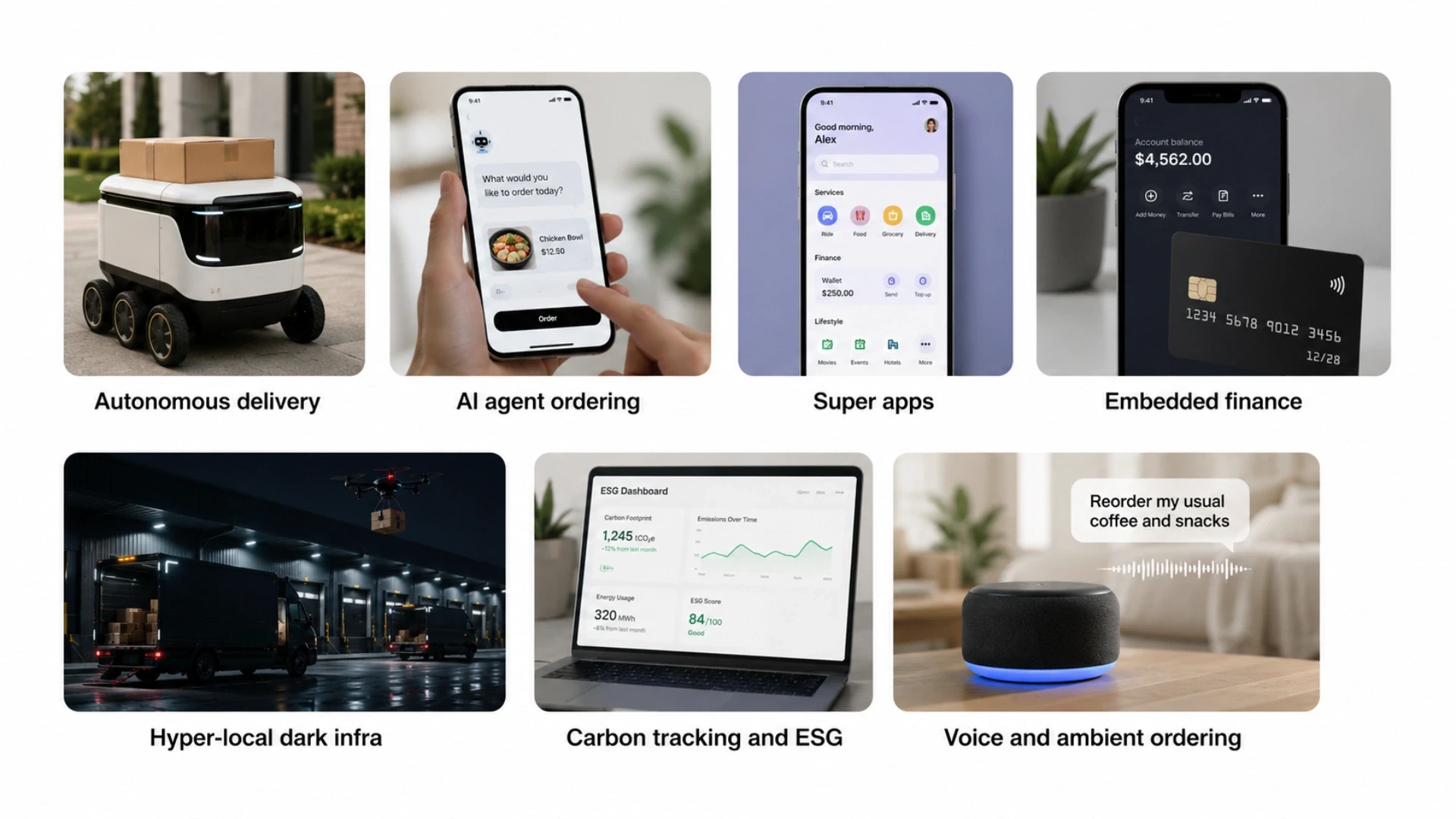
On-demand in 2026 is no longer the frontier; it is the baseline expectation. Consumers across mature markets assume that almost any service can be summoned through an app, and the competition has moved from who offers it to who runs it best. Acquaint Softtech sees this shift firsthand, building platforms that compete on operational excellence rather than novelty with MERN stack developers who optimize mature marketplaces for efficiency and scale.
The economics have hardened too: the easy growth of grabbing new categories has given way to the harder work of profitability, retention, and margin. Winning now means lower cost per transaction, higher repeat usage, and tighter operations, which is precisely where the next wave of technology pays off. Running these mature platforms well is the kind of sustained engagement a dedicated software development team is built for.
Understanding the maturity of established categories is the starting point for predicting the next phase, because the future builds on the structures that already work. The on-demand home services app development guide captures the mature shape of one such vertical, the kind of foundation the coming forces will reshape rather than replace.
Force 1: AI Becomes the Operating Layer
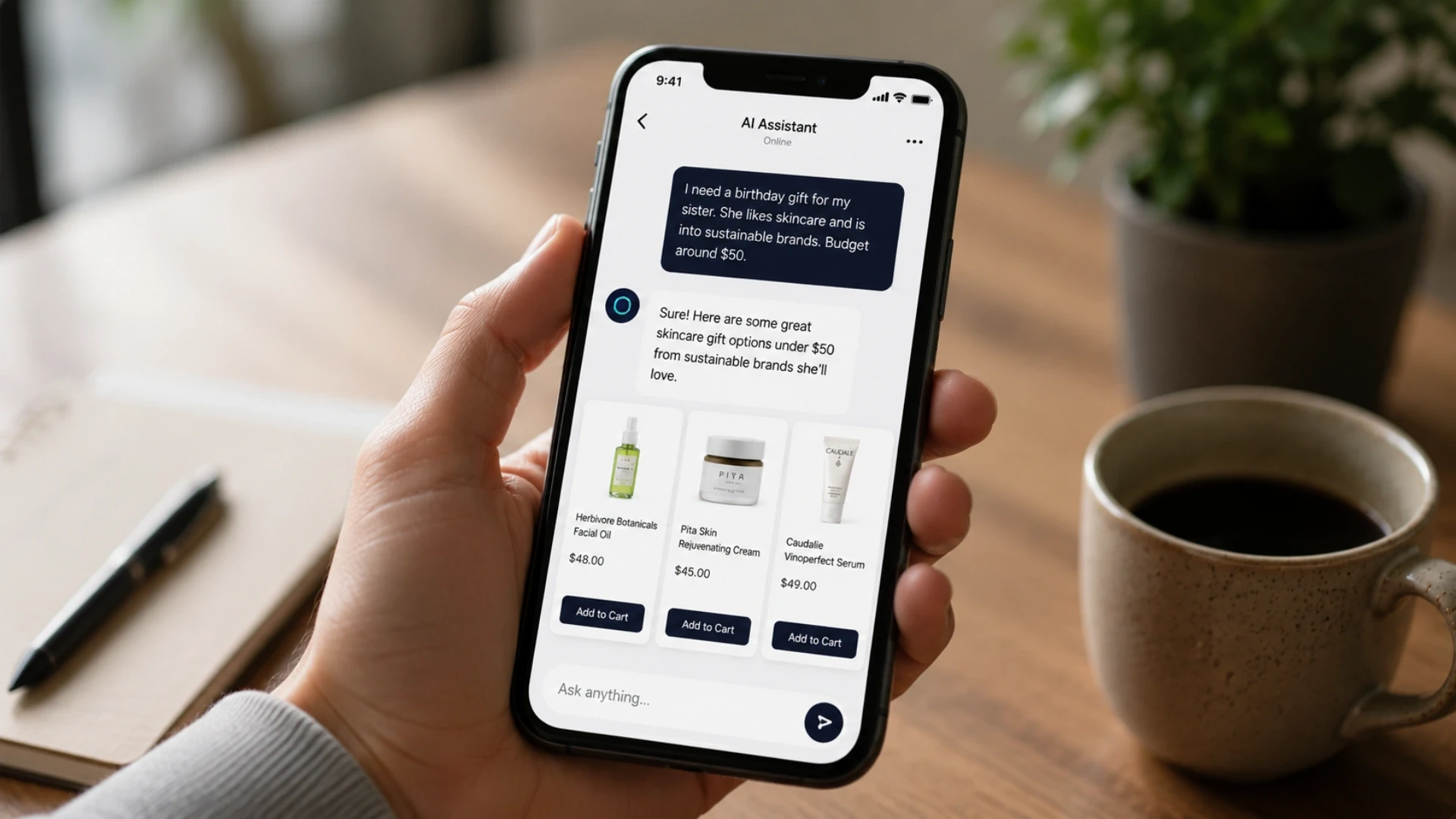
Between 2026 and 2030, AI shifts from a feature inside on-demand apps to the layer that runs them, deciding matches, prices, routes, fraud checks, and support automatically. The platforms that win will treat AI as core infrastructure, built on clean data, rather than as a bolt-on, making intelligence the default in every decision the system makes.
The single biggest force shaping how AI will change the gig economy is AI moving from an add-on to the operating layer of the platform. By 2030, the routine decisions a marketplace makes- who to match, what to charge, which route to take, whether to trust a transaction, will be made by models by default, not by static rules. Acquaint Softtech builds this intelligence core through dedicated AI development services that put models at the centre of the platform.
This is a structural change, not a feature race, because an AI-native platform is architected differently: it captures data for learning from day one, serves predictions in real time, and improves continuously. Retrofitting that onto a platform built for rules is far harder than designing for it now, which is why the investment timing matters. Building this capability well is the work of specialist AI and ML engineers who design models as living systems.
The broader technology trend is unambiguous: analysts tracking enterprise priorities place AI at the centre of the next decade of software. Research such as Gartner's top strategic technology trends consistently identifies AI and automation as the defining forces, a signal that on-demand platforms treating AI as optional will fall behind those treating it as foundational.
Force 2: Super Apps and the Bundling of Services
Super apps bundle many on-demand services rides, food, payments, groceries, into one app with a single account and wallet. Through 2030, more platforms will expand from a single service into adjacent ones to raise lifetime value and lock in users. The winners will be those whose architecture lets them add services without rebuilding.
One of the clearest super app trends is the move from single-service apps toward bundled ecosystems, where one app handles rides, food, groceries, payments, and more. The logic is retention and lifetime value: a customer who uses five services through one account is far harder to lose than one who uses a single service. Acquaint Softtech builds these expandable, multi-service platforms with MEAN stack developers who design for adding services without rebuilding the core.
The barrier is architectural, because bolting new services onto a single-purpose app usually fails; super apps need a modular foundation, a shared identity, wallet, and service layer, designed for expansion from the start. Platforms that planned for this scale gracefully into ecosystems, while those that did not stall. Extending a platform into new services without disruption is delivered through flexible software development outsourcing that adds capacity as the ecosystem grows.
The bundling instinct often starts from a strong single service, frequently food or delivery, then expands outward. The guide on how to create an on-demand food delivery app like Uber Eats describes the kind of anchor service that, built on the right foundation, can grow into a multi-service super app over the coming years.
Want a Platform Built for the Next Five Years, Not the Last?
Acquaint Softtech designs AI-ready, modular architectures that expand into new services and scale without rewrites. 1,300+ projects delivered across 20+ industries. Teams deployable within 48 hours of brief.
Force 3: Autonomous Delivery and Mobility
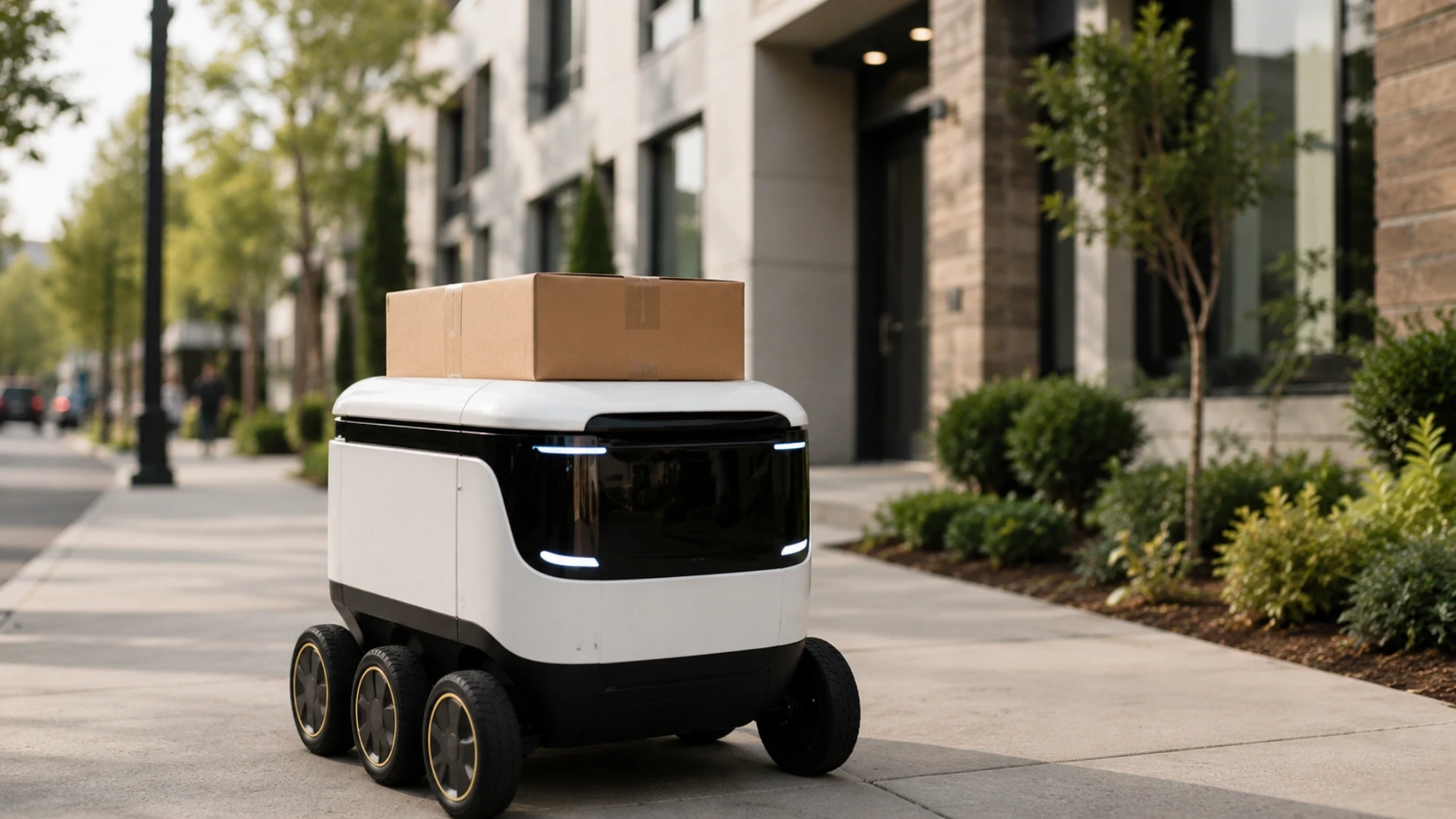
Autonomous delivery and mobility, drones, sidewalk robots, and self-driving vehicles will move from pilots to selective real-world use between 2026 and 2030. They promise lower delivery cost and new service models, but adoption will be gradual and regional. Platforms should design now for a mixed fleet of human and autonomous providers rather than betting on a single mode.
The prospect of AI and autonomous vehicles in on-demand captures the most attention, and rightly so, because autonomy attacks the highest cost in delivery and mobility: the human driver. Through 2030, expect drones, sidewalk robots, and self-driving vehicles to move from trials into selective real-world routes, unevenly across regions and regulations. Acquaint Softtech helps platforms prepare for this shift with Python developers who build the data and control systems autonomous logistics depend on.
The pragmatic prediction is not full autonomy everywhere by 2030, but a mixed fleet: human and autonomous providers operating side by side, with the platform routing each job to the right one. Designing the dispatch layer to treat an autonomous unit as just another provider type is the forward-looking move, and integrating these systems is the work of automation engineers who connect robotic and software systems reliably.
Autonomy will land first in structured delivery and last-mile logistics, where routes are predictable, and stakes are lower than in passenger mobility. The breakdown of the cost to develop an on-demand courier services app describes the last-mile delivery layer that autonomous units will increasingly augment, and that platforms should architect to accommodate.
Force 4: Hyper-Personalization and Predictive Demand
By 2030, on-demand apps will anticipate needs rather than wait for requests, using AI to personalize offers, predict what each user wants, and position supply before demand appears. This shifts the model from reactive to proactive, raising conversion and efficiency, and making the experience feel tailored to each customer rather than one-size-fits-all.
The next phase of experience is hyper-personalization: apps that learn each user deeply and anticipate needs instead of waiting for a tap. Through 2030, on-demand platforms will increasingly predict what a customer wants, when, and where, then surface it proactively, turning a reactive marketplace into an anticipatory one. Acquaint Softtech builds these prediction-driven experiences with Django developers who handle the data-intensive logic behind personalization.
On the supply side, the same prediction reshapes operations: forecasting demand by area and hour lets platforms position providers before requests arrive, cutting wait times and raising utilization. This predictive demand layer is where efficiency gains compound, and keeping these models accurate as behaviour shifts is the ongoing work of version upgrade services that retrain and refine the systems over time.
Personalization and prediction build directly on the matching foundations that mobility platforms already run, extended with richer data and intent. The breakdown of the cost to develop an on-demand taxi booking application details the matching and demand layer that hyper-personalization will make far smarter over the next several years.
Get a Future-Ready Architecture and Roadmap
Acquaint Softtech clients save up to 40% versus Western agency rates, with a 95% on-time sprint delivery record and a 4.9/5 Clutch rating from 50+ verified reviews. Book a call and receive a future-proofing roadmap and cost estimate within 48 hours.
Force 5: The Changing Gig Economy
The gig economy is shifting through 2030 toward more regulation, better worker protections, and new hybrid work models. Platforms will compete on provider experience, not just customer experience, because supply is the harder side. Treating providers well, with fair pay, benefits, and good tools, becomes a competitive advantage rather than a cost.
Among the most consequential gig economy predictions is that the worker side of on-demand is being rewritten by regulation and expectation. Through 2030, expect more legal clarity on worker status, stronger protections, and platforms competing openly on provider experience, because supply, not demand, is the constraint that limits growth. Acquaint Softtech helps platforms build the provider-facing tools this demands through flexible staff augmentation services that add capacity for provider-experience features.
The strategic shift is to treat providers as customers in their own right, with fair pay, transparent earnings, benefits, and tools that make their work easier and more profitable. Platforms that win the supply side will out-compete those obsessed only with the consumer app, since a platform with happy, loyal providers fills more requests. Building these provider systems well is supported by experienced remote developers who can deliver both sides of the marketplace.
The workforce shift is well documented, and it favours platforms that adapt early rather than resist. The same gig-delivery models that built the last decade are evolving, and the complete process of on-demand delivery app development describes the provider-and-customer structure that these new workforce models will reshape through 2030.
Force 6: Embedded Finance, Payments, and Trust
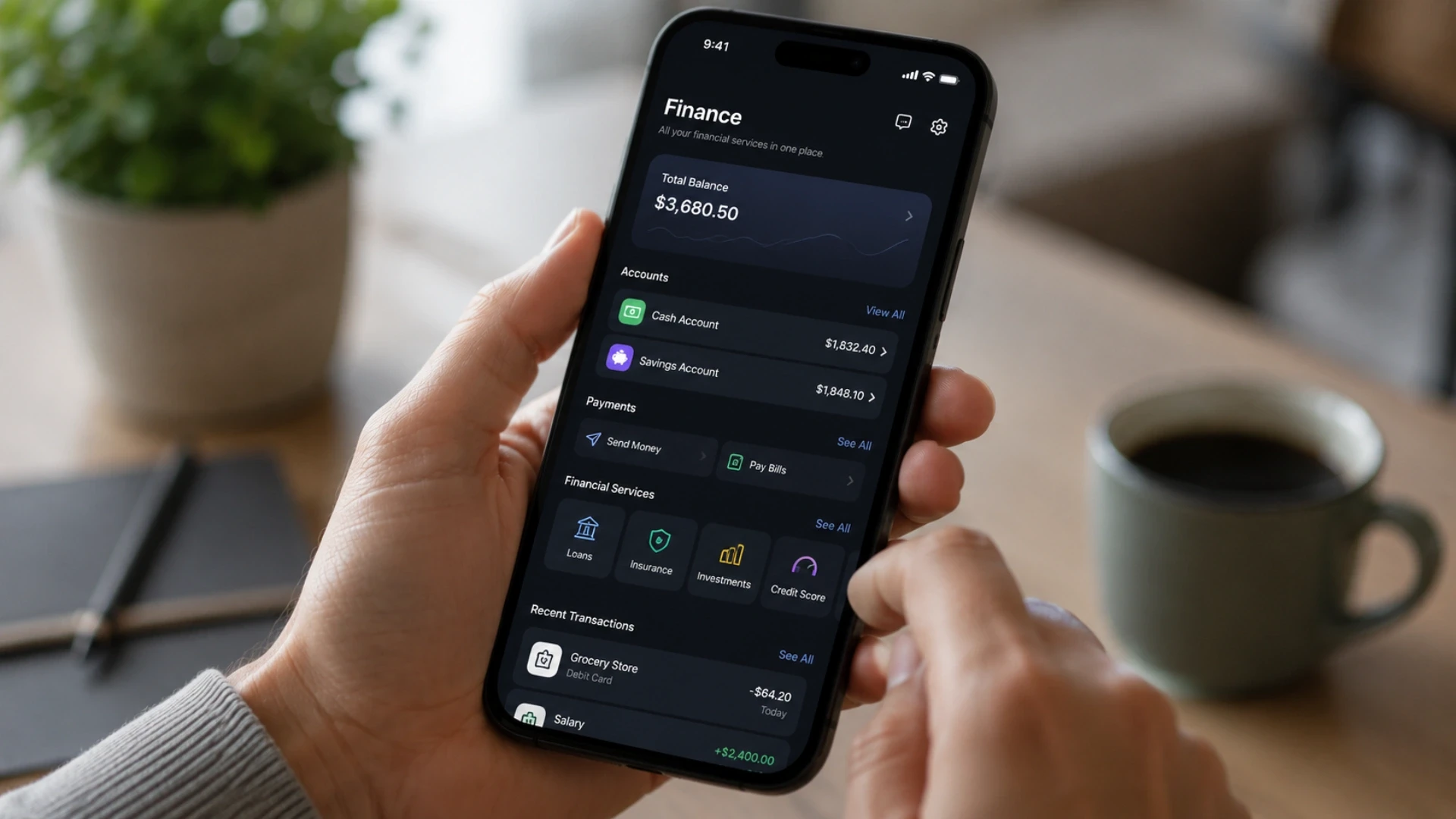
On-demand platforms are becoming financial platforms, embedding payments, instant payouts, lending, and insurance directly into the experience. Through 2030, expect wallets, instant provider payouts, and built-in financial products to become standard, because they deepen loyalty and open new revenue. Acquaint Softtech builds these secure financial flows with Laravel developers experienced in transactional, compliance-sensitive systems.
Trust is the foundation under all of it, because embedding finance raises the stakes on security, fraud, and compliance. Platforms that handle money well, fast payout providers can rely on, transparent fees, strong protection, earn the loyalty that locks in both sides of the market. Keeping these financial systems secure and compliant as they grow is the continuous work of support and maintenance services that monitor and harden them over time.
What to Build Now: A 2026 to 2030 Action Plan

To prepare for 2030, build now on three foundations: an AI-ready data layer that captures everything for learning, a modular architecture that can add services without rewrites, and a strong provider experience. These no-regret investments pay off regardless of which specific trends move fastest, and they make adopting future technology a configuration change rather than a rebuild.
Knowing what to invest in for on-demand comes down to separating no-regret foundations from speculative bets. The foundations an AI-ready data layer, a modular and expandable architecture, and a strong provider experience, pay off no matter which trends move fastest, and they make every future capability easier to add. Acquaint Softtech helps founders define this roadmap through a structured discovery workshop that turns trends into a concrete, prioritized build plan.
Build Now (No-Regret) | Prepare For (Watch) | Why |
AI-ready data layer | Full autonomy | Data enables every AI use |
Modular architecture | Super-app expansion | Add services without rewrites |
Provider experience tools | New gig regulations | Supply is the constraint |
Embedded payments and wallet | Built-in lending | Trust and loyalty compound |
The speculative bets full autonomy, advanced super-app expansion, novel financial products, should be watched and designed for, but not over-funded before the market is ready. The discipline is to architect so that adopting them later is a configuration change, not a rewrite. Senior technical direction on these trade-offs is available through a virtual CTO service that helps a founder invest ahead of the curve without overreaching. The platforms that lead in 2030 will be the ones that made these foundational investments in 2026, while competitors waited.
Case Study: Building an On-Demand Platform for Scale
.webp "Case Study")
Predictions matter less than a platform that already operates at scale. The engagement below is a real, published Acquaint Softtech project that embodies the future-ready foundations this report recommends: a modular, multi-region architecture, real-time operational visibility, and automated workflows across an enormous portfolio. You can read the full story at Global Real Estate Platform Development for 162,000+ Properties.
Case Study: Heimstaden, Pan-European Property Platform
Client: Heimstaden AB, a leading European residential real estate company managing 162,000+ homes (Co-CEO and CIO Christian Fladeland).
Challenge: Heimstaden needed a digital platform to serve tenants and property teams across multiple countries without adding complexity, replacing slow manual channels and fragmented communication with fast, transparent, on-demand support at a scale of 162,000+ units.
Approach: Acquaint Softtech architected a modular system designed for growth, new regions and languages added without downtime, with a centralized real-time dashboard, a frictionless tenant portal for leases, payments, and maintenance requests, automated workflow triggers, and enterprise-grade security.
Results: Heimstaden gained 100% operational transparency across borders, faster tenant support, reduced payment friction, and zero-training interfaces field staff adopted instantly. A platform built to scale across regions exactly as the future demands.
Why It Matters for the Future of On-Demand: The parallels are direct. A modular multi-region architecture is the super-app foundation, real-time operational visibility is the AI-ready data layer, and automated workflows are the efficiency edge that defines the next phase of on-demand.
The modular, multi-region architecture and real-time visibility at the heart of this project are exactly the future-ready foundations this report recommends building now. Acquaint Softtech delivers that scale-first engineering to on-demand platforms through React Native development and full-stack teams that build for growth from the first sprint.
Founders should judge a partner by platforms that already operate at scale rather than promises. A full library of verified engagements across marketplace, real-time, and on-demand work is available, and independent client ratings can be checked on the Acquaint Softtech Clutch profile, where the company holds a 4.9/5 score with Premier Verified status.
Why Acquaint Softtech for the Next Generation of On-Demand
The platforms that lead through 2030 will be the ones whose foundations were laid correctly in 2026, and those foundations are an architecture and engineering decision. The partner who builds them shapes how far and how fast a platform can evolve, so choosing a team that already builds AI-ready, modular, scale-first systems is a decision that compounds for years. Acquaint Softtech brings that forward-looking engineering to every build, kept on track by experienced project managers who align delivery with a long-term roadmap.
Three things matter most for a future-facing build. The first is breadth of delivery: over 13+ years and 1,300+ projects across 20+ industries, the team has built on-demand, marketplace, AI, and large-scale platforms for clients in the USA, UK, Europe, Australia, and New Zealand, exactly the mix the next phase demands. The second is team stability, with an average engagement tenure of 24+ months, so the architects who future-proof your platform stay to evolve it, with the ability to ship reusable foundations through white label software development that bakes in modern defaults.
The third is speed without compromise: a dedicated team deploys within 48 hours of a signed brief, and the first sprint review happens in two weeks, materially faster than the four to eight-week onboarding common at Western agencies.
Ready to Build for 2030, Starting Now?
Join 200+ technology companies that scaled with Acquaint Softtech. 1,300+ projects delivered. 4.9/5 Clutch rating. 50+ verified reviews. Teams deployable in 48 hours. The fastest path from today's idea to a future-proof on-demand platform.
Frequently Asked Questions
-
What Are the Top On-Demand Trends for 2026?
AI is becoming the core engine of on-demand platforms, powering matching, pricing, fraud detection, and personalization. Super apps, embedded payments, and hyper-personalized experiences are growing rapidly. These trends are transforming on-demand apps into intelligent, multi-service ecosystems.
-
How Will AI Change the Gig Economy?
AI automates matching, routing, pricing, and fraud checks to improve efficiency. It also helps providers with smarter job allocation and earnings predictions. Platforms that use AI to support workers will attract and retain better talent.
-
What Should You Invest in for an On-Demand App?
Invest in an AI-ready data layer, modular architecture, provider tools, and embedded payments. These foundations support future growth without costly rebuilds. They deliver long-term value regardless of market trends.
-
What Is the Future of Marketplace Technology?
Marketplace technology is becoming AI-native, event-driven, and highly scalable. Future platforms will predict demand, personalize experiences, and support multiple services from one ecosystem. Flexibility and adaptability will be key competitive advantages.
-
Will Autonomous Vehicles Replace Gig Workers by 2030?
No, human providers will still play a major role by 2030. Autonomous vehicles, drones, and robots will handle some structured tasks, while humans manage complex services. Most platforms will operate with a mixed workforce.
-
Are Super Apps the Future of On-Demand Platforms?
Super apps are becoming increasingly popular because they combine multiple services in one place. They improve customer retention and lifetime value. However, success depends on having a strong, scalable platform foundation.
-
How Can You Future-Proof an On-Demand App?
Build with a modular architecture, clean data collection, and AI readiness from day one. Design systems that can support new services and technologies easily. This reduces future development costs and speeds up innovation.
-
Is It Too Late to Launch an On-Demand Startup in 2026?
No, many niches still have significant opportunities for innovation. AI-powered and personalized experiences are creating new market gaps. Focused startups can compete successfully against larger legacy platforms.
I love to make a difference. Thus, I started Acquaint Softtech with the vision of making developers easily accessible and affordable to all. Me and my beloved team have been fulfilling this vision for over 15 years now and will continue to get even bigger and better.
Table of Contents
Get Started with Acquaint Softtech
- 13+ Years Delivering Software Excellence
- 1300+ Projects Delivered With Precision
- Official Laravel & Laravel News Partner
- Official Statamic Partner
Related Blog
The Complete Guide to On-Demand App Development in 2026
Not every on-demand app is Uber. Not every marketplace is Amazon. This 2026 guide maps every platform type, its architecture, real cost, and the cold-start sequence that separates launches that work from those that fail.

Acquaint Softtech
May 7, 2026
How Ride-Hailing Apps Work: Driver Matching, Tracking, and App Architecture
Ride-hailing apps are not simple taxi dispatchers. They are real-time logistics engines built on matching algorithms, GPS infrastructure, and dynamic pricing. Here is exactly how they work.

Manish Patel
May 14, 2026
How to Build a Home Services Marketplace App Like UrbanClap & TaskRabbit in 2026
A home services app is a three-sided marketplace that connects customers with vetted local professionals for cleaning, plumbing, beauty, and repairs in real time. Building one requires a customer booking app, a provider job-management app, and an admin panel sharing a backend with geofencing, slot scheduling, provider verification, and split payments.
Manish Patel
June 2, 2026India (Head Office)
203/204, Shapath-II, Near Silver Leaf Hotel, Opp. Rajpath Club, SG Highway, Ahmedabad-380054, Gujarat
USA
7838 Camino Cielo St, Highland, CA 92346
UK
The Powerhouse, 21 Woodthorpe Road, Ashford, England, TW15 2RP
New Zealand
42 Exler Place, Avondale, Auckland 0600, New Zealand
Canada
141 Skyview Bay NE , Calgary, Alberta, T3N 2K6