
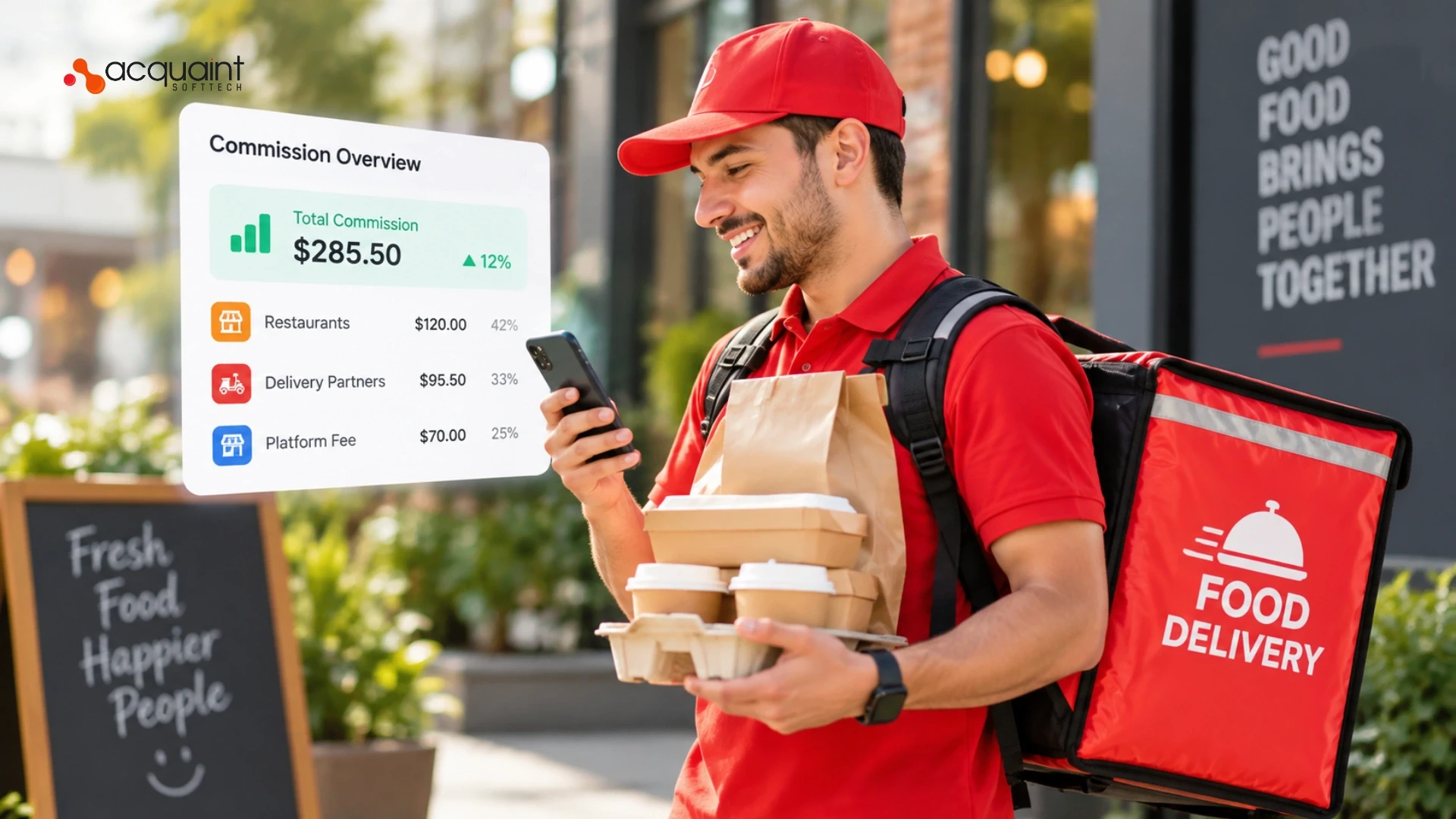
Food delivery platforms typically charge restaurants a commission ranging from 15% to 35% of the gross order value for marketplace delivery services. Full-service marketplace delivery runs 25% to 35% per order, while self-delivery or pickup drops to roughly 13% to 15%. Transaction fees, VAT, and paid placement can push the effective deduction past 35% to 40%. Beyond commission, platforms also earn consumer fees, sponsored placement, and subscriptions like Uber One or DashPass.

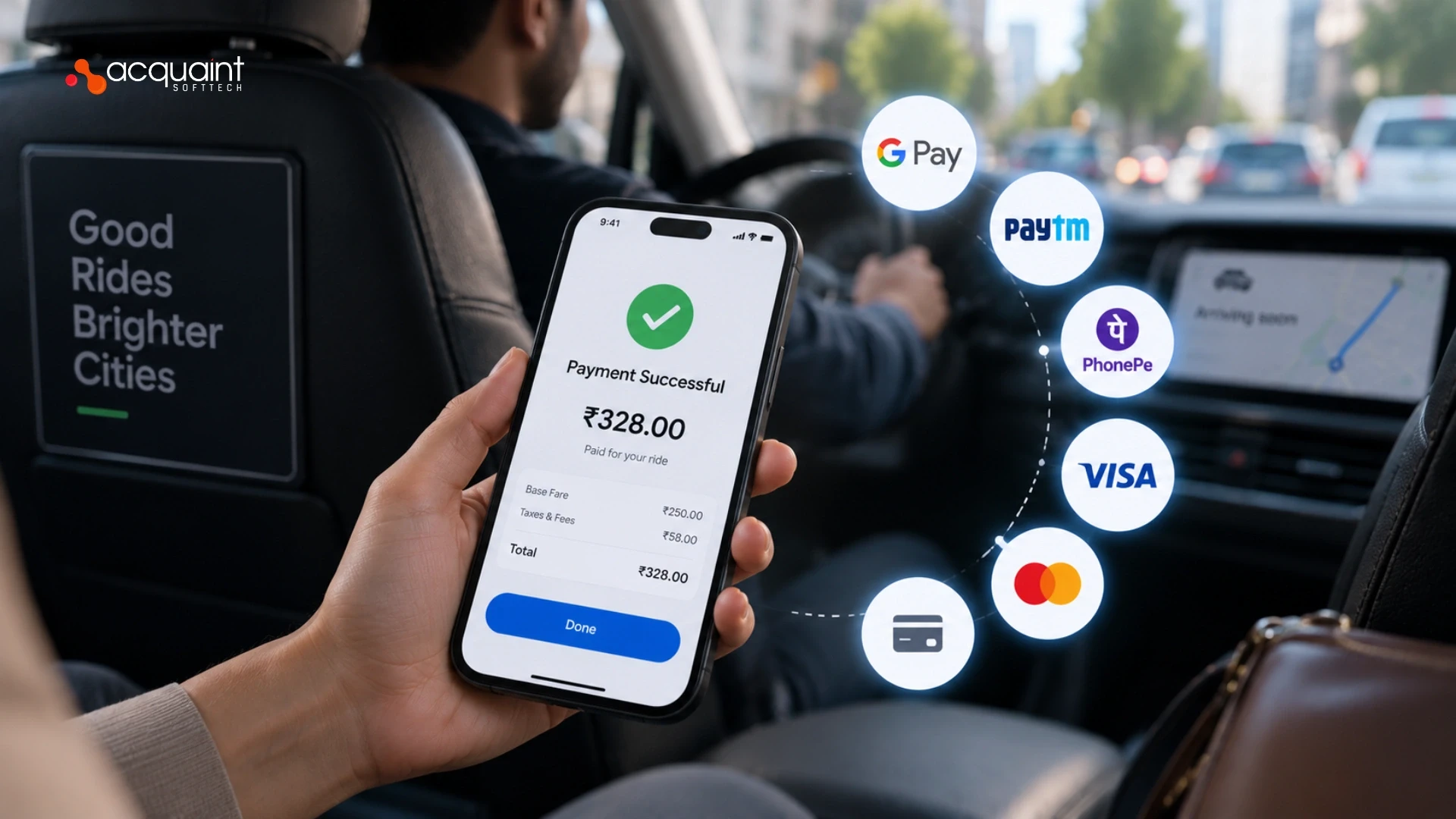
Modern ride-hailing payment processing relies on a unified digital layer that seamlessly connects credit and debit cards, mobile wallets, and cash tracking. Cards run through gateways like Stripe or Adyen using tokenization and encryption for automated trip completion.

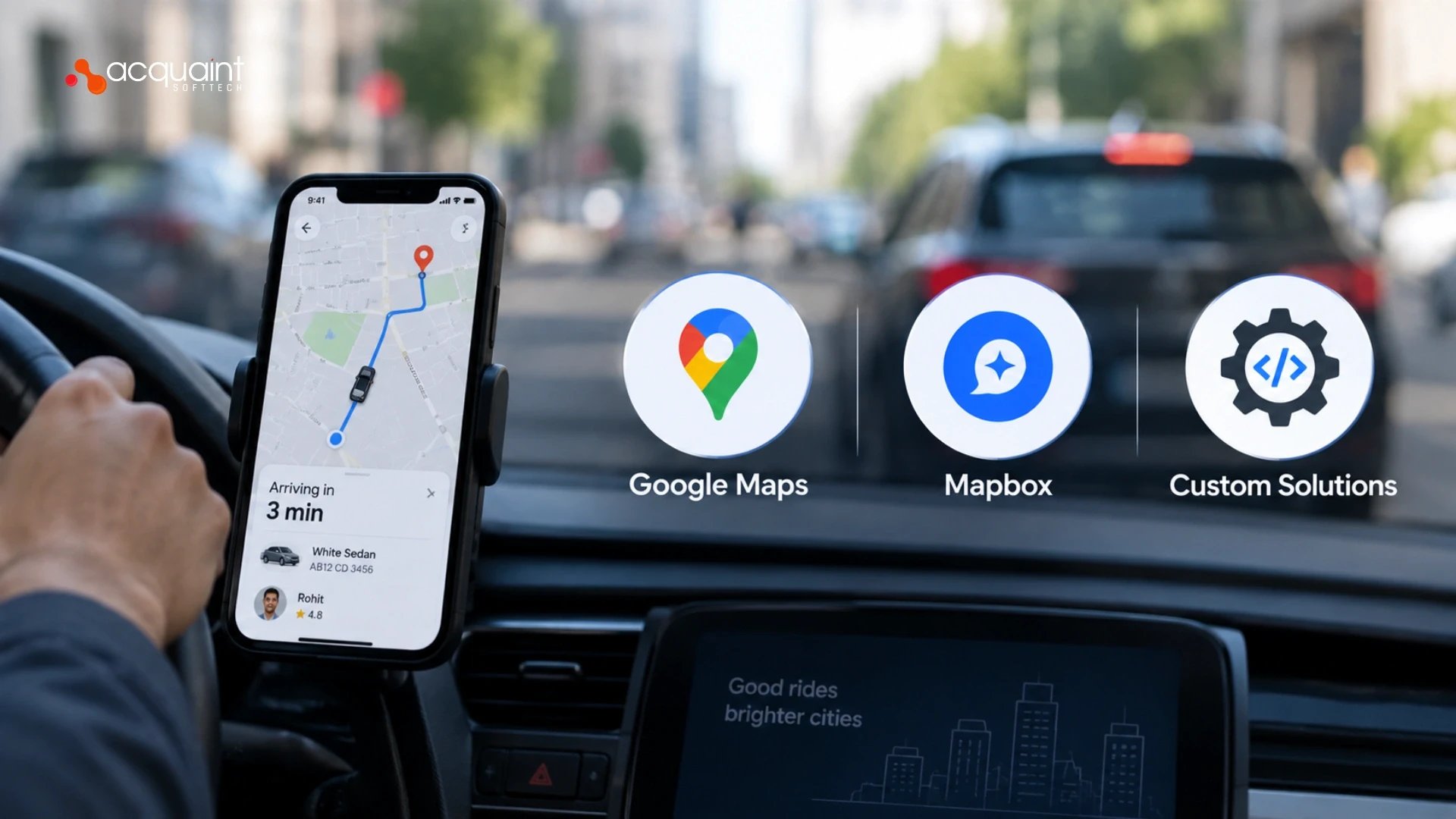
Mapbox is generally better for a custom ride-hailing app because it offers full visual customization, cheaper scaling, and specialized APIs like Map Matching for smooth vehicle tracking, whereas Google Maps provides more out-of-the-box familiarity and denser global POI data.
A freelancer profile and portfolio system helps freelancers showcase their skills, experience, certifications, projects, and ratings on gig platforms. Platforms like Upwork, Fiverr, and Toptal use these systems to build trust. A strong profile system makes freelancer credibility searchable, verifiable, and easier for clients to compare before hiring.
Acquaint Softtech is an on-demand app development company with 13+ years of experience, 70+ in-house engineers, and 1,300+ projects delivered across 20+ industries, including a deep portfolio of marketplace and on-demand platforms. It offers flexible engagement models, transparent pricing up to 40% below Western rates, and a 4.9/5 Clutch rating.

The future of on-demand apps from 2026 to 2030 is shaped by six forces: AI becoming the operating layer, super apps bundling services, autonomous delivery and mobility, hyper-personalization, evolving gig-work models, and embedded finance. Platforms that invest now in AI-ready data and modular architecture will lead; those that delay will be priced out.

Building an on-demand startup means moving through clear stages: validate the idea, define a lean MVP, choose the right stack and team, build and launch, reach liquidity, then scale. The fastest path is a focused MVP that proves real demand in one niche before adding features or expanding to new markets.

AI in on-demand apps powers four high-value functions: matching customers with the best provider, setting dynamic prices from real-time demand, detecting fraud as it happens, and predicting demand, ETAs, and churn. It works by training machine-learning models on platform data, then serving their predictions live inside the app.
Every on-demand app: ride-hailing, food delivery, home services, freelance, is a three-sided platform. The three sides are always the same: customer, provider, and admin. The architecture that connects them is not. This guide maps the shared data model, the event bus design, the API gateway pattern, the admin capability matrix, the horizontal scaling triggers, and the observability layer that apply across all three-sided on-demand platforms, regardless of the vertical.




.webp "How to Build an On-Demand Startup: From Idea to MVP to Scale")
.webp "AI in On-Demand Apps: Matching, Pricing, Fraud Detection, and Predictive Analytics")
-(1).webp "On-Demand App Architecture: Scalable Three-Sided Platform (Customer, Provider & Admin)")