
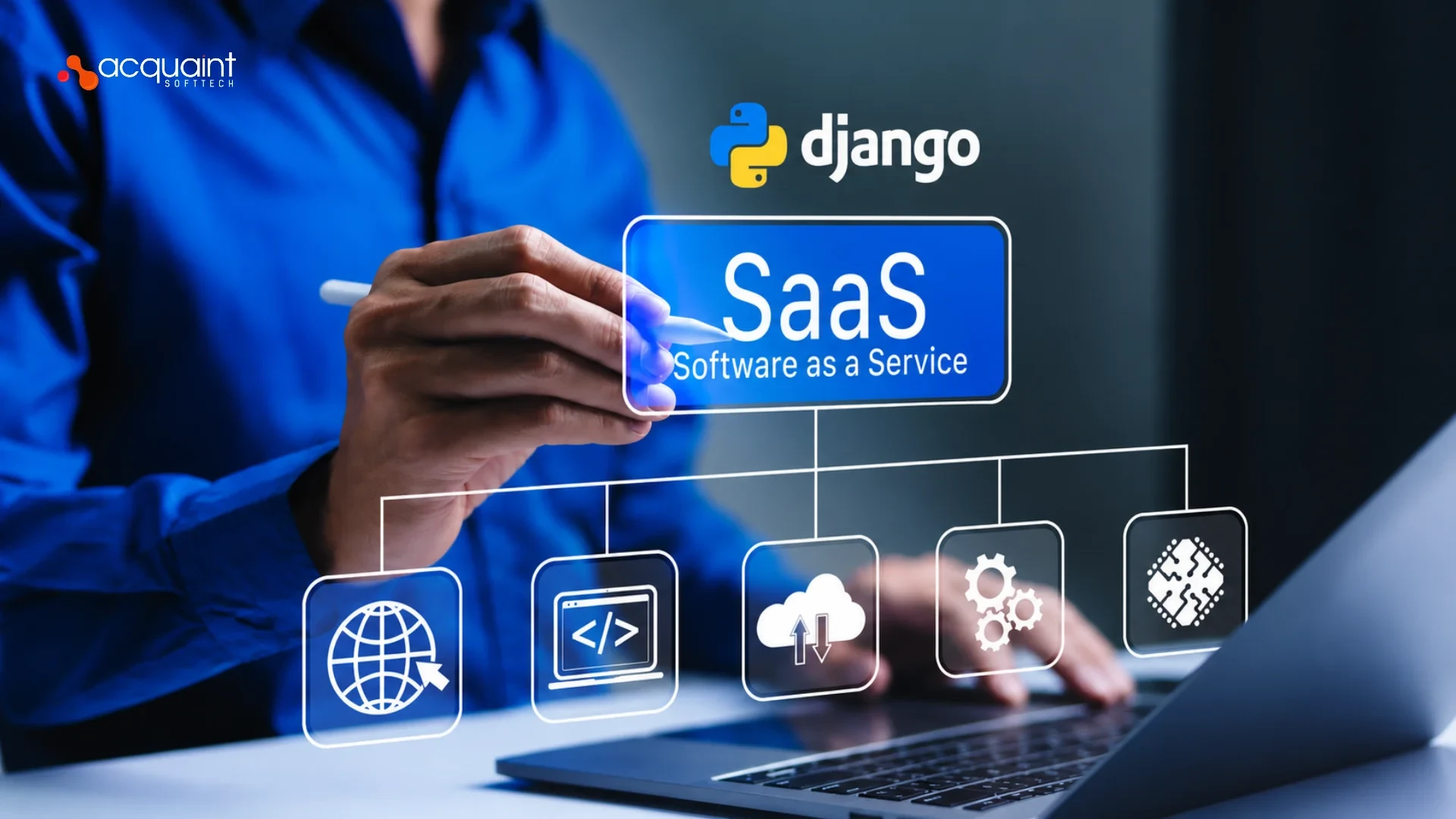
Django is one of the best frameworks for building Software-as-a-Service (SaaS) applications. Its batteries-included philosophy means core requirements like security, user authentication and database management are built right in, so you focus on your product rather than plumbing. A Django SaaS build breaks into clear layers: a multi-tenancy model that isolates each customer's data, an authentication layer, Stripe-based subscription billing, asynchronous tasks, and a frontend strategy that fits your team.

Natural Language Processing (NLP) combined with Optical Character Recognition (OCR) automatically extracts, reads, and structures data from unstructured medical PDFs, claims, and emails. OCR turns scans and attachments into text, NLP identifies entities such as diagnoses, policy numbers and dates, and the structured output is pushed straight into claims or electronic health record systems.
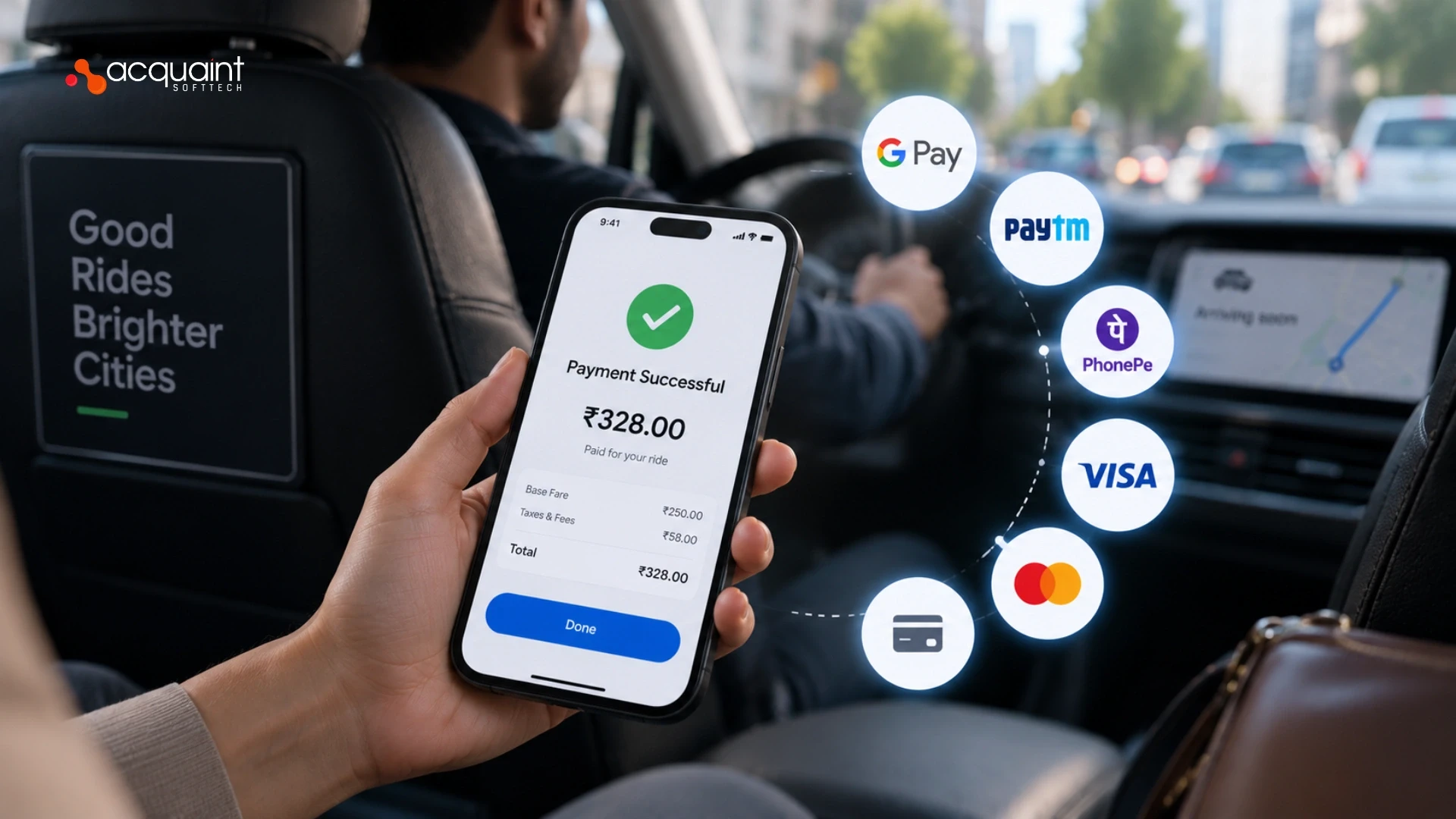
Modern ride-hailing payment processing relies on a unified digital layer that seamlessly connects credit and debit cards, mobile wallets, and cash tracking. Cards run through gateways like Stripe or Adyen using tokenization and encryption for automated trip completion.
Graph analytics and anomaly detection combine to uncover hidden, multi-party insurance fraud rings that traditional, single-claim transactional rules miss. Graph analytics maps how claimants, providers, repair shops, attorneys, vehicles and phone numbers connect; anomaly detection scores each claim for statistical outliers; and the two feed a Special Investigation Unit with ranked, explainable cases.
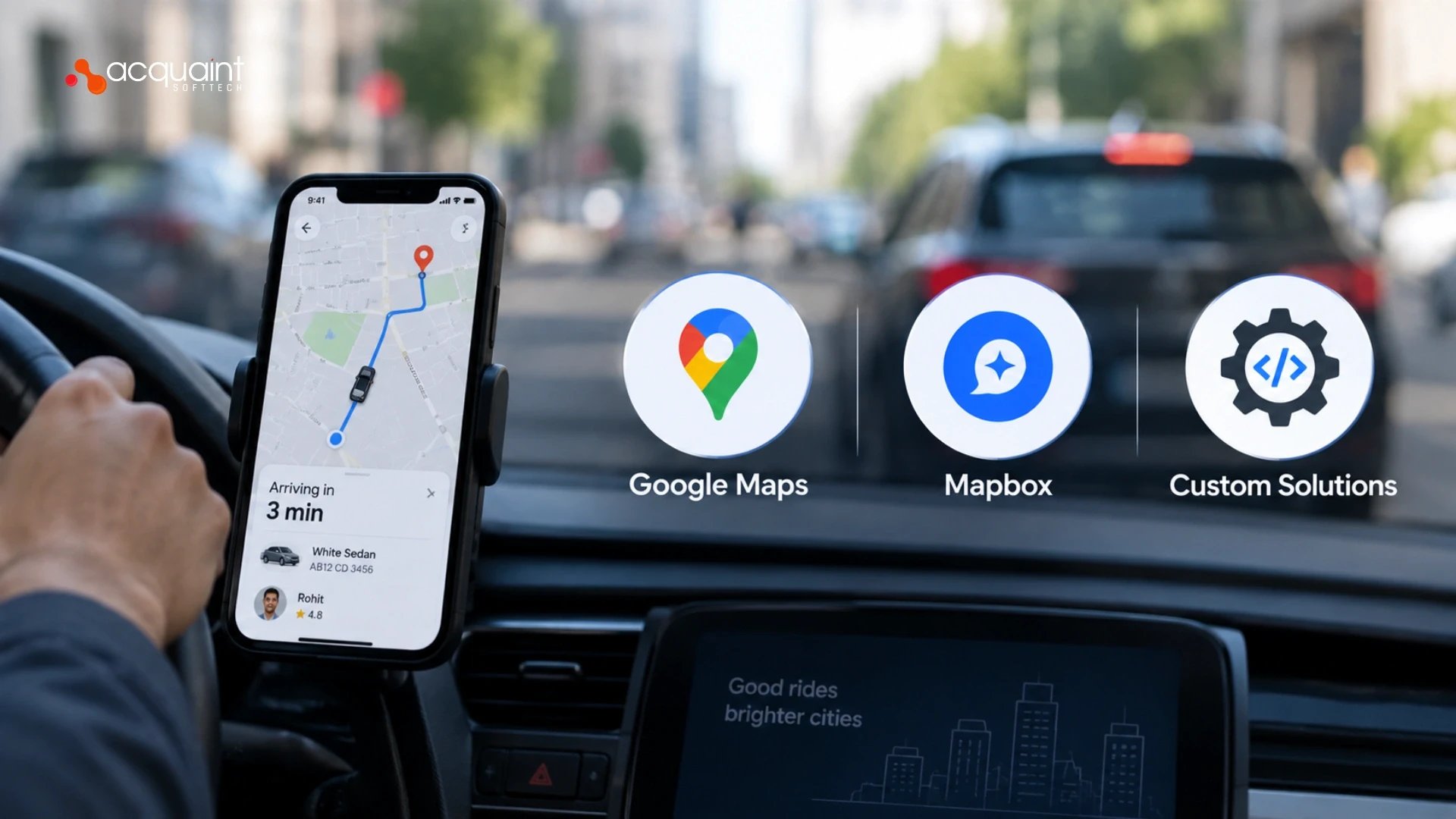
Mapbox is generally better for a custom ride-hailing app because it offers full visual customization, cheaper scaling, and specialized APIs like Map Matching for smooth vehicle tracking, whereas Google Maps provides more out-of-the-box familiarity and denser global POI data.
Multi-vendor marketplace development is the process of building an online platform where independent sellers list and manage their own products or services while a central administrator handles the infrastructure, transactions, and overall user experience.
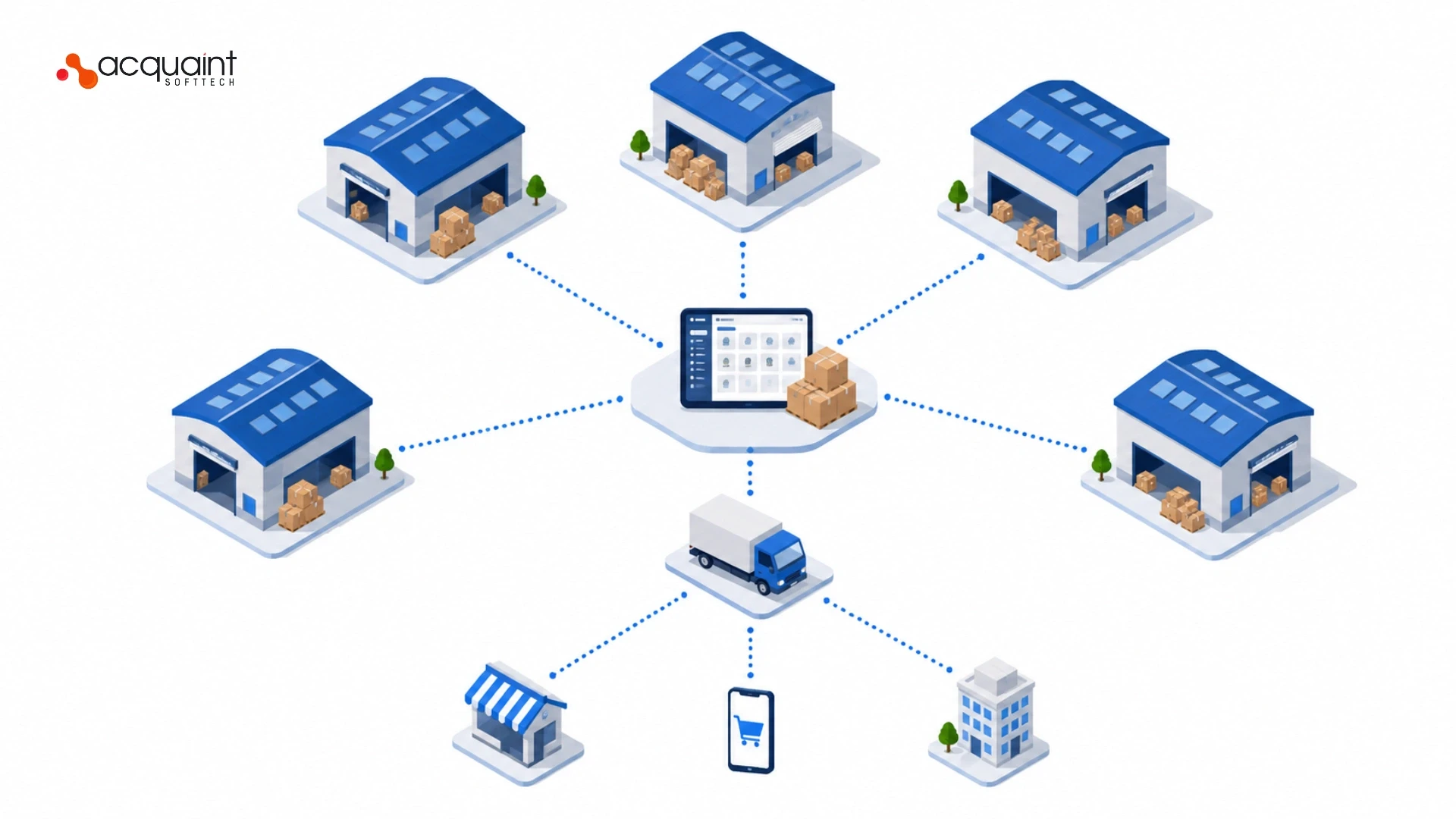
A multi-warehouse inventory management system is a centralized digital platform that tracks stock levels, orders, and movements across several storage facilities in real time. It gives you one accurate view of every SKU in every location, then routes each order, transfer, and reorder from that single source of truth, so you sell what you actually have and ship from the site closest to the customer.
A freelancer profile and portfolio system helps freelancers showcase their skills, experience, certifications, projects, and ratings on gig platforms. Platforms like Upwork, Fiverr, and Toptal use these systems to build trust. A strong profile system makes freelancer credibility searchable, verifiable, and easier for clients to compare before hiring.
A distributed order management (DOM) system routes orders to the best fulfillment location based on real-time inventory, shipping cost, customer proximity, and delivery commitments. It optimizes order routing, reduces shipping costs, speeds up delivery, and helps prevent overselling and order cancellations.
A health insurance claims processing system automates claims, eligibility, payments, and denials. It can auto-process 70–90% of claims and typically costs $150,000–$800,000.
InsurTech technical architecture is the structural design of an insurance platform: how its services are split, how they communicate, and where they run. A modern architecture uses an API-first design, microservices split along insurance domains, an event-streaming backbone such as Apache Kafka for real-time data flow, and cloud-native deployment on AWS, Azure, or GCP with Kubernetes. The four decisions that define it are the API contract, the service boundaries, the event backbone, and the cloud foundation.
A financial data warehouse centralizes data for faster reporting and analytics. Modern platforms use cloud-based ELT pipelines and can reduce reporting time by up to 70%.
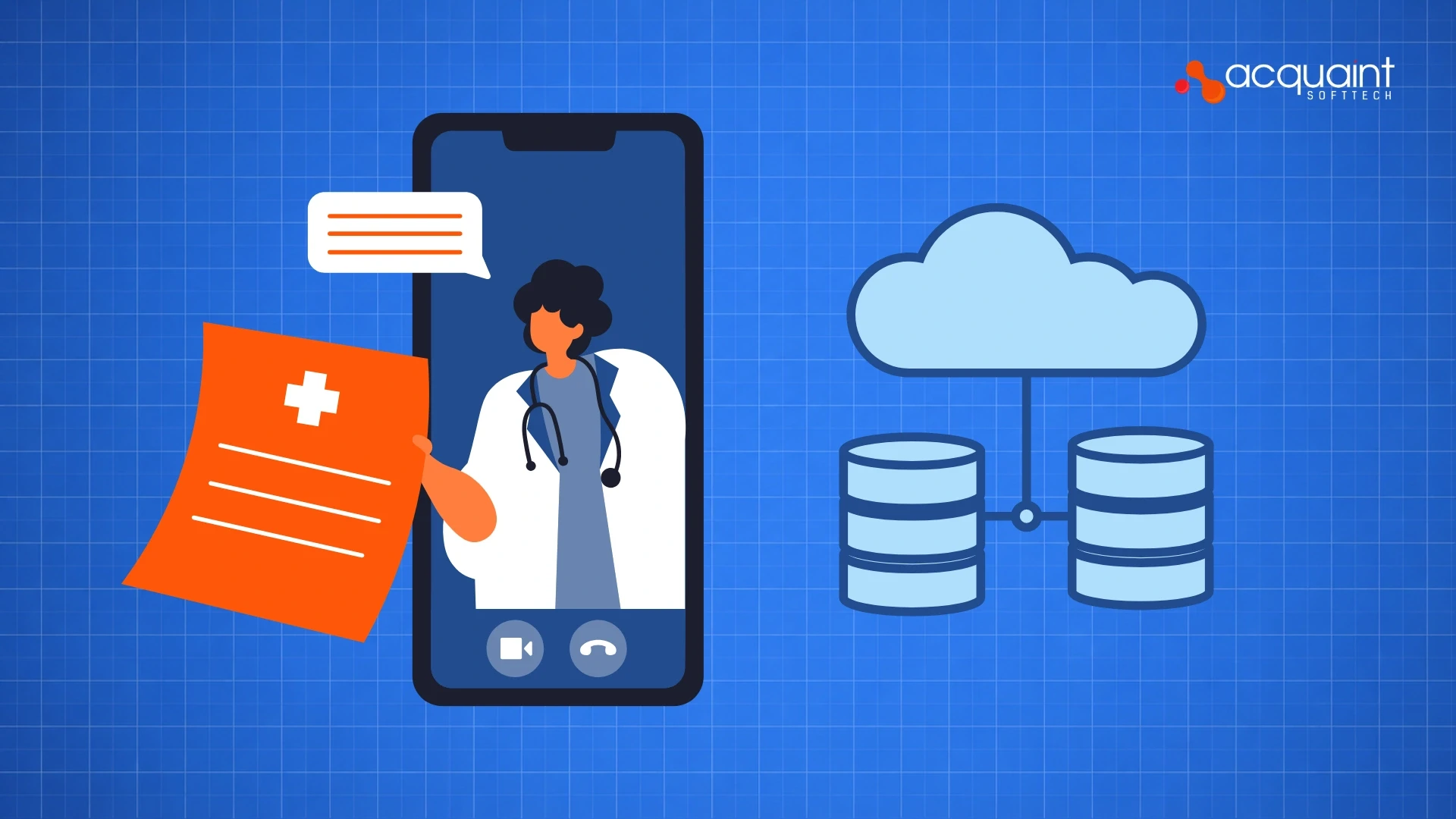
A healthcare data warehouse (HDW) centralizes patient, clinical, financial, and operational data for analytics and reporting. A modern HDW uses FHIR-based data pipelines and typically costs $70,000–$1,000,000 depending on complexity.
AI in on-demand apps powers four high-value functions: matching customers with the best provider, setting dynamic prices from real-time demand, detecting fraud as it happens, and predicting demand, ETAs, and churn. It works by training machine-learning models on platform data, then serving their predictions live inside the app.
EdTech app development builds mobile learning apps for students, teachers, and professionals. Modern apps support offline learning, personalized experiences, and secure user data.
A Laboratory Information System (LIS) manages lab samples from order to verified results. It integrates with lab systems, meets CLIA and CAP compliance, and typically costs $80,000–$500,000.
Property and casualty insurance platform development is the building of software that quotes, underwrites, and services insurance for things rather than people: homes, businesses, and specialty risks like cyber or pet. The best platforms run all three line groups on one configurable engine that shares a data model while letting each line carry its own products and rules. P&C led the insurtech market with a 58.73 percent share in 2025, and a custom P&C platform typically costs $300,000 to $1.5M.
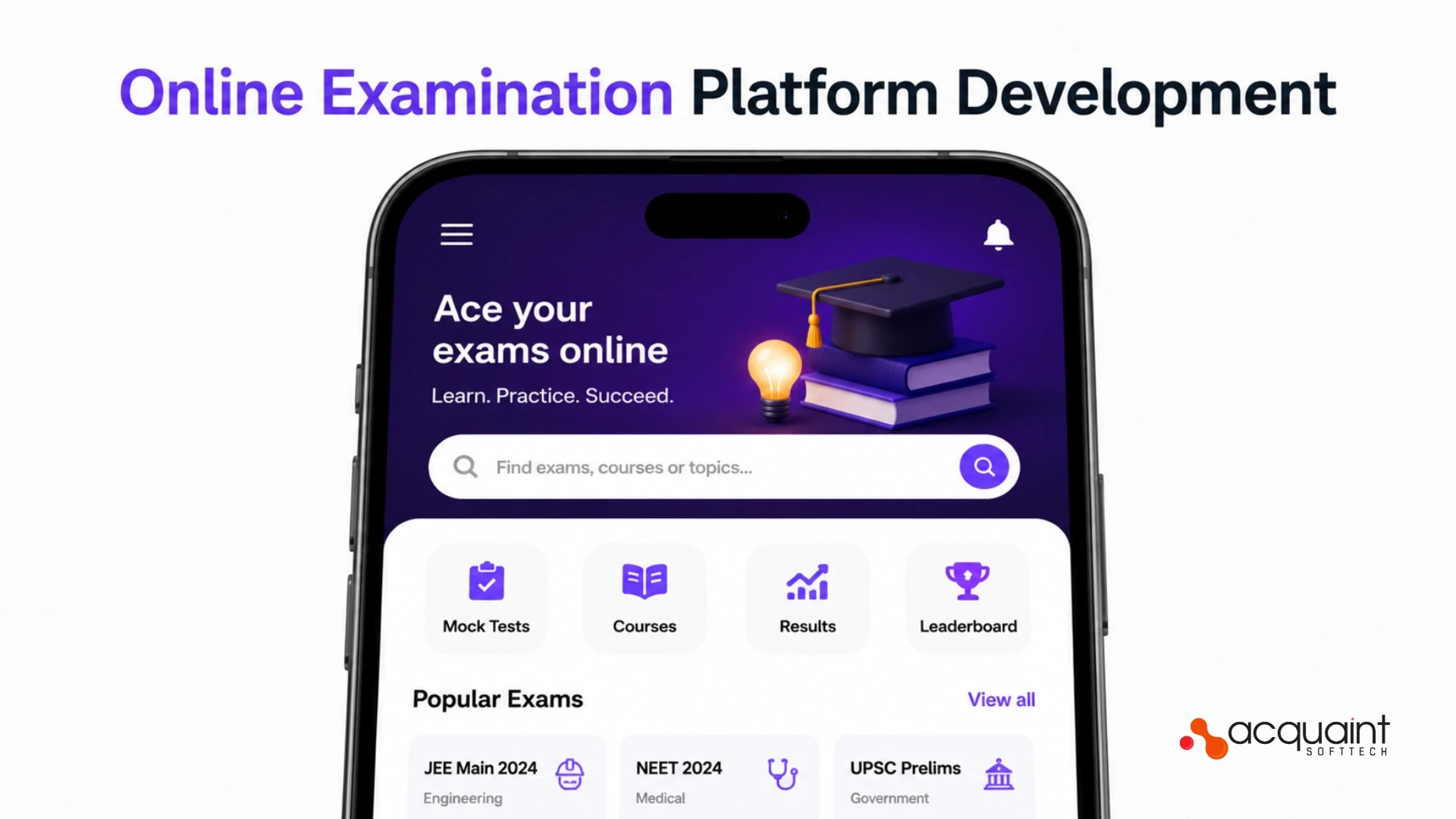
An online examination platform is software that creates, delivers, monitors, and grades tests over the internet at scale. Building one means solving four hard problems together: a question bank that assembles fair, randomized exams, delivery that stays stable when thousands sit at once, remote proctoring that deters cheating without false accusations, and automated grading that scores objective and written answers accurately.
Every on-demand app: ride-hailing, food delivery, home services, freelance, is a three-sided platform. The three sides are always the same: customer, provider, and admin. The architecture that connects them is not. This guide maps the shared data model, the event bus design, the API gateway pattern, the admin capability matrix, the horizontal scaling triggers, and the observability layer that apply across all three-sided on-demand platforms, regardless of the vertical.
E-commerce operations technology automates order management, inventory, fulfillment, shipping, and returns. AI-powered automation improves fulfillment speed, reduces errors, and lowers operating costs.
Life insurance platform development is the building of software that takes a customer from a digital application to decades of policy servicing. It has three phases: digital onboarding that captures an application in minutes, accelerated underwriting AI that decides without a medical exam, and a policy servicing system that manages the contract for its full term. Custom life platforms typically cost $300,000 to $1.5M and must handle a relationship that can last 30 years or more.
A SaaS CI/CD pipeline automates code integration, testing, and deployment from commit to production. It uses four key stages: static analysis, automated testing, build and deployment, and health checks. This ensures faster releases, zero downtime, early bug detection, and quick rollback when needed.
An on-demand lifestyle app is a marketplace that lets users book beauty, fitness, wellness, and personal care services on demand, at home, at a venue, or virtually. It works by connecting customers with vetted professionals through category discovery, real-time scheduling, secure payments, and reviews, in the style of the Urban Company lifestyle model.
An online course marketplace connects instructors with learners and earns revenue from course sales. It manages course publishing, discovery, and automated revenue sharing at scale.







.webp)
.webp "AI in On-Demand Apps: Matching, Pricing, Fraud Detection, and Predictive Analytics")
.webp "EdTech App Development for Students, Teachers & Enterprises")

.webp "Property and Casualty Insurance Platform Development: Home, Commercial, and Specialty Lines")
-(1).webp "On-Demand App Architecture: Scalable Three-Sided Platform (Customer, Provider & Admin)")
.webp "Life Insurance Platform Development: Digital Onboarding, Underwriting AI, and Policy Servicing")
.webp "SaaS CI/CD Pipeline: From Commit to Production in 10 Minutes")
.webp "Building On-Demand Lifestyle Apps: Beauty, Fitness, Wellness")