

iPhone Features Your Business App Should Use in 2026
The iPhone capabilities worth designing a business app around in 2026 are Apple Intelligence for on-device AI, widgets and Live Activities for glanceable presence, App Clips for use without installing, Face ID for frictionless secure sign-in, and Apple's privacy APIs. Using these well is what separates an app that feels native to iPhone from one that feels ported. The old consumer tricks, tied to the home button, iTunes, and iOS 12, no longer apply, because the platform has moved on entirely.

Mukesh Ram
As the Founder and CEO at Acquaint Softtech, I kept the address of this article but changed almost everything inside it, and it is worth saying why plainly. The original was a list of iPhone tricks from 2019, and nearly every one of them is now wrong: the home button it told you to triple-click is gone, the iTunes it sent you into was discontinued that same year, the iOS 12 menus have been redrawn many times over, and its big news, a 5G iPhone coming in 2020, is ancient history. Following those steps today would only frustrate a reader.
So instead of refreshing tips that no longer work, this rewrite answers the more useful question hiding behind the old one: what can a modern iPhone actually do that a business should build into its app? That is the version of this topic worth anyone's time, and it is the daily substance of iPhone mobile app development as we practise it.

- You are planning an iOS app and want it to feel native, not ported.
- You want to know what modern iPhone features your app could use.
- You have heard of Apple Intelligence and wonder what it means for your app.
- You want frictionless sign-in and trustworthy privacy in your app.
- You are budgeting an iOS build and want to know what these features cost.
The through-line is that the iPhone's most valuable capabilities are no longer hidden settings for power users; they are platform features that a well-built app can use to feel genuinely native rather than merely present.
An app that ignores them works, but feels ported from somewhere else. An app that uses them well feels like it belongs on the device, and that difference is what users notice without being able to name it.
Why This Article Changed
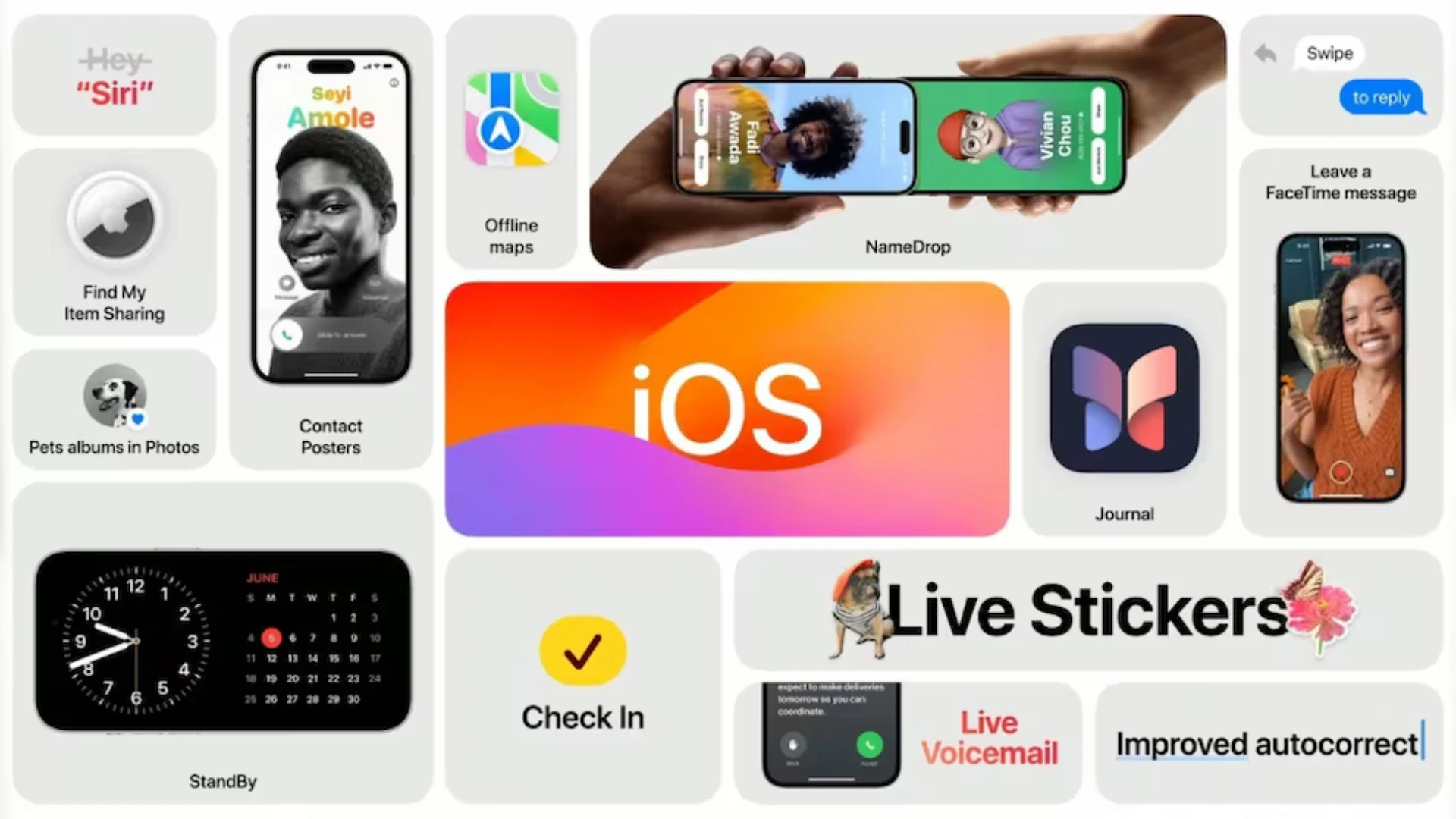
The old iPhone tips are gone because the iPhone they described is gone, so this article now covers capabilities rather than tricks. The shift is from what a user can toggle to what a business can build.
An iPhone in 2026 is a fundamentally different device from the one in 2019: no home button on mainstream models, Face ID rather than fingerprint, an operating system many versions on, and an assistant rebuilt around Apple Intelligence rather than the simple Siri of old.
Apple's current platform is documented for developers at Apple's iOS developer site, and the features that matter for a business app are the ones below. The consumer tricks belong to a museum; the capabilities are what you commission an app to use.
Apple Intelligence: On-Device AI
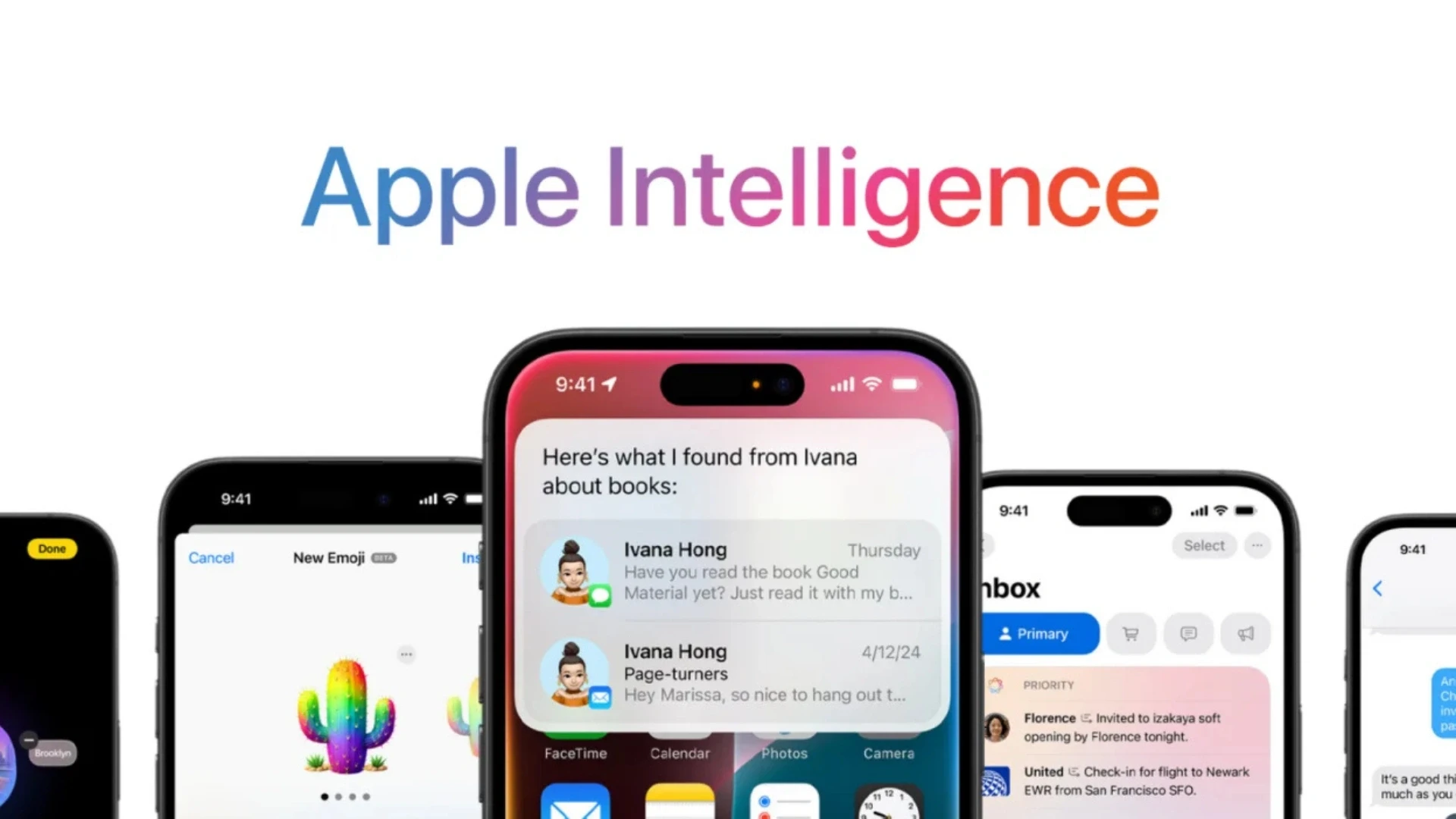
Apple Intelligence brings on-device AI to the iPhone, and a well-designed app can tap it for writing help, summarisation, image handling and smarter interactions. This is the largest change to the platform since the original was written.
Where the 2019 article talked about teaching Siri to say your name, the assistant is now part of a broader on-device intelligence layer, and much of it runs on the device itself rather than in the cloud, which matters for both speed and privacy. As Apple's developer material on Apple Intelligence sets out, apps can integrate with these capabilities to offer features that once required building your own AI from scratch.
For a business, this lowers the cost of adding genuinely useful intelligence to an app, and where you want AI that goes beyond what the platform offers, our AI development services cover the custom side.
Widgets and Live Activities
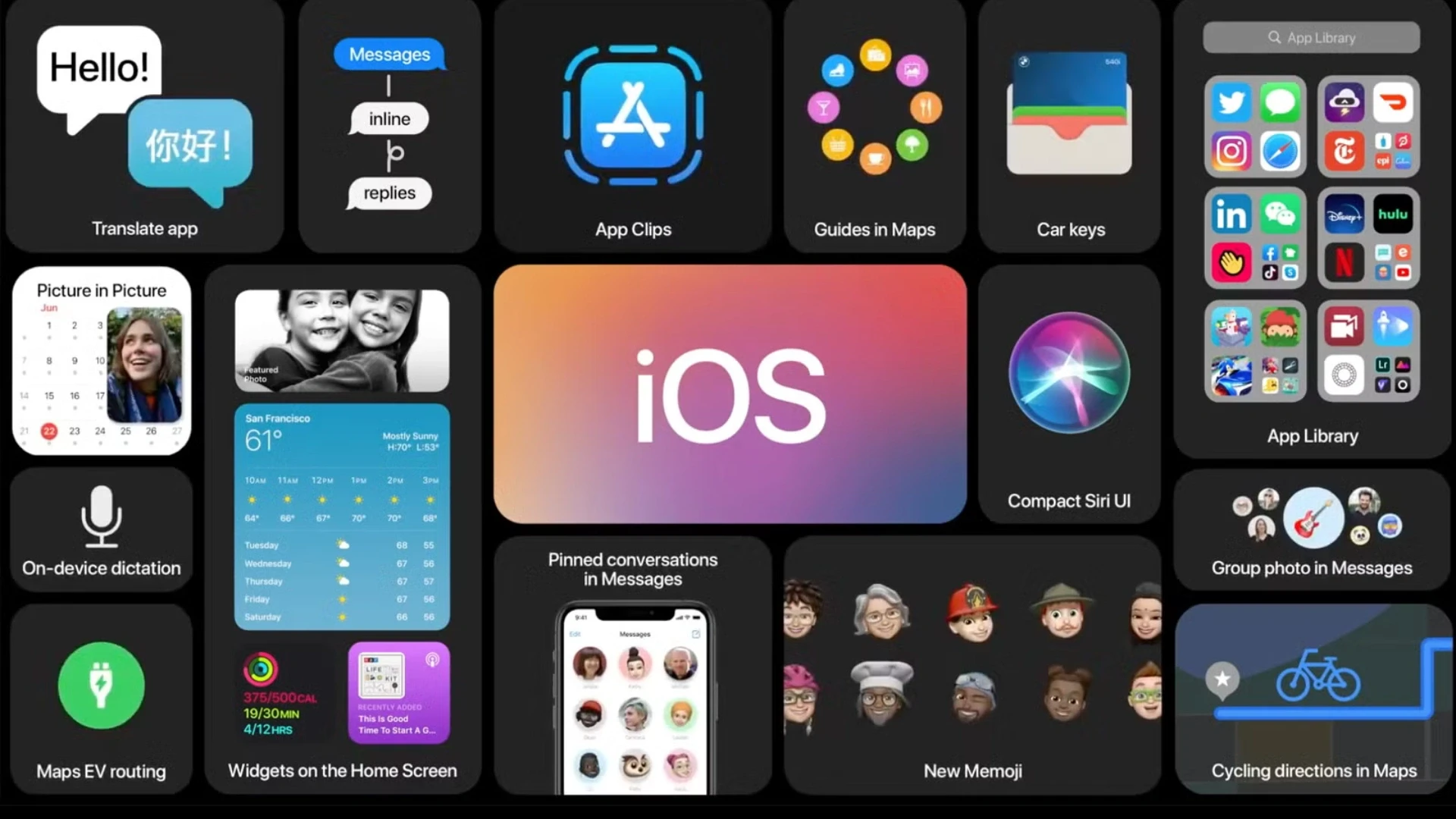
Widgets put your app on the home screen, and Live Activities keep live information on the lock screen, giving your app presence even when it is closed. None of this existed when the original was written.
A widget shows your most useful content, a balance, a next appointment, a delivery status, without the user opening the app, keeping you glanceably present all day. Live Activities go further, showing real-time updates such as an order on its way or a ride approaching, live on the lock screen and in the Dynamic Island.
For the right kind of app, these features dramatically increase how often users engage, because they remove the friction of opening the app at all. Deciding which of your app's information deserves this treatment is a design decision worth making early, and it is the sort of thing we settle in a discovery workshop.
Wondering which iPhone features your app should use?
Tell me what your app needs to do, and I will tell you which iPhone capabilities would make it feel native, and what each would add to the build.
App Clips: Your App Without Installing
An App Clip is a small part of your app a user can run instantly, without installing the full thing, by tapping a code, link, or NFC tag. It removes the biggest barrier to a new app: the install.
A customer can scan a code at a table, a parking meter, or a checkout and use your app's core function in seconds, then install the full app later if they want to. For businesses with a physical presence or a first-time-user moment, this bridges the gap between the real world and your app without asking for the commitment of a download first.
It is one of the clearest examples of an iPhone feature that exists to serve businesses rather than tinkerers, and it can meaningfully lift the number of people who ever experience your product at all.
Face ID and Frictionless Sign-In
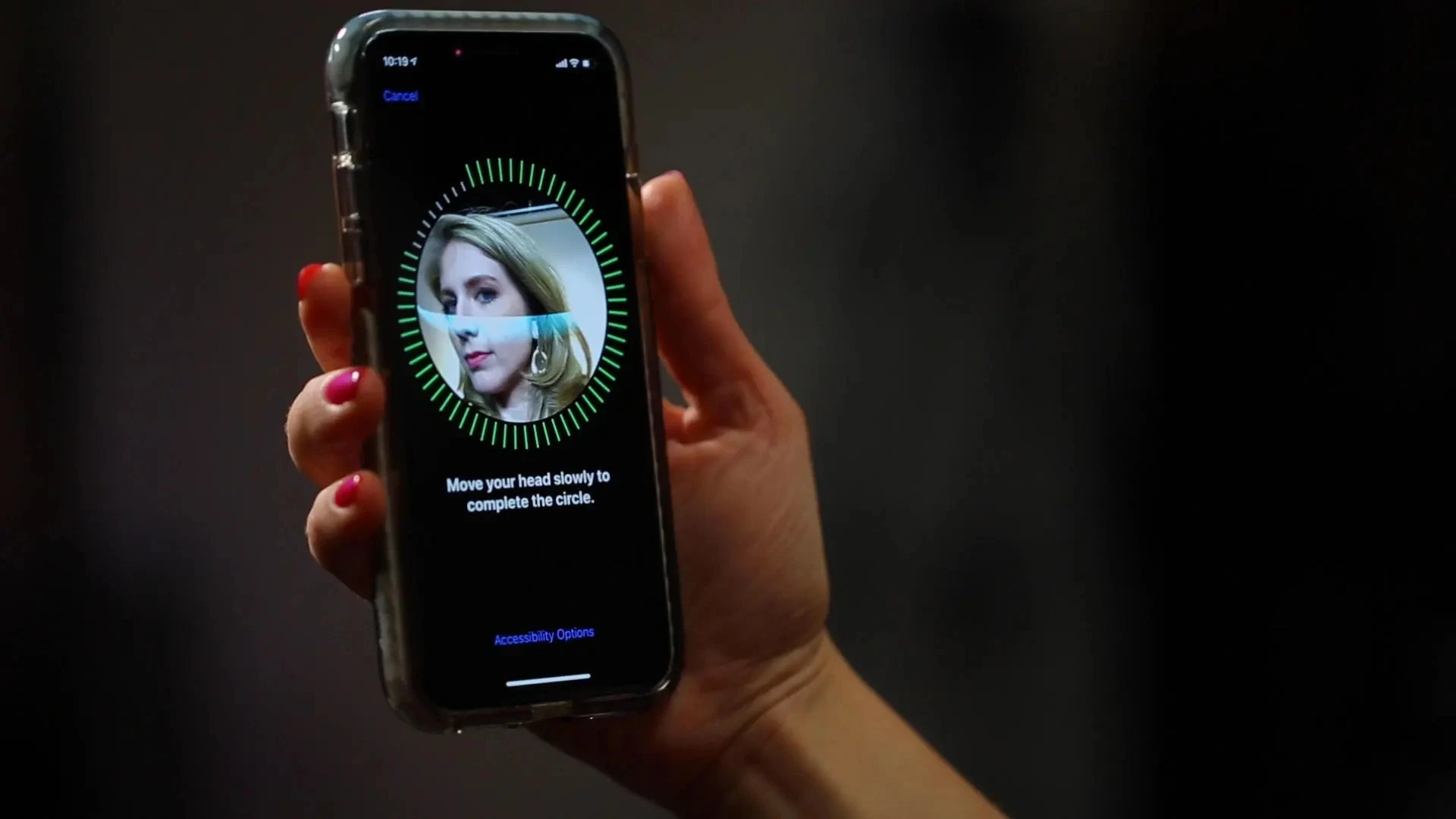
Face ID lets users sign in and authorise actions with a glance, which is both more secure and far less friction than a password. The original's fingerprint-era security advice has been superseded.
Building Face ID into your app means users authenticate without typing anything, which reduces the abandonment that password entry causes while raising security rather than lowering it.
Combined with passkeys, the modern, phishing-resistant replacement for passwords, an iPhone app can offer sign-in that is both safer and smoother than anything the 2019 article imagined.
For any app handling payments, personal data, or accounts, this is close to expected now, and its absence is felt as friction by users who have grown used to it everywhere else.
Privacy as a Feature, Not a Hurdle
Apple's privacy rules are strict, and the right way to treat them is as a feature users value rather than a hurdle to clear. The original touched on Apple's security stance; in 2026 it is central to how apps must be built.
Apple requires apps to ask permission before tracking, to declare what data they collect, and to justify the device access they request, and it gives users fine control over all of it. Rather than resent these rules, a well-built app uses them to earn trust: asking for only what it needs, explaining why, and respecting the answer.
Users increasingly choose apps they feel safe in, so privacy done well is a competitive advantage, not a compliance cost. Building to Apple's expectations here also keeps you on the right side of app review, which is where privacy shortcuts get apps rejected.
The Features That No Longer Exist
Several things the original relied on are simply gone, and an honest update has to say so rather than quietly drop them. Knowing what has vanished is as useful as knowing what is new.
The 2019 reference | Status in 2026 | What replaced it |
Triple-click home button | Home button removed | Gesture navigation, Face ID |
iTunes for settings | Discontinued in 2019 | Settings and App Store apps |
Fingerprint Touch ID (mainstream) | Largely replaced | Face ID |
Simple Siri you 'educate' | Rebuilt | Apple Intelligence |
5G iPhone 'coming in 2020' | Long shipped | Every iPhone is 5G now |
Jailbreaking debate | Largely moot | EU rules now allow other stores |
The last row is quietly significant for businesses. In the European Union, regulation now requires Apple to allow alternative app marketplaces and payment options, which changes the distribution picture the original assumed was fixed forever. It is a reminder that the platform's rules are not permanent, and that building on current, accurate assumptions rather than old ones is part of doing this well.
Proof: iOS Apps Built to Feel Native
An iOS app that uses the platform well is the mark of a team that builds for iPhone specifically, not one that ports a generic app across. Our record is verifiable.
Acquaint Softtech, verifiable delivery record 1,300+ delivered projects across 13+ years. 95% on-time sprint delivery. Average engineer tenure beyond 24 months. 4.9 out of 5 across verified Clutch reviews. NDA before work begins and 100% client ownership of everything produced. For iOS work, the relevant point is longevity: 13+ years and long tenure mean we have followed iPhone through the home-button era to Face ID and Apple Intelligence, and built with each generation's features. |
That span is what lets a team use the current platform properly rather than building to habits formed two generations of iPhone ago, which is exactly the trap the original article fell into. Following Apple's own design standards, set out in its Human Interface Guidelines, is part of making an app feel native, and doing so consistently across years is what the on-time delivery figure reflects.
Because clients own everything we build, an iOS app we deliver is yours to extend as the platform evolves. Our mobile app case studies and client testimonials cover the iOS work behind that record.
Want an iOS app that feels like it belongs on iPhone?
Book a free 30-minute call, and I will introduce the engineers who would build your app and show you which iPhone features would make it stand out.
What an iOS App Costs

The cost of an iOS app depends on how many of these platform features it uses and how much backend sits behind it, plus the yearly upkeep every app needs. These are prevailing ranges rather than fixed quotes.
Route | What it suits | Cost (USD) |
iOS MVP | Testing an idea on iPhone first | 15,000 to 40,000 |
Standard iOS app | Most business apps | 40,000 to 120,000 |
App using Apple Intelligence and Live Activities | Feature-rich, native feel | Adds 10,000 to 40,000 |
Cross-platform via React Native | Both platforms on one budget | Often lower overall |
Yearly maintenance | Keeping the app alive | 15 to 20% of build, per year |
Two points shape the budget. The platform features in this article are not all expensive to add, and some, such as Face ID or a widget, are modest against the engagement they buy, so they are usually worth including.
And if you need both iPhone and Android, building cross-platform with a framework such as React Native often costs less overall than two native apps, which is why many businesses hire React Native developers and add native iOS features where they matter. Our comparison of React Native companies covers that trade-off.
Where the work is done | Senior iOS rate | Relative cost |
New York, USA | USD 110 to 200 / hour | Highest |
United States (national) | USD 90 to 170 / hour | Very high |
Australia | AUD 110 to 200 / hour | High |
United Kingdom | GBP 65 to 130 / hour | High |
Europe (EU) | EUR 70 to 140 / hour | High |
India (Acquaint Softtech) | USD 25 to 49 / hour | Up to 40% lower |
iOS work is specialist and therefore expensive at onshore rates, which is where offshore delivery changes the maths, making a feature-rich native app affordable without lowering the standard. If you want to validate your idea before investing in a full product, working with an MVP development company helps you launch an iOS MVP faster and cost-effectively.
An iOS MVP reaches real users with minimal risk, and adding capacity through IT staff augmentation is often the quickest way to a shipped app.
Build an iPhone app that uses the platform to the full
Book a free 30-minute call, and I will scope your iOS app with a fixed cost and timeline in your own currency.
Frequently Asked Questions
-
What iPhone features should a business app use?
The ones that make an app feel native: Apple Intelligence for on-device AI, widgets and Live Activities for glanceable presence, App Clips for instant use, Face ID for sign-in, and Apple's privacy APIs.
-
What is Apple Intelligence for apps?
Apple's on-device AI layer. Apps can integrate with it for writing help, summarisation, image handling, and smarter interactions, much of it running on the device for speed and privacy.
-
What is an App Clip?
A small part of your app a user runs instantly, without installing the full app, by tapping a code, link, or NFC tag. It removes the install barrier and suits businesses with a physical presence.
-
Should my app use Face ID?
For anything handling accounts, payments, or personal data, yes. Face ID lets users authenticate with a glance, reducing password friction and abandonment while raising security.
-
Are widgets and Live Activities worth building?
For apps with useful glanceable information, yes. Widgets keep your app present on the home screen, and Live Activities show real-time updates on the lock screen, both increasing engagement.
-
How does Apple's privacy affect my app?
Apps must ask before tracking, declare data collection, and justify device access. Treat this as a feature: asking for only what you need and explaining why builds trust and passes app review.
-
Can I still jailbreak an iPhone, and does it matter for business?
Jailbreaking is largely moot now. In the EU, regulation requires Apple to allow alternative app marketplaces and payments, which changes distribution without unofficial hacks.
-
How much does an iOS app cost?
A simple iOS app runs about USD 40,000 to 120,000, with rich platform features adding more. Budget another 15 to 20 percent of the build per year for maintenance.
-
Should I build native iOS or cross-platform?
Native for the deepest iPhone integration and peak performance. Cross-platform solutions, such as React Native, when you need both platforms on one budget, adding native iOS features where they matter.
-
Why is the old iPhone tips advice no longer accurate?
Because the device changed completely: no home button, Face ID instead of fingerprint, iTunes discontinued, and many iOS versions since. Steps written for iOS 12 no longer apply.
I love to make a difference. Thus, I started Acquaint Softtech with the vision of making developers easily accessible and affordable to all. Me and my beloved team have been fulfilling this vision for over 15 years now and will continue to get even bigger and better.
Table of Contents
Get Started with Acquaint Softtech
- 13+ Years Delivering Software Excellence
- 1300+ Projects Delivered With Precision
- Official Laravel & Laravel News Partner
- Official Statamic Partner
Related Blog
.webp "Building a Native Mobile App for Your SaaS: Strategic and Technical Trade-Offs")
Building a Native Mobile App for Your SaaS: Strategic and Technical Trade-Offs
A SaaS mobile app lets users access your platform on iOS and Android with push notifications, offline access, and a native-like experience. For most SaaS businesses, React Native is the most cost-effective choice, using one codebase for both platforms.

Zubair Pateljiwala
July 15, 2026
10 Must Follow Steps of Mobile App Development Process
The mobile app development process is a structured set of 10 steps that moves an idea from concept to a published app: ideation, target audience and monetization, choosing the platform, UI/UX design, picking tools, choosing the right partner, fast development, testing and deployment, marketing, and post-launch maintenance. Following the steps in order, rather than rushing to publish, is what separates apps that get downloads from the ones that get ignored.
Mukesh Ram
July 29, 2019
Rome Was Not Built in a Day: The Journey to Developing a Unicorn SaaS
Building a unicorn SaaS company is a marathon, not a sprint. Just like Rome, great products aren’t built overnight. From refining your MVP to scaling for growth.
Mukesh Ram
September 26, 2024India (Head Office)
203/204, Shapath-II, Near Silver Leaf Hotel, Opp. Rajpath Club, SG Highway, Ahmedabad-380054, Gujarat
USA
7838 Camino Cielo St, Highland, CA 92346
UK
The Powerhouse, 21 Woodthorpe Road, Ashford, England, TW15 2RP
New Zealand
42 Exler Place, Avondale, Auckland 0600, New Zealand
Canada
141 Skyview Bay NE , Calgary, Alberta, T3N 2K6