

How to Create an App Like Instagram in 2026: Cost, Features, and Reality
To create an app like Instagram, you build user profiles, a photo and video feed, uploads, following, likes, comments, messaging and notifications, on top of infrastructure that can store and serve media at scale. A basic version starts around USD 40,000 and a serious one runs well into six figures. The honest advice in 2026 is not to clone Instagram, which you cannot out-compete, but to serve a specific niche it does not, because that, not the feature list, is what decides whether the app succeeds.

Mukesh Ram
As the Founder and CEO at Acquaint Softtech, the first thing I tell anyone who wants to build an app like Instagram is that they should not try to build Instagram. That sounds discouraging and is meant kindly: you will not out-Instagram Instagram, which has a decade of engineering, billions of users, and a network effect no newcomer can match head-on.
What does work, and what we have actually built, is a social app for a specific community or purpose that Instagram serves badly or not at all. The question worth answering is not how to copy the features but how to serve a niche, and this rewrite is organised around that harder, more useful version of the question. It is the everyday reality of mobile app development for social products.

- You have an idea for a social or photo/video-sharing app.
- You want to know what building one actually involves and costs.
- You are wondering whether you can compete with Instagram or TikTok.
- You want to understand the hard parts, not just the feature list.
- You are looking for the niche angle that makes a social app viable.
This article keeps the genuinely useful parts of the original, the core features, the revenue thinking, and a real example of a social app we delivered, and rebuilds the rest, because the social landscape it described is gone.
Instagram is video-first now rather than a photo-sharing app; its owner is Meta rather than Facebook; the platforms it named as rivals have been overtaken by TikTok; and the biggest challenges of building a social app, scale, moderation, and cost, were barely mentioned. Those are exactly what a founder needs to understand before starting.
Do Not Clone Instagram; Find the Niche

A straight Instagram clone almost always fails, because you cannot beat a global network at its own game; a focused niche app can win. This is the single most important decision, and it comes before any feature.
Instagram's strength is its network: everyone is already there, which is exactly why a general-purpose copy has nothing to offer that Instagram does not offer better. The apps that have succeeded against it did so by serving a community it treats generically, a specific hobby, profession, interest, or region, with features and a tone built for that group.
A niche audience does not need Instagram's billion users; it needs to find its own people, and a focused app is where that happens. So the first work is not design but definition: who exactly is this for, and what does Instagram do badly for them? Settling that is the heart of a discovery workshop, and it decides everything that follows.
The Social App Landscape Now
Social media in 2026 is video-first and dominated by a few giants, which changes what a new entrant should build. The 2019 framing of Instagram as a photo-sharing app is out of date.
Instagram today centres on short video through Reels, shaped by the rise of TikTok, which the original did not mention because its dominance came later. Instagram is owned by Meta, the company Facebook renamed itself in 2021, and features the original described, such as IGTV, have since been discontinued.
Global social media usage continues to grow, as tracked by sources like DataReportal, and platform shares shift constantly, which you can follow through services like StatCounter. The lesson for a builder is that the format matters: a new social app in 2026 that ignores short video is fighting the current, and the winning entrants pick a format and audience deliberately rather than copying whatever the incumbents did last.
The Features You Actually Need
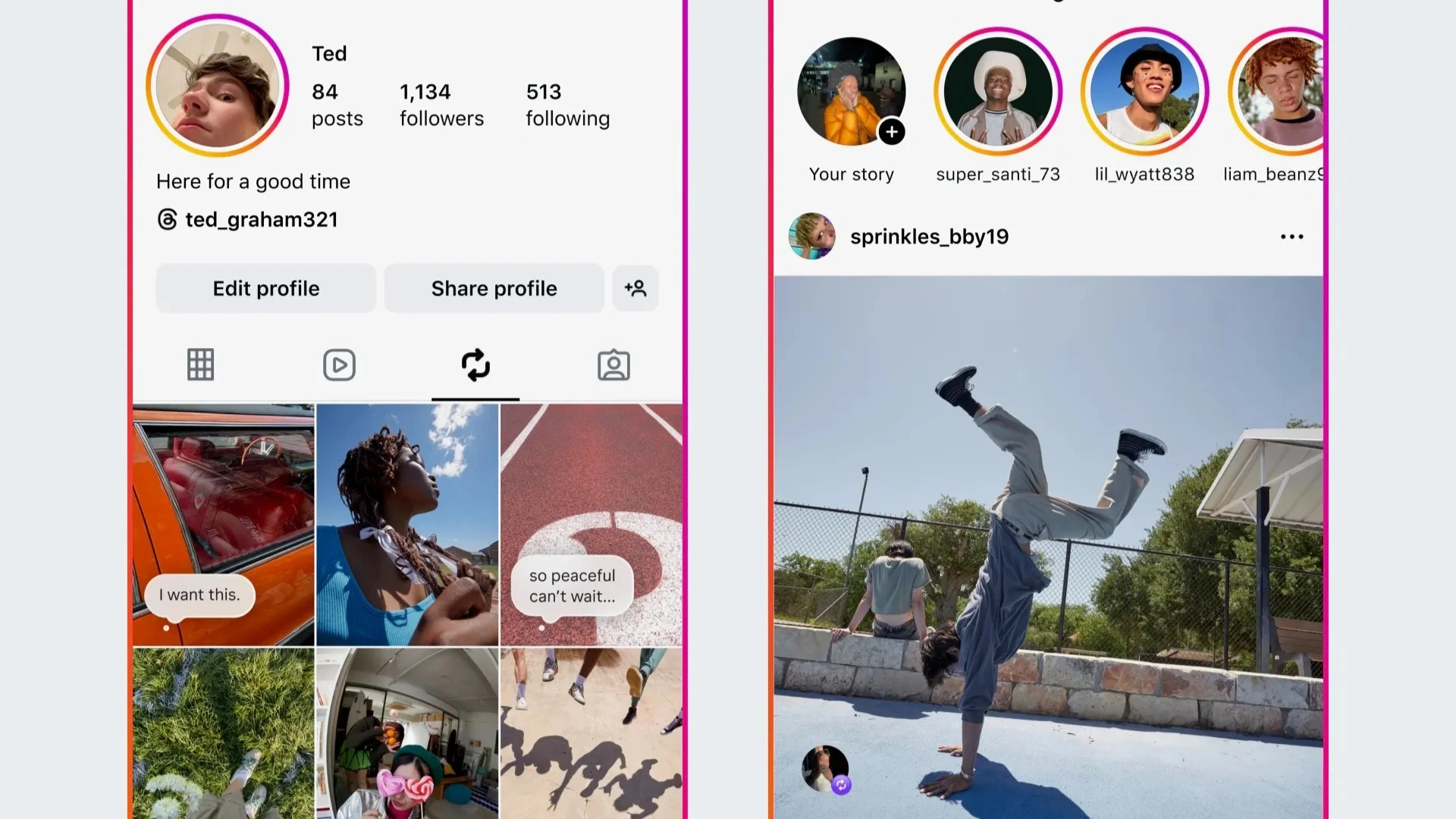
A social app needs a core set of features to function, and the original listed most of them correctly. Here they are, grouped by what they do rather than as a long undifferentiated list.
Area | Core features | Why it matters |
Identity | Sign-up, profile, easy login | The first impression and the account |
Content | Upload photos and videos, edit, post | The reason the app exists |
Social graph | Follow, feed, likes, comments | Turns content into a community |
Discovery | Search, tags, explore | How people find content and each other |
Direct contact | Messaging, notifications | Keeps people coming back |
Privacy | Private accounts, blocking, reporting | Safety and trust, now essential |
Two points update the original. Keep sign-up minimal, as it rightly said, because a long form at first contact loses users, so offer social or single-tap login and ask for details later. And treat the privacy row as essential rather than optional: private accounts, blocking and reporting are not nice-to-haves in 2026, but baseline safety features, and their absence is now both a trust problem and, in some markets, a legal one.
Notice also that the original's claim that these platforms sell user data to advertisers is inaccurate; they sell advertisers access to audiences and keep the data themselves, which is a different and important distinction.
Have a niche social app idea and want it scoped properly?
Tell me who your app is for and what it does differently, and I will outline the features, the hard parts, and a realistic cost.
The Hard Problems Nobody Mentions

The difficulty of a social app is not the features; it is scale, moderation, and the running cost, and these decide success more than any screen. The original skipped these almost entirely, and they are what founders most need to understand.
Serving media at scale
A social app stores and delivers huge volumes of photos and video, fast, to everyone at once. That is an infrastructure problem: storage, content delivery, a feed that stays quick as it grows, and it is where the real engineering lives.
An app that works for a hundred users can fall over at ten thousand if this is not built properly from the start, which is why it is core work for whoever you hire DevOps engineers to design the backend.
Content moderation
The moment users can post, some will post things you must remove, and moderation is a legal and ethical necessity, not an afterthought. Regulations such as the EU Digital Services Act place real obligations on platforms to handle illegal and harmful content, and users expect a safe space.
A social app needs reporting, review and, increasingly, AI-assisted moderation from day one, which is exactly the kind of capability our AI development services build in. Underestimating this is one of the most common and most costly mistakes.
The running cost
A social app is not a one-off build; it is an ongoing service with real monthly costs for storage, bandwidth and moderation that grow with your users. This is why the revenue model matters from the start, not after launch, and why a niche app, with lower scale, is often more viable than a mass-market one whose costs outrun a young business. Plan for the running costs before the build, not after.
How to Make It Pay
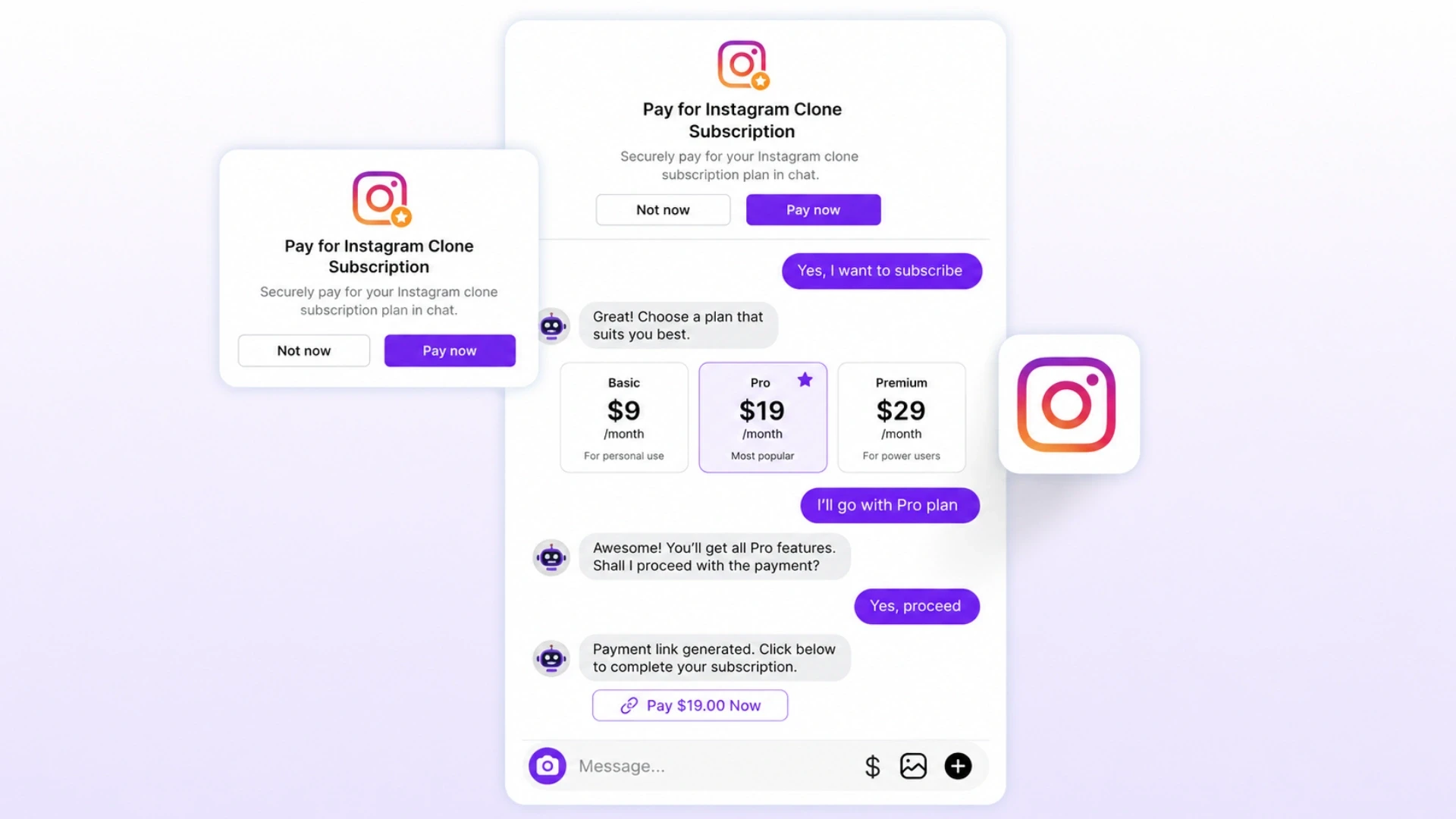
A social app earns through advertising, subscriptions, in-app purchases or commerce, and the right model depends on your niche. The original listed mostly advertising; the honest 2026 picture is broader.
Advertising works only at large scale, so for a niche app it is rarely the first choice. Subscriptions or premium features often fit a focused community better, because a passionate niche audience will pay for something built for them in a way a general audience will not. In-app purchases suit apps with a creative or gaming element, and integrated commerce suits communities built around products.
The key insight the original missed is that the revenue model should match the niche and its scale: a small, engaged, paying audience can sustain an app that advertising never could, and choosing the model early shapes what you build. Our overview of developing a unicorn SaaS covers subscription economics in depth.
How to Build It
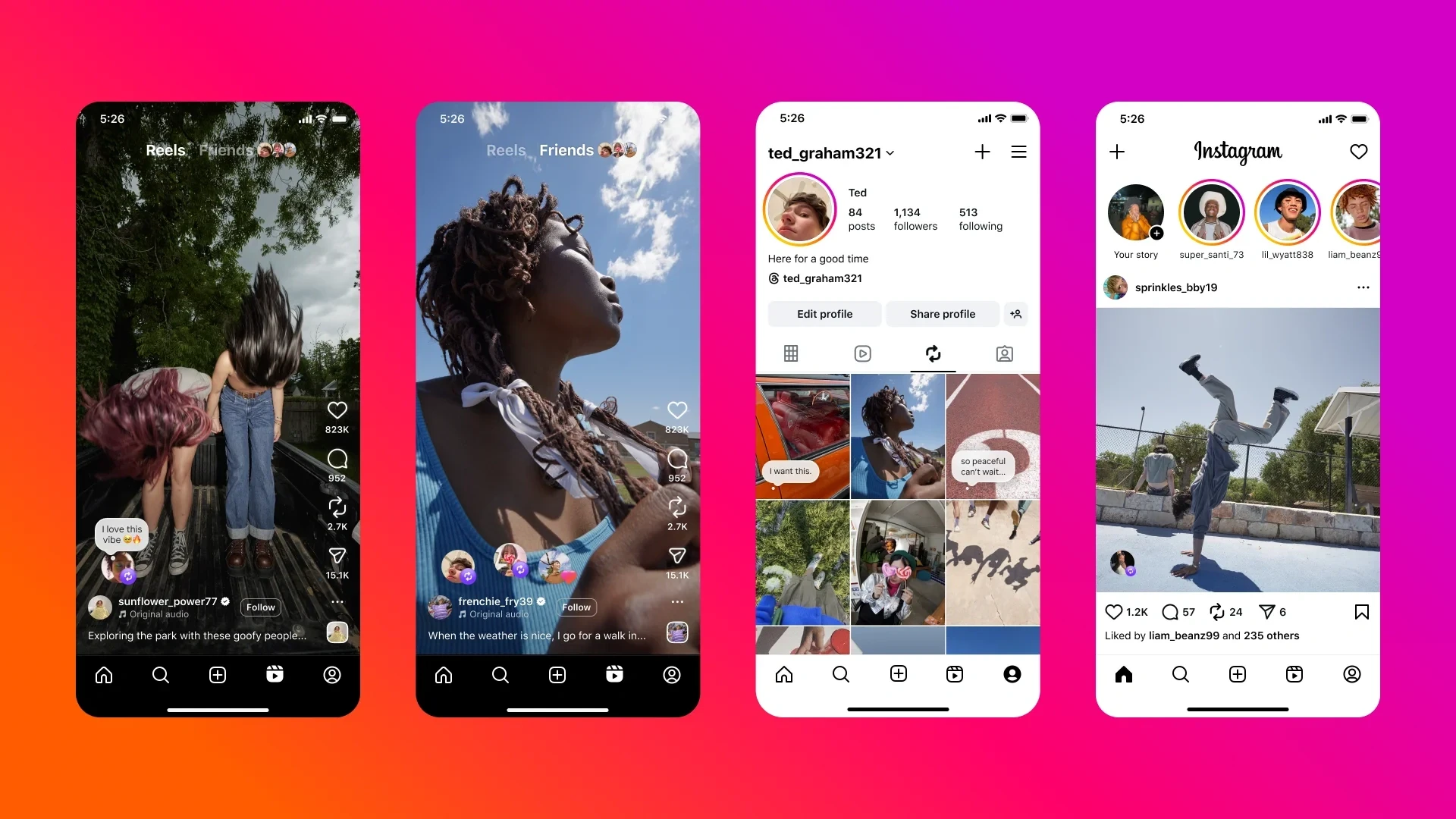
Build a social app in stages, starting with a minimum version that proves the niche before adding everything. The original framed this as freelancer versus company; the more useful frame is how to sequence the work.
Start with an MVP: the smallest version that lets your target community do the one thing that matters, so you learn whether they actually want it before spending on the full feature set. Cross-platform frameworks such as React Native let you reach both iPhone and Android from one codebase, which for a young social app is usually the right economics, so many founders hire React Native developers to move fast on both platforms.
An MVP build is the sensible first step. Working with an MVP development company helps you launch faster, validate your idea, and build a scalable backend and moderation system from the beginning instead of adding them later. An experienced team can also help you avoid common scaling and community management challenges.
Proof: A Social App We Built (Intoo)
We do not just describe social apps; we have built one, which is the proof that counts. Intoo is a real example from our own portfolio.
Client project: Intoo, an interest-based social platform Intoo came to Acquaint Softtech with an idea for a platform connecting like-minded people around shared interests, and curating news to match each user's interests. We turned that concept into a working social app that performed well on the Google Play Store. Intoo is exactly the niche approach this article recommends: not an Instagram clone, but a social app built around a specific purpose, connecting people by interest, that a general platform serves poorly. |
Intoo makes the article's central point concrete. It succeeded not by copying a giant but by serving a defined community with something built for them, which is the strategy that actually works for a new social app.
That sits within a wider record that is verifiable rather than asserted: 1,300+ delivered projects across 13+ years, 95% on-time sprint delivery, and 4.9 out of 5 across verified Clutch reviews, with an NDA before work begins and full client ownership of everything produced.
Because you own everything we build, a social app we deliver is yours to grow. Our case studies and client testimonials cover the social and content apps behind that record.
Want to build a social app that serves a real niche?
Book a free 30-minute call, and I will help you sharpen the niche, scope an MVP, and give you a realistic cost and timeline.
What an App Like Instagram Costs

The cost depends on how much you build now versus later, and a staged approach starting with an MVP is both cheaper and wiser. These are prevailing ranges rather than fixed quotes.
Stage | What it includes | Cost (USD) |
MVP for one niche | Core posting, feed, follow, one platform | 40,000 to 80,000 |
Standard social app | Full features, both platforms, moderation | 80,000 to 180,000 |
Scaled platform | Video-first, discovery, large scale | 180,000 to 400,000+ |
Running costs | Storage, bandwidth, moderation | Ongoing, grows with users |
Yearly maintenance | Updates, fixes, new features | 15 to 20% of build, per year |
Two truths shape the budget.
First, start with the MVP: proving a niche wants your app before building the full platform is the difference between a smart investment and an expensive guess.
Second, remember the running cost, which the original ignored entirely, because a social app keeps costing money every month for storage, bandwidth, and moderation, and that ongoing figure, not just the build, is what a founder must be able to fund. Our guide to building a mobile app for SaaS covers the wider product economics.
Where the work is done | Senior rate | Relative cost |
New York, USA | USD 110 to 200 / hour | Highest |
United States (national) | USD 90 to 170 / hour | Very high |
Australia | AUD 110 to 200 / hour | High |
United Kingdom | GBP 65 to 130 / hour | High |
Europe (EU) | EUR 70 to 140 / hour | High |
India (Acquaint Softtech) | USD 25 to 49 / hour | Up to 40% lower |
A social app is a large build, so the rate difference is substantial: the same app costs a fraction offshore, which for a founder funding both the build and its ongoing running costs can be the difference between viable and not. Where you want a full team without hiring in-house, a dedicated development team or added capacity through IT staff augmentation is usually the most efficient route to launch.
Turn your social app idea into a real product
Book a free 30-minute call, and I will scope your app with a fixed cost and timeline in your own currency.
Frequently Asked Questions
-
How do I create an app like Instagram?
Build profiles, a photo and video feed, uploads, following, likes, comments, messaging, and notifications on scalable media infrastructure. But start by defining a niche, since a straight clone rarely succeeds.
-
How much does it cost to build an app like Instagram?
An MVP for one niche starts around USD 40,000 to 80,000, a full social app runs USD 80,000 to 180,000, and a scaled platform far more, plus ongoing storage, bandwidth and moderation costs.
-
Can I compete with Instagram?
Not head-on. You cannot beat a global network at its own game. You can win by serving a specific community or purpose that Instagram serves poorly, which is where new social apps succeed.
-
What features does a social media app need?
Profiles and easy sign-up, photo and video posting, a feed, following, likes and comments, search and discovery, messaging, notifications, and privacy features like private accounts and reporting.
-
What is the hardest part of building a social app?
Not the features, but serving media at scale, moderating content, and covering the ongoing running costs. These decide whether the app survives growth and must be planned from the start.
-
Do social apps need content moderation?
Yes, from day one. It is both an ethical necessity and a legal one under rules like the EU Digital Services Act. Reporting, review, and AI-assisted moderation are baseline, not optional.
-
How do apps like Instagram make money?
Through advertising at scale, subscriptions, in-app purchases, or commerce. For a niche app, subscriptions or premium features often work better than advertising, which needs large scale.
-
Should I build a photo app or a video app in 2026?
Lean toward video. Social media is now video-first, shaped by short-form formats, so a new social app that ignores video is fighting the current. Match the format to your niche and audience.
-
How long does it take to build a social app?
An MVP typically takes a few months; a full social app with scale and moderation takes longer. Building in stages, starting with the MVP, is faster to a real launch and lower risk.
-
Is it better to build with React Native or native?
For a young social app, cross-platform with React Native usually gives the best economics, reaching both platforms on one budget, with native features added where they genuinely matter.
I love to make a difference. Thus, I started Acquaint Softtech with the vision of making developers easily accessible and affordable to all. Me and my beloved team have been fulfilling this vision for over 15 years now and will continue to get even bigger and better.
Table of Contents
Get Started with Acquaint Softtech
- 13+ Years Delivering Software Excellence
- 1300+ Projects Delivered With Precision
- Official Laravel & Laravel News Partner
- Official Statamic Partner
Related Blog

All You Need To Know About Website Development For Music Industry
The forces shaping UX design in 2026 are legal and technical rather than aesthetic. Accessibility is now enforceable law in the EU and UK, deceptive interface patterns are explicitly prohibited under the EU Digital Services Act, and AI features have introduced new design problems around trust, correction and consent. Gradients, illustrations and full-screen video are visual design choices, not user experience decisions, and confusing the two is the most common mistake in this field.
Mukesh Ram
June 1, 2023
10 Must Follow Steps of Mobile App Development Process
The mobile app development process is a structured set of 10 steps that moves an idea from concept to a published app: ideation, target audience and monetization, choosing the platform, UI/UX design, picking tools, choosing the right partner, fast development, testing and deployment, marketing, and post-launch maintenance. Following the steps in order, rather than rushing to publish, is what separates apps that get downloads from the ones that get ignored.
Mukesh Ram
July 29, 2019
Top NodeJS Development Companies in 2026
This curated list of the Top NodeJS Development Companies in 2026 helps founders, CTOs, and product leaders find expert engineering teams that deliver high-performance, scalable, and real-time Node.js applications across SaaS, FinTech, streaming, and IoT. With verified Clutch ratings, transparent hourly pricing from $22 to $149, and flexible engagement models like staff augmentation, dedicated teams, and fixed-price contracts, this guide makes it easier to shortlist the right Node.js partner for your project, budget, and long-term scalability goals.
Node.js has become the backbone of modern real-time applications, powering platforms like Netflix, LinkedIn, PayPal, and Uber with its event-driven architecture that handles 8,000+ concurrent requests per second. But selecting the right Node.js partner is harder than it looks, scope creep, junior swaps, and missed deadlines remain the biggest risks. To solve that, we reviewed verified Clutch data, pricing, technical depth, and client outcomes to rank the top Node.js development company options worth your 2026 budget.

Zubair Pateljiwala
May 13, 2026India (Head Office)
203/204, Shapath-II, Near Silver Leaf Hotel, Opp. Rajpath Club, SG Highway, Ahmedabad-380054, Gujarat
USA
7838 Camino Cielo St, Highland, CA 92346
UK
The Powerhouse, 21 Woodthorpe Road, Ashford, England, TW15 2RP
New Zealand
42 Exler Place, Avondale, Auckland 0600, New Zealand
Canada
141 Skyview Bay NE , Calgary, Alberta, T3N 2K6