

Mastering the Balance: How to Create an Informative Website That Converts Visitors into Customers
Balancing a helpful, informative website with a strong conversion strategy means educating your users while gently guiding them to take action. You want to answer their questions first, build real trust, and place clear, simple calls to action where people naturally make decisions. Get this web balance right and an informative site becomes a dependable engine that turns visitors into customers.

Mukesh Ram
As the Founder and CEO at Acquaint Softtech, I have learned that balanced site design is where good businesses win or lose customers. Striking a balance between informative content and conversion-focused elements is what turns a nice-looking page into a working one. Providing valuable information while gently guiding visitors toward a decision is the key to driving sales and building lasting relationships.
It is equally important to create an interactive website as it is to integrate the relevant functionality. You can hire remote developers to optimize it for SEO, drive relevant traffic, and convert that traffic into customers. This article is a practical insight into mastering the balance and developing the perfect website for your business.

- You get website traffic, but too few visitors turn into customers.
- You want the right web balance between helpful content and clear CTAs.
- You need practical, 2026-ready tactics for trust, speed, and conversion.
- You want a simple, step-by-step way to master website creation.
Most sites lean too far one way. Some are beautiful but say nothing useful; others are packed with information but never ask for the sale. The sweet spot is a page that answers the visitor's question within seconds, proves it can be trusted, and makes the next step obvious.
That is the balance this guide is about. We will cover how to set the stage, the informative elements every page need, the conversion and trust tactics that move people to act, and a simple process you can follow. Throughout, the goal is the same: an informative website that quietly converts.
Does this sound like something that could grow your business?
We build custom websites that balance user experience, content, and conversion, so your traffic turns into real inquiries. Book a free consultation to see where yours can improve.
Setting the Stage: Balanced Site Design

Find the proper equilibrium between interactivity and practicality. An engaging, user-friendly website should never sacrifice usability for interactive flourishes. Here is how to make that possible:
Know your audience: identify who you serve (students, professionals, older users, or a specific region or profession) before you brainstorm the design.
Interactive storytelling: it improves brand recognition and loyalty and helps you connect with your audience. See our take on the future of UX design trends.
Strategic content mapping: map the customer journey so the site aligns with what your audience actually needs at each stage.
Visual appeal and product showcase: use strategic images and video. Studies show visuals, including content made with an AI video generator, have a positive impact on branding and marketing.
Crafting compelling CTAs: a well-placed call to action gives visitors a natural path to buy or enquire, whether you sell a product or a service.
Social proof and trust signals: verifiable contact details, active social media, and security certifications reassure skeptical visitors.
Data-driven optimization: use analytics, AI, and ML to refine your website and strategy based on real behavior.
Responsive interactivity: build responsively so the site works across phones, tablets, laptops, and desktops.
Key Informative Elements
Before you optimize for conversion, get the informative basics right. These three elements do most of the work:
Clear value: tell visitors what you do and who you help within three seconds of landing on your page.
Helpful content: answer common customer questions honestly instead of just pushing sales copy.
Clean layout: keep your main menu short with simple, direct labels.
Striking the Perfect Balance
Every business needs an online presence, but design and usability must work together. The design should spark interest and be highly appealing, while the features stay easy to use. Visitors should grasp the site within seconds and quickly find what they need. Mastering website creation with a professional web development mindset comes down to a few essentials:
Innovative, purposeful interaction
User-centered design
Streamlined functionality
Clear data visualization
Conversion-centered interactivity
Ongoing testing and optimization
A seamless checkout process
Key Features of a Perfect Website
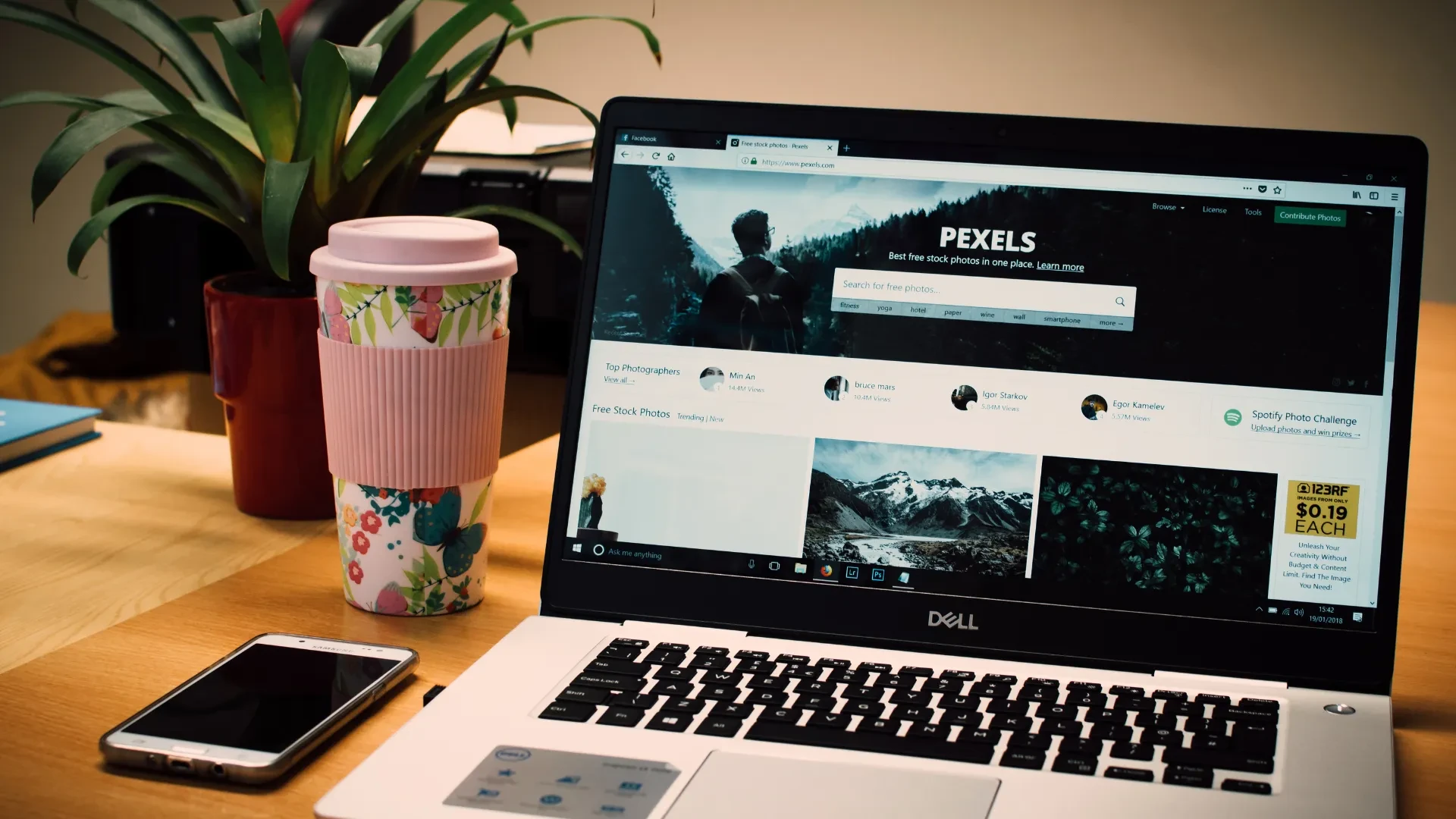
Designing the perfect website means balancing user experience, functionality, aesthetics, and effectiveness. Knowing how to create the perfect website starts with these building blocks:
Simple, user-friendly navigation so visitors find information without confusion.
High-quality, relevant images and video, kept light so pages load fast. See our guide to image optimization for user experience.
Well-organized, valuable content. If you use AI writing tools, remember to humanize AI text so it reads naturally.
A mobile-responsive design and an efficient search bar with smart filters.
Reliable, secure web hosting for uptime, performance, and protection against threats.
Genuine testimonials, visible contact details, and a live chat option.
A blog, clean URLs, meta tags, analytics integration, and clear accessibility (alt text, colour contrast).
A fast, hassle-free checkout with multiple payment options and AI-driven personalization.
Tailor these to your industry, audience, and goals. At Acquaint Softtech, we also have deep experience with MVP development, so you can launch a low-risk, cost-effective version first and grow from there.
Element | Why it matters | Quick win |
Clear value prop | Orients visitors in 3 seconds | One-line headline |
Helpful content | Builds trust | Answer top questions |
Social proof | Reduces perceived risk | Reviews near the top |
Strong CTA | Drives the next step | “Get a Quote” button |
Fast, mobile-first | Cuts bounce rate | Compress images |
Conversion and Trust Tactics
Social proof: show real client reviews, case studies, and logos near the top of the page.
Strong CTAs: use bright buttons with simple action words like “Get a Quote” or “Book Now”.
Fast performance: compress your images and design for mobile phones first so pages load instantly.
Tactics to Drive More Traffic to Your Website

Many factors influence website traffic, but optimization makes the biggest difference. Visitors are more likely to stay and return when a site is fast, feature-rich, and well-designed. In fact, 70% of visitors are more likely to return to a high-performing website.
To attract visitors and drive customers to your website, combine strong SEO, helpful content, social media, email, and targeted ads, then tailor design and marketing to the right demographic. Personalization keeps people coming back.
A few figures underline how much design and speed matter:
Signal | Figure | What it means |
First impressions tied to design | 94% | Design shapes trust instantly |
Credibility linked to design | 75% | Looks affect believability |
Won't return after a poor experience | 89% | One bad visit loses them |
Mobile-friendly lifts return visits | 74% | Mobile-first is essential |
Annual revenue lost to weak sites | 2.6B dollars | Performance is money |
Tips to Convert Website Visitors into Customers
Building an appealing website is one thing; converting visitors is another. Here are practical ways to raise your conversion rate:
Create a dedicated landing page for visitors clicking on social media ads, and keep the content tightly relevant.
Keep visitors engaged with creative, unique, and interactive elements so they do not drift away.
Build trust with contact details, social connections, endorsements, certifications, and security seals.
Watch performance with real-time data and testing, and continuously optimize.
Include a portfolio, blog, gallery, and chatbot, plus strategic CTAs that invite action.
At Acquaint Softtech, our developers have launched thousands of next-generation web and mobile solutions across many industries, and we build each one to balance experience, design, and conversion.
Want more visitors and more conversions?
We have the recipe to balance user experience, design, and features so more of your traffic becomes customers. Get a free conversion review of your site.
How to Build a Website That Converts: Step-by-Step
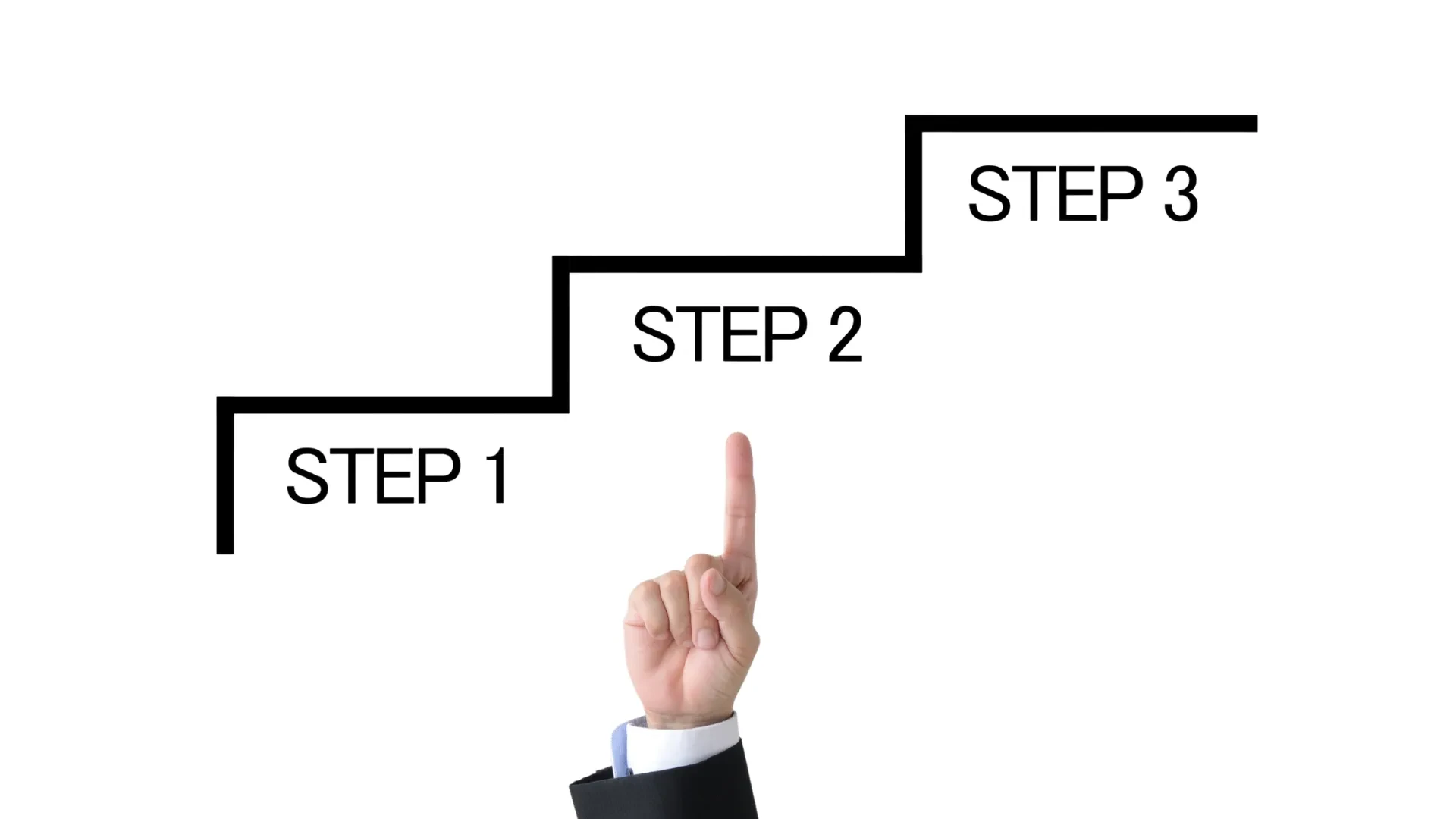
Here is a simple, repeatable process to balance information and conversion on any page.
Set one goal per page: decide the single action you want a visitor to take.
Lead with a clear value proposition: say what you do and who you help in one line.
Answer questions first: structure content to educate before it sells.
Add trust signals: reviews, logos, certifications, and security near the decision point.
Place CTAs where decisions happen: use clear, bright buttons with action words.
Optimize speed and mobile: compress images and design mobile-first.
Track and test: use analytics and A/B tests to keep improving.
Case Study: A Conversational Shopping Assistant
A great example of balancing information and conversion is a project Acquaint Softtech delivered for HAIX Group, a specialist safety-footwear manufacturer. Instead of a simple UI refresh, we built a conversational shopping assistant that guides shoppers by intent, not just clicks. This account is drawn from the client's verified Clutch review, which scored the engagement 5.0 for value and willingness to refer.
Client | HAIX Group (safety-footwear manufacturer) |
Challenge | Help customers find the right footwear faster and reduce friction in product discovery, especially for new users unfamiliar with technical categories. |
What we did | Built a conversational assistant embedded in the site that answers product questions in real time, recommends by use-case and environment, and adapts to browsing, comparing, or buying. |
Smart detail | Backend logic keeps recommendations aligned with live inventory, and unclear queries are handled gracefully instead of returning irrelevant suggestions. |
Outcome | More engaged browsing sessions, longer time on site, a more structured buying journey, and fewer “which product should I choose” support inquiries. |
The client's verdict was that we made recommendations “feel natural and understandable,” even for shoppers new to the category. It is a clear example of using WordPress development and AI together to turn browsing into buying.
Company-wide proof: Acquaint Softtech has delivered 1,300+ projects across 20+ industries over 13+ years, with 70+ in-house engineers, a 95% on-time delivery rate, and a 4.9/5 rating from 80+ verified Clutch reviews, as an official Laravel and Statamic Partner.
To Sum Up
By combining the strategies in this article, you can create an effective, informative website that converts visitors into customers. The design and development process is simple when you break it into smaller milestones, so avoid treating it like one big ordeal.
Create a clear picture of your requirements and approach a professional partner like Acquaint Softtech. We can guide you through the process, provide regular updates, and help you include the right features to gain an edge. The cost varies with complexity, but the right balance of information and conversion pays for itself.
Ready to create the perfect balance for your website?
Talk to our team about your goals, and we will map the design, features, and conversion path your site needs, with a clear plan and no obligation.
FAQs: Building a Website That Converts
-
How do I attract visitors to your website?
Combine SEO-optimized content, a fast mobile-first site, active social media, email marketing, and targeted ads. Publish helpful content that answers real questions, then promote it where your audience already spends time.
-
How to get 1000 visitors a day to your website?
Reaching 1,000 daily visitors usually takes consistent SEO content, a few ranking keywords, social sharing, email, and some paid ads. Focus on one strong channel first, track what converts, then scale the tactics that work.
-
What percentage of website visitors buy?
Average website conversion rates sit around 2 to 3%. Well-optimized sites with clear value, trust signals, fast speed, and strong CTAs often reach 5% or higher, which is why balance and testing matter.
-
How do I drive customers to my website?
Attract the right audience with targeted SEO and ads, then convert them with a clear value proposition, social proof, and simple CTAs. Retarget past visitors and use email to bring warm leads back.
-
What makes a user-friendly design?
A user-friendly design is easy to navigate, visually clear, fast, and responsive on all devices. Short menus, readable text, obvious CTAs, and quick load times keep visitors moving toward a decision.
-
Why is website loading speed crucial?
Fast loading prevents frustration and reduces bounce. Since most visitors browse on mobile and many leave slow pages, speed directly affects both rankings and conversions, making it one of the highest-impact fixes.
I love to make a difference. Thus, I started Acquaint Softtech with the vision of making developers easily accessible and affordable to all. Me and my beloved team have been fulfilling this vision for over 15 years now and will continue to get even bigger and better.
Table of Contents
Get Started with Acquaint Softtech
- 13+ Years Delivering Software Excellence
- 1300+ Projects Delivered With Precision
- Official Laravel & Laravel News Partner
- Official Statamic Partner
Related Reading
Mobile Commerce Development: Native Apps, React Native, and PWAs for E-Commerce
Mobile commerce development is the practice of building shopping experiences for mobile devices through native apps, cross-platform React Native apps, or Progressive Web Apps. Native apps offer the highest performance and retention, React Native delivers both platforms from one codebase at 40 to 60 percent lower cost, and PWAs give app-like speed in the browser with zero install friction.

Manish Patel
June 26, 2026
Is Laravel Fit For Your Web Development Project?
Laravel website development involves using a powerful PHP framework to build fast, secure, and custom web applications. Its key features include the Eloquent ORM, Blade templating, strong built-in security, and a rich ecosystem (Livewire, starter kits). It is a great fit for custom business portals, online stores, SaaS platforms, and APIs, which is why it remains the most popular PHP framework in 2026.
Mukesh Ram
November 9, 2022
How much will your web app development cost?
Web application development cost typically ranges from $15,000 to $200,000+ globally (roughly £15,000 to £150,000+ in the UK), depending on scope, features, and team location. A simple MVP runs $10,000 to $50,000, a mid-scale business web app $50,000 to $150,000, and a complex or enterprise platform $150,000 to $300,000+. Hiring a remote team can cut labor costs sharply, and at Acquaint Softtech, an MVP can reduce your project cost by up to 60%.
Mukesh Ram
November 11, 2022India (Head Office)
203/204, Shapath-II, Near Silver Leaf Hotel, Opp. Rajpath Club, SG Highway, Ahmedabad-380054, Gujarat
USA
7838 Camino Cielo St, Highland, CA 92346
UK
The Powerhouse, 21 Woodthorpe Road, Ashford, England, TW15 2RP
New Zealand
42 Exler Place, Avondale, Auckland 0600, New Zealand
Canada
141 Skyview Bay NE , Calgary, Alberta, T3N 2K6