

Property and Casualty Insurance Platform Development: Home, Commercial, and Specialty Lines
Property and casualty insurance platform development is the building of software that quotes, underwrites, and services insurance for things rather than people: homes, businesses, and specialty risks like cyber or pet. The best platforms run all three line groups on one configurable engine that shares a data model while letting each line carry its own products and rules. P&C led the insurtech market with a 58.73 percent share in 2025, and a custom P&C platform typically costs $300,000 to $1.5M.

Manish Patel
As a CIO at Acquaint Softtech, when I look at Software Product Development I often see a common issue in scaling insurance platforms. The carrier that rebuilt the same platform three times usually starts with a simple homeowners product, then expands into small business, and later into cyber, pet, or other specialty lines. Instead of extending one system, they end up building separate platforms each time, which creates multiple data models, fragmented integrations, and slower delivery.
This is a core mistake in P&C development, treating each line as a separate system instead of a configurable extension. With specialty lines growing fast, speed becomes critical. The better approach is a single configurable platform where all products are treated as extensions, not new builds.

- You run a P&C carrier or MGA and adding a new line of business takes quarters, not weeks.
- You are launching a digital-first home, commercial, or specialty insurer from scratch.
- You want one platform that serves home, commercial, and specialty lines without three rebuilds.
- You need to embed smart-home, IoT, or external risk data into underwriting and prevention.
- You are scoping a P&C build and need to know cost, timeline, and what to build first.
Acquaint Softtech's product development services structure P&C builds around that single engine, and the broader engineering context lives in the complete guide to InsurTech software development. For the AI that prices property risk and prevents claims, the AI development services team builds the risk and prevention models.
This article explains why one engine beats three platforms, then walks the three risk worlds of P&C, home, commercial, and specialty, and shows how each rides on the shared core. It is written for the carrier or founder who has felt the pain of rebuilding the same platform for every new line and wants the architecture that ends it.
What P&C Insurance Is and Why One Engine Wins
Property and casualty insurance covers damage to things and liability for harm, as opposed to life and health, which cover people. It spans personal lines like homeowners and renters, commercial lines like business property and general liability, and specialty lines like cyber, pet, marine, and travel. What unites them is structure: every P&C product quotes a risk, binds a policy, services it, and pays claims. That shared structure is exactly why one engine can serve them all.
What is P&C insurance?
P&C insurance, property and casualty insurance, protects policyholders against loss of or damage to property and against legal liability for injury or damage they cause to others. Homeowners and auto are the largest personal P&C lines; commercial multi-peril and general liability are core commercial lines; cyber, pet, marine, and travel are fast-growing specialty lines.
Acquaint Softtech builds P&C platforms on a shared core where the lifecycle logic is common, and each line supplies only its own products, rating, and rules. The engagement model is described in the dedicated software development teams service, where engineers with P&C domain experience own the engine rather than building disposable per-line systems.
The shared core must expose clean APIs so home, commercial, and specialty products all read one data model. Acquaint Softtech's backend development services build the data and API layer that lets a new line plug into existing quote, bind, and claims services instead of duplicating them.
For teams that want to design the multi-line engine before committing budget, the discovery workshop service produces a shared data model, a product-configuration plan, and a line-by-line roadmap in four to six weeks. That blueprint is what prevents the three-platforms mistake before a single line of code is written.
The Configurable Multi-Line Engine
The configurable multi-line engine is the heart of a modern P&C platform. It separates what is common across every line, the policy lifecycle, the data model, the billing and claims plumbing- from what is unique to each line: the products, rating factors, forms, and underwriting rules. Product managers configure new lines and products through a configuration layer rather than waiting on engineering, which is how a new specialty line goes live in weeks instead of quarters.
How does a multi-line P&C platform work?
It works by treating a product as data, not code. The engine provides the lifecycle and shared services, while each line of business is defined in a product-configuration layer that sets coverages, rating logic, eligibility rules, forms, and workflows. When a carrier wants a new specialty product, a product manager configures it on top of the existing engine instead of building a new platform. This approach is often implemented using modern MEAN stack development services, which provide the flexibility and scalability needed to support configurable, fast-moving insurance products.
This is the same configurability principle that mature vendor suites charge millions for, built as owned software the carrier controls. The result is one codebase serving home, commercial, and specialty lines without branching.
Engine Layer | What It Holds | Shared or Per-Line |
Policy lifecycle | Quote, bind, endorse, renew, cancel | Shared across all lines |
Data model | Canonical policy and party record | Shared across all lines |
Billing and claims | Premium, payment, claim plumbing | Shared across all lines |
Product configuration | Coverages, forms, eligibility | Per-line, configured not coded |
Rating algorithm | Pricing factors and rules | Per-line, business-editable |
Acquaint Softtech builds the configuration layer so product managers create and change products without an engineering release, the capability that turns a quarter-long launch into a two-week change. This is delivered through the software product development practice, which treats product configuration as a first-class, business-editable component.
The rating and rules engine that powers each line is built to be versioned and auditable, because P&C pricing must match the rates filed with each regulator. Acquaint Softtech's Python development team builds the rules and rating engine as typed, version-controlled logic that product and actuarial teams can review without reading raw code.
The principle of one shared data model under many products is the same one explored in the InsurTech software development guide, which explains why a unified core beats a set of stitched-together per-line systems across every insurance category.
Tired of rebuilding your platform for every new line?
Acquaint Softtech has shipped 1,300+ projects in 13+ years and deploys a dedicated P&C team within 48 hours of a brief. Book a call, and we will map your multi-line engine first.
Risk World 1: Home and Property Lines

Home and property is the largest and most digitised P&C personal line, and the one where prevention technology is reshaping the product. Homeowners, renters, and condo policies share a common shape but differ in what they cover and how they are rated.
The modern home platform does more than price and pay: it integrates smart-home and external property data to prevent claims before they happen, turning the insurer from a payer of losses into a partner in avoiding them.
How does Hippo insurance work?
Hippo is a technology-driven home insurer that lets a customer get a quote in under 60 seconds and a policy in about 4 minutes through a streamlined online questionnaire. What distinguishes it is prevention: Hippo integrates smart-home monitoring devices that detect risks like water leaks early, aiming to stop claims before they occur, and offers device credits and proactive risk alerts.
Hippo operates through carrier partners, having acquired Spinnaker Insurance, licensed in all 50 states, and runs an Insurance-as-a-Service model alongside its own home program. It writes HO3 policies with modern endorsements built around today's home systems.
Acquaint Softtech builds home platforms with fast questionnaire-driven quoting and smart-home data integration, so prevention is part of the product rather than an afterthought. The customer-facing quoting and policy experience is built by the frontend development team, delivering the under-a-minute quote flow that digital home buyers now expect.
The smart-home and IoT integration that powers proactive risk alerts is built by the Python development team, which ingests sensor data and external property data, roof condition, flood zone, wildfire exposure, into the underwriting and prevention layer.
The property risk-scoring models that use aerial imagery and geospatial data draw on the same engineering described in the modern insurance underwriting guide, which covers satellite and aerial property risk assessment in depth.
Risk World 2: Commercial P&C Lines
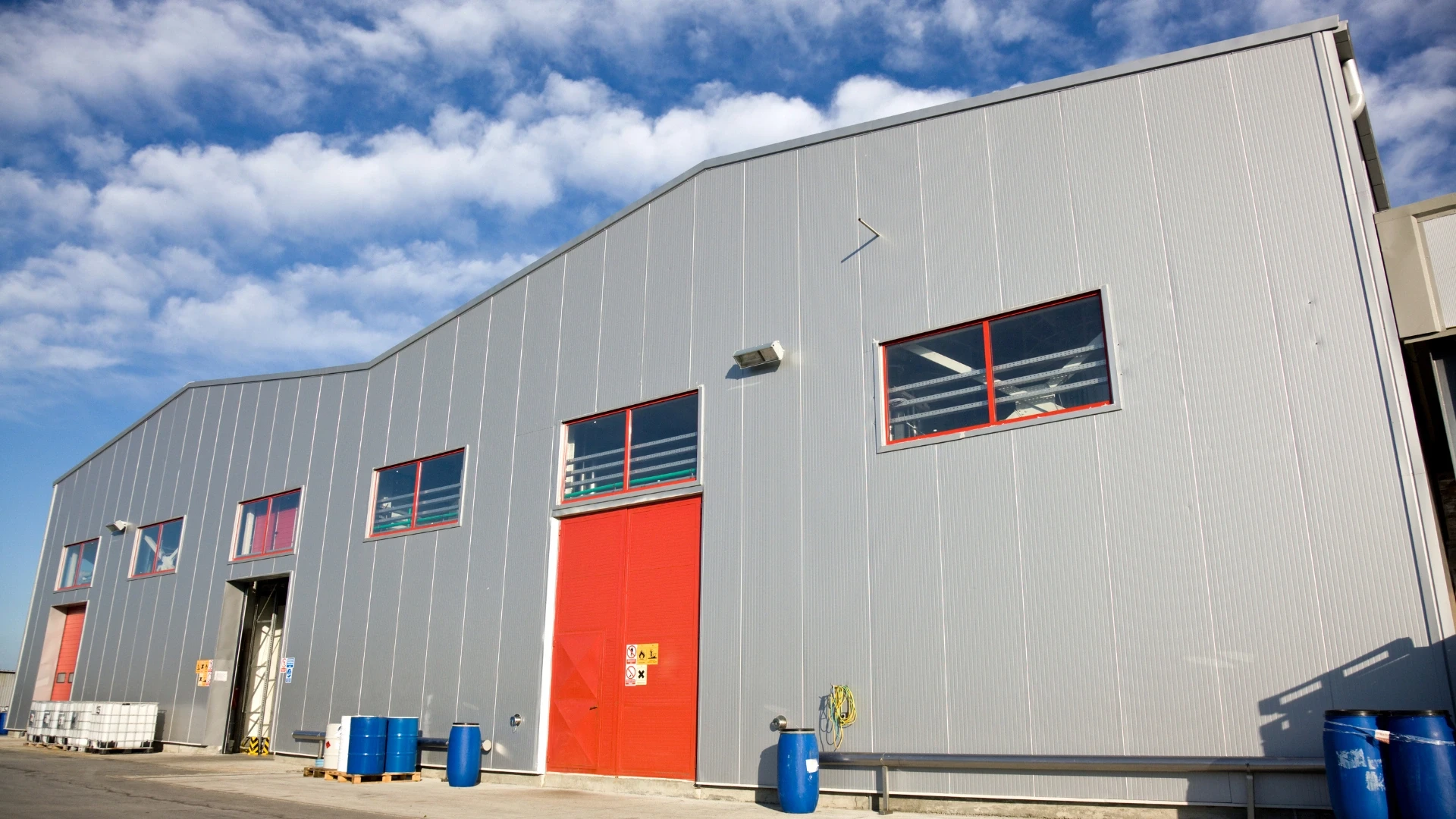
Commercial P&C is where the SME and commercial segment is growing at over 15 percent a year, and where the engineering challenge shifts from consumer simplicity to submission complexity. Commercial multi-peril, general liability, commercial property, and commercial auto cover businesses, and the risk is heterogeneous: a bakery, a warehouse, and a software firm need very different coverage and pricing. The platform must handle complex submissions, multi-location risks, and the broker relationships through which most commercial business still flows.
What makes commercial P&C platforms different from personal lines?
Three things: submission complexity, risk heterogeneity, and distribution. A commercial submission arrives with far more data than a personal quote, often as documents from a broker, and must be parsed and enriched before it can be priced. Each business is a unique risk, so rating is more nuanced and more often requires human underwriting.
And most commercial business flows through brokers, so the platform needs a broker portal and submission workflow, not just a direct-to-consumer funnel. The configurable engine handles the shared lifecycle; the commercial line adds the submission intake, enrichment, and broker tooling on top.
Commercial Line | Typical Risk | Platform Need |
Commercial multi-peril | Property plus liability bundle | Multi-coverage product configuration |
General liability | Third-party injury and damage | Class-code rating and eligibility rules |
Commercial property | Building and contents | Location and construction data enrichment |
Commercial auto | Fleet and driver risk | Vehicle and telematics integration |
Business owners policy (BOP) | Small-business bundle | Fast quote for standard SME risks |
Acquaint Softtech builds the commercial submission intake to parse broker documents and enrich them with external business data before pricing, removing the manual data entry that slows commercial quoting. The submission and enrichment pipeline is built through the AI development services, using document understanding to turn unstructured submissions into structured, rateable risk.
The broker portal and submission workflow that commercial distribution depends on are built by the MERN stack development team, giving brokers a fast way to submit, track, and bind business against the same core engine the direct channel uses.
Scaling the commercial engineering team quickly without permanent hiring is covered in the guide to what staff augmentation is, which explains how Acquaint Softtech adds P&C-experienced engineers within 48 hours to handle a new commercial line.
"The mistake we see most in P&C is a carrier that built a beautiful homeowners platform and then tries to bolt commercial onto it. Personal and commercial look similar but behave completely differently: one is a 60-second self-service quote, the other is a broker submission with forty data points and a human underwriter. Build the shared engine to carry both from day one, and commercial becomes a configuration. Bolt it on later, and it becomes a second platform." - Manish Patel | Director of Engineering, Acquaint Softtech
Risk World 3: Specialty Lines
Specialty lines are the fastest-growing corner of P&C, projected to grow at an 18.63 percent CAGR, and the one that most rewards a configurable engine. Cyber, pet, marine, travel, and other niche products often have small volumes individually but high growth and high margins collectively.
A carrier that can stand up a new specialty product in weeks can chase these opportunities as they appear; one that needs a new platform each time cannot. Specialty is where the one-engine architecture pays off most directly. This is also where strong engineering capability matters, including access to experienced teams such as Laravel developers who can rapidly build and scale configurable insurance platforms.
Why are specialty lines the best test of a P&C platform?
Specialty lines like cyber, pet, and travel insurance differ in data and speed needs, but all rely on the same core policy, billing, and claims lifecycle. Instead of building separate systems, insurers can launch them as configured products on one shared engine. This approach, used in modern software product development, enables faster launches, easier scaling, and avoids rebuilding a new platform for every new line.
Specialty data integrations, cyber attack-surface feeds, pet health data, and travel booking context are built by the hired AI and ML engineers team, which connects the niche external data each specialty line depends on into the shared underwriting layer.
Where a specialty line is distributed through partners, the embedded distribution pattern is the same one described in the insurance claims automation guide, whose high-volume, automated claims approach suits low-premium specialty products like pet and travel.
Specialty lines are growing at nearly 19 percent a year
Acquaint Softtech builds configurable P&C engines at up to 40% less than Western agencies, with a 95% sprint delivery rate. Book a call and get a multi-line architecture in one session.
Underwriting, Pricing, and External Risk Data
What separates a modern P&C platform from a digitised legacy one is the external data it brings into underwriting. Property risk is increasingly assessed from aerial imagery and geospatial data; commercial risk from business data and IoT; specialty risk from line-specific feeds like cyber scanning. The platform that can enrich a quote automatically with this data prices more accurately, prevents more claims, and decides faster, which is the whole promise of insurtech P&C.
How is external data used in P&C underwriting?
It replaces manual underwriting with real-time, data-driven risk scoring at quote time. Home uses imagery and catastrophe data, commercial uses business and loss history, and specialty lines like cyber or auto use live signals like attack-surface scans and telematics. This enables faster, more accurate pricing based on real risk and also supports early loss prevention. Built with AI development services, the enrichment layer combines internal and external data to improve underwriting across all insurance lines.
The high-throughput data pipelines that move imagery, IoT, and external feeds into underwriting are built by the DevOps engineering team, which builds the scalable, monitored infrastructure that keeps enrichment fast even at quoting volume.
Budgeting a data-intensive, multi-line P&C platform realistically is covered in the minimum budget required to start a Python development project guide, which gives a framework for estimating the engineering behind a P&C build before committing.
Build vs Buy and Legacy Modernisation

Most P&C carriers face the same crossroads: buy a vendor suite, build custom, or modernise the legacy core they already run. Vendor suites offer mature multi-line functionality but cost millions and take years to implement. Custom builds give a carrier an owned, configurable engine at lower long-run cost but require engineering capability.
And modernising a legacy P&C core, often several systems accumulated through mergers, must be done incrementally to avoid disrupting in-force policies. The right path depends on scale, product ambition, and how much the carrier needs to differentiate through software.
Should you build a custom P&C platform or buy a vendor suite?
Buy a vendor suite if you run standard insurance lines at large scale and can support a long, expensive implementation. Build a custom platform if you are an MGA or digital-first carrier that needs speed, flexibility, and differentiated products without per-policy licensing limits. For most carriers targeting fast-growing SME and specialty lines, a custom configurable engine is more agile and cost-effective. A discovery workshop helps define a clear build vs buy decision based on scale and product needs.
Acquaint Softtech is frequently engaged to build a Lemonade-style or Hippo-style P&C platform for carriers and MGAs whose products or speed needs do not fit a vendor suite. The software product development team scopes these as owned, configurable engine builds. For carriers weighing the decision, the virtual CTO services produce an independent build-versus-buy analysis with a total cost of ownership model.
Carriers modernising a legacy P&C core rather than starting fresh use the strangler fig pattern to migrate line by line. Acquaint Softtech's version upgrade and migration services run this incrementally, capturing new business on the modern engine while the legacy book is migrated in reconciled stages.
Migrating P&C policy and claims data accurately is the part that most often fails. Acquaint Softtech's database development team runs the extraction, cleansing, and reconciliation as a dedicated workstream so migrated policies match the source of record before going live.
Cost, Timeline, and Build Sequencing
.webp "Cost, Timeline, and Build Sequencing")
P&C platform cost scales with the number of lines built, the depth of external data enrichment, the distribution channels supported, and whether the build is greenfield or a legacy modernisation.
The figures below reflect offshore delivery with senior insurance-domain engineers, the model Acquaint Softtech uses across its 1,300+ project portfolio. The sequencing rule for P&C is specific: build the shared engine first, then the first line, then add lines as configurations.
Scope | Estimated Cost (USD) | Timeline |
Configurable multi-line engine core | $200,000 to $500,000 | 8 to 16 months |
First line (e.g. homeowners) on the engine | $120,000 to $300,000 | 5 to 9 months |
Additional line as configuration | $60,000 to $160,000 | 3 to 6 months |
Commercial submission and broker tooling | $110,000 to $260,000 | 5 to 9 months |
External risk-data enrichment layer | $80,000 to $200,000 | 4 to 8 months |
Full multi-line P&C platform | $650,000 to $1,800,000 | 16 to 30 months |
The right sequence builds the shared engine and one launch line together, proves the model in market, then adds each additional line as a configuration rather than a new build.
This is why the first line is expensive and every line after it is cheaper and faster: the economics that make the one-engine approach win over time. Building line two as a separate platform because it seemed faster in the moment is the most common and most expensive P&C sequencing mistake, because it forfeits the entire advantage of the shared core.
Agencies that want to deliver P&C platform capability to their own carrier clients use Acquaint Softtech's white label software development, which provides the engineering depth under the agency's branding with full NDA coverage.
Keeping a multi-line platform current as lines and regulations evolve requires ongoing capacity, which Acquaint Softtech provides through support and maintenance services, covering new line configuration, data-source updates, and rating changes after launch.
Join 200+ technology companies that have scaled with Acquaint Softtech.
Multi-line P&C platforms delivered at up to 40% less than Western agencies, with a 4.9/5 rating from 50+ verified Clutch reviews. Book a call and leave with a sequenced, one-engine build plan, no obligation.
Frequently Asked Questions
-
What is P&C insurance?
P&C insurance (Property and Casualty) protects against damage to property and legal liability for harm caused to others. It includes home, auto, business, and specialty insurance like cyber or travel. It is one of the largest segments of the insurance industry.
-
What does P&C insurance cover?
It covers property damage, theft, accidents, and liability claims if you are responsible for injury or loss. Examples include car accidents, home damage, and business liability. It helps reduce financial risk from unexpected events.
-
What are the main types of P&C insurance?
The main types are personal lines, commercial lines, and specialty lines. Personal includes home and auto, commercial includes business insurance, and specialty includes cyber and travel. Each protects against different risks.
-
How does Lemonade insurance work?
Lemonade Inc uses AI and chatbots to sell and manage insurance policies. Customers get quotes quickly, and simple claims are processed automatically. It offers renters, homeowners, pet, and other insurance products.
-
How does Hippo insurance work?
Hippo Insurance provides fast home insurance quotes and focuses on prevention using smart-home technology. It offers policies in minutes through online applications. It also partners with licensed carriers for coverage.
-
What is a P&C insurance platform?
A P&C insurance platform is software that manages policy creation, pricing, claims, and billing across multiple insurance lines. It allows insurers to launch new products quickly. Modern platforms are configurable and API-driven.
-
How much does a P&C insurance platform cost?
A full P&C platform typically costs $650,000 to $1.8 million. Costs depend on the number of insurance lines and features. Offshore development can reduce costs by up to 40%.
-
What are specialty lines in P&C insurance?
Specialty lines are niche products like cyber, pet, marine, and travel insurance. They are fast-growing and highly configurable. Insurers can launch them quickly using modern platforms.
-
Should insurers build or buy a P&C platform?
Buy if you need standard insurance at scale with low customization. Build if you are an MGA or insurtech needing flexibility and faster product launches. Many digital insurers prefer custom platforms.
I lead technology and client success at Acquaint Softtech with one goal in mind. Deliver work that feels personal, reliable, and worthy of long term trust. I stay close to both our clients and our developers to make sure every project moves with clarity, quality, and accountability.
Table of Contents
Get Started with Acquaint Softtech
- 13+ Years Delivering Software Excellence
- 1300+ Projects Delivered With Precision
- Official Laravel & Laravel News Partner
- Official Statamic Partner
Related Blog
.webp "Health Insurance Platform Development: Payer Systems, Member Portals, and Telehealth Integration")
Health Insurance Platform Development: Payer Systems, Member Portals, and Telehealth Integration
Health insurance platform development is the building of the technology a health payer needs to enrol members, adjudicate claims, manage benefits, and connect care. It spans three pillars: a payer core system for eligibility, claims, and benefits; a member portal and app for self-service; and FHIR-based integration with telehealth, EHRs, and pharmacy systems. A custom payer platform typically costs $300,000 to $1.5M and must be HIPAA-compliant and CMS interoperability-ready from day one.
Manish Patel
June 23, 2026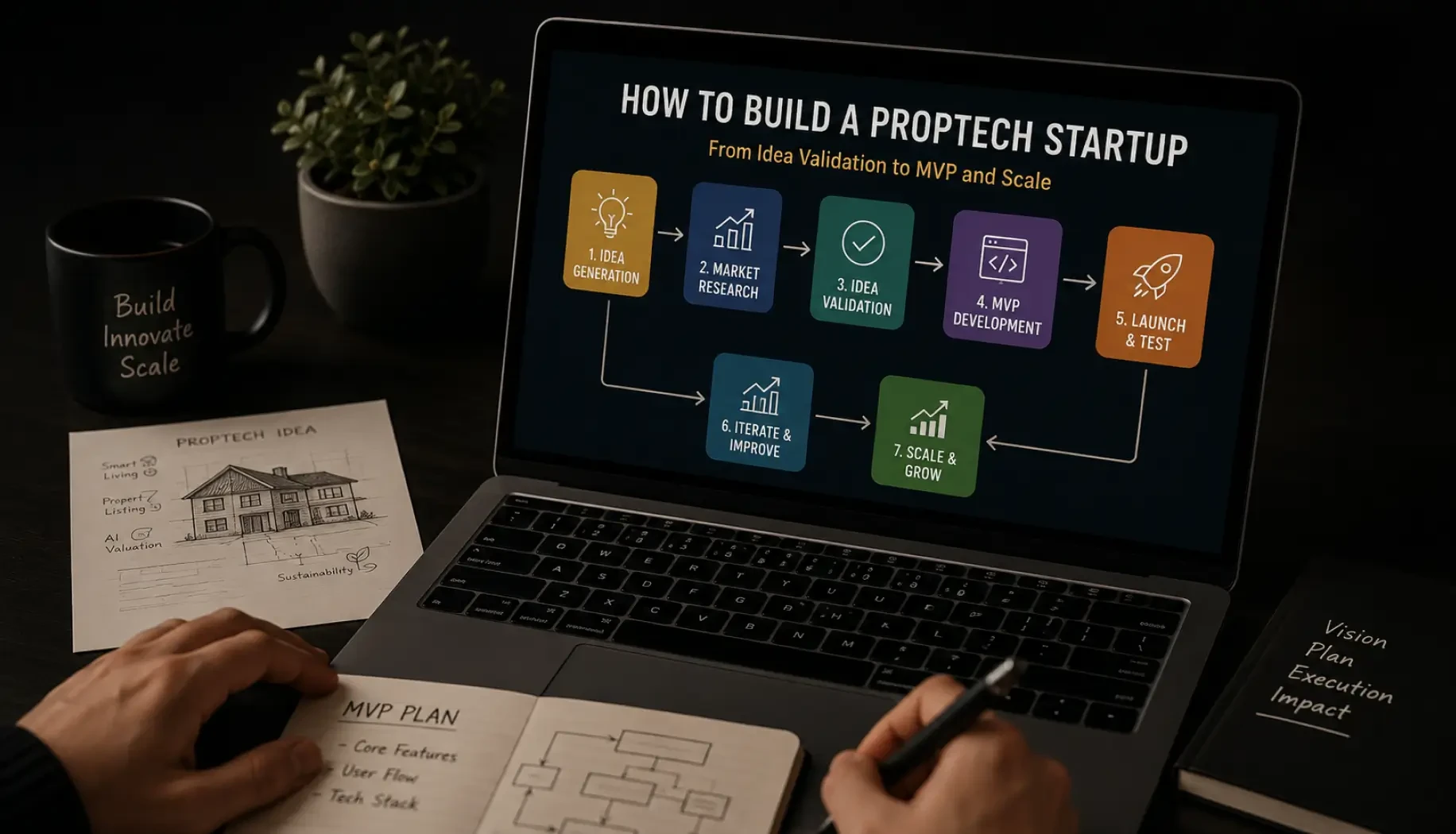
How to Build a PropTech Startup: From Idea Validation to MVP and Scale
To build a PropTech startup, validate the property problem with real users before writing code, then build a lean MVP that solves one core problem well, launch it to a small market to gather real usage data, and scale only after the data proves demand. The sequence is validate, build MVP, measure, then scale.

Chirag Daxini
June 12, 2026.webp "The Complete Guide to InsurTech Software Development in 2026")
The Complete Guide to InsurTech Software Development in 2026
InsurTech software is not a fintech variant with policy fields. It is a policy-centric, regulator-accountable platform that runs quote, bind, issue, endorse, pay, and report as one system.

Acquaint Softtech
May 5, 2026India (Head Office)
203/204, Shapath-II, Near Silver Leaf Hotel, Opp. Rajpath Club, SG Highway, Ahmedabad-380054, Gujarat
USA
7838 Camino Cielo St, Highland, CA 92346
UK
The Powerhouse, 21 Woodthorpe Road, Ashford, England, TW15 2RP
New Zealand
42 Exler Place, Avondale, Auckland 0600, New Zealand
Canada
141 Skyview Bay NE , Calgary, Alberta, T3N 2K6