With over 9 years of hands-on experience in web application analysis, design, planning, and management, I have had the privilege of transforming ideas into dynamic digital solutions. From handling eCommerce platforms to robust ERP systems, my expertise spans across JS & PHP-based frameworks and CMS like: WordPress, React JS, and Laravel.
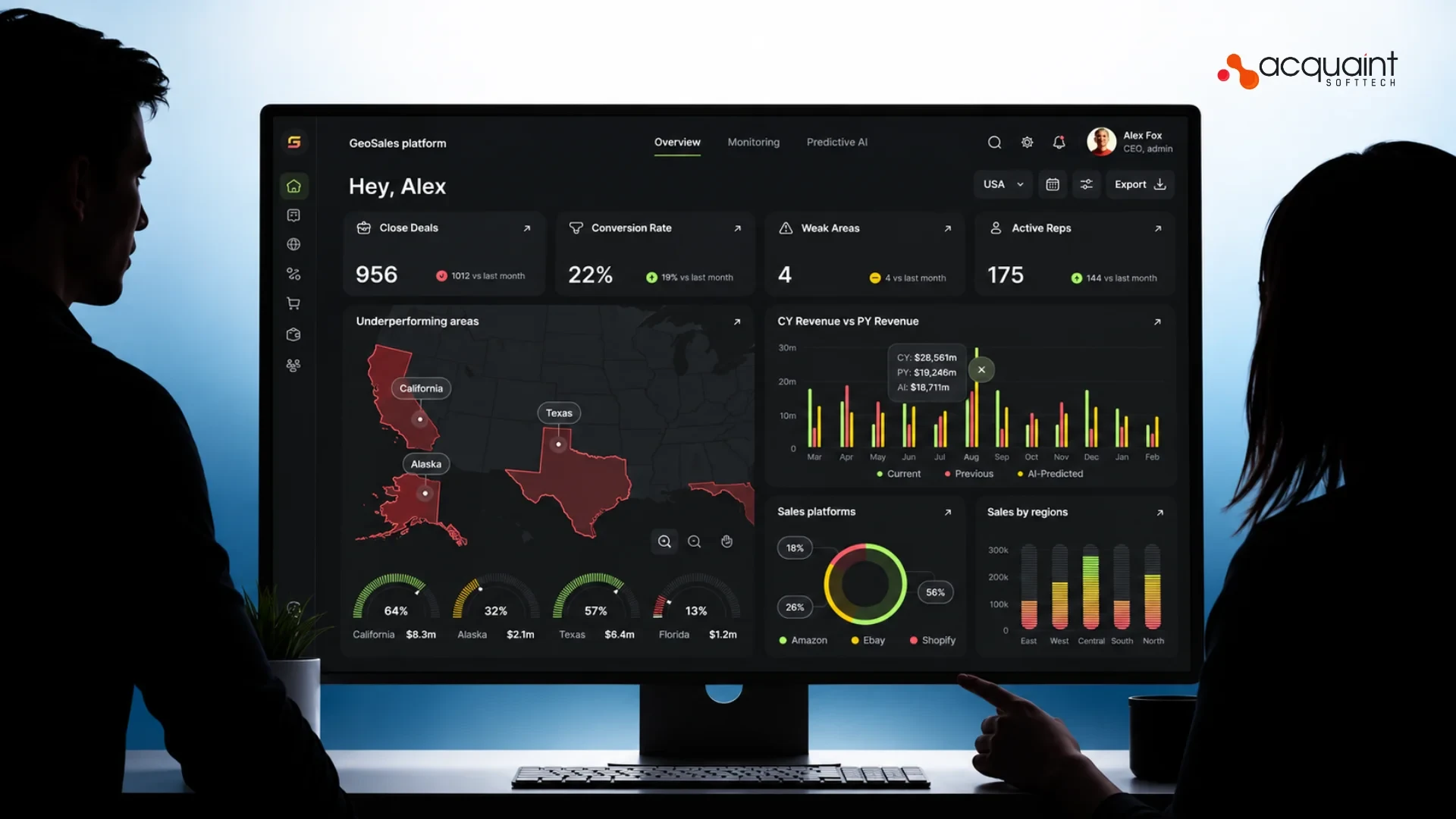
A multi-property portfolio dashboard centralizes occupancy and revenue data into a single view, replacing lagging spreadsheets with real-time operational insights. It has four working parts: automated data feeds that pull from each property management system, a warehouse and aggregation layer that rolls up figures across every property, a KPI layer that tracks occupancy rate analytics, total revenue, revenue per unit, RevPAR, and ADR, and a comparison layer that ranks properties side by side with filters for region, manager, and lease status. Build it on live feeds, not manual exports, and portfolio decisions move from monthly to daily.
A merchant payment dashboard gives business users a centralized interface to monitor real-time transactions, track revenue, handle refunds, and manage payouts. It centralizes financial operations by tracking real-time payment flows, monitoring settlement batches, and automating dispute lifecycles. Building a robust platform requires a clean information architecture, idempotent event ingestion, and explicit state tracking across the transaction, cash, and risk data layers.
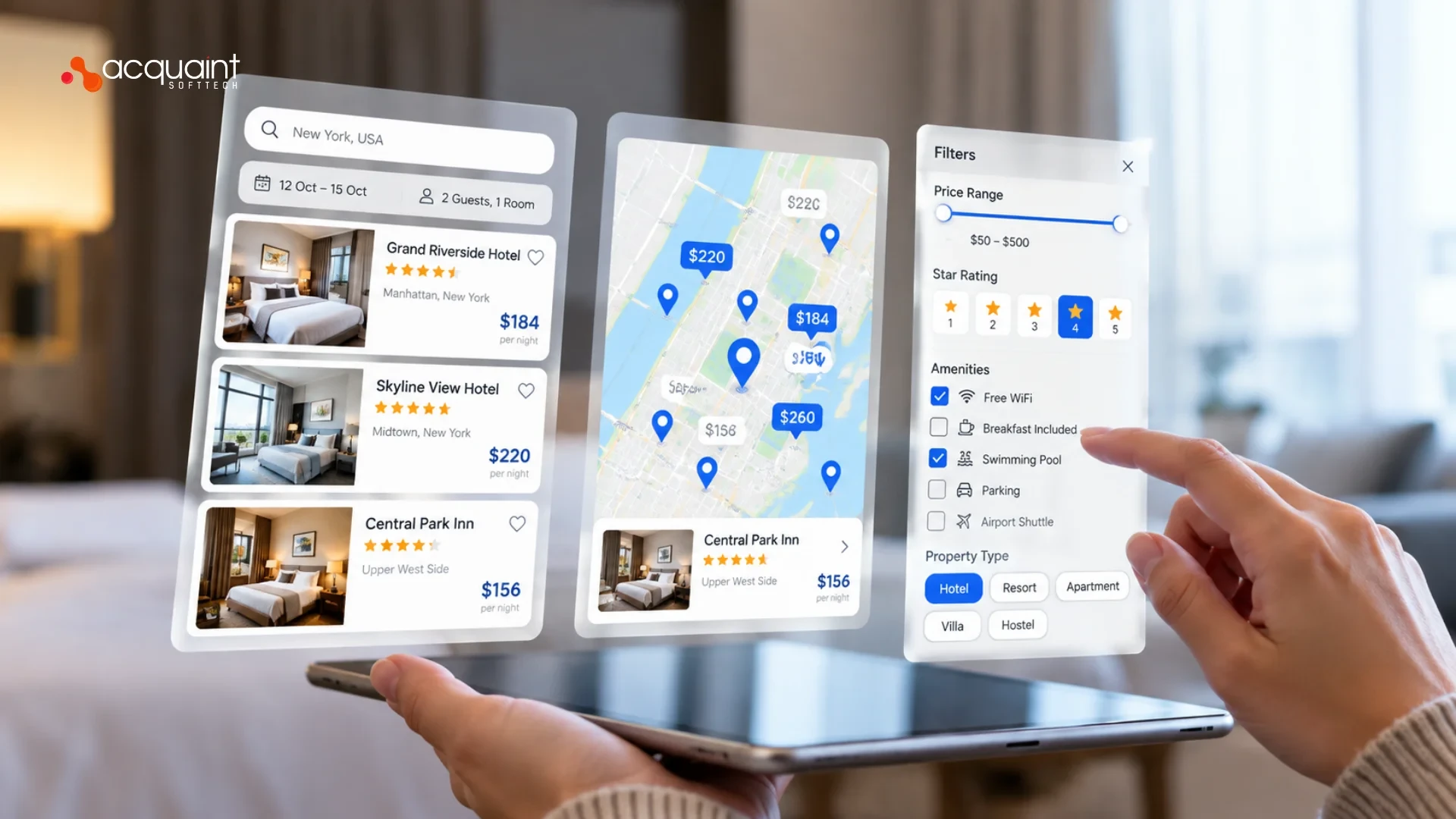
You can filter hotels by map view, amenities, and price range using popular travel platforms like Google Hotels. To build your own, faceted hotel search combines a search index that returns results in milliseconds, filters for price ranges and amenities, and an interactive map with clustered markers that updates results as the user pans and zooms.
The story behind tailwindcss-fluid-scale, from a frontend headache that kept following me across projects to an open-source Tailwind CSS v4 plugin I shared at the Laravel Ahmedabad Community Meetup.
As a frontend developer, I often face layout challenges. In this blog, I share how I achieved a full-width inner section across all devices using CSS Grid, viewport units, and aspect ratio. This is a single reusable solution for hero images and responsive layouts.
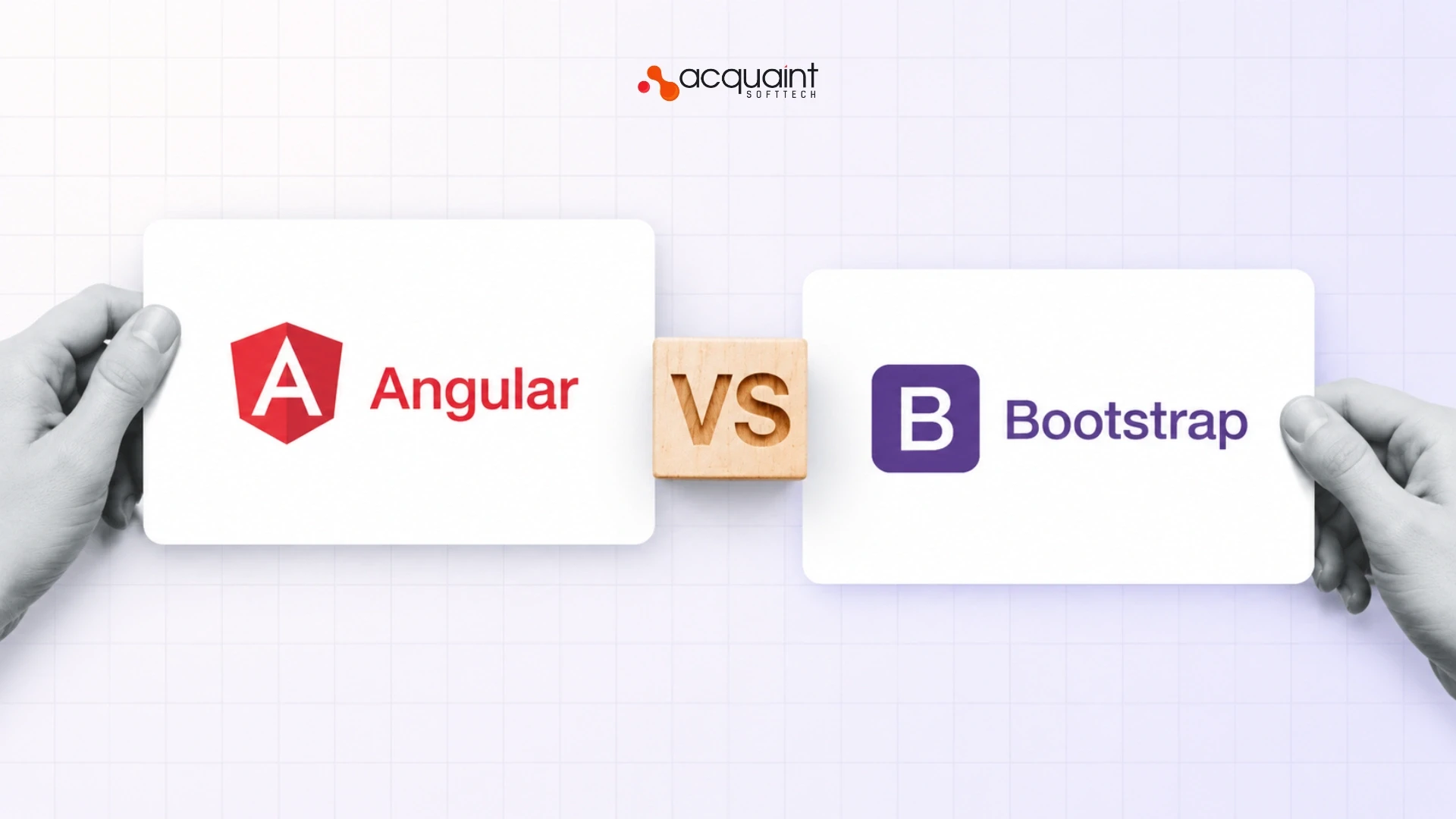
Angular and Bootstrap serve different purposes. Angular is a TypeScript-based framework used to build scalable, dynamic, and enterprise-level web applications with features like routing, data binding, and application structure. Bootstrap is a CSS framework designed for quickly creating responsive, mobile-first, and visually appealing user interfaces using pre-built components and grids.