

Building a Merchant Dashboard: Transaction Monitoring, Settlements, and Disputes
A merchant payment dashboard gives business users a centralized interface to monitor real-time transactions, track revenue, handle refunds, and manage payouts. It centralizes financial operations by tracking real-time payment flows, monitoring settlement batches, and automating dispute lifecycles. Building a robust platform requires a clean information architecture, idempotent event ingestion, and explicit state tracking across the transaction, cash, and risk data layers.

Sagar P
Across 9+ years of building web applications at Acquaint Softtech, from eCommerce platforms to ERP systems, the request I hear most from payment businesses is a dashboard that operators actually trust. That trust is a backend problem, which is why this work usually starts with hire MERN stack development and a data model that never lies.
Merchant dashboard explained in one line: it is the single screen where a business monitors transactions, tracks settlements and payouts, and manages disputes, all pulled from one source of truth. Products like the Ecommpay dashboard, and the merchant portals from Nuvei, Adyen, and Stripe, set the bar, but off-the-shelf tools rarely fit a specific business exactly.

- A founder or CEO building a payment or ecom pay product.
- A CTO scoping monitoring, settlement, and dispute modules.
- A product owner defining the merchant dashboard features list.
- A team weighing whether to build in house or hire developers for a merchant dashboard.
If you want the wider picture first, our guide on how payment gateways work maps the transaction flow, settlement, and APIs that a dashboard sits on top of.
This article is a real development guide, not a tour of one vendor’s menu. It covers what a merchant dashboard is, the architecture that keeps it honest, the three core modules of monitoring, settlements, and disputes, the features list, tech stack, security, 2026 trends, and honest cost ranges.
What is a merchant dashboard?
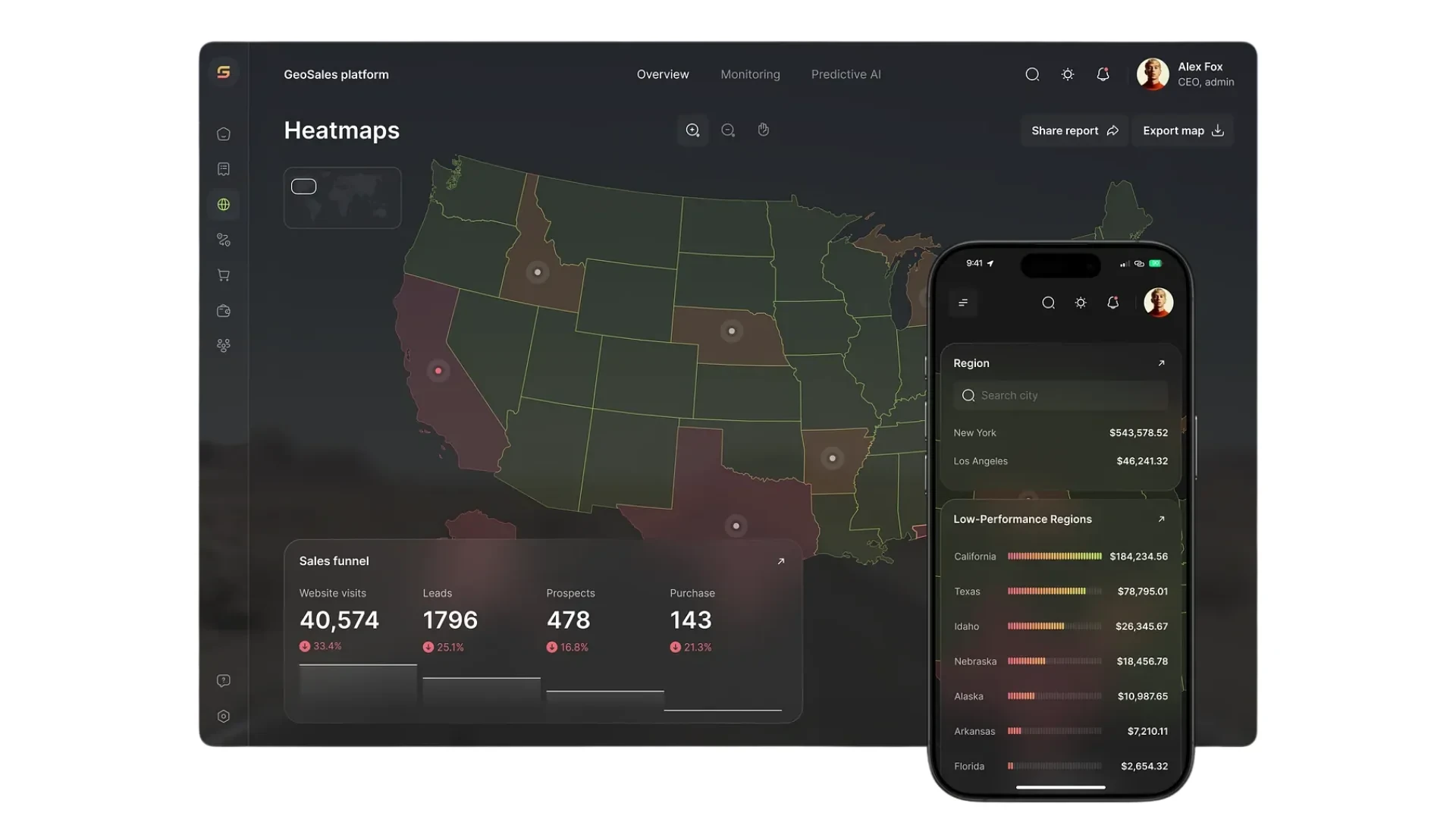
A merchant dashboard is the business-facing control panel of a payment system. It shows real-time transactions, revenue and settlement data, and dispute activity in one place, so operators can run financial operations without touching the database or raw logs.
Think of it as the cockpit for an ecom payment operation: authorizations, captures, refunds, payouts, fees, and chargebacks all rendered as clear feeds, tables, and charts. A good merchant payment dashboard development example is not a single report; it is a set of role-specific views built on one unified data source, so finance, support, and leadership all see the same numbers.
What are the four types of dashboards?
Dashboards are usually grouped into four types: operational (live monitoring), analytical (trends and drill-down), strategic (high-level KPIs for leadership), and tactical (mid-level tracking of goals). A merchant dashboard blends the operational and analytical types, with a strategic scorecard on top. Getting that blend right is a core part of software product development rather than a bolt-on report.
The architecture that makes a dashboard trustworthy
A merchant dashboard is only as good as the data behind it. Trust comes from three architectural rules: idempotent event ingestion, explicit state tracking, and a backend event log as the single source of truth. Get these right and every screen reconciles.
Idempotent event ingestion. Process each webhook or event once, so a duplicate delivery never double counts a payment.
Explicit state tracking. Model transaction, cash, and risk layers separately, each with clear states rather than a single status field.
Backend as source of truth. Treat client actions as observers; rely strictly on server-side event logs for the final number.
Because that ingestion and reconciliation layer is where dashboards quietly break, teams hire DevOps engineers to keep event pipelines reliable at volume. Many payment platforms also run a Laravel backend, so it is common to hire Laravel developers for the ledger and API layer that feeds the dashboard.
Transaction monitoring
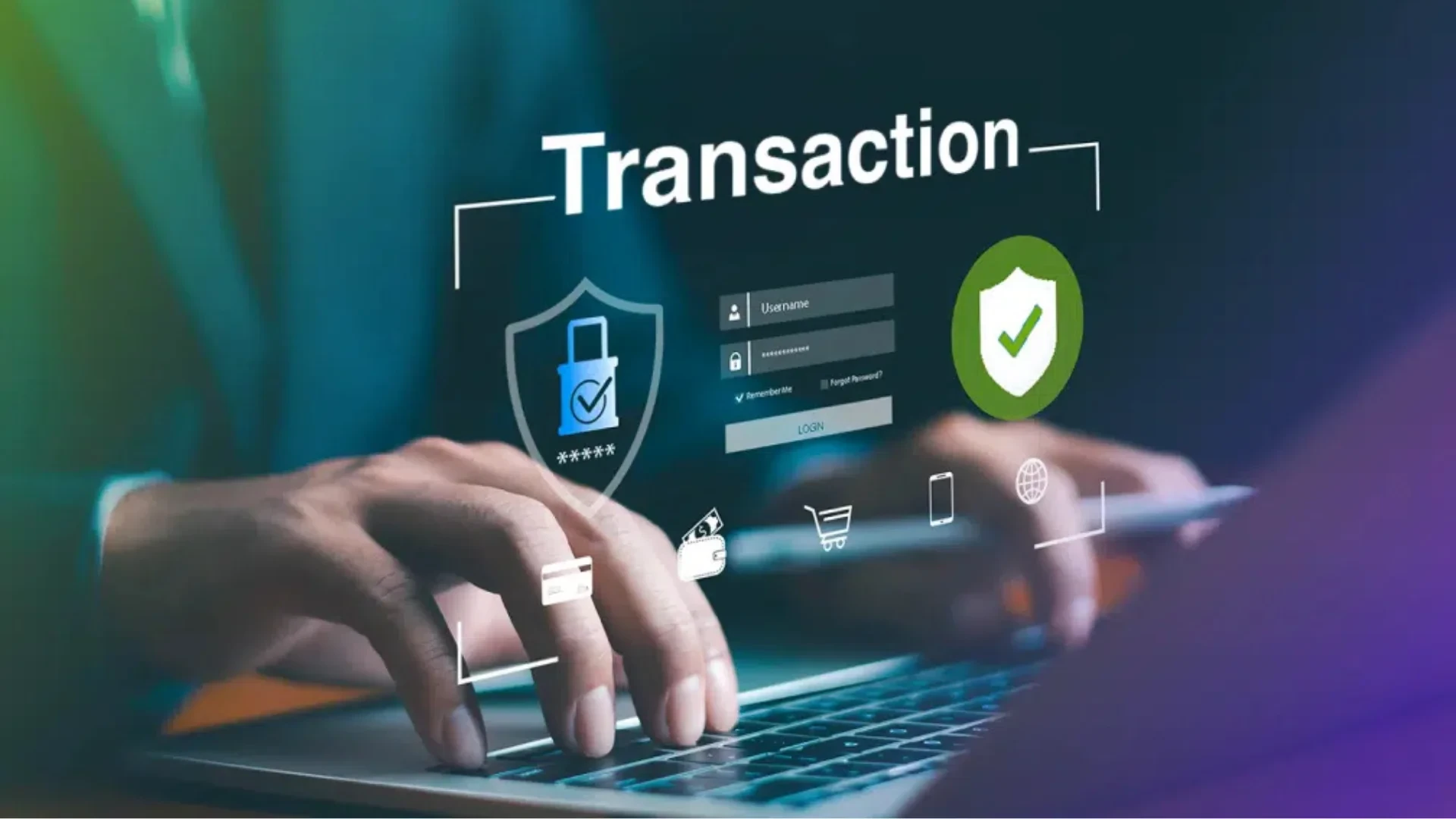
Transaction monitoring is the live heart of the dashboard. It shows authorized, captured, failed, and pending payments in real time, with search, filtering, and anomaly detection layered on top.
What does good transaction monitoring include?
Real-time visibility. Track authorization, capture, decline, and refund states instantly.
Filtering and search. Query logs by card type, timestamp, region, status code, or customer ID.
Anomaly detection. Flag sudden volume spikes, high-velocity patterns, or recurring processing failures.
Data integrity. Treat client actions as observers and rely on backend event logs for the final truth.
Live feeds at scale mean streaming and websockets, not page refreshes, so teams often hire Python developers for the aggregation and anomaly logic behind the feed.
For a related build, our cloud accounting software guide goes deeper on auto-reconciliation and anomaly detection.
Settlements and payouts
Settlements and payouts are where money actually lands, and where reconciliation lives. This module groups transactions into batches, balances the ledger, and exports structured data so bank deposits match ledger entries.
Batch tracking. Group processed transactions into clear batches mapped to specific payout schedules.
Ledger balancing. Display net payouts, processing fees deducted, rolling reserves, and adjustments.
Reconciliation support. Export structured data as CSV, JSON, or API feeds to match deposits with ledger entries.
Reconciliation is unglamorous and mission-critical, which is why founders set up software dedicated teams that own the settlement engine end to end rather than treating it as an afterthought. Where speed matters, IT staff augmentation adds payment-experienced engineers for the build.
Want a dashboard your operators can trust?
Our engineers have shipped monitoring feeds, settlement engines, and dispute workflows for payment clients. Tell us your flows and we will map a custom merchant dashboard solution, with a fixed scope and clear milestones.
Disputes and chargebacks

The disputes module keeps chargebacks under control. It centralizes alerts, lets teams submit evidence, and tracks dispute-to-transaction ratios so you stay under card-network penalty thresholds.
Alert management. Centralize retrieval requests, fraud notifications, and active chargeback tickets.
Evidence submission. Provide upload portals for rebuttal documents such as invoices, tracking numbers, and customer communication.
Threshold tracking. Monitor dispute ratios to avoid Visa and Mastercard monitoring-program penalties.
Card-network rules are governed by the standards published by the PCI Security Standards Council, and monitoring programs like those run by Visa set the ratios you must stay under. Acquaint Softtech automates this dispute workflow so ratios stay visible in real time and you act before penalties hit.
Merchant dashboard features list
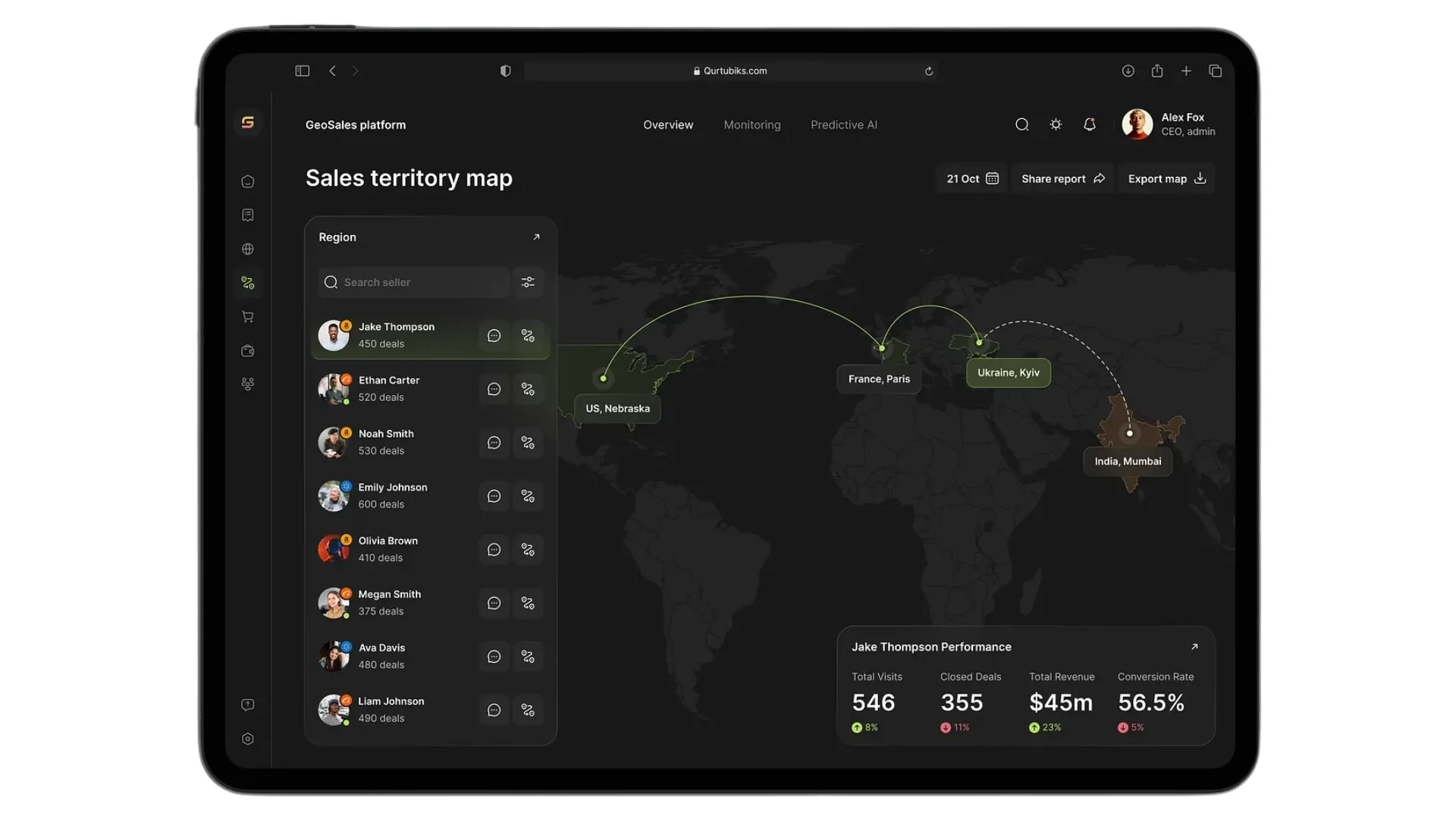
A complete merchant dashboard features list spans five areas: transaction monitoring, financial operations, analytics and reporting, developer tools, and access control. The first three earn daily use; the last two earn trust.
Area | Key features |
Transaction monitoring | Live feeds, filters, anomaly alerts |
Financial operations | Refunds, withdrawals, payout scheduling |
Analytics and reporting | Revenue graphs, CSV and PDF exports |
Developer tools | API keys, webhook logs, sandbox toggle |
Access control | Role-based permissions, multi-store filters |
That is a broad surface to build alone, so many founders use software development outsourcing to ship the core modules fast. A ready merchant payment dashboard development template can speed early work, but a discovery workshop is what turns a template into a system that fits your real flows.
Merchant dashboard tech stack
The best tech stack for a merchant dashboard pairs a modern JavaScript frontend and charting library with a fast aggregation backend and durable databases, all under PCI-aware security. Your choices decide how live and how scalable the dashboard feels.
Layer | Common choice | Why |
Frontend | React, Vue.js, or Next.js | Responsive, component-driven UI |
Charts | Chart.js or Recharts | Fast, readable data visuals |
Backend | Node.js, Python, or Go | Secure feeds and metric aggregation |
Database | PostgreSQL or MongoDB | Transactional logs and history |
Security | PCI-DSS, tokenization, MFA | Protects financial data |
What is the best tech stack for a merchant dashboard?
React or Next.js with Recharts on the front, Node.js or Python on the back, and PostgreSQL for records is the reliable default, with Go where raw throughput matters. Because these dashboards are edited constantly as rules change, version upgrade services keep the stack current without breaking live reporting.
Security and compliance
A merchant dashboard shows sensitive financial data, so security is layered: PCI-DSS-aligned infrastructure, tokenized data handling, multi-factor authentication, role-based access, and full audit logging of who saw or changed what.
Tokenization. Replace card and bank details with tokens so raw data never appears in the dashboard.
Role-based access. Give finance, support, and executives only the views and actions each role needs.
Audit logs. Record every action, actor, and outcome so any event can be explained after the fact.
MFA everywhere. Require multi-factor login for every user who can see money or move it.
These controls are repetitive to verify on every release, so it pays to hire automation engineers who keep access rules and audit trails tested as the dashboard grows.
Merchant dashboard benefits for businesses

The merchant dashboard benefits for businesses are operational: fewer support tickets, faster reconciliation, self-serve financial control, and one shared source of truth. A good dashboard turns finance from firefighting into routine.
Benefit | What it means |
Fewer support tickets | Merchants self-serve answers |
Faster reconciliation | Batches and exports match deposits |
Fewer chargeback losses | Disputes handled before deadlines |
One source of truth | Every team sees the same numbers |
Better decisions | Live trends, not stale spreadsheets |
Agencies and banks that want to offer a dashboard under their own brand can use white label development services to ship faster. Acquaint Softtech builds both custom and white-label dashboards, with the reconciliation and audit layer solid from day one.
Merchant dashboard trends 2026
The main merchant dashboard trends 2026 are real-time streaming by default, AI-driven anomaly and fraud detection, embedded finance, and multi-store consolidation. Building with these in mind keeps a dashboard competitive.
Real-time by default. Streaming feeds replace refresh-and-wait reporting.
AI anomaly detection. Models flag suspicious volume and velocity before losses mount.
Embedded finance. Dashboards surface payouts, lending, and cards in one view.
Multi-store consolidation. One dashboard groups many merchant IDs and regions.
Anomaly and fraud scoring on live feeds is a natural fit for AI development services once the core dashboard is live. For a related payments build, our Stripe Connect integration guide shows how payouts and connected accounts feed a dashboard.
Merchant dashboard development cost by market
Merchant dashboard development cost depends on how many modules you build and where your team sits. A monitoring-only MVP is far cheaper than a full platform with settlements, disputes, analytics, and multi-store access.
Target market | MVP dashboard | Full platform |
United States / New York | $30,000 to $70,000 | $110,000 to $300,000+ |
United Kingdom | GBP 24,000 to 56,000 | GBP 88,000 to 240,000+ |
Europe (EU) | EUR 28,000 to 64,000 | EUR 100,000 to 275,000+ |
Australia | AUD 45,000 to 105,000 | AUD 165,000 to 450,000+ |
New Zealand | NZD 48,000 to 112,000 | NZD 175,000 to 480,000+ |
How much does it cost to develop a payment gateway?
A dashboard is not a full payment gateway. A gateway that authorizes and settles funds costs far more, often into the high six figures, because of processing licences, bank integrations, and certification. A dashboard sits on top of an existing gateway or PSP, which keeps it in the ranges above. Many founders hire remote developers from a merchant dashboard development company in India, where the same build costs a fraction of local rates.
Real case study: BI dashboards for a banking-tech firm
Here is a real, verified project from our public Clutch profile that maps directly to this topic: a unified data source feeding a set of financial dashboards for a banking technology firm.
Ailleron, a banking-technology and financial-software company in Krakow that partners with some of the world’s most digitally mature banks, hired Acquaint Softtech to unify five source systems and build the dashboards on top. Six to ten of our engineers delivered it. The measurable outcomes:
We built a centralized data warehouse pulling from five systems, wrote custom code to clean and label the daily data flood, and then delivered three interactive dashboards: a Client Performance Monitor, an Operational Risk View giving compliance a real-time summary of flagged high-risk activity, and an Executive Summary Scorecard.
Why teams struggle, and what to check before you hire
Most merchant dashboards do not fail at the chart. They fail at ingestion, reconciliation, and state modeling, the invisible layer that decides whether the numbers are right.
If you are deciding whether to build in house or hire developers for a merchant dashboard, check for these before you commit:
Do they ingest events idempotently so nothing is double counted?
Do they model transaction, cash, and risk states explicitly?
Can they build settlement reconciliation, not just a pretty feed?
Do they have verifiable fintech delivery and a public reputation?
That last point is where track record matters. Acquaint Softtech has delivered 1,300 or more projects over 13 or more years with 70 or more in-house engineers, 48 or more Clutch reviews, more than 1,290 Upwork jobs, and can deploy vetted developers within 48 hours. Adding real-time anomaly and fraud scoring to the monitoring feed is a good fit to hire AI/ML engineers for.
After launch, dashboards need care as rules and volumes change, which is where ongoing support and maintenance services keep reconciliation, exports, and access controls healthy.
Get a free merchant dashboard consultation
Share your payment flows or a short brief. We will review your monitoring, settlement, and dispute needs, then hand back a prioritised plan and a scope you can act on. This is the last step before you commit engineering time.
Frequently Asked Questions
-
What is a merchant dashboard?
A merchant dashboard is the business-facing control panel of a payment system. It shows real-time transactions, revenue and settlement data, refunds, and disputes in one place, pulled from a single source of truth, so operators can run financial operations without touching raw logs.
-
How much does a merchant dashboard cost to build?
A monitoring-only MVP typically runs from the low tens of thousands into six figures at local agency rates, while a full platform with settlements, disputes, analytics, and multi-store access costs more. Offshore delivery from India is materially cheaper.
-
What features does a merchant dashboard need?
Real-time transaction monitoring with filters and anomaly alerts, financial operations such as refunds and payouts, analytics with CSV and PDF exports, developer tools like API keys and webhook logs, and role-based access control with audit logs.
-
How long does merchant dashboard development take?
A focused MVP usually takes about two to four months, while a full platform with settlements, disputes, analytics, and compliance work can run six to twelve months depending on scope and integrations.
-
What is the best tech stack for a merchant dashboard?
React, Vue, or Next.js with Chart.js or Recharts on the frontend, Node.js, Python, or Go on the backend, PostgreSQL or MongoDB for records, and PCI-DSS-aligned infrastructure with tokenization and multi-factor authentication for security.
-
Can I develop my own payment gateway?
Yes, but it is a major undertaking involving processing licences, bank and card-network integrations, and PCI certification. Most businesses build a dashboard and product on top of an existing gateway or PSP instead, which is faster, cheaper, and lower risk.
-
What are the four types of dashboards?
The four common types are operational (live monitoring), analytical (trends and drill-down), strategic (high-level KPIs for leadership), and tactical (mid-level goal tracking). A merchant dashboard blends operational and analytical views with a strategic scorecard.
-
How much does it cost to develop a payment gateway?
A full payment gateway that authorizes and settles funds typically costs well into the high six figures or more, driven by licensing, bank integrations, and certification. A merchant dashboard that sits on top of an existing gateway costs far less.
With over 9 years of hands-on experience in web application analysis, design, planning, and management, I have had the privilege of transforming ideas into dynamic digital solutions. From handling eCommerce platforms to robust ERP systems, my expertise spans across JS & PHP-based frameworks and CMS like: WordPress, React JS, and Laravel.
Table of Contents
Get Started with Acquaint Softtech
- 13+ Years Delivering Software Excellence
- 1300+ Projects Delivered With Precision
- Official Laravel & Laravel News Partner
- Official Statamic Partner
Related Blog
How to Build a Cross-Border Payment Platform: Corridors, FX, and Settlement
A cross-border payment platform enables international money transfers through routing, currency conversion, and settlement. It uses multiple payment rails and compliance checks to deliver fast and secure transactions.

Ahmed Ginani
August 3, 2026
FinTech App Development Cost in 2026: Real Pricing by Feature and Complexity
A fintech app typically costs $20,000–$300,000+ to build, depending on features and compliance. The biggest cost factors are app type, security, integrations, and regulatory requirements.
Ahmed Ginani
July 16, 2026
How to Build a Digital Lending Platform: Complete 2026 Guide
A digital lending platform is four workflow systems that must all work flawlessly: origination, underwriting, disbursement, and servicing. This guide builds each one, with AI credit scoring, compliance mapping, and real 2026 cost data.
Ahmed Ginani
May 25, 2026India (Head Office)
203/204, Shapath-II, Near Silver Leaf Hotel, Opp. Rajpath Club, SG Highway, Ahmedabad-380054, Gujarat
USA
7838 Camino Cielo St, Highland, CA 92346
UK
The Powerhouse, 21 Woodthorpe Road, Ashford, England, TW15 2RP
New Zealand
42 Exler Place, Avondale, Auckland 0600, New Zealand
Canada
141 Skyview Bay NE , Calgary, Alberta, T3N 2K6