

Must Things To Know Before Developing A Cryptocurrency App Development
Cryptocurrency application development involves building blockchain-powered digital tools, wallets, exchanges, portfolio trackers, and decentralized apps (dApps), that let users store, trade, and manage crypto assets securely. In 2026, the biggest shift is from basic price trackers to secure, compliant, real-time platforms with audited smart contracts. A typical build costs about $30,000 for a wallet MVP up to $150,000+ for a full exchange, over a 3- to 9-month timeline.

Mukesh Ram
Cryptocurrency is still one of the most talked-about topics on the web, across blogs, financial magazines, and news. But in 2026, the real question is no longer whether crypto matters. It is how to build a crypto app that is secure, compliant, and worth a user's trust with their money.
As the Founder and CEO at Acquaint Softtech, a leading mobile app development company, I have watched this space mature fast, from simple price trackers, through the first wallet apps, to today's audited smart-contract platforms and decentralized exchanges.
I have also seen where projects go wrong. A wallet can look finished on the surface, yet a single unaudited smart contract can drain user funds in minutes. In crypto, the invisible engineering — security, key storage, order matching, and compliance, decides whether you keep customers or lose them.

- You are a founder or CTO exploring cryptocurrency application development.
- You want the 2026 tech stack, build steps, and honest cost ranges, not hype.
- You are comparing a p2p crypto exchange development company vs. building in-house.
- You need a cryptocurrency exchange script or custom blockchain development.
- You want to understand where crypto revenue and risk actually come from.
- You want a proven team to handle security, audits, and compliance.
This article keeps the useful parts of the original article and updates everything for 2026. You will get the main app types, the modern tech stack, a five-step build process, real cost ranges, the security checks that keep an app alive, and verifiable proof of how we deliver.
One note on trust first: crypto is regulated, and the rules keep changing. In the United States, the U.S. Securities and Exchange Commission (SEC) guidance on crypto assets is the official reference for how digital assets may be treated as securities. Always confirm your model with a qualified legal advisor before launch; good code cannot fix a non-compliant business.
What Is Cryptocurrency Application Development?

Cryptocurrency application development is the process of building digital tools, like wallets, exchanges, and trackers, powered by blockchain technology. In plain terms, it combines software engineering, cryptography, and financial compliance. The blockchain stores transactions, smart contracts enforce rules automatically, and the app gives users a simple, safe way to interact with all of it.
The four main app types are:
Crypto wallets: store public and private keys, allowing users to send, receive, and manage assets.
Exchange platforms: let users trade tokens, match orders, and swap assets via centralized or decentralized systems.
Portfolio trackers: fetch real-time market data to monitor asset values and historical trends.
Decentralized apps (dApps): run on self-executing smart contracts without middlemen.
Why this matters: a crypto app is not a normal app. A normal app that crashes annoys users. A crypto app with a bug can lose real money permanently, because blockchain transactions cannot be reversed. That single fact changes every decision, from the login screen to the database.
How Cryptocurrency and Blockchain Work
Cryptocurrency is a digital currency that relies on encryption and runs on a blockchain, a decentralized public ledger, with no central bank in control. Because the ledger is distributed across many computers, it is very hard for hackers to tamper with, which is a big reason for crypto's popularity.
A blockchain is a chain of blocks, where each block of transactions depends on the one before it. No single body owns it, so no third party sits between the owner and the customer. This decentralized design is what makes blockchain the first choice for crypto apps.
There are now thousands of cryptocurrencies- Bitcoin, Ethereum, Litecoin, Ripple, Cardano, and more, and yes, anyone can create their own, though doing it well is complex and does not guarantee a return.
Types of Cryptocurrency Apps (and Which One to Build)
.webp "Types of Cryptocurrency Apps")
Your app type decides your cost, timeline, and compliance load, so pick the one that matches your business goal, not the one that sounds most advanced.
App Type | What It Does | Best For |
Crypto Wallet | Stores keys; send, receive, manage assets. | MVPs and first products. |
Exchange Platform | Trade tokens, match orders, swap assets. | Serious fintech businesses. |
Portfolio Tracker | Pulls live data to track value and trends. | Fast launch; ad/subscription revenue. |
dApp (DeFi) | Runs on smart contracts, no middleman. | Web3 startups: lending, staking, DEX. |
A p2p crypto exchange development company usually steers first-time founders toward a wallet or tracker MVP, then expands to exchange features once there is traction. That staged path lowers risk and gets you to market faster.
Acquaint Softtech applies this same MVP-first approach across every AI Development Services project, so budgets stay predictable, and the risky parts get built and audited first.
The Core Crypto Tech Stack (2026)
A modern crypto app is built in four layers: front-end, back-end, blockchain and contracts, and market-data APIs. Each layer has mature tools; the engineering skill is combining them securely and at speed.
Front-End: React, React Native, Next.js, and TypeScript for responsive user interfaces.
Back-End: Node.js, Python, Rust, or C++ for server logic and high-speed order-matching engines.
Blockchain & Contracts: Solidity (Ethereum / EVM) or Go for smart contracts and ledger interactions.
APIs: CoinGecko or Binance APIs for live pricing and market stats.
For a mobile-first wallet, we often pair React Native with a Node.js back-end and Solidity contracts. If you need this talent quickly, you can hire React Native developers from Acquaint Softtech, deployed within 48 hours.
For data-heavy back-ends and API work, you can also hire Python developers who have shipped production fintech systems before.
Exchange Platforms and Scripts Compared
The best path to an exchange depends on your goal: a fast launch with a ready-made script, or a fully custom, differentiated platform. Founders often compare ready-made options, solutions marketed under names like Hashcodex crypto exchange, Crypto Exchange Maticz, Alpha crypto exchange, and Hyperlink crypto, against a custom cryptocurrency exchange script built specifically for their business.
A ready-made cryptocurrency exchange script is cheaper and faster to launch, but you inherit its limits on security, latency, and design. A custom build costs more up front and gives you full control over the order-matching engine, fees, compliance, and user experience. For most serious businesses, the custom route pays off once real trading volume arrives.
Approach | Strength | Trade-off |
Ready-made script | Fast, low upfront cost | Limited control and differentiation. |
Semi-custom | Balanced speed and control | Some vendor lock-in remains. |
Fully custom | Full control of engine and UX | Higher cost and longer timeline. |
How Much Does It Cost to Develop a Blockchain App?

A blockchain app costs roughly $30,000 to $150,000+ in 2026, depending on type and complexity. A simple wallet MVP sits at the low end; a full exchange with an order-matching engine and compliance sits at the high end. Timelines run from 3 to 9 months.
App Type | Estimated Cost (2026) | Typical Timeline |
Wallet MVP | $30,000 – $60,000 | 3 – 4 months |
Portfolio Tracker | $25,000 – $50,000 | 2 – 4 months |
dApp / DeFi | $60,000 – $120,000 | 4 – 7 months |
Full Exchange (CEX) | $120,000 – $150,000+ | 6 – 9 months |
These ranges align with our public pricing. Verified Clutch data shows typical project costs around $12,000–$13,000 for smaller builds and near $100,000 for larger clients. You can lower costs without lowering quality by outsourcing software development to a vetted team instead of hiring locally.
Want a feature-based estimate for your crypto app?
Tell Acquaint Softtech your use case and chains, and we will scope the stack, integrations, timeline, and cost within 48 hours, so you can plan with real numbers.
How to Build a Crypto App: Step-by-Step
Building a crypto app follows five stages: plan, design, build, test/audit, then deploy and maintain. Skipping the audit stage is the single most expensive mistake founders make. Here is the process Acquaint Softtech uses on real projects.
Plan & Define: choose the target audience, features, and regulatory compliance needs before any code is written.
Design UI/UX: keep layouts simple and accessible while implementing high-end encryption and secure key storage.
Build & Integrate: code the core architecture, connect Web3 libraries, and set up wallet logins and price APIs.
Test & Audit: run thorough security and penetration tests to prevent smart contract exploits. This stage is non-negotiable.
Deploy & Maintain: launch on secure cloud servers (like AWS) and push ongoing security patches and updates.
Keeping an app secure long after launch is where our support and maintenance services come in, with continuous monitoring, patches, and improvements.
Must-Have Features in a 2026 Crypto App
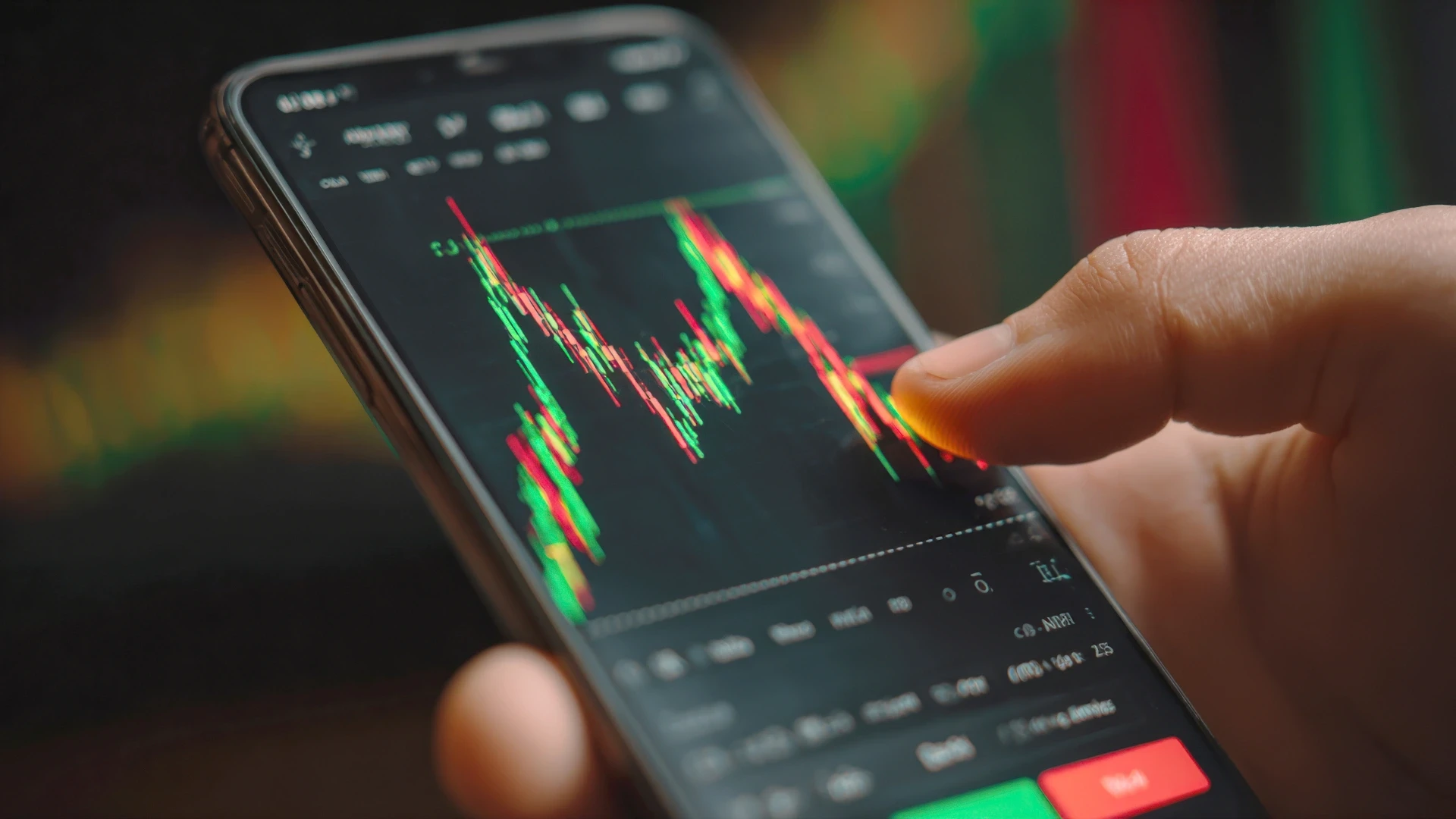
A modern crypto app needs three feature groups: security, a strong wallet/trading core, and a clean user experience. These are the features users now expect by default.
Security first: biometric and 2FA login, encrypted key storage, and cold-wallet support.
Live market data: real-time prices and charts (line, candlestick, donut) across 1,000+ coins.
Fast exchange/swap: quick token swaps with low latency and clear fees.
Portfolio & alerts: profit/loss tracking, price alerts, and a built-in profit calculator.
Portfolio & profit tracking: Add features like profit/loss analysis and a crypto profit calculator to help users track investment performance and estimate potential returns. Tools like CoinLedger’s crypto profit calculator help users calculate gains, losses, and fees easily.
Multi-currency & multilingual: local currency values and language options for global users.
Push notifications: live updates with images and clear calls to action.
If you want these features engineered to production standards, the dedicated software development teams at Acquaint Softtech can own the full build end to end.
If you already have a team and only need extra crypto specialists, our IT staff augmentation model lets you add vetted engineers within 48 hours.
Revenue Models and Common Questions
Most crypto apps earn from five sources: transaction fees, spreads, subscriptions, ads, and premium features. The strongest apps combine two or three.
Trading/transaction fees: a small percentage on each trade, the core exchange model.
Spread margin: a tiny gap between buy and sell prices.
Subscriptions / Pro tier: advanced charts, alerts, and lower fees for paying users.
In-app ads & sponsorships: banner, video, and sponsored placements.
Referral & staking services: earn from referrals or take a cut on staking.
Can I make $100 a day from crypto?
It is possible but not guaranteed, and it carries real risk. Some people earn $100 a day through trading, staking, or app revenue, but many also lose money because crypto is volatile. For a business, the more reliable path is an app that earns fees from many users rather than betting on price moves yourself.
How do crypto devs make money?
Crypto developers earn through salaries and client contracts, a small fee on exchange trades, premium app tiers, and staking or DeFi services. For a product owner, the app itself is the income engine, through transaction fees, spreads, subscriptions, and in-app ads.
Who are the top 10 blockchain developers?
"Top 10" usually means development companies, not individuals, and rankings shift often. Platforms like Clutch and GoodFirms rank firms on verified reviews, delivered projects, security track record, and blockchain depth. When you compare blockchain development companies, look at public proof, Clutch ratings, project counts, and real case studies, rather than marketing claims.
Security and Compliance: The Part That Decides Success
Security and compliance are not features; they are the foundation of any crypto app. A product that leaks keys or ignores regulation will fail, no matter how good it looks.
On the technical side, the essentials are encrypted key storage, smart-contract audits, penetration testing, and secure cloud deployment. On the legal side, know-your-customer (KYC) and anti-money-laundering (AML) rules apply in most markets.
Making the right security calls early, when they are cheapest to fix, is exactly what our virtual CTO services help founders do, with secure coding standards and architectural governance built in.
Case Study: A Real-Time, Transactional App
A crypto app lives or dies on real-time performance, secure transactions, and scale. Acquaint Softtech built native iOS and Android apps for a live, real-time chat business handling instant messaging and in-app purchases for a global user base, the same demands a live trading feed places on a system. This account is drawn from the client's verified Clutch review.
Client | A live, real-time chat business serving customers on iOS and Android worldwide. |
What we built | Native iOS and Android apps with a real-time messaging and live-streaming module and secure in-app purchasing. |
Crypto relevance | The same engineering pattern behind a crypto app: real-time data, high concurrency, secure transactions, and scale. |
Client feedback | The team "surpassed expectations, both in terms of quality and speed," with professionalism and responsiveness that set them apart from other vendors. |
Delivery | A dedicated team following a strict, transparent project-management process, with ongoing support after launch. |
Company-wide proof: Acquaint Softtech has delivered 1,293+ projects over 13+ years with 70+ in-house engineers and a 5-star Clutch rating across 60+ reviews, as an Official Laravel Partner.
You can read more outcomes and client stories on the Acquaint Softtech case studies page.
Why Choose Acquaint Softtech for Cryptocurrency Application Development
Choose a partner with public proof, security discipline, and fast onboarding; Acquaint Softtech offers all three. Most clients save 60–75% versus hiring equivalent talent in the US, UK, or Australia, without cutting quality.
Verified trust: 5-star Clutch rating across 60+ reviews and 1,293+ delivered projects.
In-house talent: 70+ full-time engineers, not a freelancer marketplace, deployable within 48 hours.
Security-first delivery: mandatory code review, QA, and audits before every release.
Flexible engagement: dedicated teams, staff augmentation, or full outsourcing.
To Sum Up
Cryptocurrency app development has moved from a novelty to serious financial engineering. A well-built wallet, exchange, or dApp can open a real business, but only if security, audits, and compliance come first. The teams that treat the invisible engineering as the product, not an afterthought, are the ones that keep users and their money.
If you want to build a crypto application that is secure, compliant, and profitable, that is exactly the kind of project the team at Acquaint Softtech enjoys. Share your idea, and we will help you scope and build it well.
Ready to build a crypto app users can trust with their money?
Talk directly with Acquaint Softtech's founder in a free 30-minute session. You will leave with a clear scope, a realistic budget, a recommended tech stack, and the security priorities that protect your launch.
Frequently Asked Questions
-
How much does it cost to develop a blockchain app?
In 2026, expect roughly $30,000 for a simple wallet MVP up to $150,000+ for a full exchange. Cost depends on app type, number of chains, security audits, and compliance work. Outsourcing to a vetted team lowers cost without lowering quality.
-
How long does cryptocurrency app development take?
A wallet or tracker MVP takes about 2–4 months. A dApp takes 4–7 months. A full exchange with an order-matching engine and compliance usually takes 6–9 months.
-
Can I make $100 a day from crypto?
It is possible through trading, staking, or app revenue, but nothing is guaranteed — crypto is volatile. A product business that earns fees from many users is more sustainable than personal trading.
-
How do crypto devs make money?
Through salaries, client contracts, trading fees on their platforms, premium app tiers, and staking or DeFi services. For app owners, revenue comes from transaction fees, subscriptions, spreads, and ads.
-
Should I use a cryptocurrency exchange script or build custom?
A ready-made script is faster and cheaper to launch but limits control. A custom build costs more up front and gives full control over the engine, fees, and compliance. Most serious businesses move to custom as volume grows.
-
Do I need a security audit for my crypto app?
Yes. Blockchain transactions cannot be reversed, so an unaudited smart contract can lose real user funds permanently. A security and penetration audit is mandatory before launch.
I love to make a difference. Thus, I started Acquaint Softtech with the vision of making developers easily accessible and affordable to all. Me and my beloved team have been fulfilling this vision for over 15 years now and will continue to get even bigger and better.
Table of Contents
Get Started with Acquaint Softtech
- 13+ Years Delivering Software Excellence
- 1300+ Projects Delivered With Precision
- Official Laravel & Laravel News Partner
- Official Statamic Partner
Related Blog
Building a Cryptocurrency Exchange: Order Book, Matching Engine, and Wallet
To build a cryptocurrency exchange, you assemble five core systems: an order book that records buy and sell orders, a matching engine that pairs them using price-time priority in sub-millisecond time, a hot and cold wallet layer that keeps 90 to 95% of assets in offline cold storage, a liquidity layer connected to external providers, and a KYC, AML, and compliance layer. In 2026, a custom exchange MVP costs roughly $50,000 to $250,000 and takes 4 to 9 months, while white-label launches in weeks.

Manish Patel
June 18, 2026
3 Cost Savings Remote Team Alternatives to watch out for
Explore various remote development options, from in-house teams to outsourcing. Learn how to choose the right tools and implement effective strategies for success.
Mukesh Ram
April 3, 2025-(1).webp "4 Benefits of Redesigning Your Website (And When Not To)")
4 Benefits of Redesigning Your Website (And When Not To)
A website redesign is worth doing when the site misrepresents your business, fails accessibility rules, cannot meet Core Web Vitals thresholds, or blocks your team from publishing. It is not worth doing simply because the site looks dated or a new marketing lead dislikes it. Measure conversion, speed and top-page traffic before you start, then rebuild in phases so you can prove the new version is better rather than hope it is.
Mukesh Ram
May 1, 2018India (Head Office)
203/204, Shapath-II, Near Silver Leaf Hotel, Opp. Rajpath Club, SG Highway, Ahmedabad-380054, Gujarat
USA
7838 Camino Cielo St, Highland, CA 92346
UK
The Powerhouse, 21 Woodthorpe Road, Ashford, England, TW15 2RP
New Zealand
42 Exler Place, Avondale, Auckland 0600, New Zealand
Canada
141 Skyview Bay NE , Calgary, Alberta, T3N 2K6