

Building a Public API for Your SaaS: REST vs GraphQL Design Decisions
A SaaS public API is the interface that lets external developers and partner systems integrate with your product programmatically. The core design decision is REST versus GraphQL. REST exposes resources at multiple URL endpoints using standard HTTP methods and is the safest default for public APIs because it is cacheable, predictable, and familiar to every developer.

Sanjay Prajapati

- You are planning a public API and cannot decide between REST and GraphQL.
- Third-party developers or partners need to integrate with your SaaS product.
- Your existing API is hard to version, slow to query, or painful to document.
- You need to add an API without breaking the clients already using it.
- You want to estimate the cost and timeline of a production-grade public API.
- You need the API to be secure, rate-limited, and ready for external developers.
Why a Public API Is a Product, Not a Feature
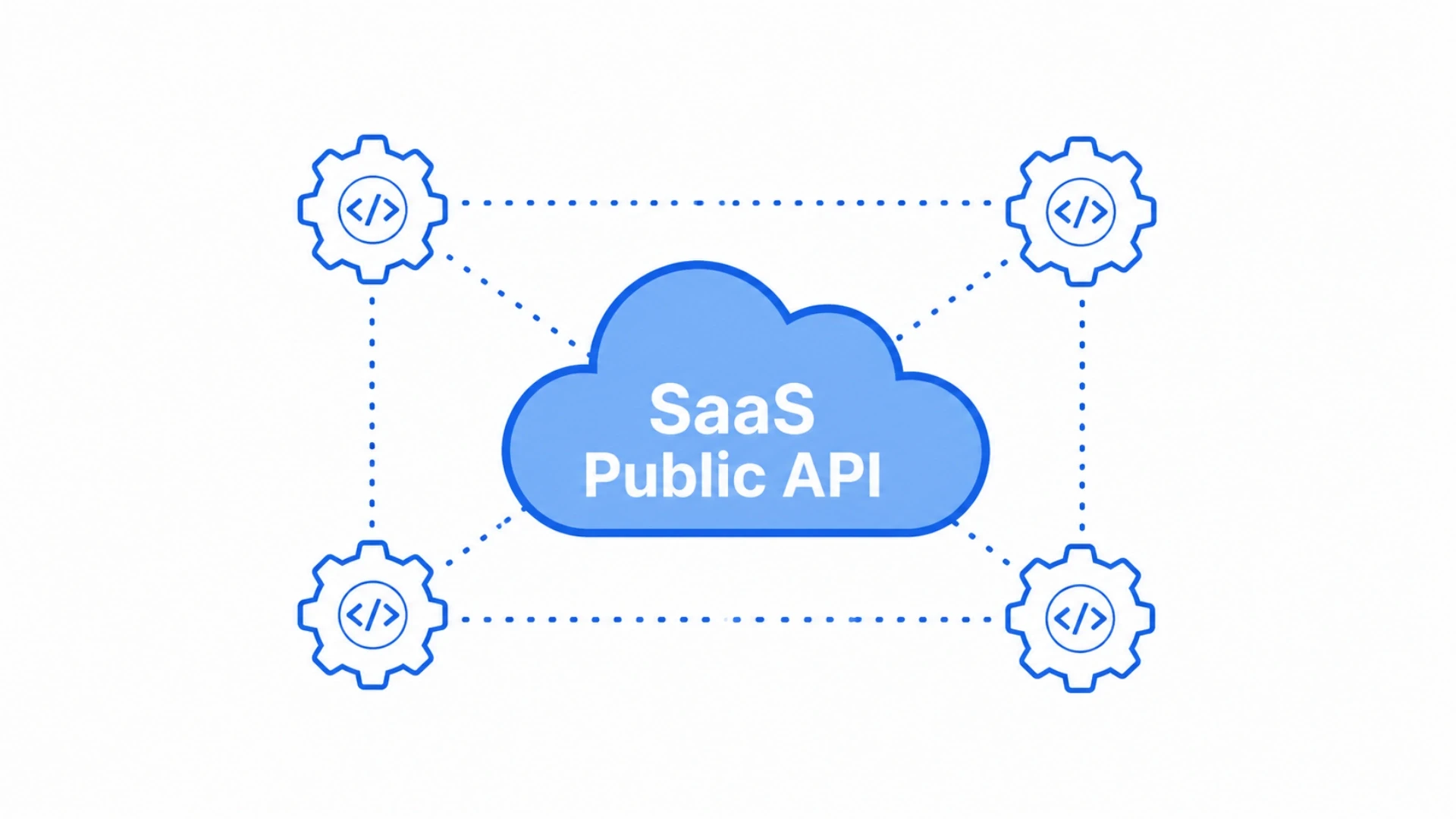
A SaaS API often starts as a growth feature but quickly becomes a responsibility. Once customers and partners build on it, every change can impact their products. That's why a public API should be treated as a product, with proper versioning, authentication, documentation, and backward compatibility from day one. A well-designed API drives adoption and integrations, while a poorly managed one creates support issues and customer churn.
The guidance here draws on Acquaint Softtech's experience delivering software product development for SaaS companies whose APIs are central to how their customers and partners build on the platform.
Acquaint Softtech has shipped both REST and GraphQL APIs in production across SaaS, fintech, and healthcare, and the right framework choice depends heavily on the data model and client mix.
Teams that hire Python developers for API work get engineers with production experience in FastAPI, Django REST Framework, and Strawberry GraphQL, which covers the full range of public API styles.
What a SaaS Public API Actually Is
A SaaS public API is a documented and versioned interface that allows external developers to connect with your product. It transforms a SaaS application into a platform, enabling integrations, workflow automation, and third-party extensions. A well-designed API increases customer retention, creates a stronger ecosystem, and becomes a long-term competitive advantage.
The distinction between a public API and the internal API that powers your own frontend is critical. Your internal API can change whenever your frontend changes, because you control both ends. A public API is consumed by code you do not control and cannot update, so every change risks breaking a customer. This is why public API design demands discipline around versioning and deprecation that internal APIs can skip. Acquaint Softtech's dedicated software development teams design public APIs with an explicit contract and a versioning strategy from the first endpoint, because retrofitting that discipline after third parties have integrated is far harder than building it in.
The SaaS public API trends 2026 point toward APIs becoming central to product strategy rather than an afterthought: API-first companies design the API before the interface, treating the interface as just one more client. AI integration has accelerated this, because AI agents and automation tools consume APIs directly. The article Why Businesses Choose Laravel on acquaintsoft.com describes how modern frameworks support RESTful and GraphQL APIs that connect web apps to mobile clients, partner systems, and external services within a maintainable architecture.
Decision 1: REST or GraphQL, and How to Choose
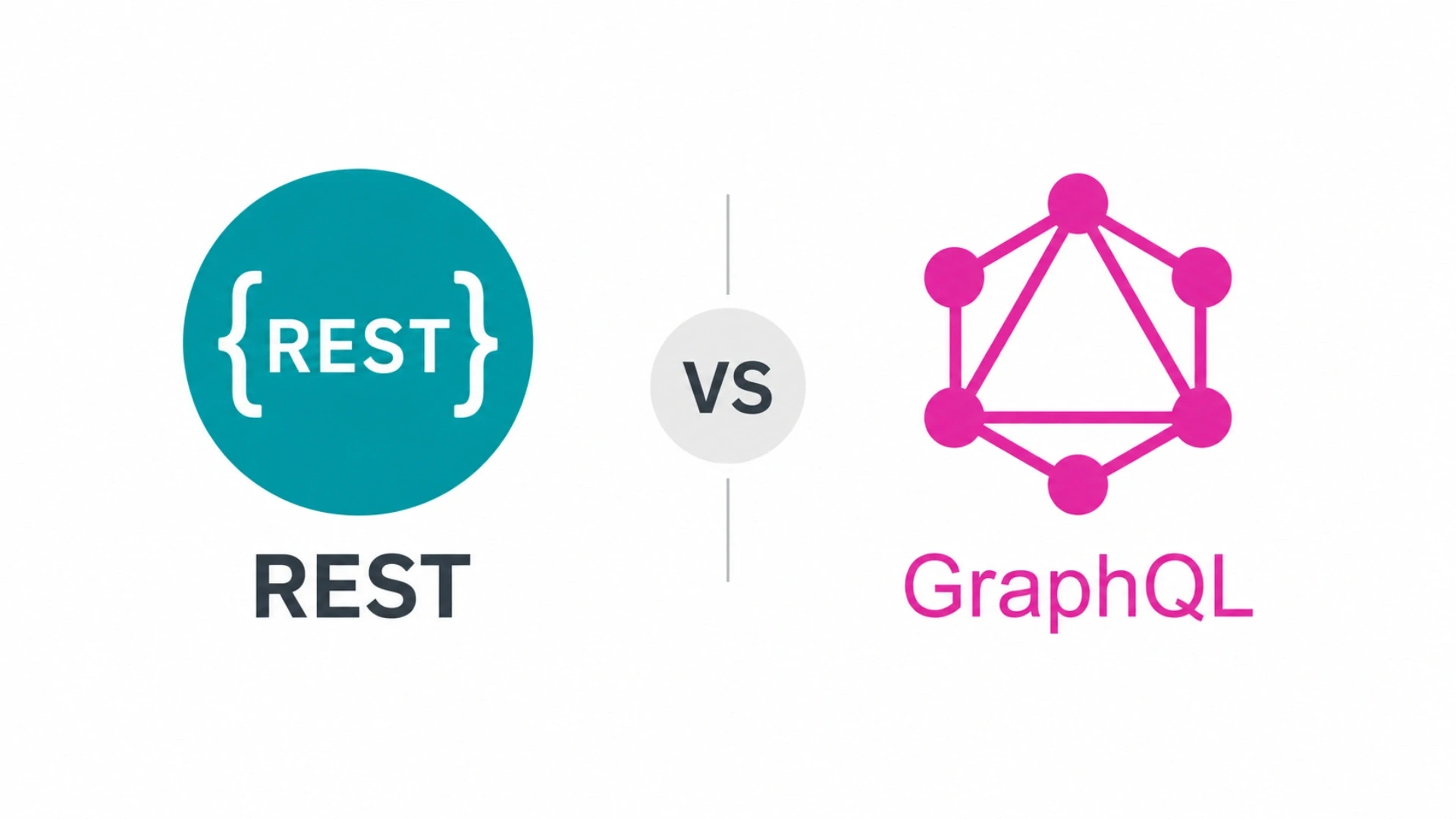
This is the decision that defines everything downstream, and it is the heart of SaaS public API design. REST and GraphQL are not competing versions of the same thing; they are different architectural styles that solve different problems. Choosing well requires understanding what each is genuinely good at, rather than picking the fashionable one.
REST exposes your data as resources at multiple URL endpoints, accessed with standard HTTP methods: GET to read, POST to create, PUT to update, DELETE to remove. It is the most widely used API style; every major SaaS platform exposes a REST API, and it is the safest default for a public API because it is cacheable at the HTTP layer, predictable, and familiar to every developer who might integrate with you. GraphQL, by contrast, exposes a single endpoint where the client sends a query describing exactly the data it wants, and the server returns precisely that, nothing more and nothing less. This solves over-fetching and under-fetching, which are real problems when different clients need different slices of the same data.
Dimension | REST | GraphQL |
Endpoints | Many, one per resource | One single endpoint |
Data fetching | Fixed response shape per endpoint | Client requests exact fields |
HTTP caching | Native and simple | Hard, needs custom layer |
Best for public APIs | Yes, the safe default | Only when clients diverge |
Rate limiting | Straightforward per endpoint | Complex, needs query costing |
Learning curve for consumers | Low, universally known | Higher, requires schema knowledge |
The practical guidance for how to build a SaaS public API is to default to REST unless you have a specific reason to choose GraphQL. According to a 2026 production benchmark analysis cited in Acquaint Softtech's own engineering research, REST handles roughly a third more simple requests per server, while GraphQL achieves lower latency on complex queries that would otherwise require multiple REST round trips. For a public API consumed by unknown third-party developers, REST's predictability and native caching usually outweigh GraphQL's flexibility.
Acquaint Softtech's software development outsourcing teams recommend REST for the public surface in most cases, reserving GraphQL for products where the client data needs genuinely diverge.
GraphQL becomes the architecturally correct choice when your API serves multiple client types with different data needs, such as an iOS app, an Android app, and a web app that each require different subsets of the same data, or when your data is deeply nested and relational so that REST would force clients into many round trips. The guide GraphQL vs REST for Scalable MERN Apps on acquaintsoft.com documents a real SaaS dashboard that cut load times substantially by replacing multiple REST calls with a single GraphQL query. Teams that hire MERN stack developers for GraphQL work build the schema, resolvers, and DataLoader batching that keep a GraphQL API performant rather than turning it into a source of accidental database load.
Choosing Between REST and GraphQL? Get It Right.
Acquaint Softtech ships production REST and GraphQL APIs with versioning, auth, and rate limiting built in. 1,300+ projects delivered. Teams deployed within 48 hours of brief.
Decision 2: Authentication and Authorisation
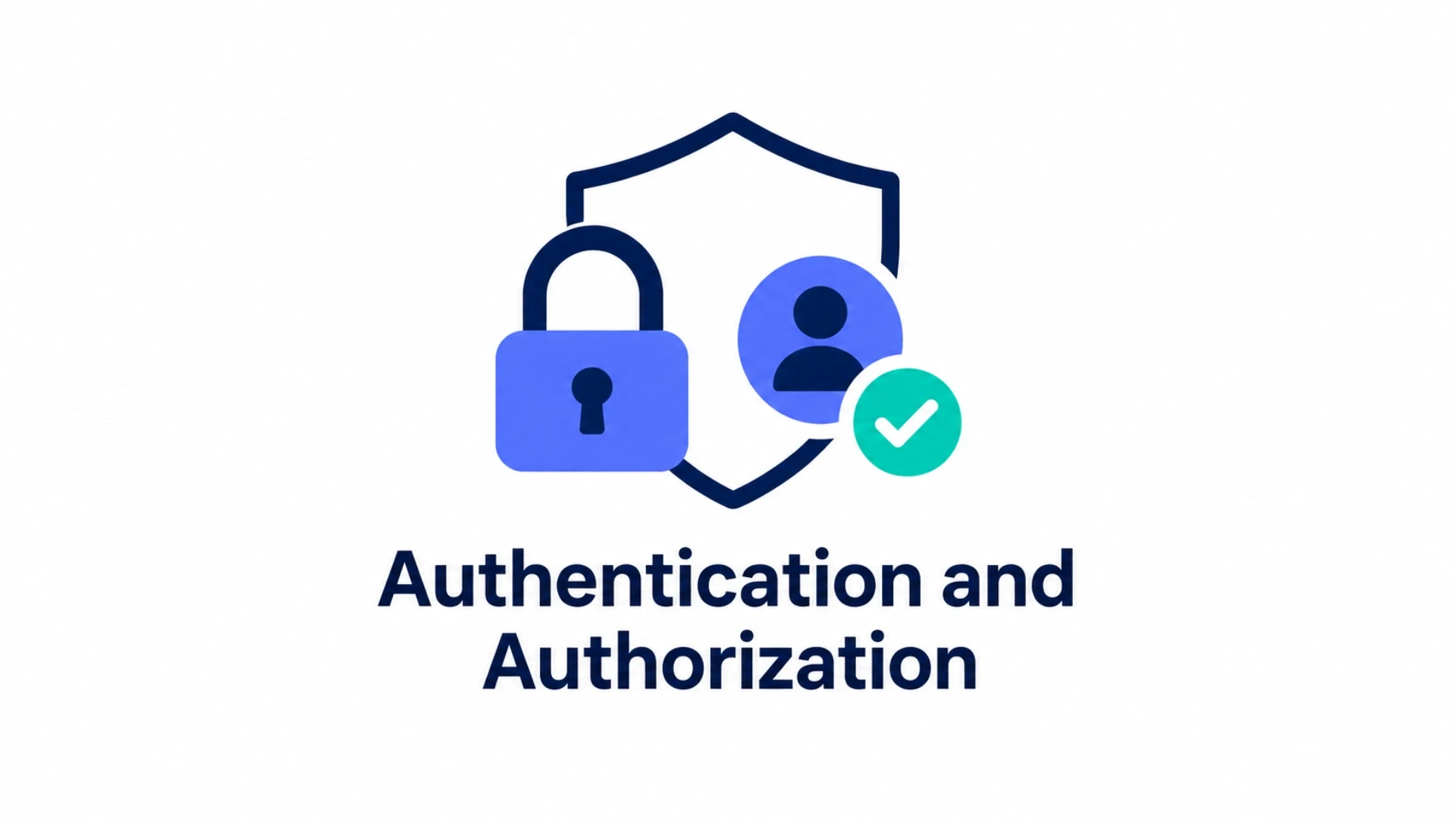
A public API is like the front door to your platform, so security cannot be an afterthought. Authentication verifies who is entering, while authorisation controls what they can access. Modern APIs use API keys, OAuth 2.0, and JWT tokens to provide secure access, but the real challenge is ensuring every user only sees their own data. When done right, your API becomes a trusted foundation for integrations; when done wrong, it becomes a security risk.
Acquaint Softtech's hire backend developers build authorisation as middleware that checks scope and tenant on every request, rather than relying on individual endpoints to remember to enforce it, because a single unguarded endpoint is a data breach waiting to happen.
Token security also depends on infrastructure: secrets must be stored in a vault rather than in code, keys must be rotatable without downtime, and revoked tokens must stop working immediately. These are operational requirements as much as code requirements. The guide Python Development in 2026 on acquaintsoft.com covers how authentication patterns differ between Django REST Framework and FastAPI and why the choice has downstream consequences for API security. Teams that hire Python developers with production API security experience implement JWT, OAuth2, and rate-limited key issuance correctly from day one rather than discovering the gaps in a penetration test.
Decision 3: Versioning Without Breaking Your Users
Versioning is what keeps your API growing without breaking your customers. Every integration is a promise, and versioning ensures you can introduce new features while keeping existing workflows running smoothly. Combined with a clear deprecation policy and migration timeline, it helps you evolve confidently, maintain developer trust, and avoid costly integration failures.
Acquaint Softtech's version upgrade services teams build APIs with versioning and deprecation policy defined from the start, and run API migrations for clients whose early APIs shipped without a versioning strategy and now need one without disrupting existing consumers.
A useful pattern during modernisation is wrapping a legacy API in a new layer rather than rewriting it: a legacy monolith exposing old endpoints can be fronted by a new versioned API or a GraphQL gateway that aggregates and reshapes the data, preserving existing integrations while offering a better interface for new ones. The article Django vs FastAPI vs Flask on acquaintsoft.com explains how framework choice affects API versioning and long-term maintainability. Teams that hire dedicated developers with API modernisation experience handle these migration windows with parallel endpoint support so no consumer is forced to migrate overnight.
Build an API Your Customers Can Depend On
Acquaint Softtech designs public APIs with versioning, authentication, and deprecation policy built in from the first endpoint. Up to 40% lower cost than Western agencies. Deployed within 48 hours.
Decision 4: Rate Limiting, Quotas, and Abuse Protection
Rate limiting is the traffic control system of a public API. It prevents abuse, protects performance, and ensures every developer gets fair access. By setting usage limits and clear quotas, SaaS companies can improve reliability, support pricing tiers, and create a better developer experience. Without rate limiting, even a great API can quickly become unstable.
Acquaint Softtech's DevOps engineers implement rate limiting at the gateway and application layers together, with query-cost analysis for GraphQL APIs, so that no single consumer can degrade the service for everyone else.
Beyond rate limiting, a public API needs abuse protection: input validation on every field to prevent injection, monitoring to detect anomalous usage patterns, and the ability to revoke a key instantly if it is compromised or abused. These protections must be built in, not added after an incident.
The guide Laravel SaaS Architecture on acquaintsoft.com covers how rate limiting, caching, and queue handling work together to keep an API responsive under real-world load. Teams that hire MEAN stack developers for high-throughput API work build the throttling and validation layers that keep a public API safe and stable as traffic grows.
Decision 5: Documentation and Developer Experience
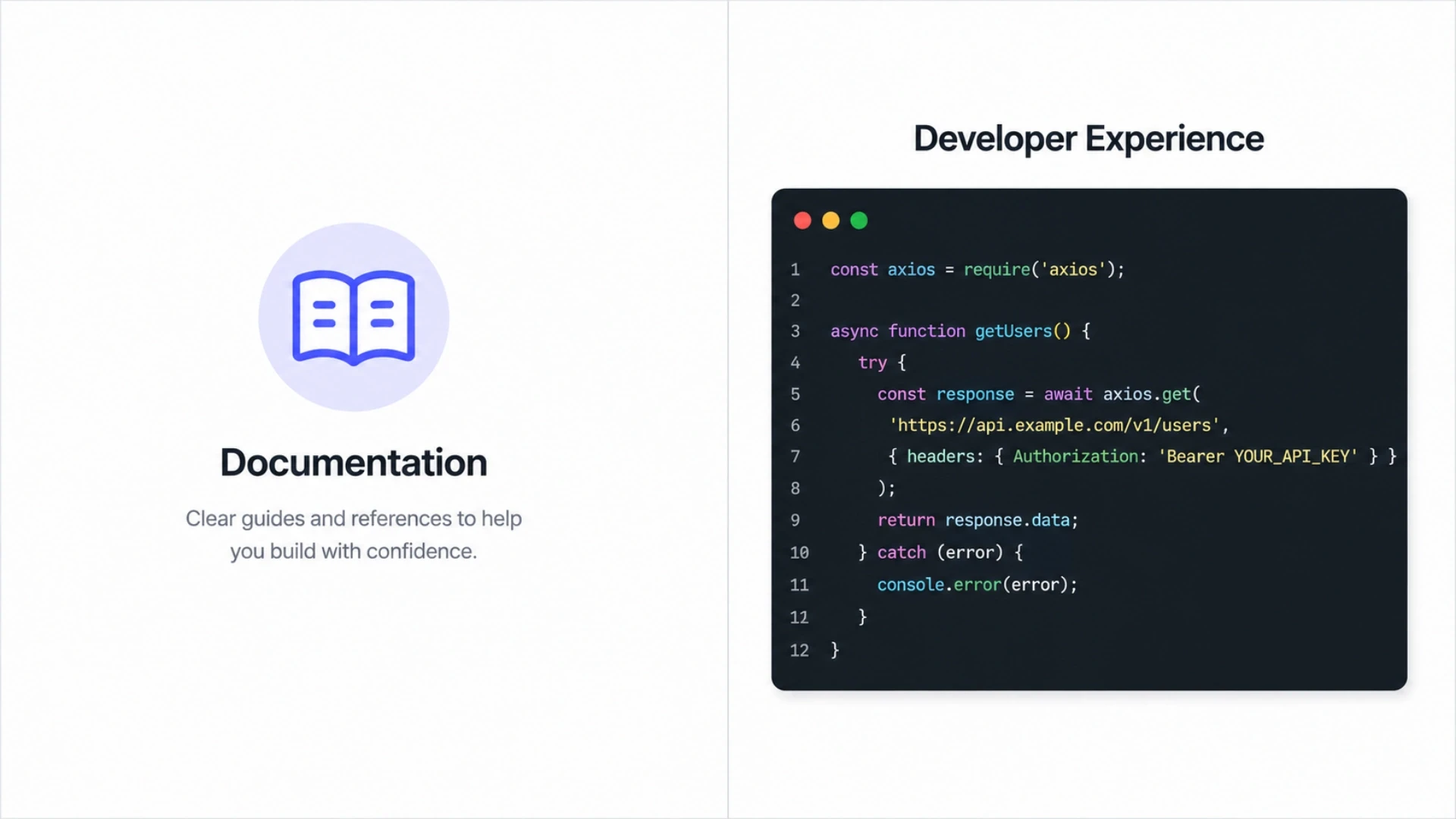
A successful API is built on great developer experience. Clear documentation, quickstart guides, meaningful error messages, status pages, and transparent updates help developers integrate faster and trust your platform. The easier your API is to use, the faster adoption and ecosystem growth follow.
The guide Introduction to SaaS Development on acquaintsoft.com sets the wider context for how an API fits into a SaaS product strategy. Teams that hire frontend developers to build the developer portal and interactive docs treat the documentation as a first-class product surface rather than an afterthought.
The Hybrid Reality: When to Run Both
Many mature SaaS companies use both REST and GraphQL because each serves a different purpose. A common approach is REST for public APIs, where stability and predictability matter, and GraphQL for internal applications that need flexible data access. The goal is not choosing one over the other, but using the right tool for the right job.
The caution is that running both doubles the surface you must secure, document, version, and rate-limit. A hybrid approach is justified when you genuinely have both problems; it is a mistake when adopted for completeness rather than need. Acquaint Softtech's software product engineering teams help clients decide whether a hybrid is worth the operational cost, and when it is, they build REST microservices with a GraphQL gateway and full observability across both styles.
The article GraphQL vs REST on acquaintsoft.com shows how teams blend both models to balance speed and flexibility on the same platform. Teams that hire Node.js developers for the gateway layer build the aggregation and schema-stitching that makes a hybrid architecture coherent rather than chaotic.
Cost, Timeline, and Tech Stack for a Public API
The cost and timeline of building a public API depend on the number of endpoints, the authentication and rate-limiting requirements, and the depth of the developer-experience tooling. The figures below reflect industry benchmarks and Acquaint Softtech's delivery experience for a production-ready public API, not an internal prototype.
API Scope | Typical Timeline | Relative Cost |
Small REST API (up to 10 endpoints) | 1 to 3 weeks | Lowest |
Medium REST or GraphQL (20-50 endpoints) | 5 to 10 weeks | Moderate |
Public API platform with portal + gateway | 12 to 24 weeks | Highest |
How much does a SaaS public API cost to build?
A small public REST API with up to ten endpoints, authentication, validation, and documentation typically costs $7,000 to $15,000 with an offshore partner. A medium REST or GraphQL API with twenty to fifty endpoints, complex logic, and integrations runs roughly $15,000 to $50,000. A full public API platform with a developer portal, gateway, and multi-version support can run well into six figures for large-scale SaaS.
The main cost drivers are authentication, rate limiting, and developer-experience tooling, not the endpoints themselves. Teams weighing a SaaS public API development cost estimate or deciding whether to hire developers for SaaS public API work should compare partners on production public-API experience. Acquaint Softtech delivers these builds at up to 40% lower cost than equivalent USA or UK agency rates.
What tech stack is best for a SaaS public API?
For REST APIs in 2026, FastAPI and Django REST Framework are the strongest Python choices, with FastAPI favoured for async high-throughput services and auto-generated OpenAPI docs, and Django REST Framework favoured for feature-rich APIs with complex business logic. For GraphQL, Strawberry and Graphene are the leading Python options, while Apollo and Node.js suit JavaScript-first teams. PostgreSQL is the common database, Redis handles rate-limiting counters and caching, and an API gateway manages auth and throttling at the edge. The guide REST vs GraphQL in Python, on acquaintsoft.com, details the specific libraries for each style.
For AI products exposing model inference through an API, Acquaint Softtech's AI development services pair FastAPI's streaming and async strengths with the API layer, and teams needing senior API engineers on demand use staff augmentation to add them within days.
Case Study: A Public API Platform Delivered by Acquaint Softtech
CASE STUDY: B2B Logistics SaaS Public API, UK
Client: Growth-stage B2B logistics SaaS, UK, serving freight and fleet operators across the UK and Europe, with a growing demand from customers and partners to integrate the platform with their own systems.
Situation: The client had shipped a quick internal API to satisfy two early integration requests. As more partners asked to integrate, the team realised the API had no versioning, used a single shared secret for authentication, had no rate limiting, and had no documentation beyond a shared spreadsheet. One endpoint change had already broken a partner integration in production. The team was now afraid to change the API at all, which was blocking the product roadmap.
Diagnosis: Acquaint Softtech's review found the API was internal code exposed externally, with none of the contract discipline a public API requires. The recommendation was a purpose-built public REST API, since the consumers were unknown third-party developers who needed predictability and caching, with a clear versioning strategy and proper developer tooling.
What Acquaint Softtech Built:
A versioned public REST API on FastAPI with URL versioning and a documented deprecation policy.
Per-developer API key issuance plus OAuth 2.0 for partner applications acting on behalf of customers.
Per-key rate limiting and plan-based monthly quotas, with clear usage headers on every response.
An OpenAPI-generated interactive developer portal with a quickstart, code samples, and a sandbox environment.
Tenant-scoped authorisation middleware ensuring one customer's key could never reach another's data.
Outcome: Partner integrations grew from 2 to 34 within six months of the new API launching, with developers self-serving through the portal rather than requiring hands-on support from the client's team. Zero breaking-change incidents after launch, because versioning and deprecation policy were in place. API-driven integrations became a selling point in enterprise deals, with several large accounts citing the API as a deciding factor. Support load per integration fell sharply because the documentation and error messages answered the questions developers used to email about.
Team and Timeline: One senior API engineer, two backend engineers, one DevOps engineer. Deployed within 48 hours of brief. Platform delivered in 15 weeks with the old API kept running in parallel until partners migrated.
“We had built an API the way you build an internal feature, and it nearly cost us a major partner. Acquaint Softtech rebuilt it as an actual product, with versioning and a developer portal, and the difference was night and day. Partners now integrate themselves without ever contacting us, and our API has become something we sell on rather than something we apologise for.” — Client Testimonial, Growth-stage Logistics SaaS, UK
For SaaS teams whose internal API has been pushed into public use without the right foundation, the guide How to Outsource SaaS Product Development explains the engagement model that kept this client in full control of their API and roadmap throughout the rebuild.
Teams can also hire Laravel developers with public API experience to run a comparable build on their own product, whichever backend stack they prefer.
Join 200+ Companies Who Built Platform-Grade APIs With Acquaint Softtech
From a first public endpoint to a full API platform with versioning, OAuth, rate limiting, and a developer portal, Acquaint Softtech ships APIs developers want to build on. 4.9/5 on Clutch. 50+ verified reviews. Premier Verified.
Frequently Asked Questions
-
What is a SaaS public API?
A SaaS public API is a documented and versioned interface that allows external developers to connect with a SaaS platform. It enables integrations, automation, and data sharing, turning a software product into a scalable platform.
-
Why do SaaS companies build public APIs?
Public APIs help SaaS companies expand their ecosystem, automate workflows, and increase customer retention. They allow partners and customers to build custom integrations without accessing the core application.
-
Should I use REST or GraphQL for a public API?
REST is the preferred choice for most public APIs because it is simple, stable, and widely supported. GraphQL works best when applications need flexible and customised data retrieval.
-
How do you build a SaaS public API?
Start by choosing REST or GraphQL, then implement authentication, authorisation, versioning, rate limiting, and documentation. A successful API should be treated as a product, not just a technical feature.
-
How much does a SaaS public API cost to build?
A basic public API typically costs between $7,000 and $15,000, while advanced API platforms can exceed $50,000. Costs depend on security, documentation, integrations, and developer tooling requirements.
-
How long does SaaS public API development take?
A simple public API can be developed in 1–3 weeks, while a fully featured API platform with authentication, versioning, and a developer portal may take 12–24 weeks. Proper planning reduces delays and future maintenance costs.
-
What features should a SaaS public API include?
A production-ready public API should include authentication, authorisation, versioning, rate limiting, validation, interactive documentation, error handling, and a developer sandbox. These features improve security and adoption.
-
What is API versioning and why is it important?
API versioning allows new features and changes to be released without breaking existing integrations. It ensures backward compatibility and gives developers time to migrate to newer versions safely.
-
What is the best tech stack for a SaaS public API?
Popular API stacks include FastAPI and Django REST Framework for REST APIs, Apollo and GraphQL for flexible data access, PostgreSQL for storage, Redis for caching, and API gateways for security and traffic management.
-
How do you secure a SaaS public API?
Secure APIs use API keys, OAuth 2.0, or JWT authentication, along with role-based authorisation, encryption, rate limiting, and continuous monitoring. Strong security protects customer data and prevents unauthorised access.
I am Sanjay Parjapati, a developer at heart and a Head of business by work. My journey started with coding and helped me grow towards becoming a head of business which led me to focus on dual skills, i.e. technical know-hows and the business know-hows. My journey of 10+ years has helped me grow immensely from a professional viewpoint.
Table of Contents
Get Started with Acquaint Softtech
- 13+ Years Delivering Software Excellence
- 1300+ Projects Delivered With Precision
- Official Laravel & Laravel News Partner
- Official Statamic Partner
Related Blog
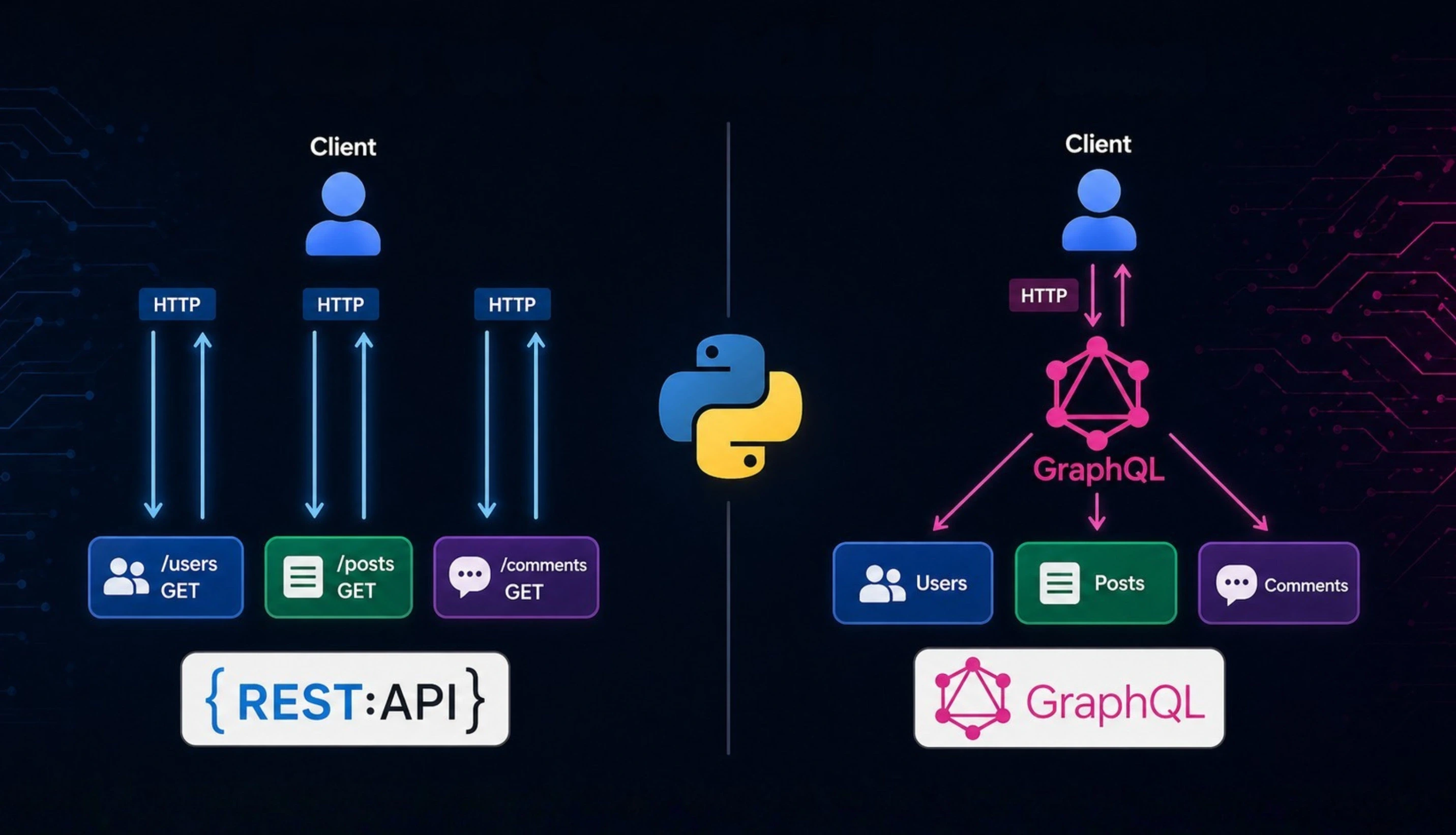
REST vs GraphQL in Python A Production-Grade Decision Framework
REST vs GraphQL in Python for production. 2026 benchmarks, FastAPI vs Strawberry comparison, decision framework, and migration costs that actually matter.

Acquaint Softtech
April 30, 2026
The Complete Guide to SaaS Product Development in 2026
SaaS product development in 2026 is five interlocking decisions: architecture, billing, compliance, AI, and team model, each with a costly alternative if made in the wrong order. This guide covers all five with specific cost ranges, comparison tables, and real delivery data from 1,300+ projects.
Acquaint Softtech
May 7, 2026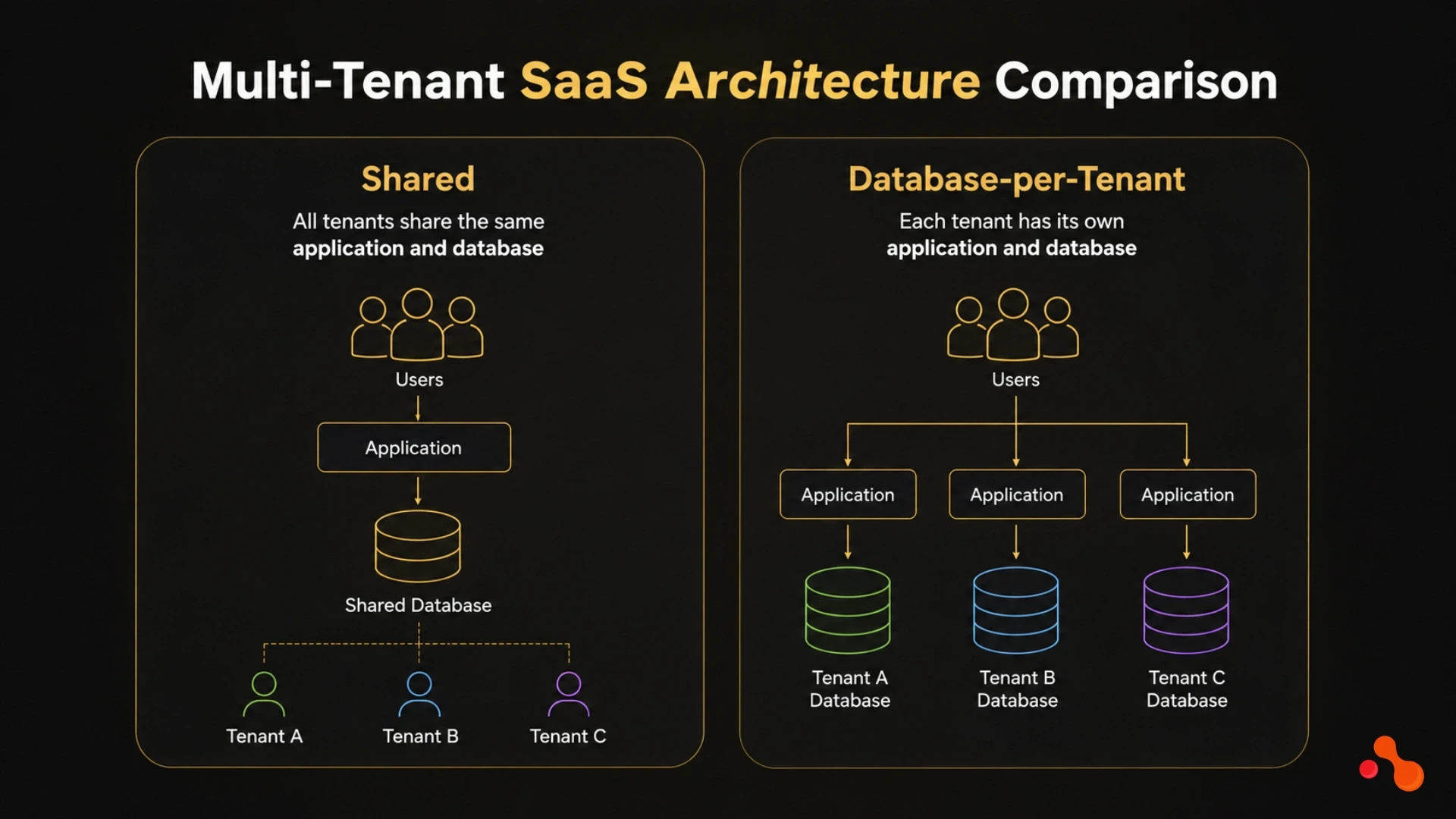
Multi-Tenant SaaS Architecture Comparison: Shared vs Database-per-Tenant
Multi-tenant SaaS architecture is not three flavours of the same idea. Shared database, schema-per-tenant, and database-per-tenant are three different operational contracts with your future self. This guide tells you which model fits each business condition, what each costs to run at 50, 500, and 5,000 tenants, and the 5-question decision framework Acquaint Softtech architects use before writing the first migration.

Ahmed Ginani
May 15, 2026India (Head Office)
203/204, Shapath-II, Near Silver Leaf Hotel, Opp. Rajpath Club, SG Highway, Ahmedabad-380054, Gujarat
USA
7838 Camino Cielo St, Highland, CA 92346
UK
The Powerhouse, 21 Woodthorpe Road, Ashford, England, TW15 2RP
New Zealand
42 Exler Place, Avondale, Auckland 0600, New Zealand
Canada
141 Skyview Bay NE , Calgary, Alberta, T3N 2K6