
I am Sanjay Parjapati, a developer at heart and a Head of business by work. My journey started with coding and helped me grow towards becoming a head of business which led me to focus on dual skills, i.e. technical know-hows and the business know-hows. My journey of 10+ years has helped me grow immensely from a professional viewpoint.
To optimize video for a low-bandwidth virtual classroom on a slow internet connection, prioritize audio clarity by lowering video resolution, reducing frame rate, or turning off video feeds entirely. The practical strategies are: disable video feeds when connections lag, use adaptive bitrate streaming that scales resolution in real time, pre-record and compress heavy lectures rather than streaming them live, and switch to a wired connection where possible to reduce packet loss.
MLS IDX integration is a system that connects a local real estate database to a public website so agents can display live property listings. A property listing portal has four working parts: an MLS connection that pulls listings through the RESO Web API under your IDX agreement, a sync pipeline that keeps a local copy fresh (often every 15 to 60 minutes), a search layer with map-based browsing and advanced faceted filters that runs against your own database rather than the MLS, and a lead capture flow that pushes registrations into a CRM.
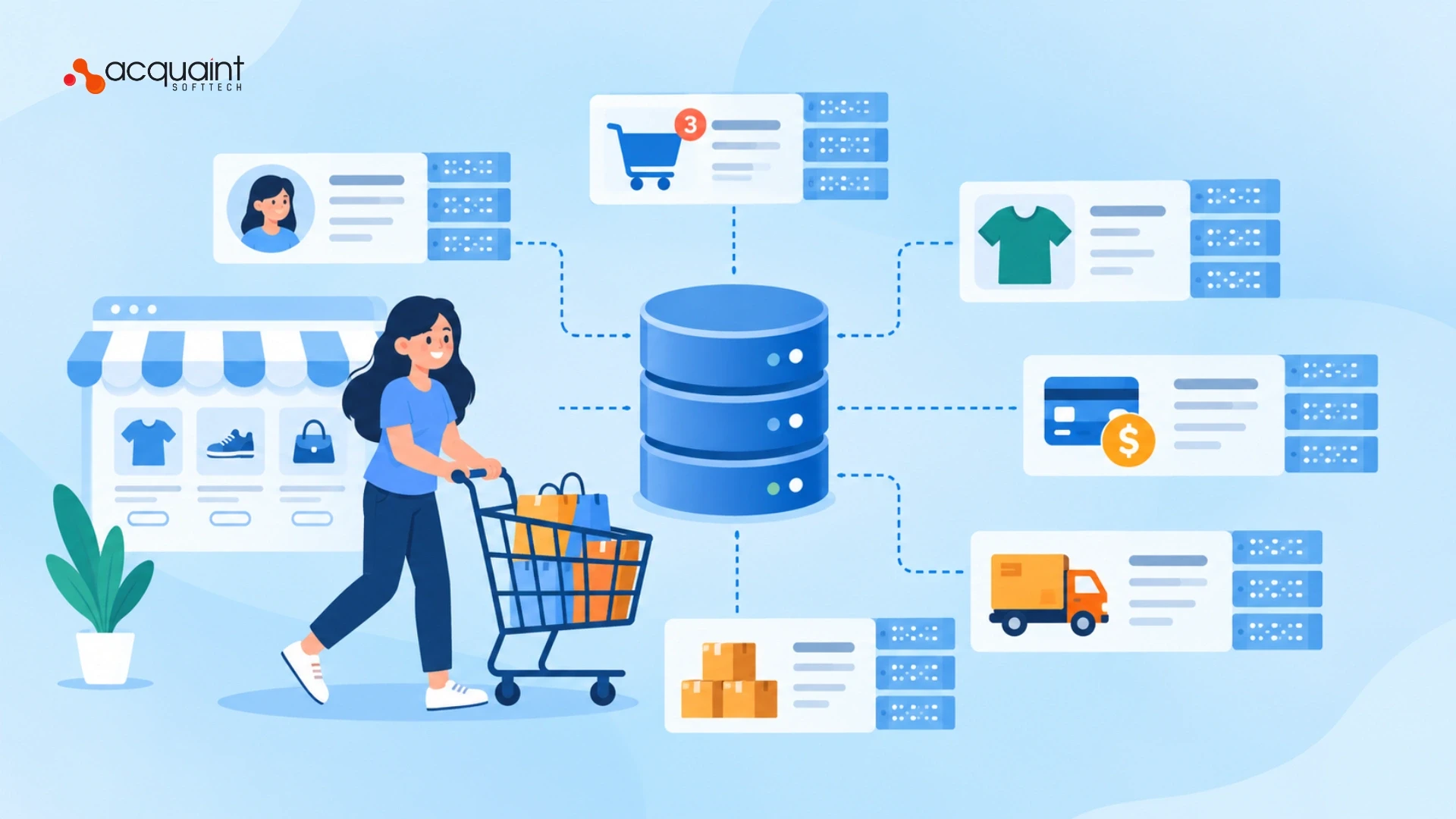
A scalable e-commerce database separates product, variant, and inventory data. Products store shared details, variants/SKUs define sellable combinations like Red/Size M, and separate inventory tables manage stock across warehouses. This structure supports fast filtering, flexible attributes, and multi-warehouse inventory management.
A real-time shipment tracking system uses GPS, IoT sensors, and cloud software to monitor the exact location and status of goods live across the supply chain. It pulls carrier and device data into one platform, predicts arrival with live traffic and weather, flags exceptions the moment they happen, and pushes automated updates to operators and customers.
Managing a live exam with high concurrent learners is the ultimate stress test for any Learning Management System. Unlike normal course navigation where users pull static pages, a live exam forces heavy, write-intensive database traffic at the same millisecond, such as saving quiz answers, autosaving progress, and validating timers.
SCORM and xAPI are complementary e-learning technical standards that define how digital learning content and Learning Management Systems (LMS) interoperate, communicate, and track learner data. SCORM packages and launches a course inside an LMS and tracks basic completion and scores. xAPI records any learning experience anywhere and stores it in a Learning Record Store. cmi5 bridges the two. A modern compliant LMS supports all three.
A hotel dynamic pricing revenue management system (RMS) is an automated software tool that adjusts room rates in real time based on current demand, competitor pricing, and market trends. It ingests booking history, live occupancy, events, and weather, uses machine learning to forecast demand, then pushes the ideal rate to every channel through the property management system, all without manual spreadsheets.
UPI payment integration requires choosing between a direct bank or NPCI tie-up (for large consumer apps) or using a licensed payment gateway or aggregator. Most developers use intent or collect APIs via an aggregator. UPI integration uses Intent Flow for quick app-based payments, Collect/VPA for UPI IDs, and AutoPay for recurring payments. Implementation involves KYC and gateway setup, backend order creation, payment triggering, and secure webhook-based payment verification.
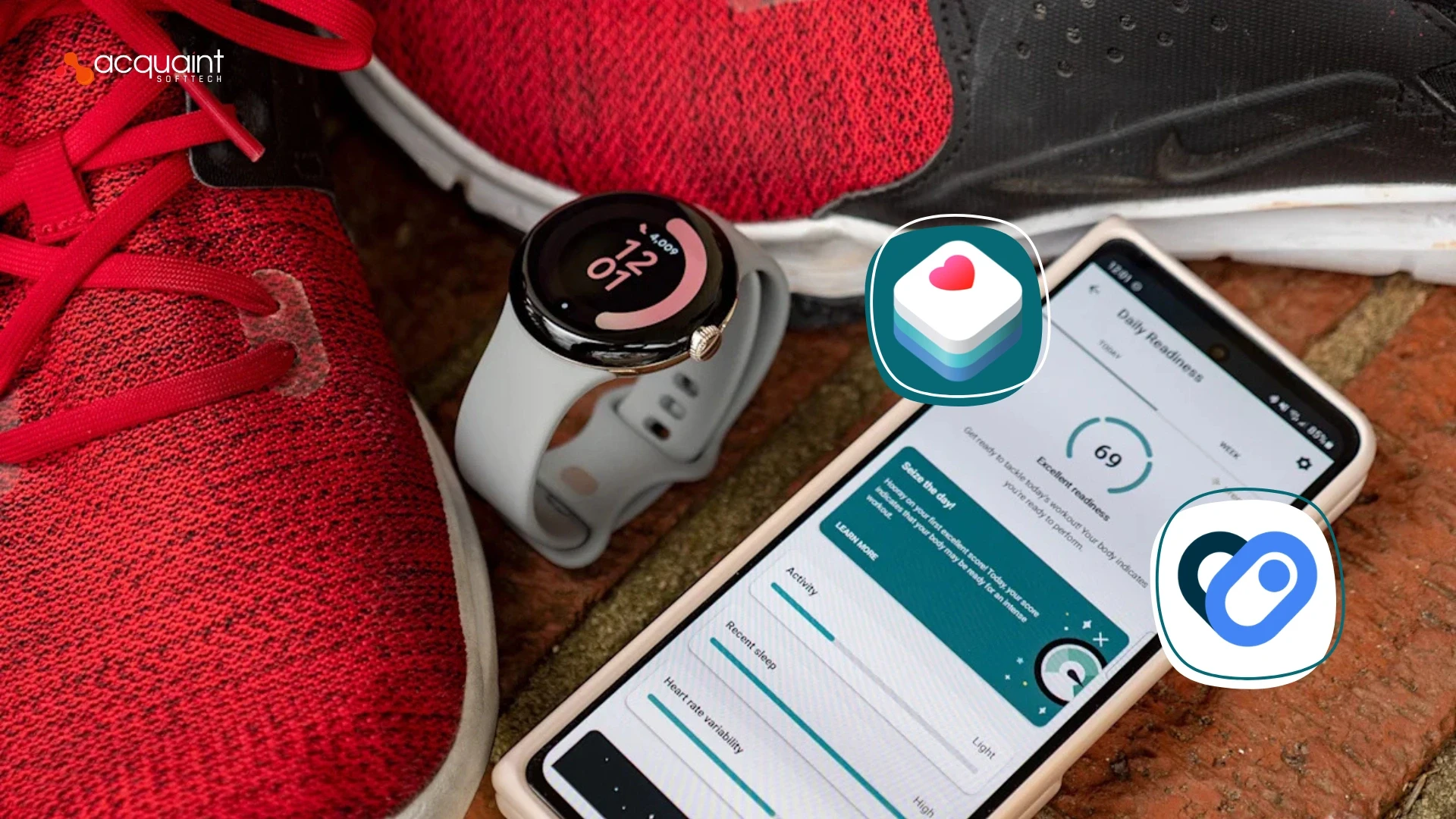
Apple HealthKit (iOS) and Google Health Connect (Android) are the standard platforms for accessing health data such as steps, heart rate, and sleep. Most healthcare apps integrate both to support iOS and Android, with Health Connect replacing Google Fit for Android.
Stripe Connect for SaaS payments lets users connect their Stripe accounts so you can process payments and take a platform fee. It includes onboarding connected accounts, routing payments, handling webhooks, and ensuring accounts are verified. Most SaaS platforms use Standard or Express accounts for faster, compliant setup.
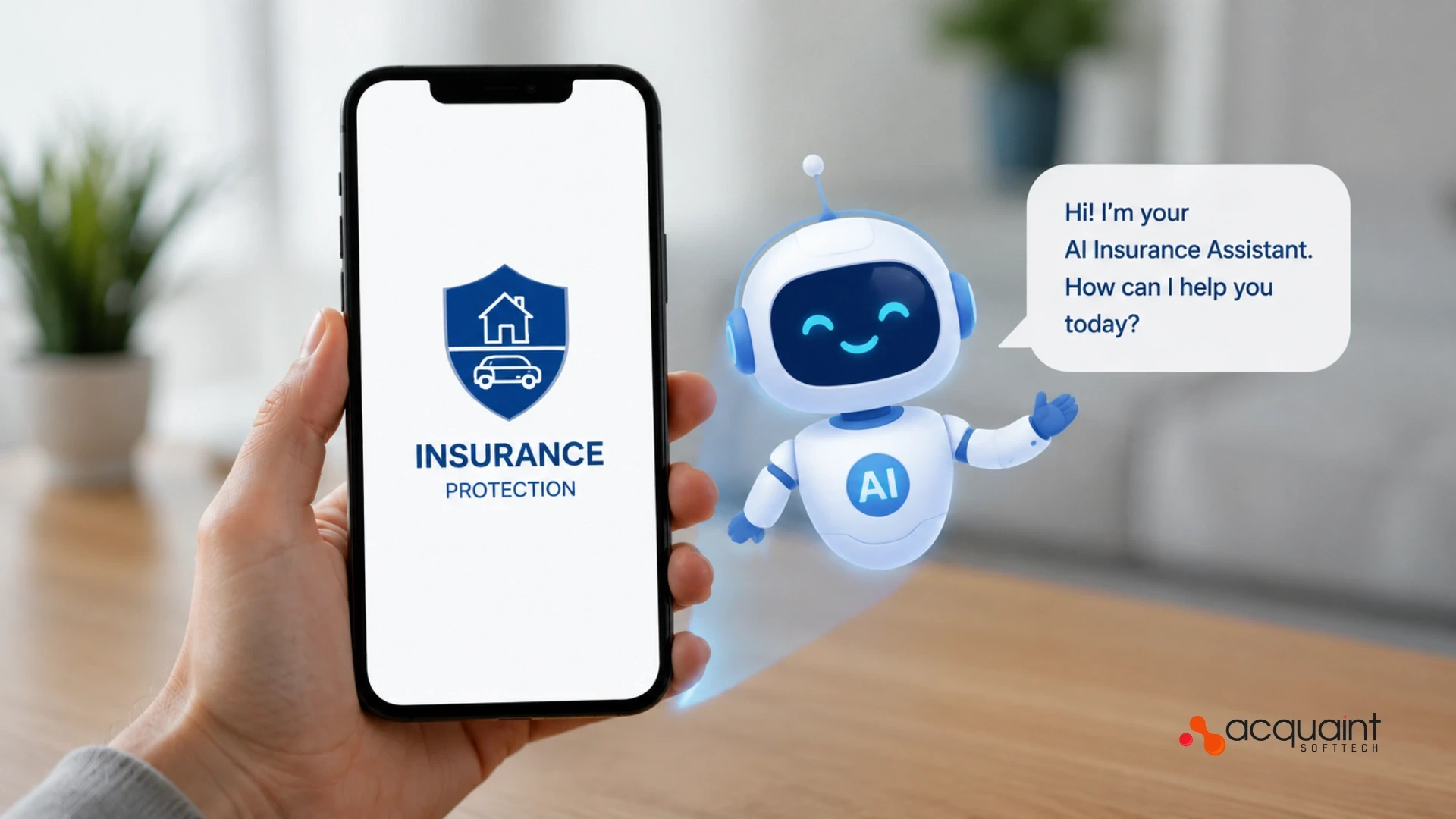
Artificial intelligence in insurance is the use of machine learning, computer vision, and language models to price risk, process claims, detect fraud, and serve customers faster and more accurately than manual methods. The four highest-value applications are AI underwriting, AI claims processing, AI fraud detection, and customer service AI. McKinsey estimates generative AI alone could add up to $1.1 trillion in annual value to the global insurance industry, and around 90 percent of insurers are already evaluating or deploying it.
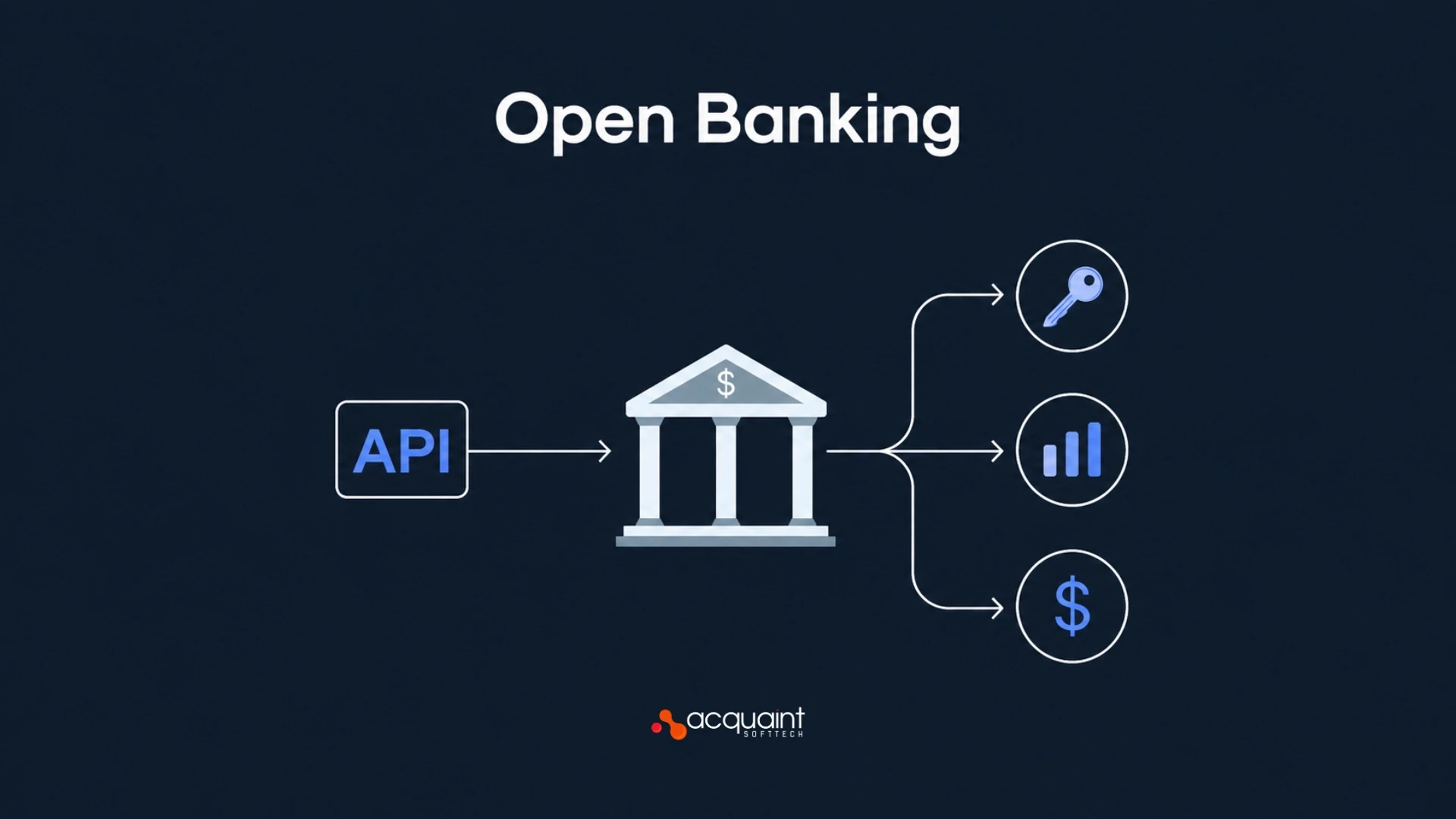
Open banking lets customers securely share bank data and payments through approved APIs with their consent. It powers account aggregation, lending, budgeting, and account-to-account payments under regulations like PSD2 and Section 1033.
A SaaS reporting engine is the system that lets each tenant generate reports from their own data on demand, without one tenant's heavy report slowing the product for everyone else. To build one, you separate reporting queries from the live application database using read replicas or a dedicated analytics store, enforce tenant isolation on every query, run report generation as asynchronous background jobs, cache repeated results, and deliver output as on-screen dashboards or exportable files such as PDF and CSV. The hard part is not the charts; it is isolating tenant data and keeping heavy queries off the path that serves live users.
KYC automation is the end-to-end digital process of verifying a customer's identity without manual review at every step. A workflow chains document capture and OCR, tamper and authenticity checks, biometric liveness and face matching, AML and sanctions screening, and automated risk scoring, routing only uncertain cases to a human.
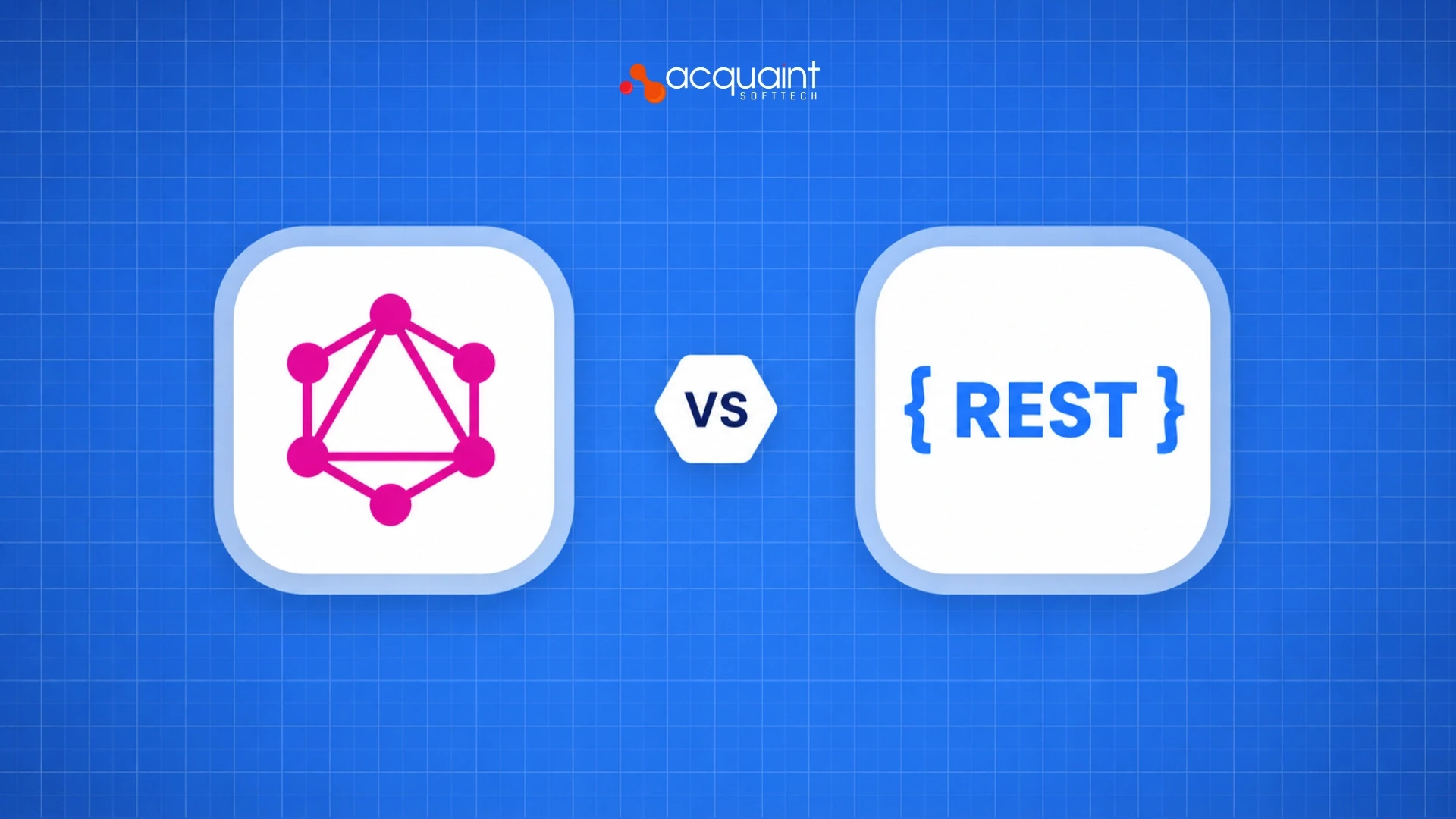
A SaaS public API is the interface that lets external developers and partner systems integrate with your product programmatically. The core design decision is REST versus GraphQL. REST exposes resources at multiple URL endpoints using standard HTTP methods and is the safest default for public APIs because it is cacheable, predictable, and familiar to every developer.
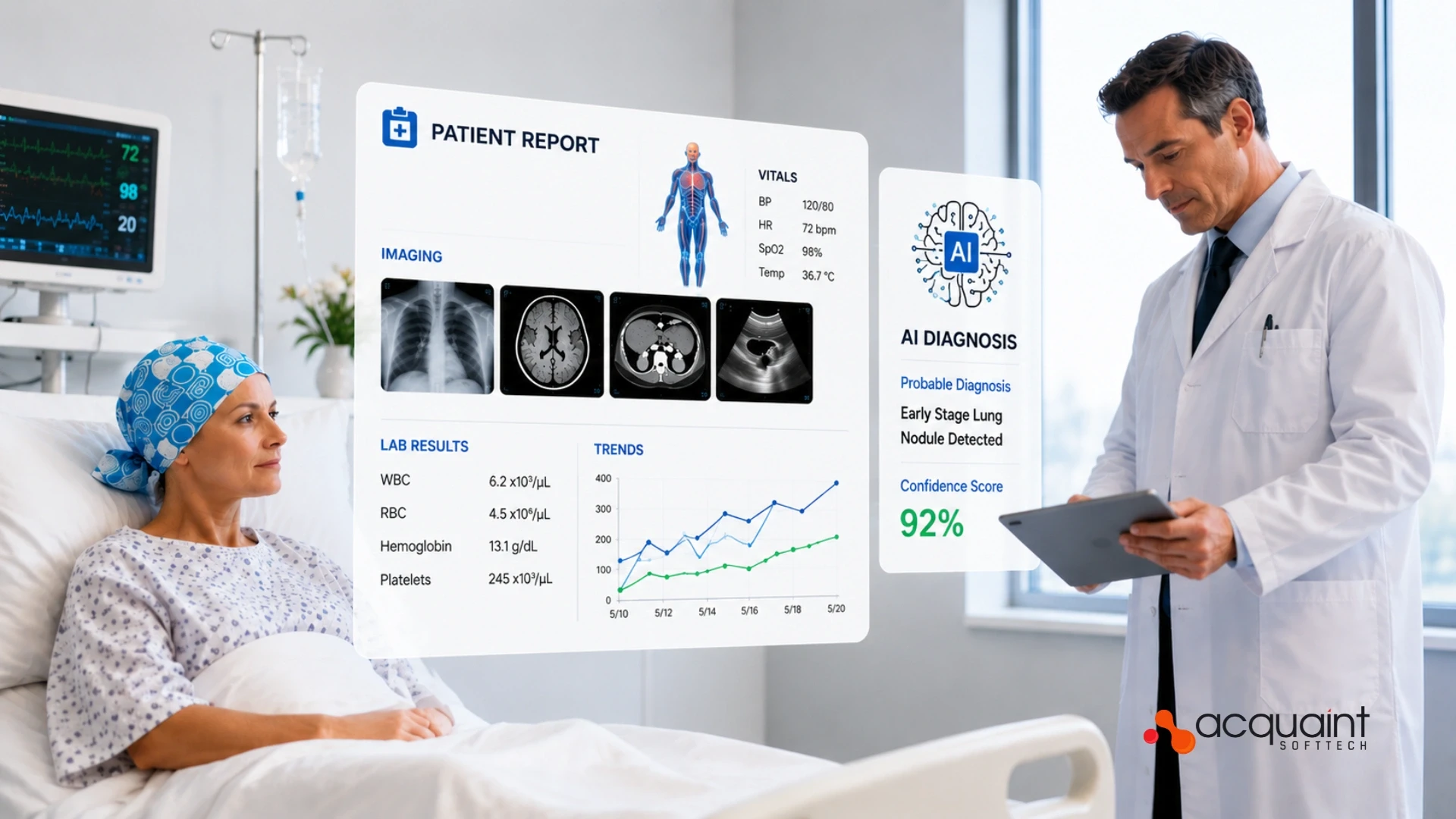
AI medical image analysis development is the engineering of deep learning systems that interpret X-rays, CT scans, MRI, and pathology slides to detect disease and support clinical decisions. In the USA, every system influencing clinical decisions requires FDA SaMD classification.
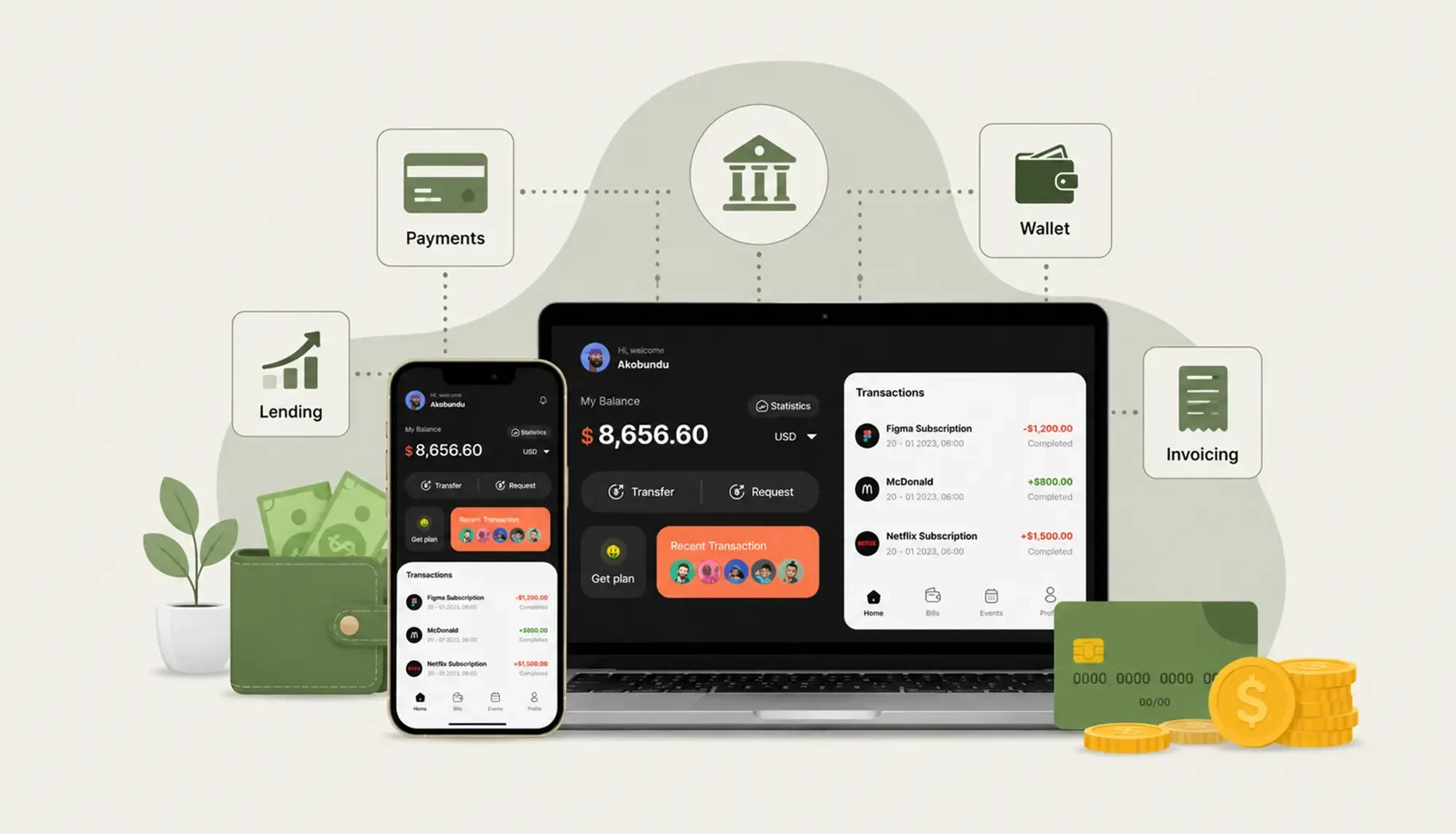
Embedded finance is the integration of financial services, such as payments, lending, insurance, and banking, directly into non-financial applications. When Uber charges you automatically after a ride, Shopify offers a merchant a business loan inside its dashboard, or an e-commerce store lets you split a purchase into instalments at checkout, that is embedded finance in action.
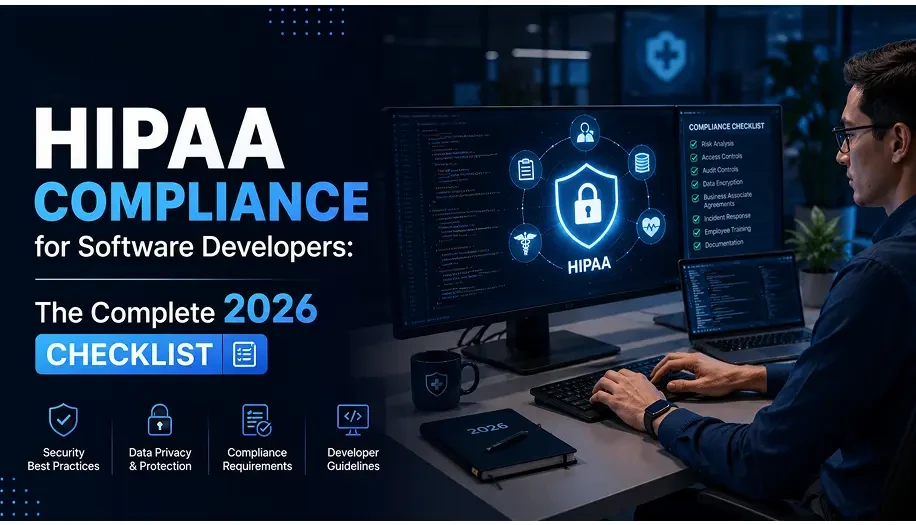
HIPAA is not a security features module you bolt on before launch. It is a pattern of engineering decisions that starts at repository creation and never stops. This checklist is the one Acquaint Softtech applies to every healthcare build: 12 rules, 7 technical safeguards, and the 2026 penalties for ignoring them.
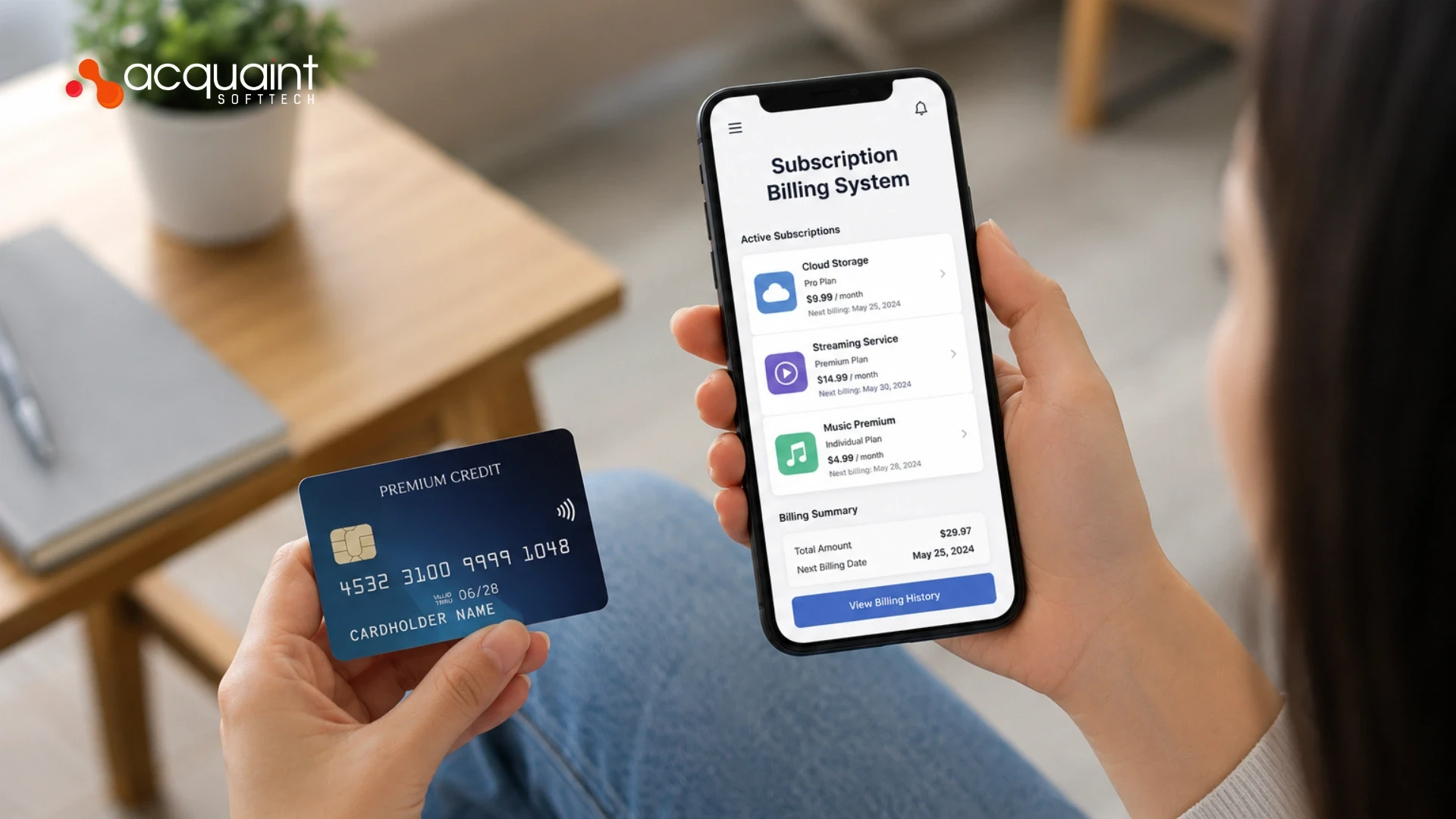
A subscription billing system is not just a Stripe integration. It is a revenue engine with plans, proration, taxes, dunning, invoicing, and ASC 606 revenue recognition built in. Get the architecture right at MVP, and you ship pricing changes in a day. Get it wrong, and every plan tweak takes a sprint. This guide is the operator's map.
Ensure quality in your outsourced software development projects with our six-point checklist. From setting clear goals to securing data, these strategies will ensure that the outcome of your outsourced software development project shall be successful and assured.
Ensure quality in your outsourced software development projects with our six-point checklist. From setting clear goals to securing data, these strategies will ensure that the outcome of your outsourced software development project shall be successful and assured.