

10 Tips to Build a Business Website That Engages Visitors in 2026
An engaging business website starts with a clear audience and one goal, then earns attention through fast load times, readable, accessible design, trustworthy security, easy navigation, and useful content. In 2026, three things decide engagement above the rest: speed measured by Core Web Vitals, accessibility that is now a legal requirement in Europe, and content genuinely helpful to a real person. A website engages when it is easy and useful, not when it is merely attractive.

Mukesh Ram
As the Founder and CEO at Acquaint Softtech, I have come to think engagement is one of the most misused words in web design, because most people use it to mean pretty when it actually means useful. A visitor does not engage with a website because it looks impressive; they engage because it loads fast, answers their question, and makes the next step obvious. Everything that genuinely drives engagement is a form of removing friction and adding value, and everything that merely decorates is, at best, neutral.
These 10 tips the original set out, because between them they cover the right ground, and do two things it did not: it turns each one from a slogan into something you can actually act on, and it adds the modern requirements, speed, accessibility, and helpful content, that now decide whether a site engages at all. This is the everyday work of software product development, not a wishlist bolted onto it.

- You are planning a new business website and want it to actually work.
- Your current site gets visitors, but few of them stay or act.
- You are not sure what separates an engaging site from a pretty one.
- You sell in Europe and need to meet the new accessibility rules.
- You want a practical checklist, not vague design advice.
A note on how to read the list. The ten tips are not equally important, and they are roughly ordered so the foundations- who the site is for and what it is meant to do, come before the craft.
Get the first two wrong, and no amount of polish on the rest will save the site; get them right and the others become straightforward decisions rather than guesses.
What Engagement Really Means
Engagement is a visitor finding what they came for quickly and choosing to go further, so every tip below serves that one outcome. It is measured in behaviour, not in compliments.
A site engages when people stay, read, click through, and come back, and those are things you can measure rather than admire. The original treated engagement mostly as a matter of appearance; the more useful frame is that engagement is the sum of a dozen small frictions removed and a clear reason to continue.
Keep that test in mind for every tip: does this help the visitor do what they came to do, or does it just look good in a mock-up? The tips that survive that test are the ones that matter.
Know Your Audience

Before anything else, know exactly who the site is for, because every later decision depends on it. A site built for everyone engages no one.
The original was right to put this first. Define who your visitors are, what they came to do, and what would make them trust you, and let that shape the content, tone, and structure. Analytics on any existing traffic, and a clear-eyed look at who actually buys from you, tell you more than assumptions do.
A website designed around a specific person with a specific need engages far better than one designed to impress in general, because it speaks to someone rather than to no one in particular.
Define One Clear Goal
Decide the single most important thing you want visitors to do, and build the site around it. A site with five equal priorities has none.
Is the goal a sale, an enquiry, a booking, a sign-up? Name it, make it the clearest path on the site, and let every page point toward it. The original mentioned prototyping here, which is genuinely useful: sketching the site before building it forces the goal to be explicit and reveals confusion early, while it is cheap to fix.
A site that knows what it wants a visitor to do, and makes that easy, engages far better than one that leaves them to work it out, and settling that goal is the first thing we do in a discovery workshop.
Build a Consistent Brand
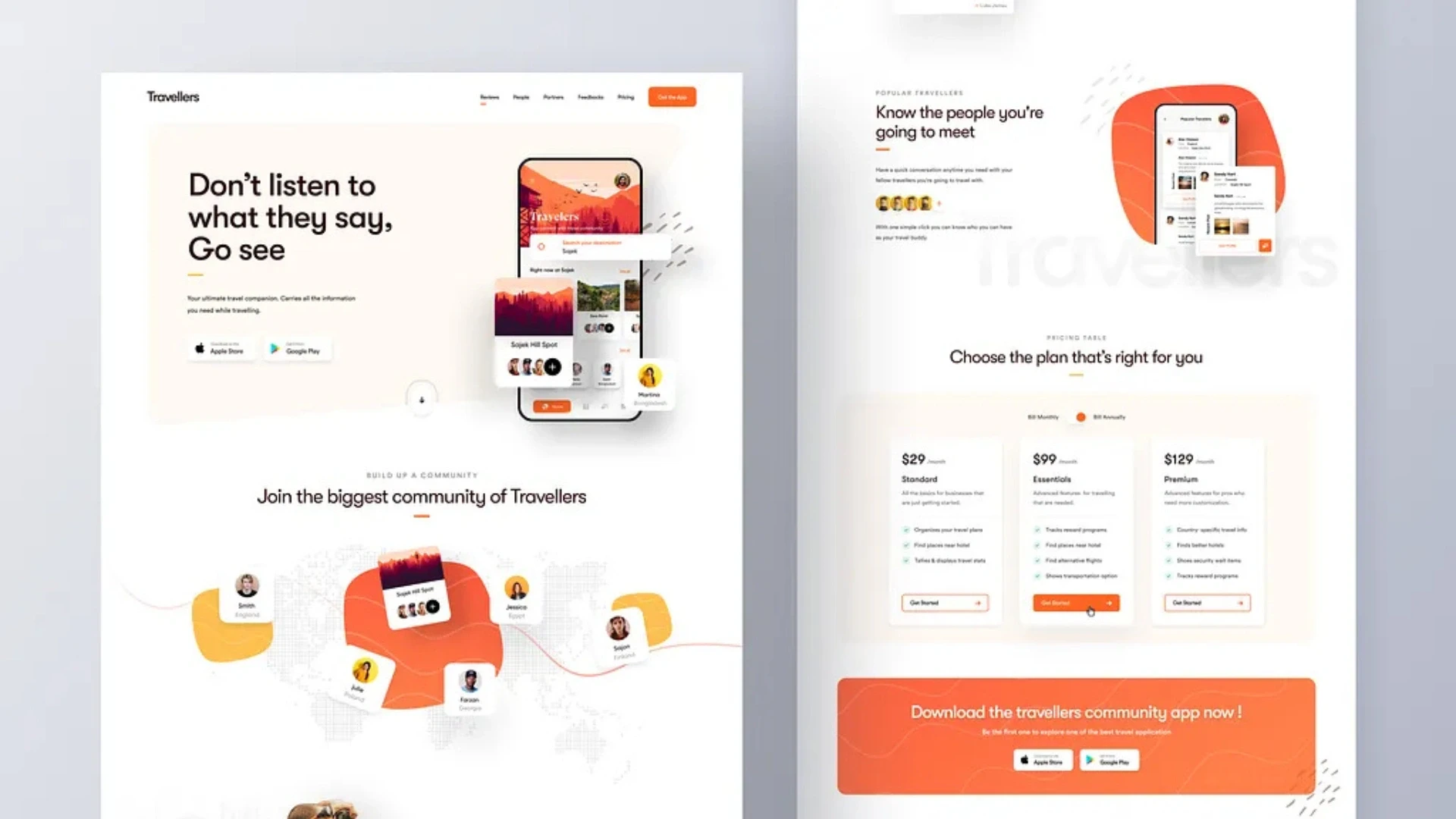
A consistent brand, the same logo, colours, tone, and imagery everywhere, builds the recognition that trust rests on. Inconsistency reads as amateurism, even when nothing is technically wrong.
Your website, social profiles and any listings should present the same identity, so a visitor who arrives from one recognises the other. The original's point about matching your site to your social presence still holds: the same name, logo and contact details everywhere remove the small doubts that erode trust.
Brand is not just a logo; it is the coherence of the whole impression, and coherence is what makes a small business look established and a real business look reliable.
Design for Readability and Access
Design so anyone can read and use the site easily, which means clarity and accessibility, not decorative flourish. The original framed this as theme and colour folklore; the real requirement is broader and now partly legal.
The original suggested picking colours by industry, orange for food and so on, which is folklore rather than design. What actually matters is readability: legible text at a comfortable size, strong contrast between text and background, a restrained palette of two or three colours, and a layout people can scan. This is also where accessibility lives, and it is no longer optional.
The Web Content Accessibility Guidelines define the standard, and in Europe the European Accessibility Act has made meeting standards like these a legal obligation for many businesses since June 2025. The reassuring part is that accessible design is simply clear design, so building it well serves every visitor at once.
Planning a website and want it built to engage from the start?
Tell me about your business and audience, and I will outline what your site needs to do, and what a version built to convert would involve.
Make It Fast and Responsive
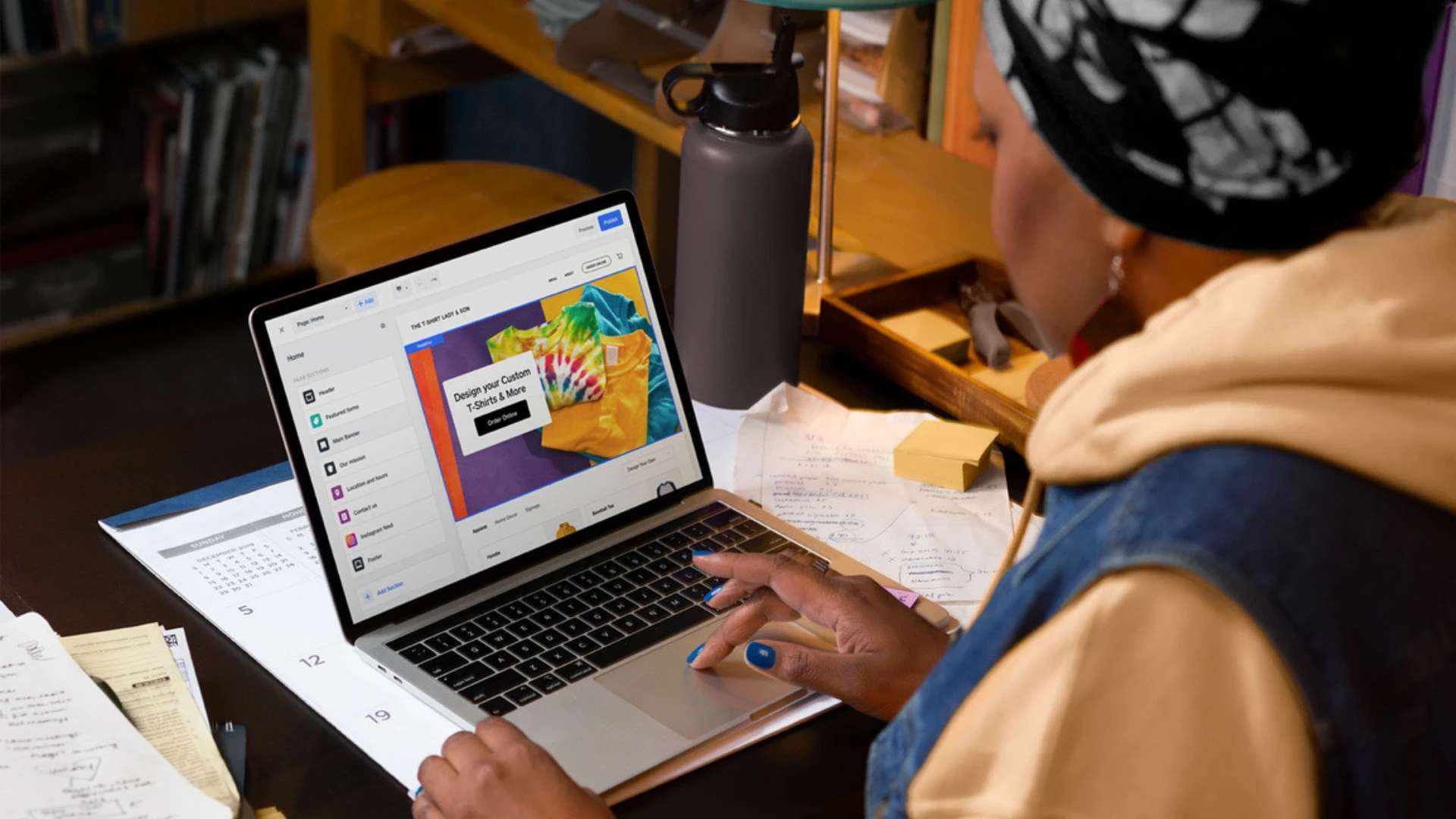
A website must load fast and work on every screen size, because a slow or broken mobile experience loses visitors before anything else can help. The original combined these; both now have objective standards.
Most traffic is mobile, so responsive design that adapts to any screen is a baseline, not a bonus. And speed is measurable: Google's Core Web Vitals score how fast a page loads, how quickly it responds, and how stable it is while rendering, and they affect both the visitor's patience and your search ranking.
A slow site is penalised twice, in bounces and in position. Compress images, remove unnecessary scripts, and measure against these standards rather than guessing, which is ongoing work for whoever you hire DevOps engineers to own performance.
Make It Genuinely Secure
A business website must be secure, and in 2026 that starts with HTTPS as a baseline, not an optional certificate. This is where the original repeated its previous tip; here is the security content it was missing.
Every site now needs HTTPS, the encrypted connection shown by the padlock, which browsers require, and visitors expect. Free, automatically renewing certificates make this trivial, so there is no excuse for a site still served insecurely, and the outdated trust badges the original mentioned matter far less than a properly secured connection.
Beyond HTTPS, keep the platform and its plugins updated, since most site compromises come through neglected out-of-date software, and back the site up regularly. Security is not a certificate you display; it is a standard you maintain, and it protects both your visitors and your reputation. Keeping it current is part of ongoing support and maintenance services.
Make Navigation Obvious
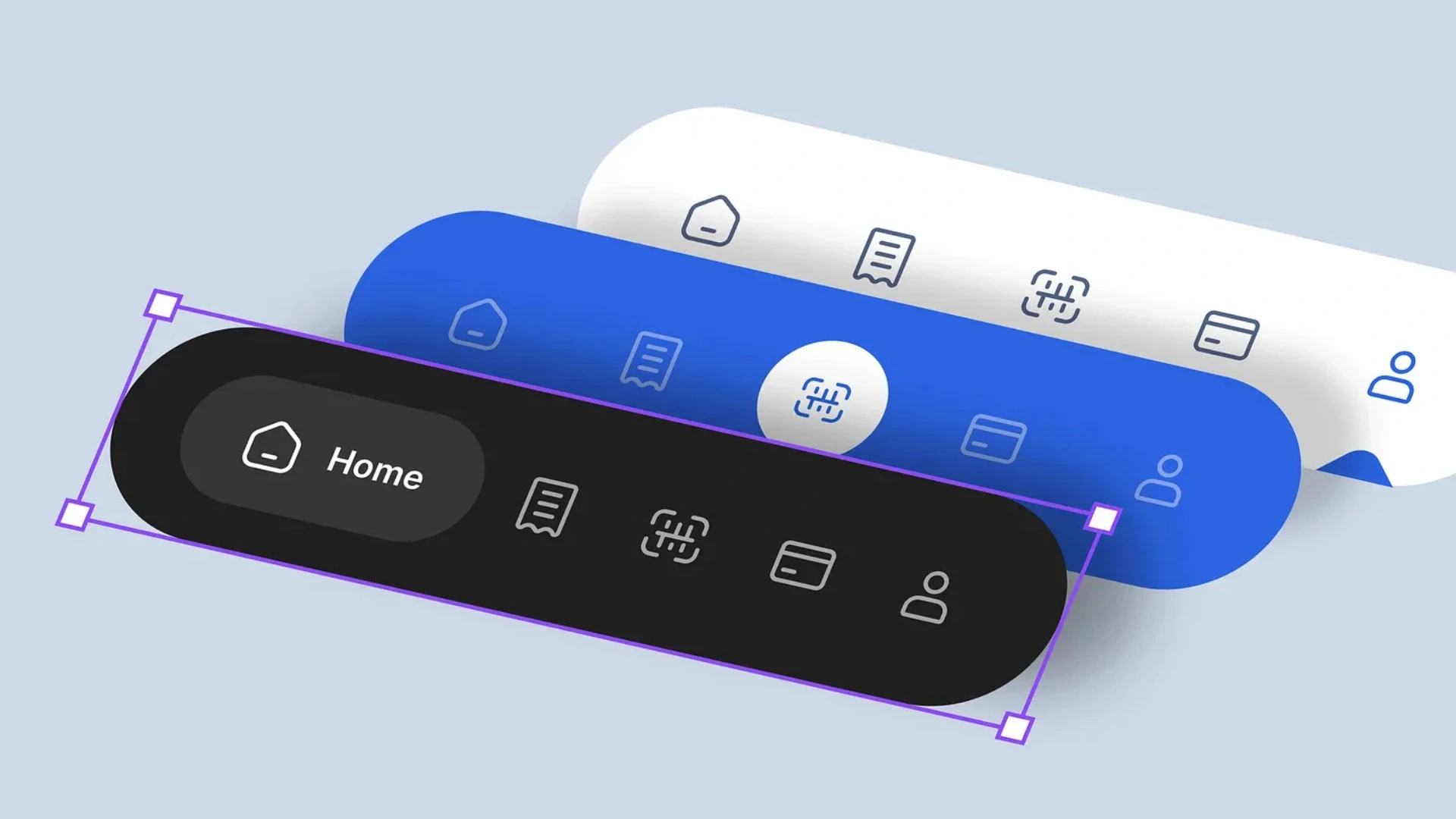
Put the links people need where they expect to find them, because a visitor who cannot find something simply leaves. The original made this point, and predictable placement is the fix.
Primary navigation belongs at the top; secondary but important links, contact, about, policies, sitemap, belong in the footer where convention has trained people to look. Nothing essential should be more than a click or two away.
Clever, unconventional navigation does not look sophisticated to a visitor in a hurry; it frustrates them. Predictability is a feature here, because the visitor should spend their attention on your offer, not on hunting for the basics. A clear, conventional structure engages precisely because it gets out of the way.
Publish Useful Content
Content that genuinely helps your audience is what earns ongoing engagement and search visibility alike. The original valued content; the 2026 refinement is that helpfulness now beats keyword-stuffing decisively.
A blog or resource section that answers real questions your customers have does two jobs: it demonstrates your expertise, and it brings people in through search. But the rules have tightened since 2019.
Search engines now reward content genuinely useful to a person over content written to rank, and Google's own SEO guidance makes clear that writing for people rather than algorithms is the durable strategy.
Publish because you have something worth saying to your audience, keep it accurate and current, and the visibility follows. Thin content written only for keywords now works against you rather than for you.
Write Clearly and Use Real Images
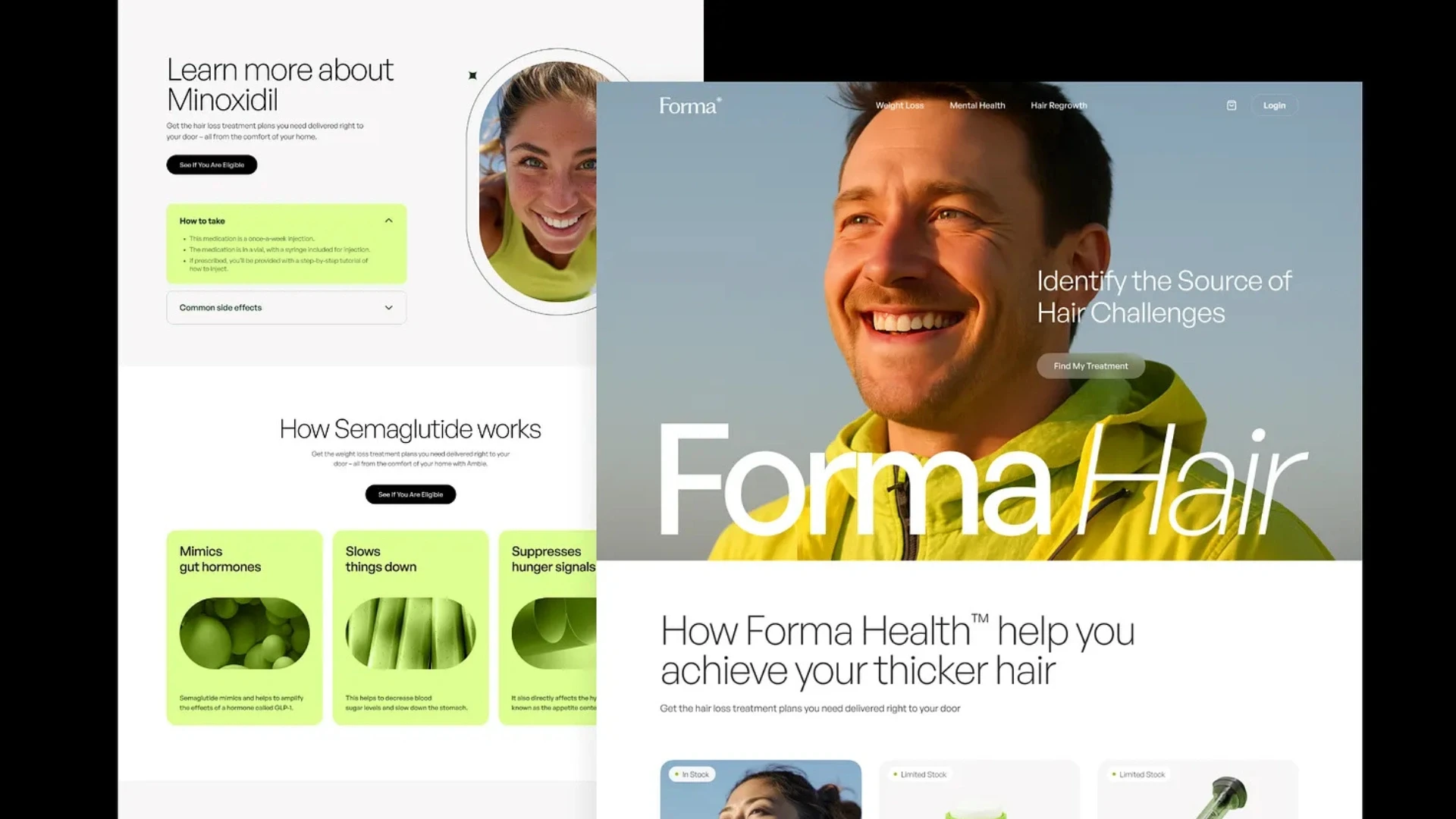
Clear writing and genuine images build trust; padding and stock clichés erode it. The original called this copywriting and images, and the point holds with a sharper edge.
Write plainly and say what you mean, because a visitor decides in seconds whether a site is worth their time, and clear words win that decision. Use real photographs of your work, your team and your product wherever you can, since authentic images build trust that generic stock photos quietly undermine.
The original's instinct to prefer original images over copyrighted ones was right, and the sharper version is to prefer real over generic: a genuine photo of your actual business persuades more than the most polished stock image, because it is true.
Test Before and After Launch

Test the site thoroughly before launch and keep measuring after it, because a website is never finished. The original ended here correctly; the update is that testing is continuous, not a one-time gate.
Before launch, check the site on real devices, run it through the speed and accessibility standards above, click every link, and have people who are not you try to complete its main goal. After launch, watch how real visitors behave and keep improving, because the first version is a hypothesis, not a conclusion.
The original's advice to gather feedback from others was right; the addition is to keep gathering it through analytics indefinitely. A site improved continuously beats one perfected once and left alone, and that ongoing refinement is where lasting engagement actually comes from.
Proof: Websites That Engage
An engaging website is proven by how it performs over time, not by how it looks on launch day, so the relevant proof is a record of building sites that work and get maintained. Ours is verifiable.
Acquaint Softtech, verifiable delivery record 1,300+ delivered projects across 13+ years. 95% on-time sprint delivery. 4.9 out of 5 across verified Clutch reviews. NDA before work begins and 100% client ownership of everything produced. For website work, the relevant point is that we build sites you own outright and can keep testing and improving, since engagement comes from continuous refinement, not a single launch. |
Ownership matters here because the tenth tip, keep improving, is only possible on a site you actually control. A site you own can be measured against real standards, corrected and refined indefinitely, which is where lasting engagement comes from, whereas a rented template build limits you to whatever the builder allows.
Because most weak business sites begin as do-it-yourself template builds, the durable route to an engaging one is usually a properly built site. Our case studies and client testimonials cover the builds behind that record, across the USA, UK and Europe.
Want a website that keeps visitors, not just attracts them?
Book a free 30-minute call, and I will review your plan or your current site against these ten tips and show you what would move the numbers.
What a Business Website Costs
A website's cost scales with its ambition and the engagement it is built to drive, plus the yearly upkeep every site needs. These are prevailing ranges rather than fixed quotes.
Type of site | What it suits | Cost (USD) |
Simple brochure site | Small business presence | 3,000 to 12,000 |
Content and lead-gen site | Blog, SEO, conversion focus | 8,000 to 30,000 |
Custom business website | Bespoke design and features | 20,000 to 80,000 |
E-commerce store | Selling online | 20,000 to 120,000 |
Yearly maintenance | Security, speed, content upkeep | 15 to 20% of build, per year |
Match the spend to the goal. A small business that needs presence is well served by a simpler build; a business that depends on the site to generate leads or sales should invest in the engagement features, speed, content, and conversion paths that pay it back.
The maintenance line matters as much as the build, because a neglected site loses speed, security, and search position within a year or two. For a store specifically, our e-commerce development work covers the extra considerations, and our guide to web application development cost sets out the wider budget.
Where the work is done | Senior rate | Relative cost |
New York, USA | USD 110 to 200 / hour | Highest |
United States (national) | USD 90 to 170 / hour | Very high |
Australia | AUD 110 to 200 / hour | High |
United Kingdom | GBP 65 to 130 / hour | High |
Europe (EU) | EUR 70 to 140 / hour | High |
India (Acquaint Softtech) | USD 25 to 49 / hour | Up to 40% lower |
Because a website is a well-defined, testable deliverable, with speed and accessibility scores you can check, it suits offshore delivery well and costs a fraction of the onshore equivalent. Where you want a site built and refined without hiring in-house, adding capacity through IT staff augmentation or starting with a lean MVP development approach and growing it is usually the most efficient route.
Build a website that works as hard as you do
Book a free 30-minute call, and I will scope your site with a fixed cost and timeline in your own currency.
Frequently Asked Questions
-
What makes a website engaging?
Not looks, but usefulness: fast load, clear purpose, readable, accessible design, obvious navigation, and helpful content. A site engages when it is easy and useful, which you measure in behaviour, not compliments.
-
What is the first step in building a business website?
Know exactly who it is for and what one thing you want them to do. Every later decision depends on the audience and the goal, and getting these wrong makes the rest of the work pointless.
-
Does website speed affect engagement?
Yes, heavily. Every extra second of load time loses visitors, most on mobile, and slow sites also rank lower. Speed is measured by Core Web Vitals and is one of the biggest engagement factors.
-
Is website accessibility required by law?
In many markets, yes. The European Accessibility Act made meeting accessibility standards a legal obligation for many businesses from June 2025, and accessible design also widens your audience.
-
How many colours should a business website use?
A small palette of two or three, used consistently, with your most distinct colour reserved for key actions. Colours must also meet accessibility contrast requirements to be readable.
-
Does HTTPS matter for a business website?
Yes, it is essential. Browsers require it, visitors expect the padlock, and free auto-renewing certificates make it trivial. A site without HTTPS looks untrustworthy and ranks worse.
-
How much content should a website have before launch?
Enough to be genuinely useful to your audience and accurate. Quality and helpfulness now beat quantity and keyword-stuffing, which search engines actively discount.
-
Should I use a template or a custom-built website?
A template for a simple presence on a tight budget. Custom when the site must drive real leads or sales, and you need control over speed, accessibility, and conversion, which templates limit.
-
How much does a business website cost?
A simple site runs about USD 3,000 to 12,000, a custom business site USD 20,000 to 80,000, and a store more. Budget another 15 to 20 percent of the build per year for maintenance.
-
How do I keep my website engaging after launch?
Treat it as never finished. Watch how real visitors behave, keep content current, maintain speed and security, and improve continuously. A site refined over time beats one perfected once.
I love to make a difference. Thus, I started Acquaint Softtech with the vision of making developers easily accessible and affordable to all. Me and my beloved team have been fulfilling this vision for over 15 years now and will continue to get even bigger and better.
Table of Contents
Get Started with Acquaint Softtech
- 13+ Years Delivering Software Excellence
- 1300+ Projects Delivered With Precision
- Official Laravel & Laravel News Partner
- Official Statamic Partner
Related Blog
Mobile Commerce Development: Native Apps, React Native, and PWAs for E-Commerce
Mobile commerce development is the practice of building shopping experiences for mobile devices through native apps, cross-platform React Native apps, or Progressive Web Apps. Native apps offer the highest performance and retention, React Native delivers both platforms from one codebase at 40 to 60 percent lower cost, and PWAs give app-like speed in the browser with zero install friction.

Manish Patel
June 26, 2026
Rome Was Not Built in a Day: The Journey to Developing a Unicorn SaaS
Building a unicorn SaaS company is a marathon, not a sprint. Just like Rome, great products aren’t built overnight. From refining your MVP to scaling for growth.
Mukesh Ram
September 26, 2024
10 Must Follow Steps of Mobile App Development Process
The mobile app development process is a structured set of 10 steps that moves an idea from concept to a published app: ideation, target audience and monetization, choosing the platform, UI/UX design, picking tools, choosing the right partner, fast development, testing and deployment, marketing, and post-launch maintenance. Following the steps in order, rather than rushing to publish, is what separates apps that get downloads from the ones that get ignored.
Mukesh Ram
July 29, 2019India (Head Office)
203/204, Shapath-II, Near Silver Leaf Hotel, Opp. Rajpath Club, SG Highway, Ahmedabad-380054, Gujarat
USA
7838 Camino Cielo St, Highland, CA 92346
UK
The Powerhouse, 21 Woodthorpe Road, Ashford, England, TW15 2RP
New Zealand
42 Exler Place, Avondale, Auckland 0600, New Zealand
Canada
141 Skyview Bay NE , Calgary, Alberta, T3N 2K6