

React Native for Cross-Platform Apps in 2026: Real Benefits and Trade-offs
React Native lets you build Android and iOS apps from one JavaScript and TypeScript codebase, typically sharing most of the code across both platforms. Its real benefits are reuse, fast development with instant preview, and a huge ecosystem of libraries. Since 2019, it has matured completely: the old bridge was replaced by the New Architecture, which fixed the performance and animation weaknesses it was once criticised for. It is now a mainstream choice used by Shopify, Discord and Microsoft, not the risky newcomer early articles described.

Mukesh Ram
As the Founder and CEO at Acquaint Softtech, I find this article worth revisiting mainly because of how wrong its ending turned out to be. Written in 2019, it called React Native an immature newcomer struggling with animations and warned that its future looked hard. The opposite happened. React Native grew into one of the two dominant ways to build a mobile app; the weaknesses that article listed were engineered away, and today it quietly runs apps from Shopify, Discord, and Microsoft.
The three benefits it identified were real and still are, so this rewrite keeps them. What it corrects is everything the original got wrong about the framework's maturity, because advising anyone off a 2019 view of React Native would send them badly astray in mobile app development today.

- You are choosing a stack for a new mobile app and weighing cross-platform.
- You read that React Native is slow or immature and want the current picture.
- You want one codebase for Android and iOS without two separate teams.
- You are comparing React Native with native or with Flutter.
- You want the honest trade-offs, not just the benefits.
The single biggest thing that changed is invisible to users but decisive for the framework: the old architecture that caused React Native's performance problems has been replaced entirely.
This article keeps the three genuine benefits, updates every fact around them, explains that architectural shift in plain terms, and replaces the original's out-of-date list of weaknesses with the honest trade-offs that actually apply in 2026.
What React Native Actually Is
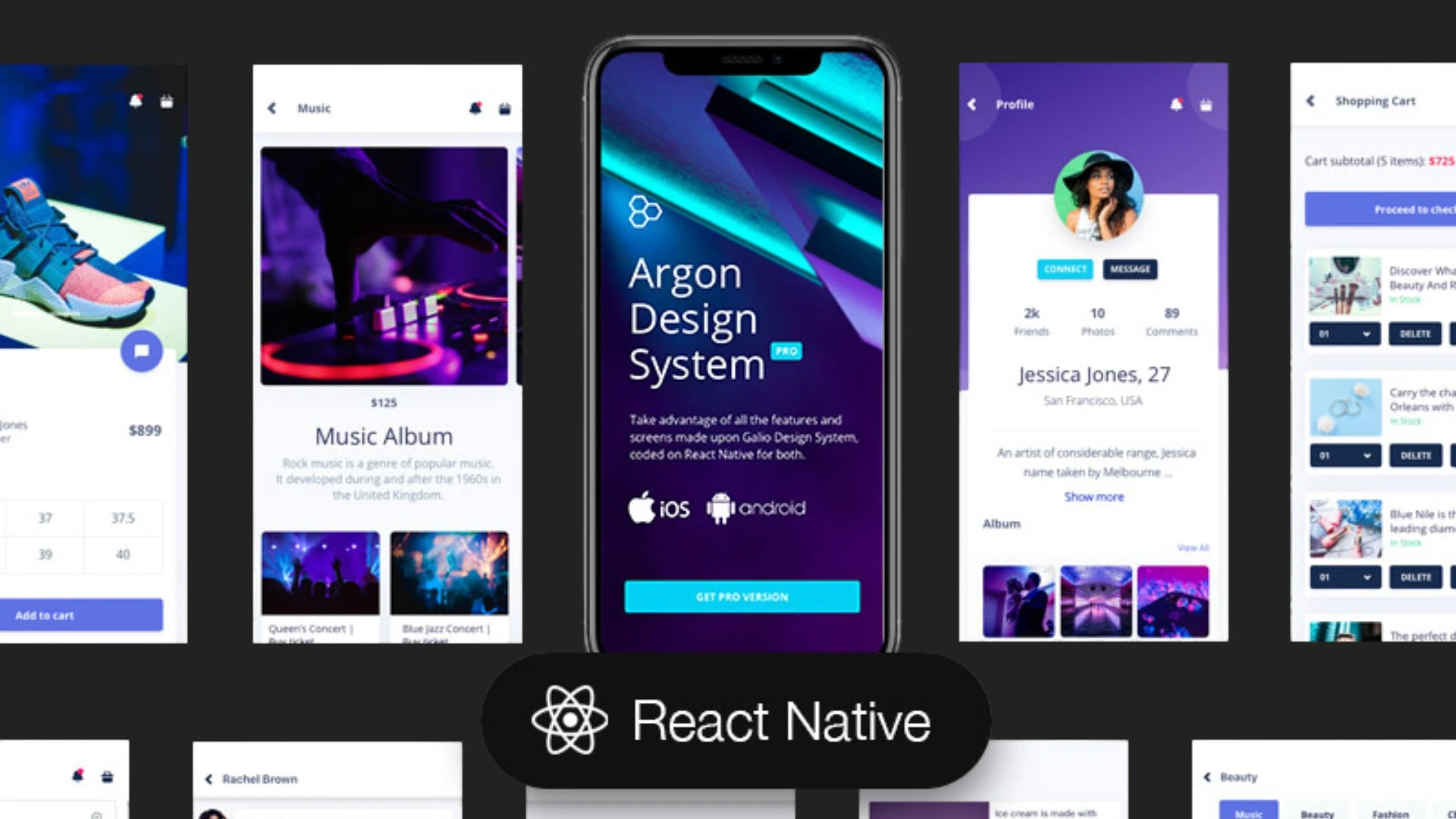
React Native is a framework for building genuinely native mobile apps for Android and iOS from a single JavaScript and TypeScript codebase. It renders real native interface components, not a web page in a shell, which is what makes the result feel like a proper app rather than a website.
Meta created it to solve its own mobile problem, then released it as open source, and it has been community-driven for years since. The one correction worth making up front is that the original called it a framework for web applications, which is wrong: React Native is for native mobile apps.
That confusion with its web sibling is common enough that it deserves its own section, which follows. The framework itself is documented at the official React Native site, the authoritative reference for how it works today.
React Native vs ReactJS, Cleared Up
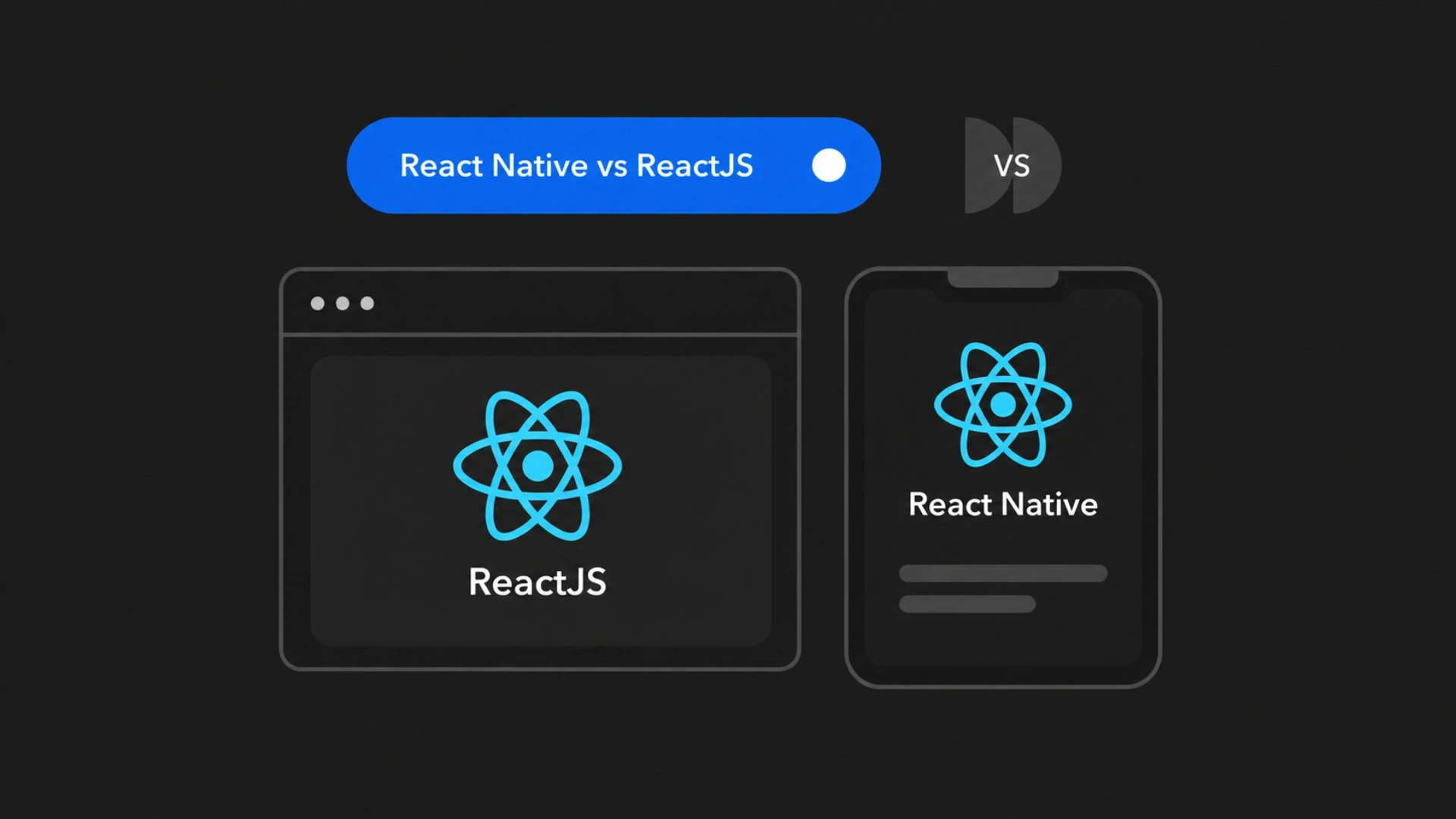
ReactJS builds websites; React Native builds mobile apps; they share a way of thinking but produce different things. The similar names cause endless confusion, and the original's explanation of the difference was itself muddled.
ReactJS is a JavaScript library for building user interfaces in the browser, rendering to HTML and CSS. React Native uses the same component-based approach and much of the same mental model, but instead of rendering to a web page, it renders to the actual native interface elements of Android and iOS. So a developer who knows React can become productive in React Native quickly, since the concepts carry over, but the two target completely different platforms. One makes web pages; the other makes apps.
That shared foundation is a genuine advantage, because a team that already builds with React, such as the engineers you might hire MERN stack developers for web work, can extend into mobile without learning an unrelated language.
Benefit 1: One Codebase for Both Platforms
The core benefit is writing one codebase that runs on both Android and iOS, typically sharing the large majority of the code. This was the original's strongest point, and it has only become more true.
Instead of building and maintaining two separate native apps with two separate teams and two separate bug lists, you build once and deploy to both. The savings are not only the initial build but everything after it: one fix, one feature, one update reaches both platforms at once.
Some platform-specific code is still needed for the places where Android and iOS genuinely differ, so the reuse is high rather than total, but the practical effect is a smaller team shipping to two platforms at close to the pace of one. For most products, that economics is decisive, and it is the main reason businesses hire React Native developers rather than staffing two native teams.
Benefit 2: Fast Development With Instant Preview
React Native shortens the write-and-see loop so developers see changes almost instantly, which compounds into a much faster build. The original called this hot reload; the feature has since been replaced by a better one.
What the 2019 article called hot reload is now Fast Refresh, which reloads your changed code while preserving the app's current state, so you see an edit reflected in a second or two without losing your place.
On top of that, the ecosystem around Expo has made starting and shipping a React Native app dramatically simpler than it was, handling builds, updates, and much of the native configuration that used to slow teams down, as the Expo documentation sets out.
Over-the-air updates even let you push many fixes to users without waiting for an app-store review, which is a genuine advantage for iterating quickly. The point the original made, that faster feedback means faster development, is right; the tooling that delivers it is simply far better now.
Weighing React Native for your next app?
Tell me what you are building, and I will tell you honestly whether React Native, native, or another route fits, and what each would cost you.
Benefit 3: A Native Feel and a Huge Ecosystem
React Native produces apps that look and feel native, and it draws on one of the largest library ecosystems in software. The original's third point was about third-party plugins; the accurate 2026 version is about a mature, enormous ecosystem.
Because React Native renders real native components, an app built with it behaves like a native app rather than a web page pretending to be one. Around that sits the vast JavaScript ecosystem plus a deep set of React Native specific libraries for navigation, animation, storage, camera access, and almost anything else, so most of what an app needs already exists and is battle-tested.
The original framed third-party plugins as a slight security worry; the honest position is that a huge, active ecosystem is a major strength, provided you choose well-maintained libraries and audit what you add, which is ordinary engineering discipline rather than a flaw in the framework.
What the New Architecture Changed
The old system that caused React Native's performance problems has been replaced entirely by the New Architecture, which is the most important change since the framework began. This is what makes the original's complaints about speed and animation obsolete.
Older React Native sent every message between JavaScript and the native side across a slow bridge that serialised data and added delay, which is precisely why the 2019 article found it stuttered on complex animations. The New Architecture removes that bridge. A direct interface between JavaScript and native code, a rebuilt renderer, and lazily loaded native modules together let JavaScript call native code directly and render smoothly, and modern animation libraries now run at high frame rates on the interface thread.
New apps get these gains automatically. In short, the specific weaknesses the original warned about were the exact problems this rewrite of the framework set out to solve, and did.
The Honest Trade-offs in 2026

React Native is excellent for most apps but not for every one, and an honest account names where native still wins. The original's list of demerits is out of date; these are the real trade-offs now.
Consideration | React Native | When native is better |
Most business and content apps | Ideal | Rarely needed |
Heavy graphics or games | Workable | Native or a game engine wins |
Deep, unusual hardware use | Possible via modules | Native is simpler |
Peak performance at the edge | Very good now | Native for the last few percent |
Team already all-JavaScript | Ideal | No reason to go native |
The security worry the original raised does not belong on this list; React Native apps are as secure as the care taken building them, exactly like any other framework. The genuine trade-offs are narrower and clearer: for the most demanding graphics, for a few niche hardware integrations, and for squeezing the final few percent of performance in an extreme case, native still has an edge.
For the large majority of apps, none of those apply, and React Native's one-codebase economics wins comfortably. Deciding which case you are in is worth doing deliberately, and it is one of the first things we settle in a discovery workshop.
Proof: Cross-Platform Apps Delivered

The value of a cross-platform framework shows up in delivery, so the relevant proof is a record of shipping and maintaining apps on it. Ours is verifiable.
Acquaint Softtech, verifiable delivery record 1,300+ delivered projects across 13+ years. 95% on-time sprint delivery. Average engineer tenure beyond 24 months. 4.9 out of 5 across verified Clutch reviews. NDA before work begins and 100% client ownership of everything produced. For cross-platform work, the relevant point is that one codebase delivered on time to both platforms is the whole promise of React Native, and the on-time figure is what shows it is kept. |
The connection is direct. React Native's economics only pay off if the shared codebase actually ships to both platforms on schedule, which depends on an experienced team that has done it before rather than one learning on your project.
Long engineer tenure is what makes that experience real, and 95% on-time delivery is what it produces. Because clients own everything we build, a React Native app we deliver is yours to extend or move, not locked to us.
Our mobile app case studies and client testimonials cover the cross-platform builds behind that record, and our overview of leading React Native companies sets the wider context.
Want one codebase shipped to both platforms, on time?
Book a free 30-minute call, and I will introduce the React Native engineers who would build your app and show you how they keep it fast and maintainable.
What a React Native App Costs

React Native's main saving is building for two platforms at close to the cost of one, and the true figure is the build plus yearly upkeep. These are prevailing ranges rather than fixed quotes.
Route | What it suits | Cost (USD) |
React Native MVP | Testing an idea on both platforms | 15,000 to 40,000 |
Standard React Native app | Most business and content apps | 40,000 to 120,000 |
Two native apps instead | Extreme performance or hardware | Roughly 1.5 to 2x the above |
React Native plus native modules | Mostly shared, some native | Between the two |
Yearly maintenance | Keeping either alive | 15 to 20% of build, per year |
The comparison that matters is the third row. Building two separate native apps typically costs far more than one React Native app for the same product, because you are staffing and maintaining two codebases instead of one. That difference is the whole financial case for cross-platform, and it holds unless your app is one of the few that genuinely needs native.
Where you want to prove demand before a full build, a React Native MVP reaches both platforms cheaply, and an experienced MVP development company can help you launch faster. Our guide to building a mobile app for SaaS covers the wider product picture.
Where the work is done | Senior rate | Relative cost |
New York, USA | USD 110 to 200 / hour | Highest |
United States (national) | USD 90 to 170 / hour | Very high |
Australia | AUD 110 to 200 / hour | High |
United Kingdom | GBP 65 to 130 / hour | High |
Europe (EU) | EUR 70 to 140 / hour | High |
India (Acquaint Softtech) | USD 25 to 49 / hour | Up to 40% lower |
React Native already halves much of the platform cost by sharing a codebase; offshore delivery reduces the remaining rate, so the two savings compound. Where you need to add React Native skill to an existing team quickly, IT staff augmentation or a dedicated development team is usually the fastest route to a shipped app.
Build for Android and iOS from one codebase
Book a free 30-minute call, and I will scope your cross-platform app with a fixed cost and timeline in your own currency.
Frequently Asked Questions
-
What is React Native used for?
Building native mobile apps for Android and iOS from one JavaScript and TypeScript codebase. It renders real native interface components, so the result feels like a proper app, not a web page.
-
What is the difference between React Native and ReactJS?
ReactJS builds websites, rendering to HTML in the browser. React Native builds mobile apps, rendering to native Android and iOS components. They share a mental model but target different platforms.
-
Is React Native still a good choice in 2026?
Yes. It is one of the two dominant cross-platform frameworks, used by Shopify, Discord, and Microsoft, and its old performance problems were fixed by the New Architecture. The 2019 'immature' view is outdated.
-
How much code can you reuse with React Native?
Usually, the large majority is across Android and iOS, with some platform-specific code where the two genuinely differ. The practical effect is a smaller team shipping to both platforms at near the pace of one.
-
What is the React Native New Architecture?
A rebuild of the framework's internals, using a direct JavaScript-to-native interface, a new renderer, and lazily loaded modules. It removed the old bridge and fixed the performance and animation weaknesses.
-
Is React Native slow?
No, not anymore. The old bridge that caused delays is gone, replaced by the New Architecture, and modern animation libraries run at high frame rates. The speed criticism belongs to its early years.
-
What replaced hot reload in React Native?
Fast Refresh, which reloads changed code while keeping the app's current state, so you see edits in a second or two without losing your place. It is faster and more reliable than the old hot reload.
-
When should I use native instead of React Native?
For the most demanding graphics or games, a few niche hardware integrations, or squeezing the last few percent of performance in extreme cases. For most apps, React Native's economics win.
-
Is React Native cheaper than building two native apps?
Usually, yes, often substantially, because you build and maintain one codebase instead of two. That saving is the main financial reason to choose cross-platform development.
-
What companies use React Native?
Shopify, Discord, Microsoft, and Pinterest, among many others. Its adoption by large, performance-sensitive companies is the clearest sign it is mature, not experimental.
I love to make a difference. Thus, I started Acquaint Softtech with the vision of making developers easily accessible and affordable to all. Me and my beloved team have been fulfilling this vision for over 15 years now and will continue to get even bigger and better.
Table of Contents
Get Started with Acquaint Softtech
- 13+ Years Delivering Software Excellence
- 1300+ Projects Delivered With Precision
- Official Laravel & Laravel News Partner
- Official Statamic Partner
Related Blog

Mobile Commerce Development: Native Apps, React Native, and PWAs for E-Commerce
Mobile commerce development is the practice of building shopping experiences for mobile devices through native apps, cross-platform React Native apps, or Progressive Web Apps. Native apps offer the highest performance and retention, React Native delivers both platforms from one codebase at 40 to 60 percent lower cost, and PWAs give app-like speed in the browser with zero install friction.

Manish Patel
June 26, 2026
10 Must Follow Steps of Mobile App Development Process
The mobile app development process is a structured set of 10 steps that moves an idea from concept to a published app: ideation, target audience and monetization, choosing the platform, UI/UX design, picking tools, choosing the right partner, fast development, testing and deployment, marketing, and post-launch maintenance. Following the steps in order, rather than rushing to publish, is what separates apps that get downloads from the ones that get ignored.
Mukesh Ram
July 29, 2019
Rome Was Not Built in a Day: The Journey to Developing a Unicorn SaaS
Building a unicorn SaaS company is a marathon, not a sprint. Just like Rome, great products aren’t built overnight. From refining your MVP to scaling for growth.
Mukesh Ram
September 26, 2024India (Head Office)
203/204, Shapath-II, Near Silver Leaf Hotel, Opp. Rajpath Club, SG Highway, Ahmedabad-380054, Gujarat
USA
7838 Camino Cielo St, Highland, CA 92346
UK
The Powerhouse, 21 Woodthorpe Road, Ashford, England, TW15 2RP
New Zealand
42 Exler Place, Avondale, Auckland 0600, New Zealand
Canada
141 Skyview Bay NE , Calgary, Alberta, T3N 2K6