

I am Kalpesh Rajora, a Project Manager at Acquaint Softtech with 8+ years of experience leading Laravel and full-stack delivery teams. I specialise in sprint planning, client communication, and shipping complex software projects on time across distributed teams. I write about the delivery side of software: how projects are scoped, where timelines slip, and what keeps remote teams aligned.
Build in-house if AIOps will be a permanent, differentiating capability and you already employ senior DevOps engineers with spare capacity. Staff-augment if you need the capability working within a quarter, cannot justify two permanent AIOps hires, or want your existing team trained by people who have shipped self-healing pipelines before. Most mid-sized teams land on a hybrid: augment to build it, retain in-house to run it.
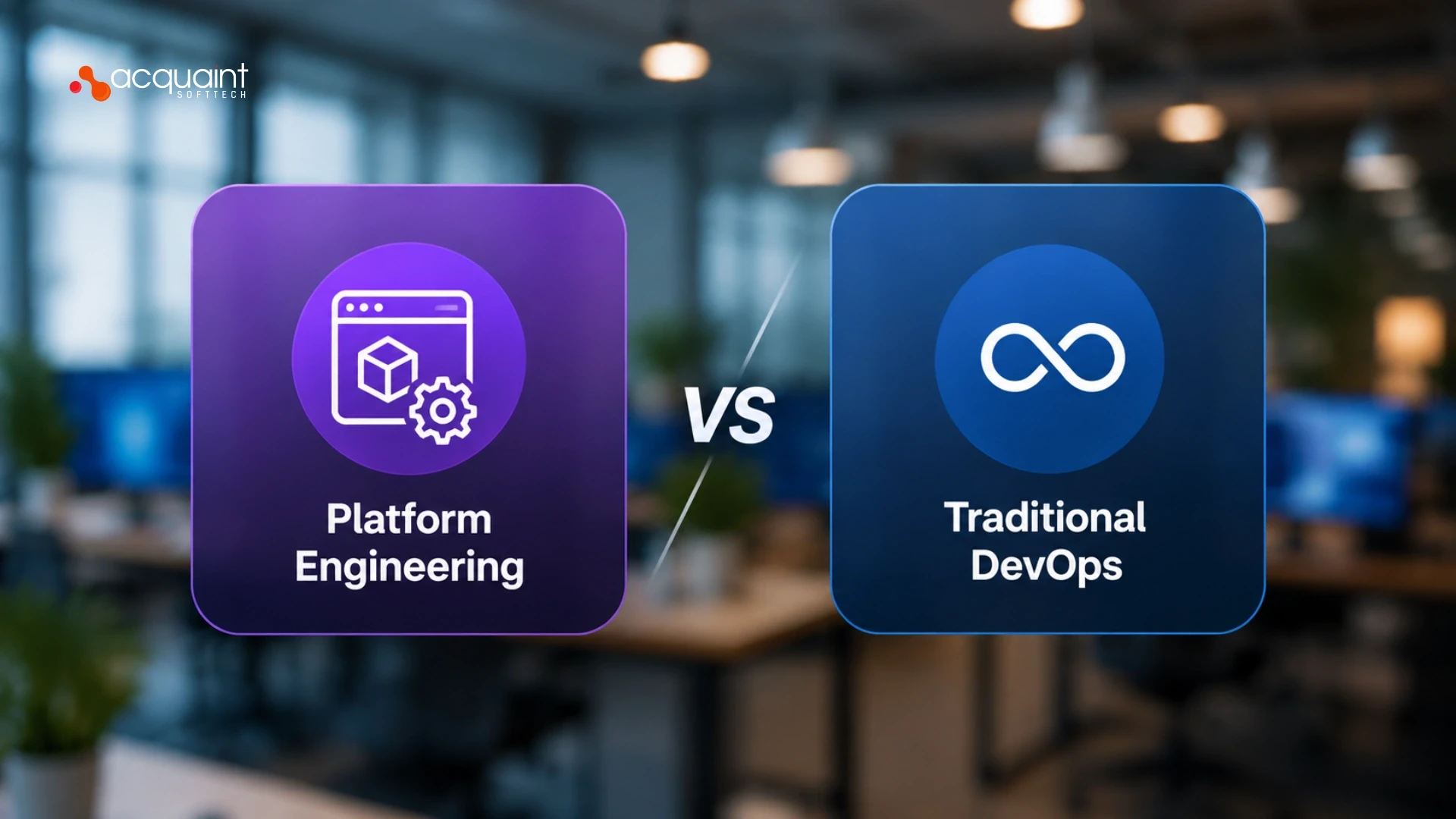
Gartner predicts that 80% of large engineering organizations will adopt platform engineering by 2026. This guide explains how Laravel teams can apply platform engineering using Forge, Envoyer, and Vapor instead of Kubernetes.
Laravel 12 and 13 include built-in AI features like vector embeddings and Boost v2.0. These updates make AI-powered Laravel development faster and more scalable. Businesses now need Laravel developers with practical AI skills.
A Laravel and DevOps pod is a small cross-functional unit bought as one thing: usually two Laravel engineers, a part-share of a DevOps engineer, a part-share of QA, and delivery oversight. It replaces the old model of hiring one developer by job title, because modern Laravel work needs several skills at once and rarely needs a full-time person for each of them.
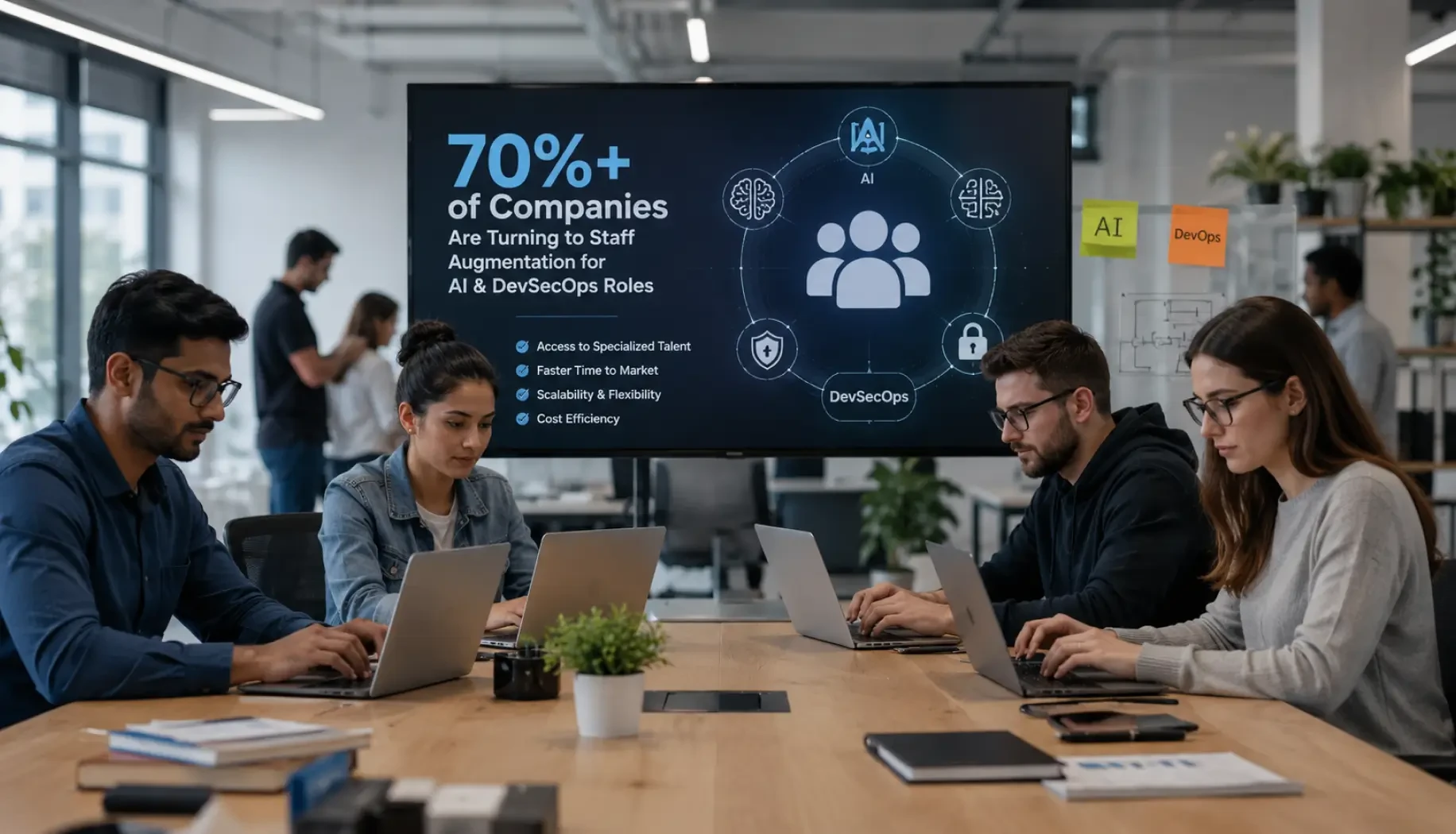
AI and DevSecOps are the two hardest roles in tech to hire right now. Demand is growing far faster than supply, the required skills keep changing, and a senior AI hire takes about three months to close. Staff augmentation places a vetted specialist in days instead, without committing to permanent headcount before the work has proven its value.
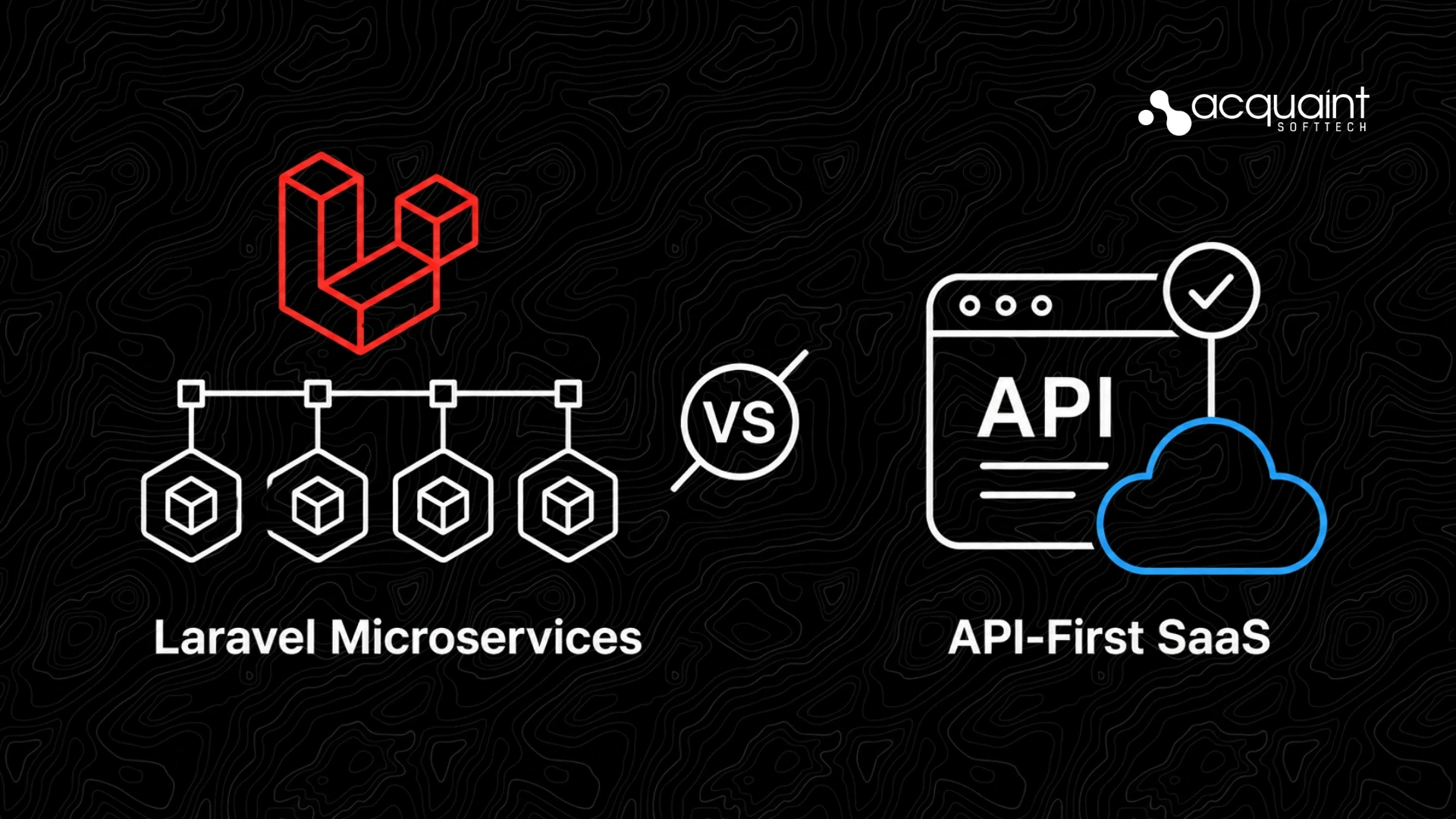
Scalable SaaS companies are moving to modular, API-first Laravel because it improves team velocity, enables independent scaling, isolates failures, and supports partner and mobile integrations. Most start with a modular monolith and use the strangler pattern to reach microservices only where the business benefits justify it.
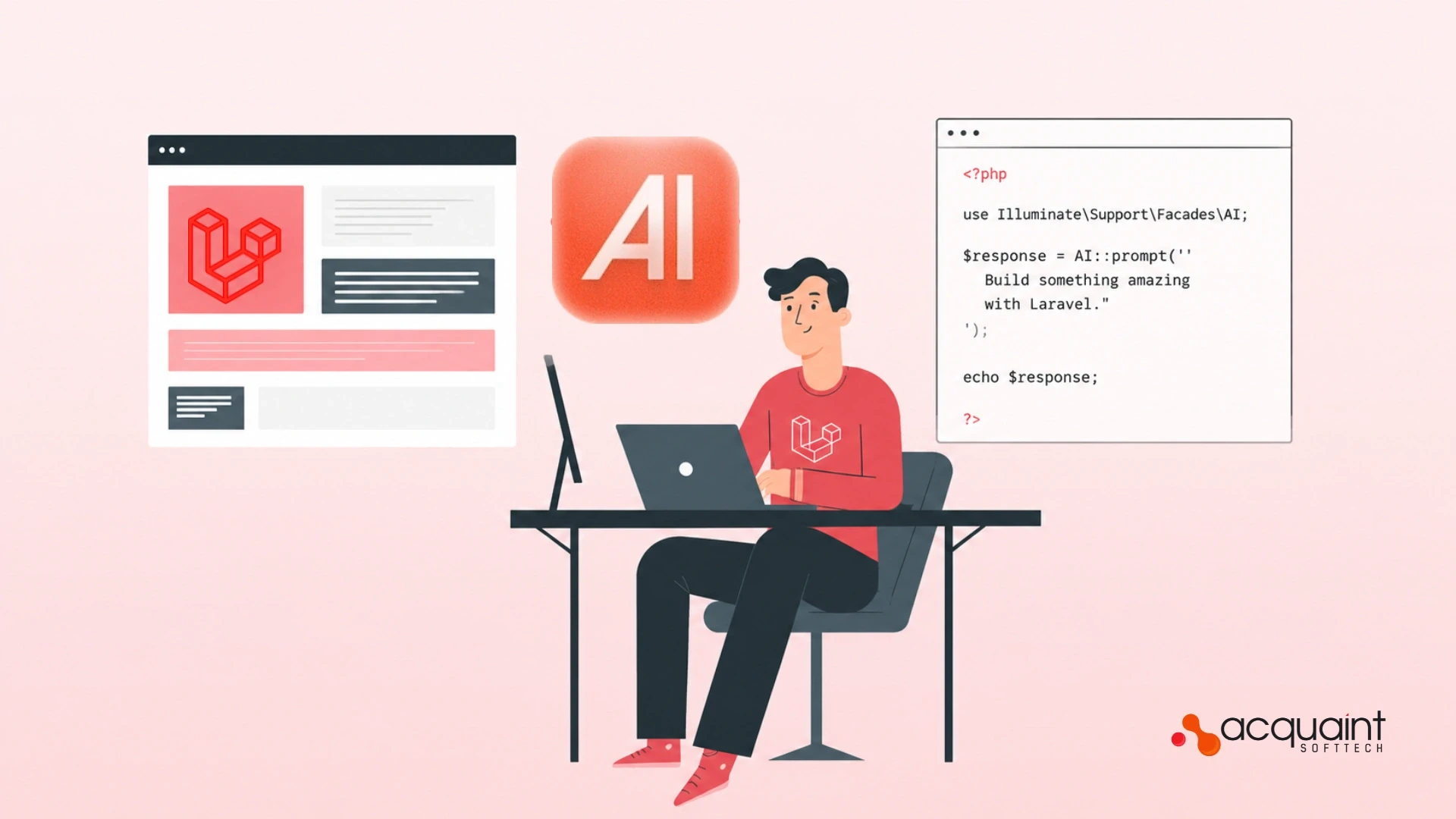
Laravel became AI-native in 2025 to 2026 with three first-party packages: the AI SDK, Boost, and MCP. Here is how a Laravel-native team adds secure, multi-tenant AI features in days, not months, with a Clutch-verified case study.
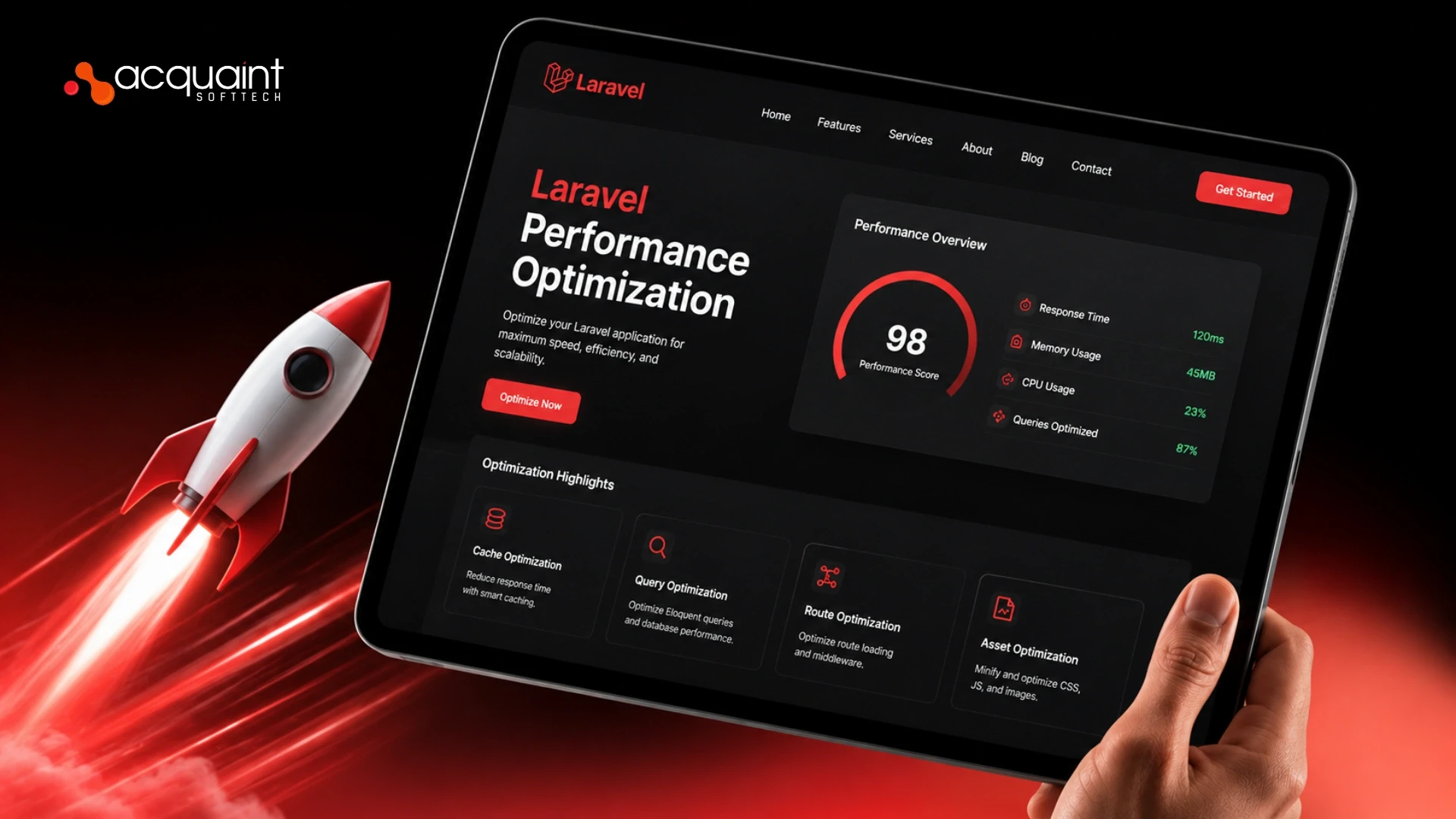
Laravel performance optimization is the work of finding and removing the bottlenecks that make an app slow under traffic, then architecting it to scale. The biggest single win is almost always eliminating N+1 queries and adding indexes, which cuts response times by 80 to 95%. Measure first, fix the biggest bottleneck first, and never rewrite when a targeted fix will do.
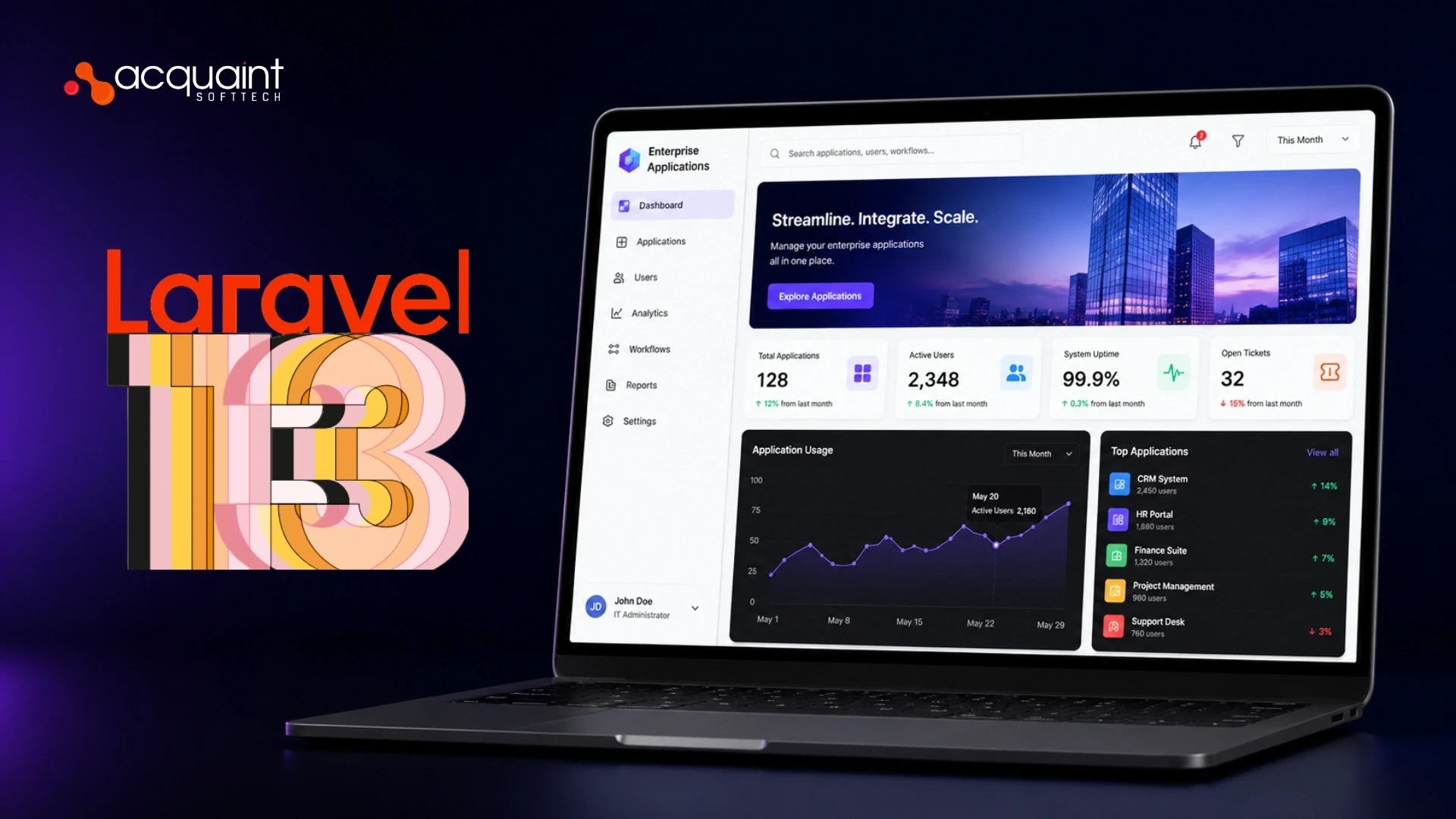
Laravel 13 (Released March 17, 2026) redefines modern PHP by making AI, modern syntax, standardized APIs, and passwordless security first-party, while keeping upgrades painless: No upgrade-breaking changes and about a ten-minute move from Laravel 12. That combination removes the last reasons enterprises hesitated to standardize on PHP.
Laravel deployment improves scalability and team productivity through automated, zero-downtime pipelines on managed infrastructure like Laravel Cloud, cutting release time from 45 minutes to under 5 and freeing up 20–35 engineer hours monthly.


.webp "How Laravel Deployment Turns Slow, Risky Releases Into 5-Minute Deploys")