A freelance marketplace like Upwork or Fiverr is a two-sided platform that connects clients who need work done with freelancers who provide services. It works by letting clients post jobs or browse gigs, matching them with freelancers, holding payment in escrow against milestones, and releasing funds when work is approved, taking a commission on each transaction.

Auto insurance platform development is the building of software that prices and manages car insurance based on how a vehicle is actually driven, not just demographics. It captures driving data through a smartphone app, an OBD-II device, or a connected car, scores behaviour, and turns that score into a usage-based premium. The usage-based insurance market is projected to grow from roughly $77 billion in 2026 at a 24 per cent CAGR, with safe drivers saving 30 to 40 per cent on premiums.
GDPR compliance requires specific cloud infrastructure controls, not just cookie banners and privacy policies. Here is what a DevOps engineer sets up for UK and EU SaaS companies in 2026.

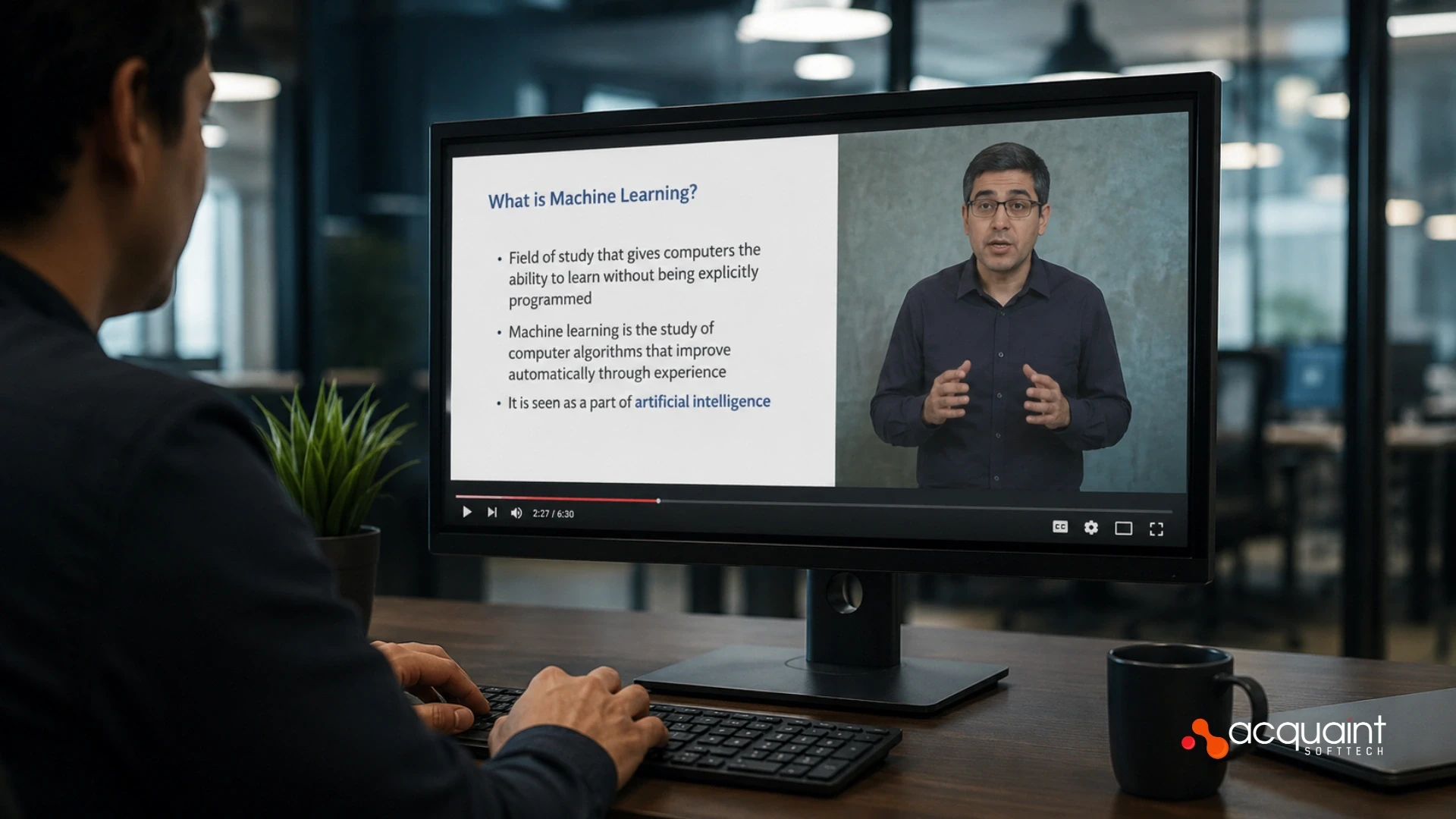
A corporate learning platform is software that manages how a company trains its workforce, covering onboarding, compliance, upskilling, and performance tracking in one system. It goes beyond a traditional LMS by tying every course to a business outcome: faster ramp-up, audit-ready compliance, closed skill gaps, and measurable performance, all connected to the HR systems a company already runs.
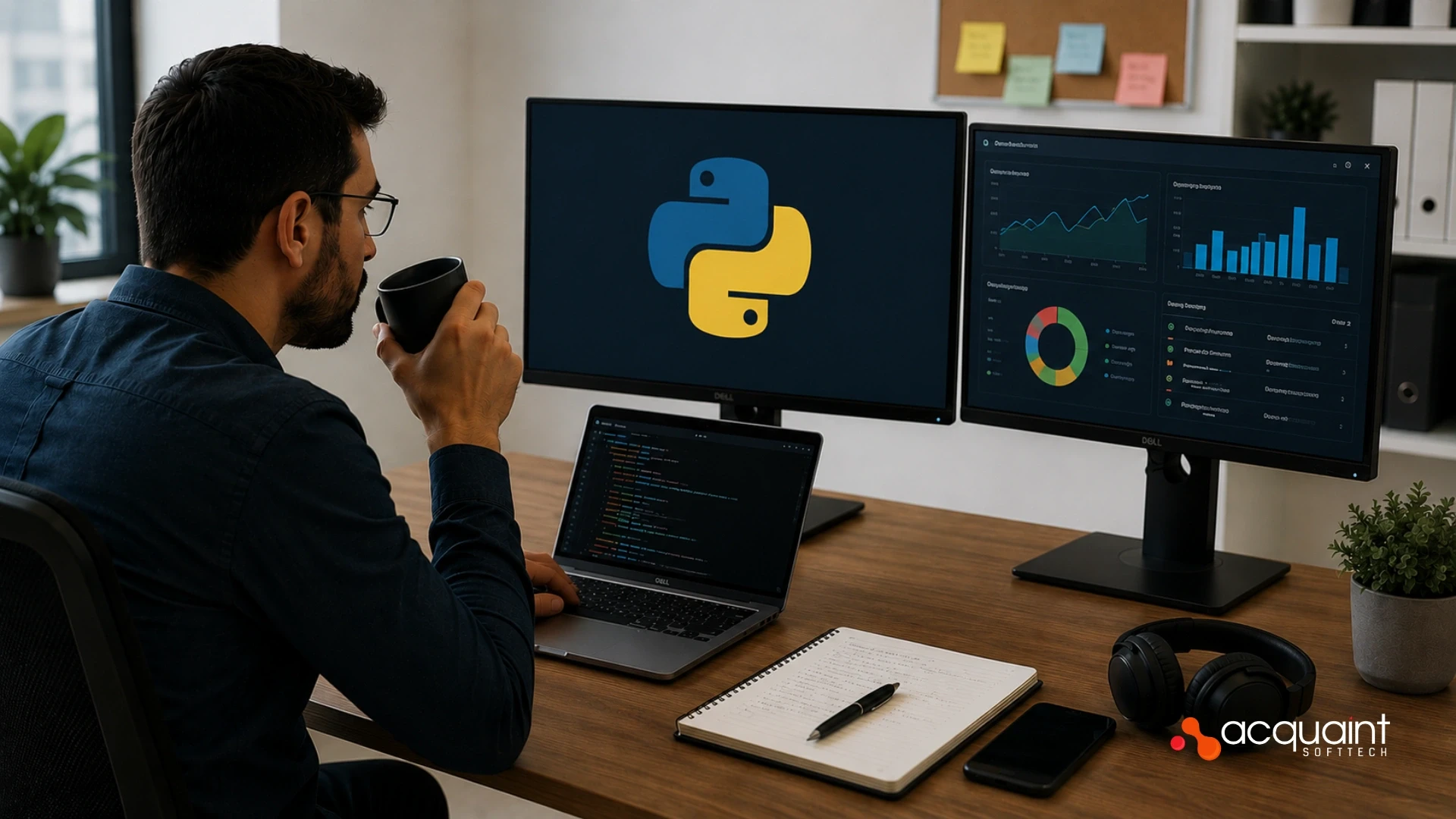
Post-launch support models for Python web applications in 2026. SLA tiers, retainer vs T&M vs dedicated team, and what an honest support contract includes.

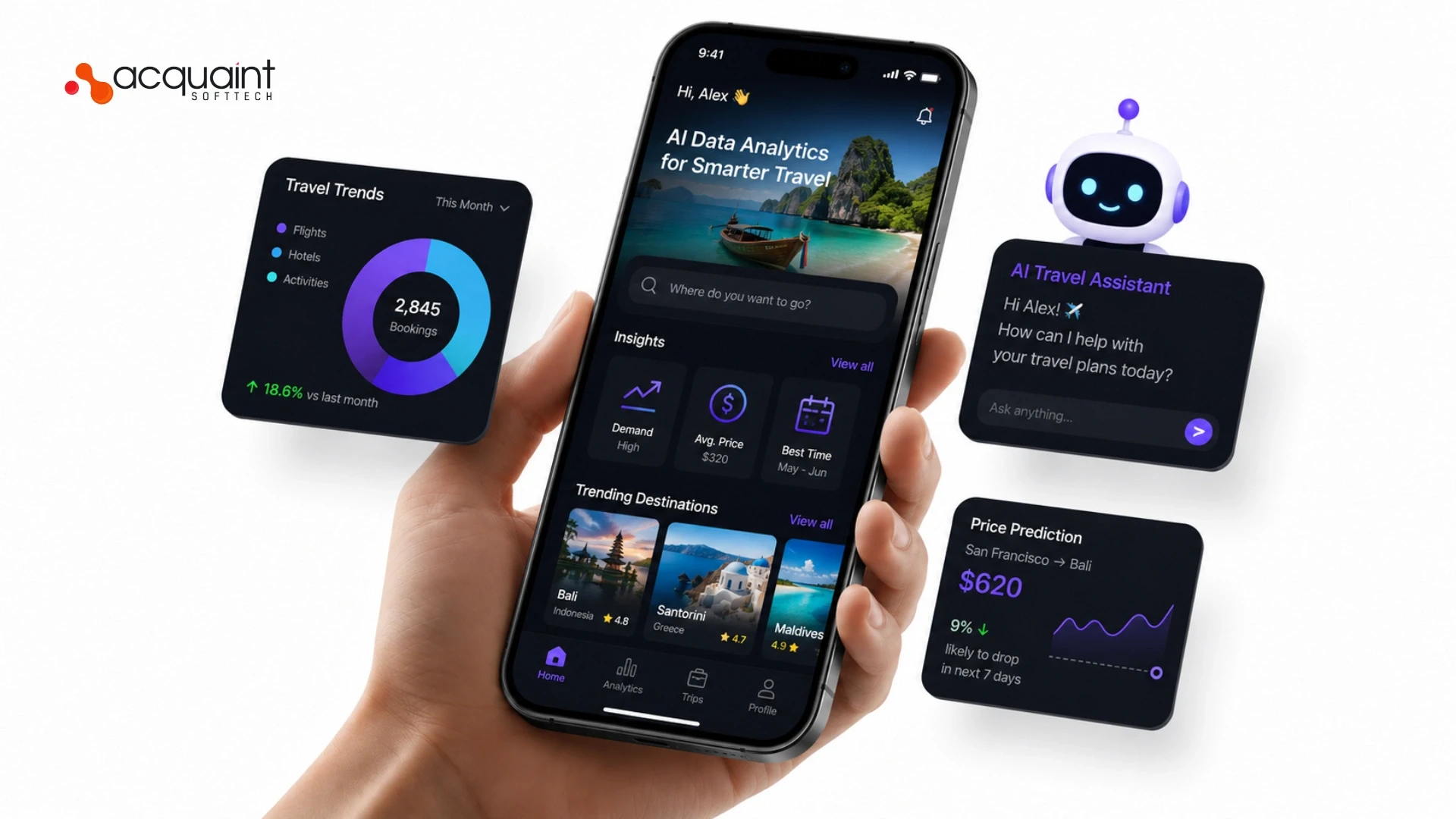
AI and data analytics in travel use machine learning to turn booking, search, and customer data into revenue. The three core engines are demand forecasting, which predicts future occupancy and bookings; price optimization, which sets the best price in real time based on demand; and customer intelligence, which identifies high-value travellers and predicts who will book or cancel. Hotels using AI-driven pricing report revenue gains of 5 to 14%.


.webp "Building a Freelance Marketplace Like Upwork or Fiverr: Two-Sided Platform Architecture")
.webp "Auto Insurance Platform Development: Telematics, Usage-Based Insurance, Connected Car Integration")