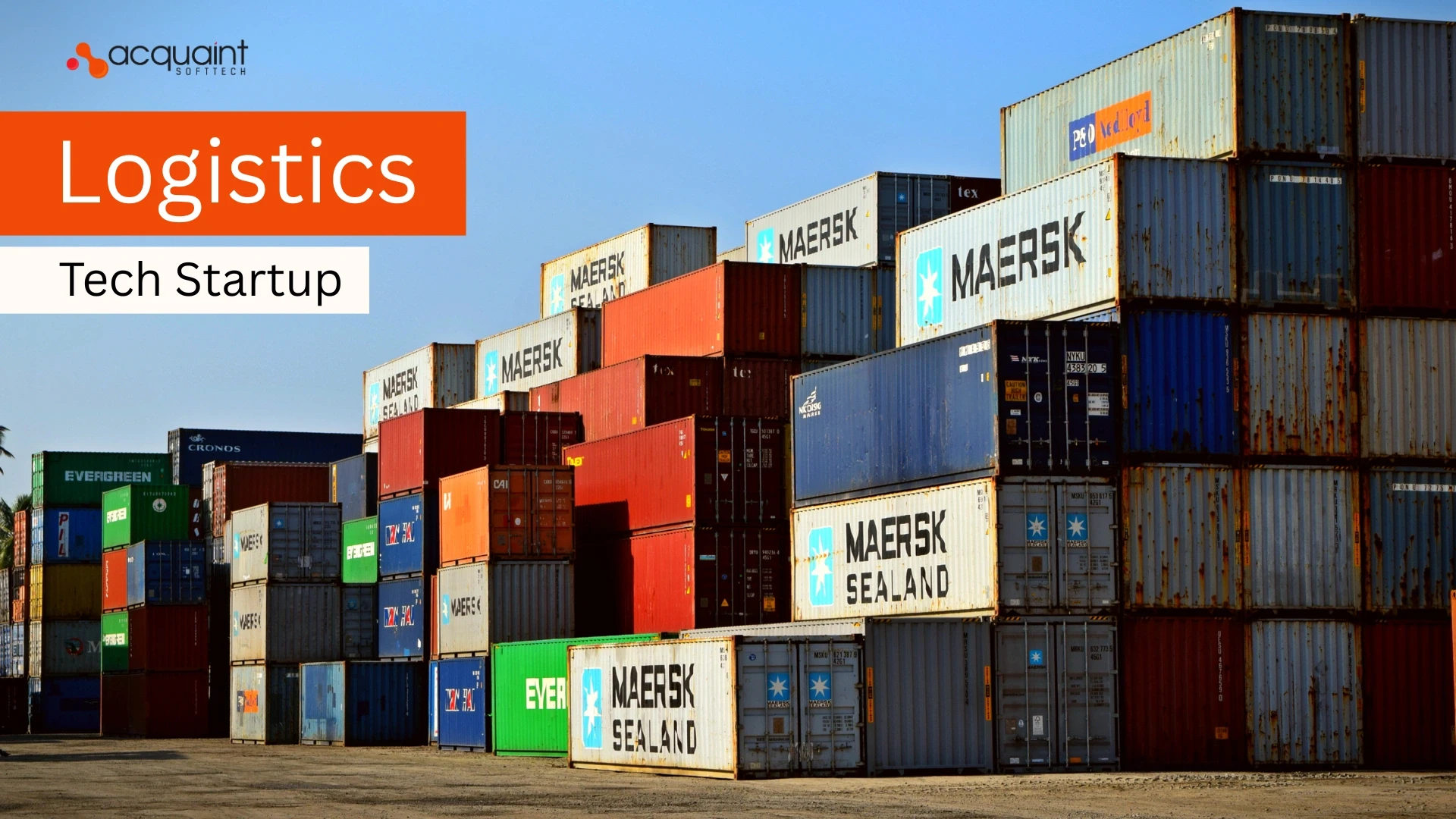
To build a logistics tech startup, validate the idea with real users first, scope a lean MVP around one painful workflow, pick a scalable stack, and launch in 3 to 6 months before spending on extras. A focused MVP costs roughly $40,000 to $60,000 and survives far better than a year-long build that nobody asked for.

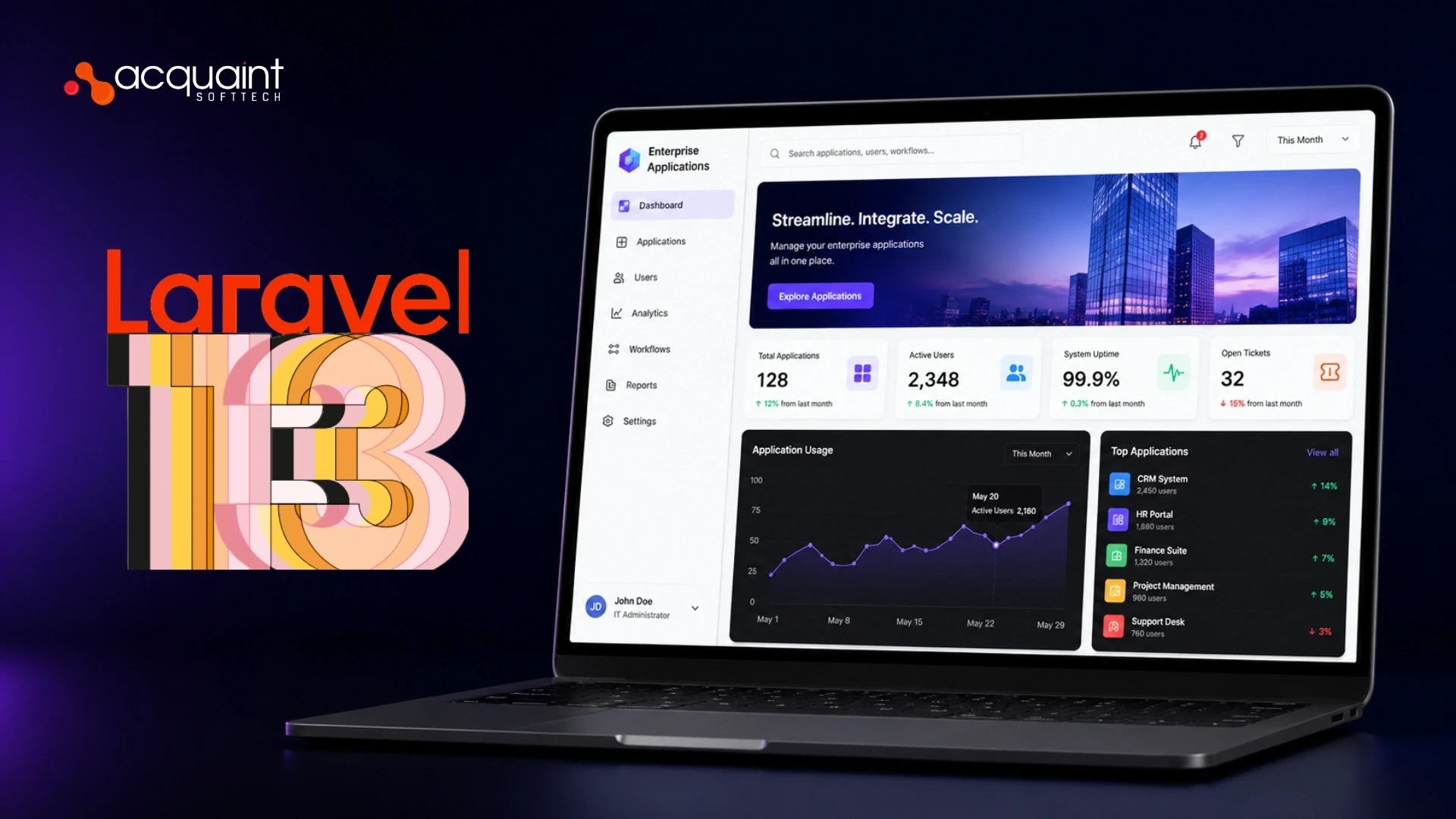
Laravel 13 (Released March 17, 2026) redefines modern PHP by making AI, modern syntax, standardized APIs, and passwordless security first-party, while keeping upgrades painless: No upgrade-breaking changes and about a ten-minute move from Laravel 12. That combination removes the last reasons enterprises hesitated to standardize on PHP.

A SaaS reporting engine is the system that lets each tenant generate reports from their own data on demand, without one tenant's heavy report slowing the product for everyone else. To build one, you separate reporting queries from the live application database using read replicas or a dedicated analytics store, enforce tenant isolation on every query, run report generation as asynchronous background jobs, cache repeated results, and deliver output as on-screen dashboards or exportable files such as PDF and CSV. The hard part is not the charts; it is isolating tenant data and keeping heavy queries off the path that serves live users.

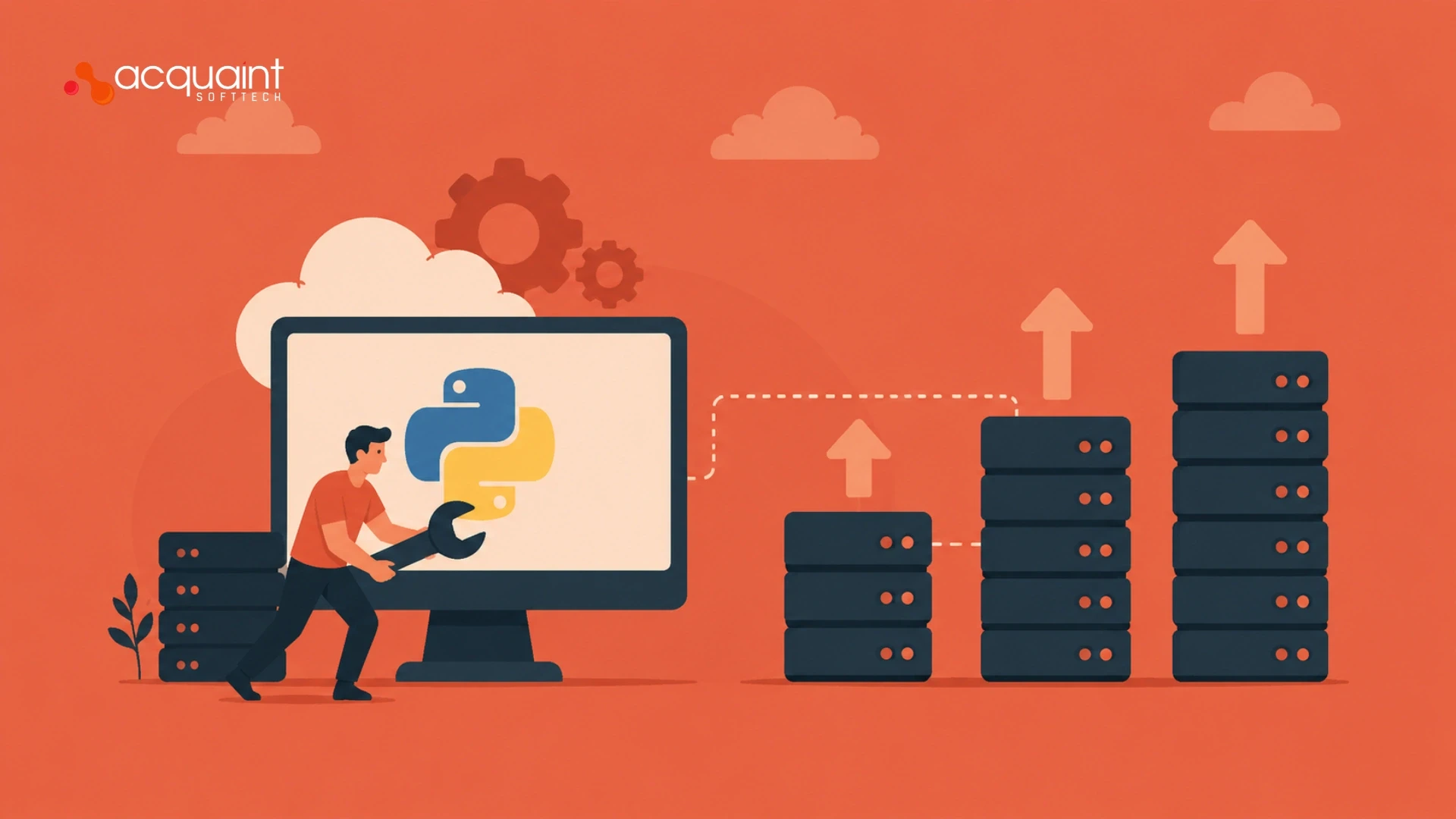
How to scale a Python application from pilot to enterprise rollout in 2026. Architecture decisions, team structure, and the anti-patterns that kill scaling.

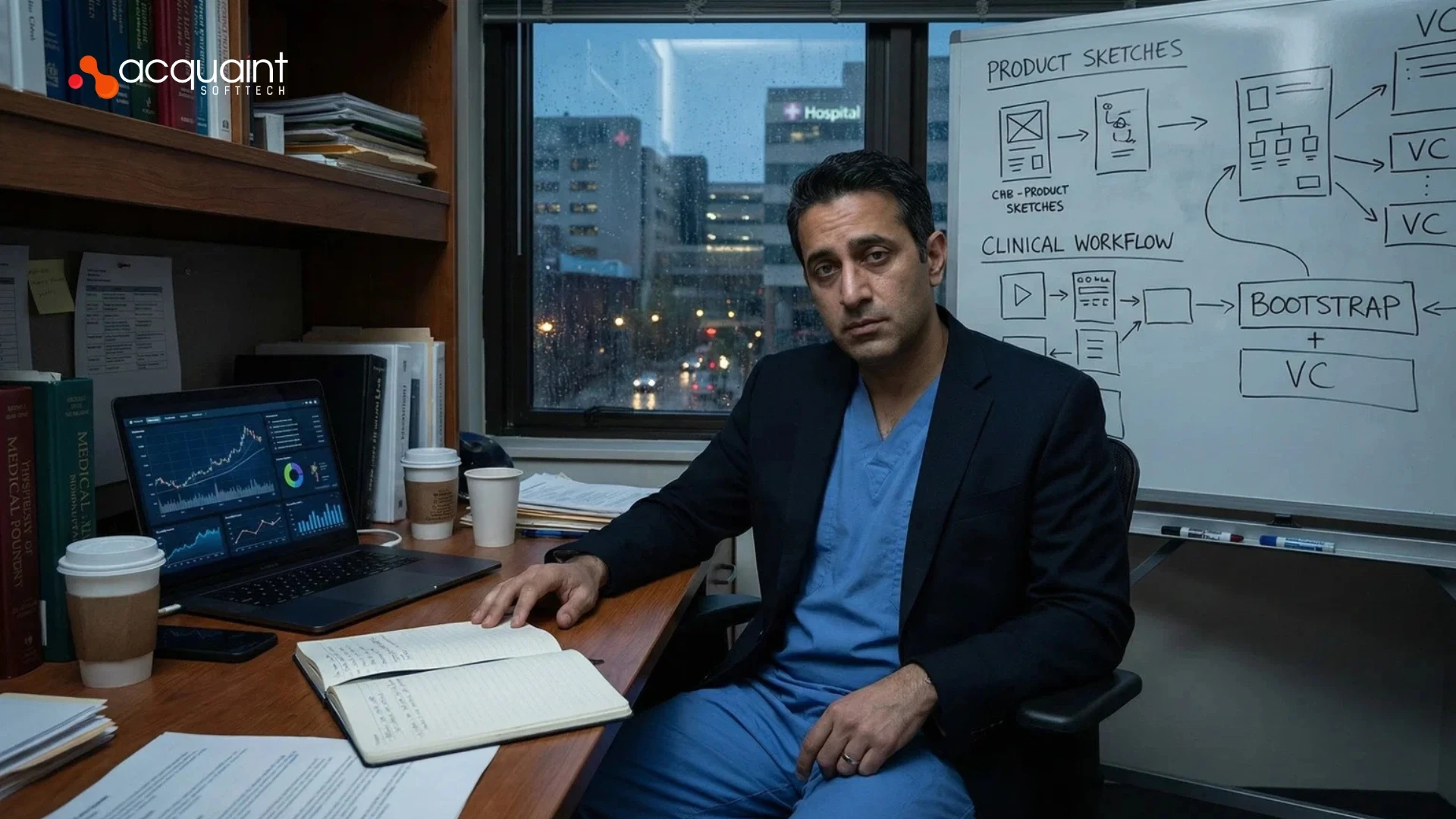
Validating a HealthTech startup idea before development helps reduce risk, confirm market demand, and ensure regulatory readiness. A structured validation process allows you to refine your MVP and avoid costly mistakes later.
How to measure business impact after Python development deployment. KPIs, DORA + DX Core 4 framework, ROI attribution, and anti-patterns to avoid in 2026.