
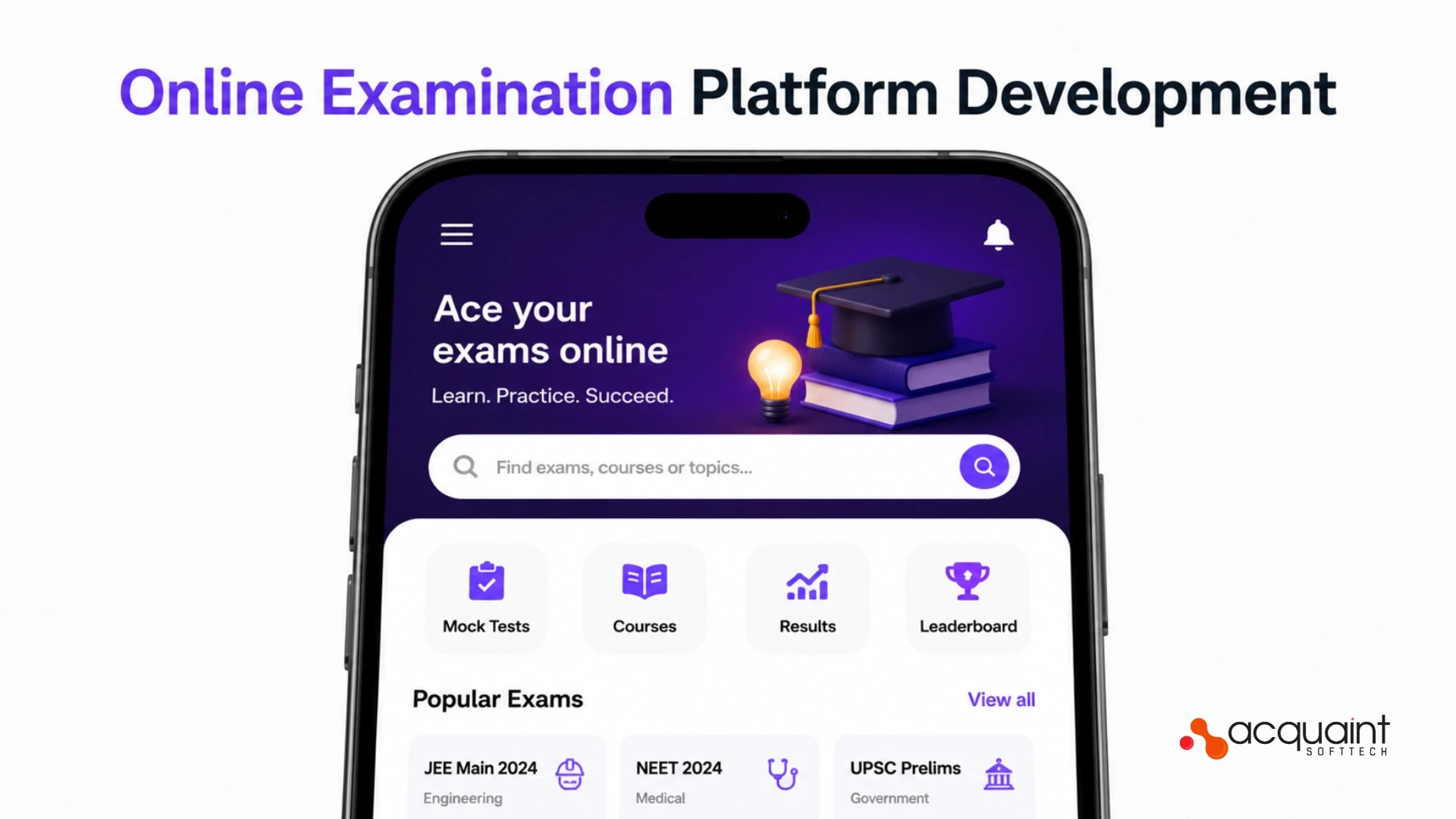
An online examination platform is software that creates, delivers, monitors, and grades tests over the internet at scale. Building one means solving four hard problems together: a question bank that assembles fair, randomized exams, delivery that stays stable when thousands sit at once, remote proctoring that deters cheating without false accusations, and automated grading that scores objective and written answers accurately.

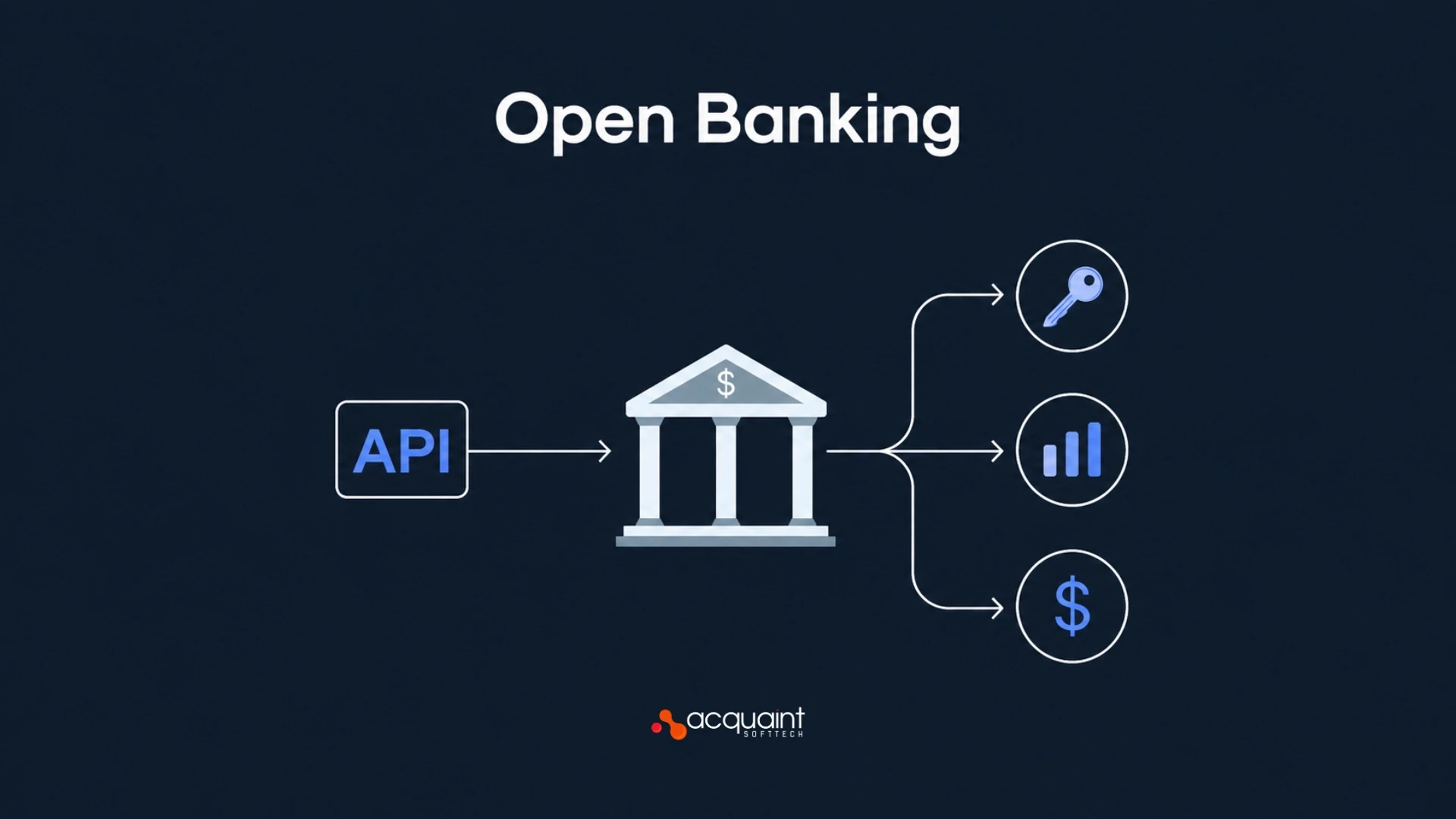
Open banking lets customers securely share bank data and payments through approved APIs with their consent. It powers account aggregation, lending, budgeting, and account-to-account payments under regulations like PSD2 and Section 1033.

Logistics technology is shifting toward AI-powered, self-healing supply chains with real-time automation and decision-making. Key trends include agentic AI, digital twins, IoT, blockchain, and autonomous systems built on connected data.

To build a travel tech startup, validate your idea, build a lean MVP, and launch based on real user feedback. Most travel MVPs take 2–4 months and start at $20,000 with an offshore team.

E-commerce operations technology automates order management, inventory, fulfillment, shipping, and returns. AI-powered automation improves fulfillment speed, reduces errors, and lowers operating costs.
Life insurance platform development is the building of software that takes a customer from a digital application to decades of policy servicing. It has three phases: digital onboarding that captures an application in minutes, accelerated underwriting AI that decides without a medical exam, and a policy servicing system that manages the contract for its full term. Custom life platforms typically cost $300,000 to $1.5M and must handle a relationship that can last 30 years or more.



.webp "How to Build a Travel Tech Startup: From Idea to MVP to Scale")

.webp "Life Insurance Platform Development: Digital Onboarding, Underwriting AI, and Policy Servicing")