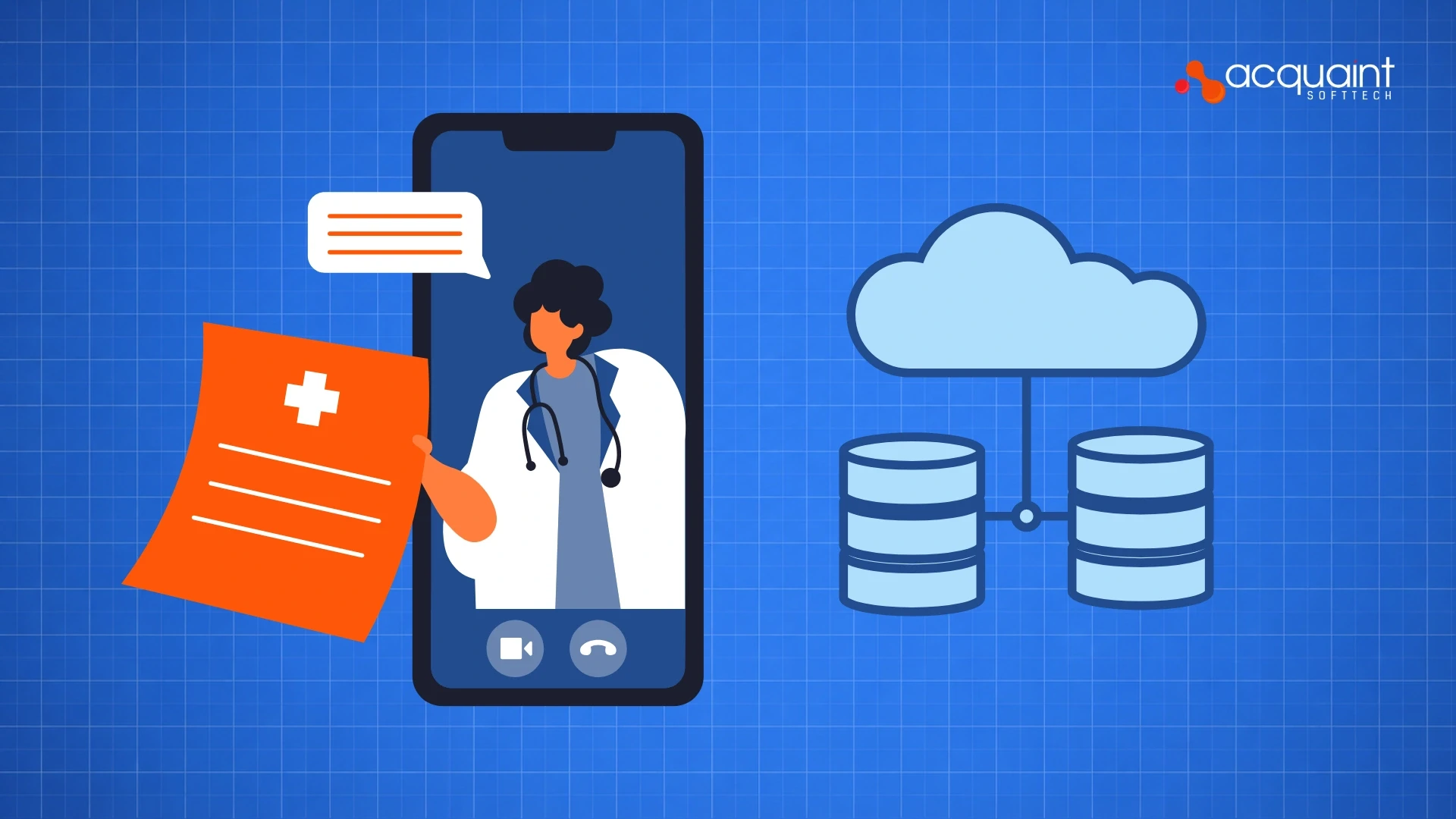
Building a secure mental health telemedicine platform means weaving privacy into every layer, from the video call to data storage, and adhering strictly to HIPAA in the US or GDPR in the UK and Europe. The essentials are end-to-end encryption for all video, audio, and chat; strict access control with multi-factor authentication and role-based permissions; encrypted data storage with regular backups; signed Business Associate Agreements with every vendor; data minimization; and audit logs that track who viewed each record and when.

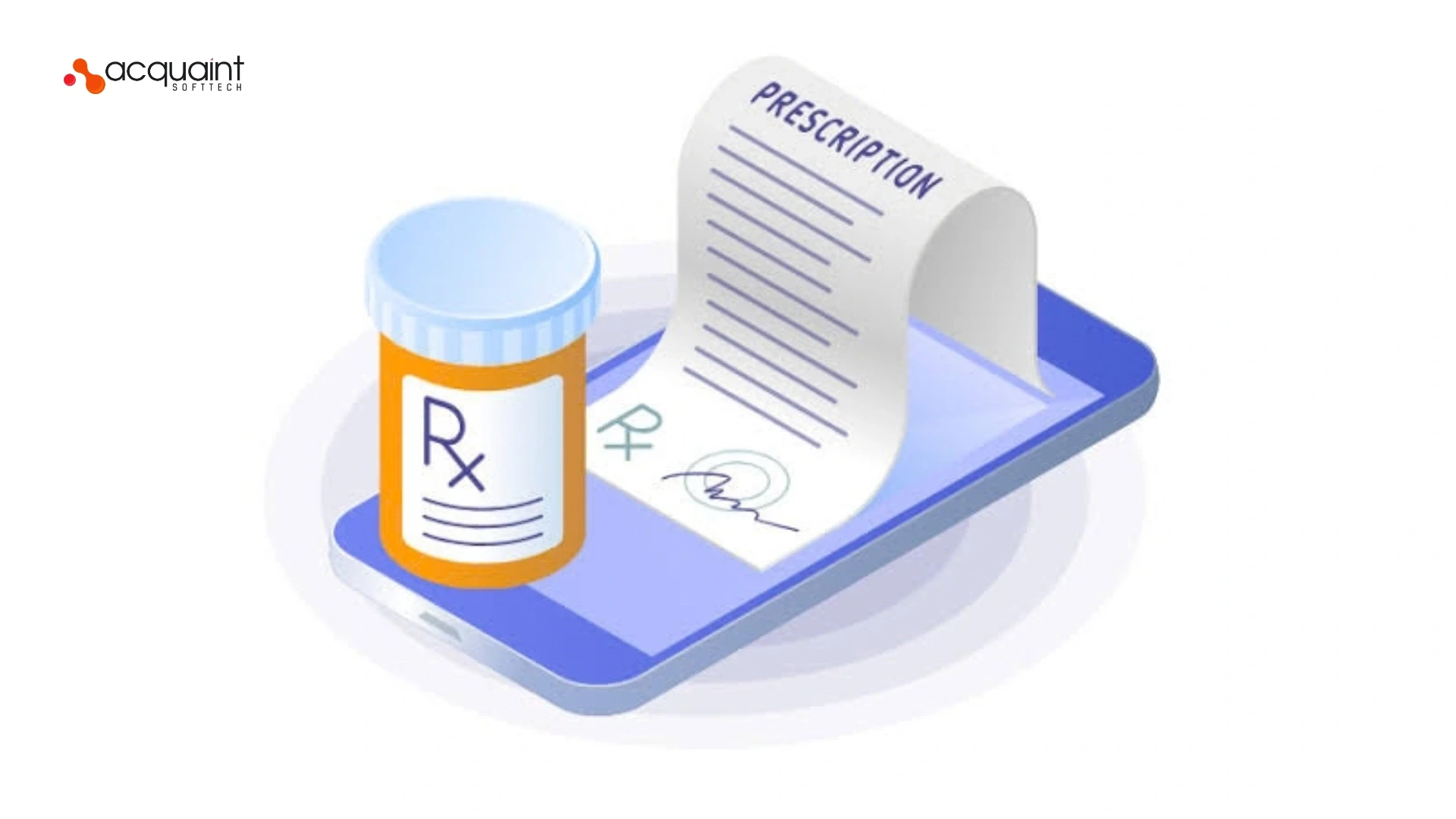
To add e-prescribing to a telemedicine platform, integrate a certified e-prescribing API (such as DoseSpot in the US or the NHS Electronic Prescription Service in the UK), verify each clinician's identity, sync patient data, route the script to the pharmacy, and log every action. Add two-factor sign-off for controlled substances and meet HIPAA or GDPR for your region.

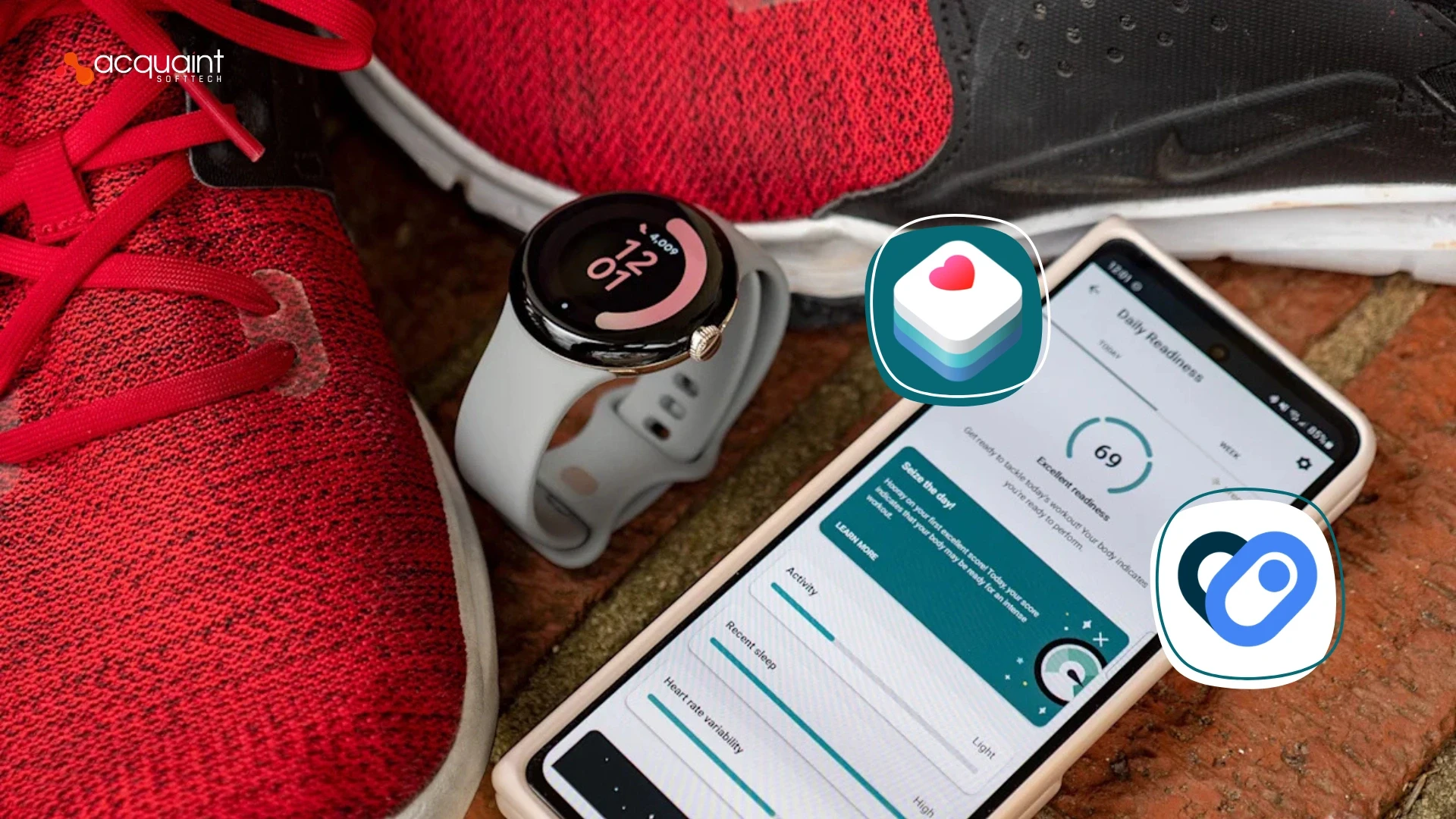
Apple HealthKit (iOS) and Google Health Connect (Android) are the standard platforms for accessing health data such as steps, heart rate, and sleep. Most healthcare apps integrate both to support iOS and Android, with Health Connect replacing Google Fit for Android.

A HIPAA risk assessment is a required evaluation of risks to electronic protected health information (ePHI) in your application. It identifies threats, assesses security controls, prioritizes risks, documents remediation, and should be reviewed annually to maintain HIPAA compliance.
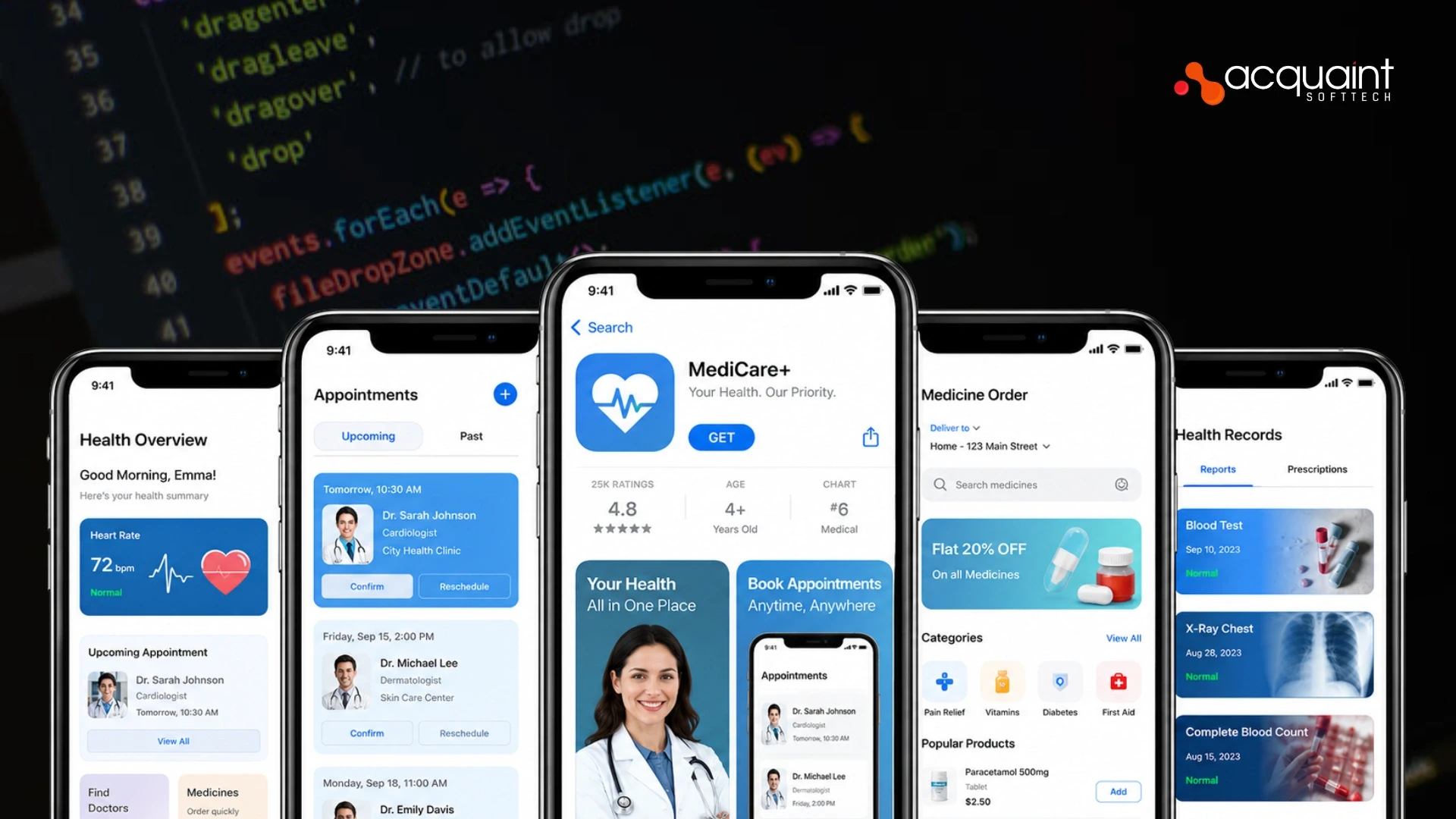
End-to-end HealthTech product development covers everything from idea validation to launch and ongoing support. A HIPAA-compliant MVP typically takes 3–9 months and costs $40,000–$400,000.

A home healthcare management platform manages patient care, caregiver scheduling, EVV, documentation, and billing. Development typically costs $80,000–$500,000 depending on features and agency size.
A health insurance claims processing system automates claims, eligibility, payments, and denials. It can auto-process 70–90% of claims and typically costs $150,000–$800,000.

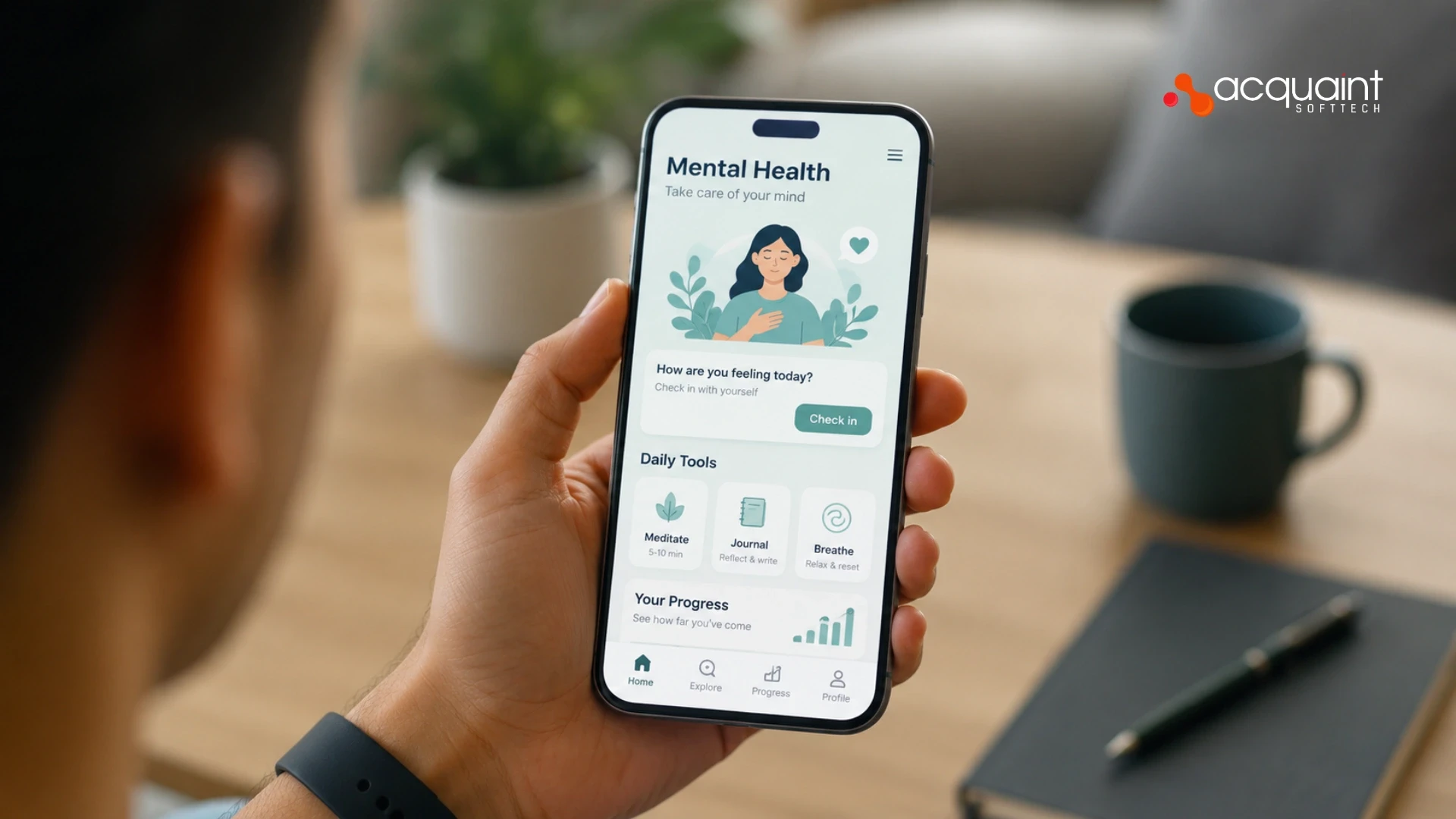
A mental health app offers mood tracking, therapy, journaling, telehealth, and AI support. Development typically costs $40,000–$400,000, and HIPAA compliance is required when handling patient data in the USA.
A healthcare data warehouse (HDW) centralizes patient, clinical, financial, and operational data for analytics and reporting. A modern HDW uses FHIR-based data pipelines and typically costs $70,000–$1,000,000 depending on complexity.