
We’re Acquaint Softtech, your technology growth partner. Whether you're building a SaaS product, modernizing enterprise software, or hiring vetted remote developers, we’re built for flexibility and speed. Our official partnerships with Laravel, Statamic, and Bagisto reflect our commitment to excellence, not limitation. We work across stacks, time zones, and industries to bring your tech vision to life.
Should you start with a trial Python project before full engagement? Honest 2026 answer backed by real data, with success criteria and clear exceptions.
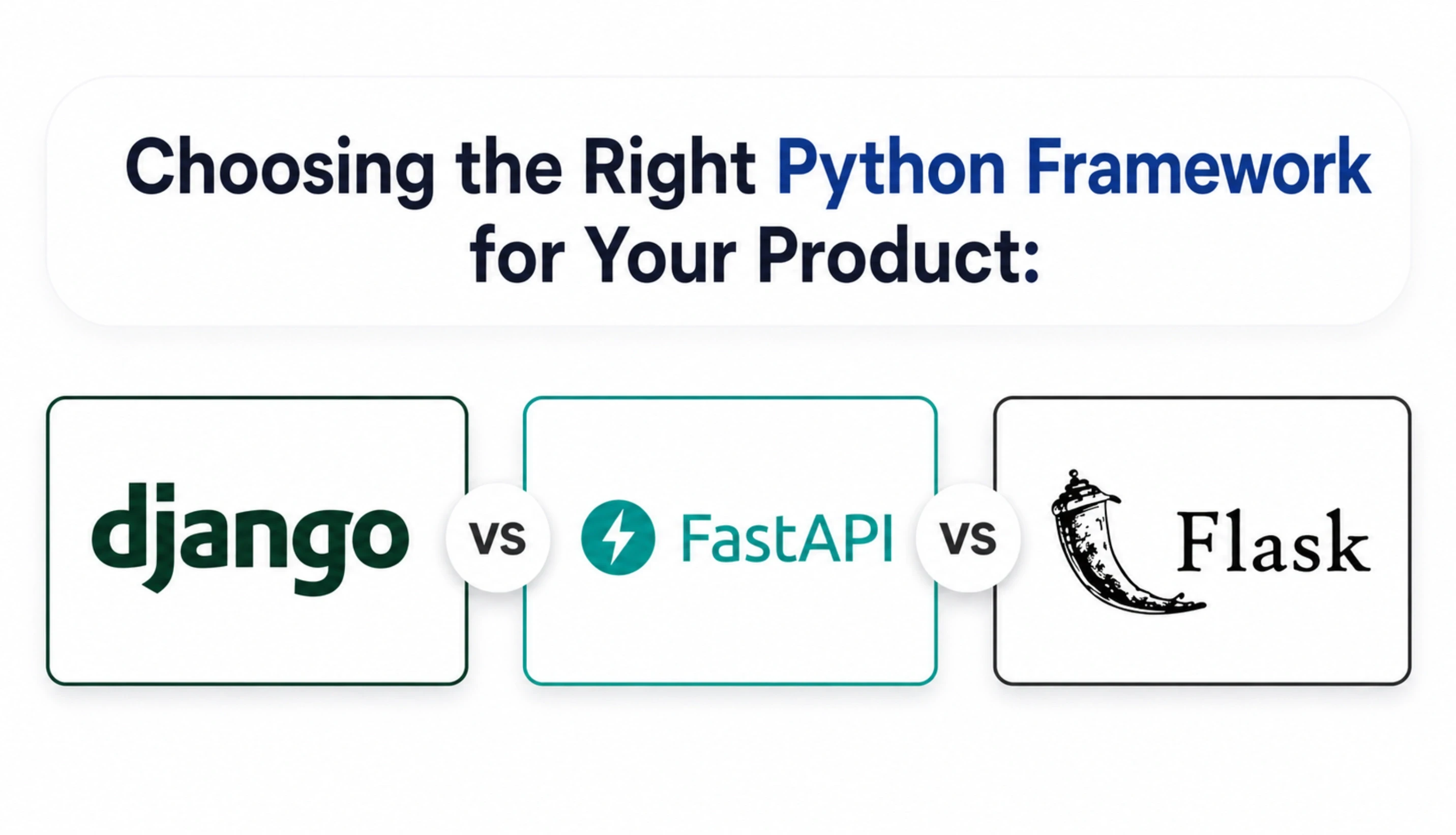
FastAPI hits 20,000 RPS. Django ships admin panels in hours. Flask lets you build exactly what you need. This guide breaks down Django vs FastAPI vs Flask with real 2026 benchmarks, a 15-dimension comparison, and a 12-scenario decision matrix.
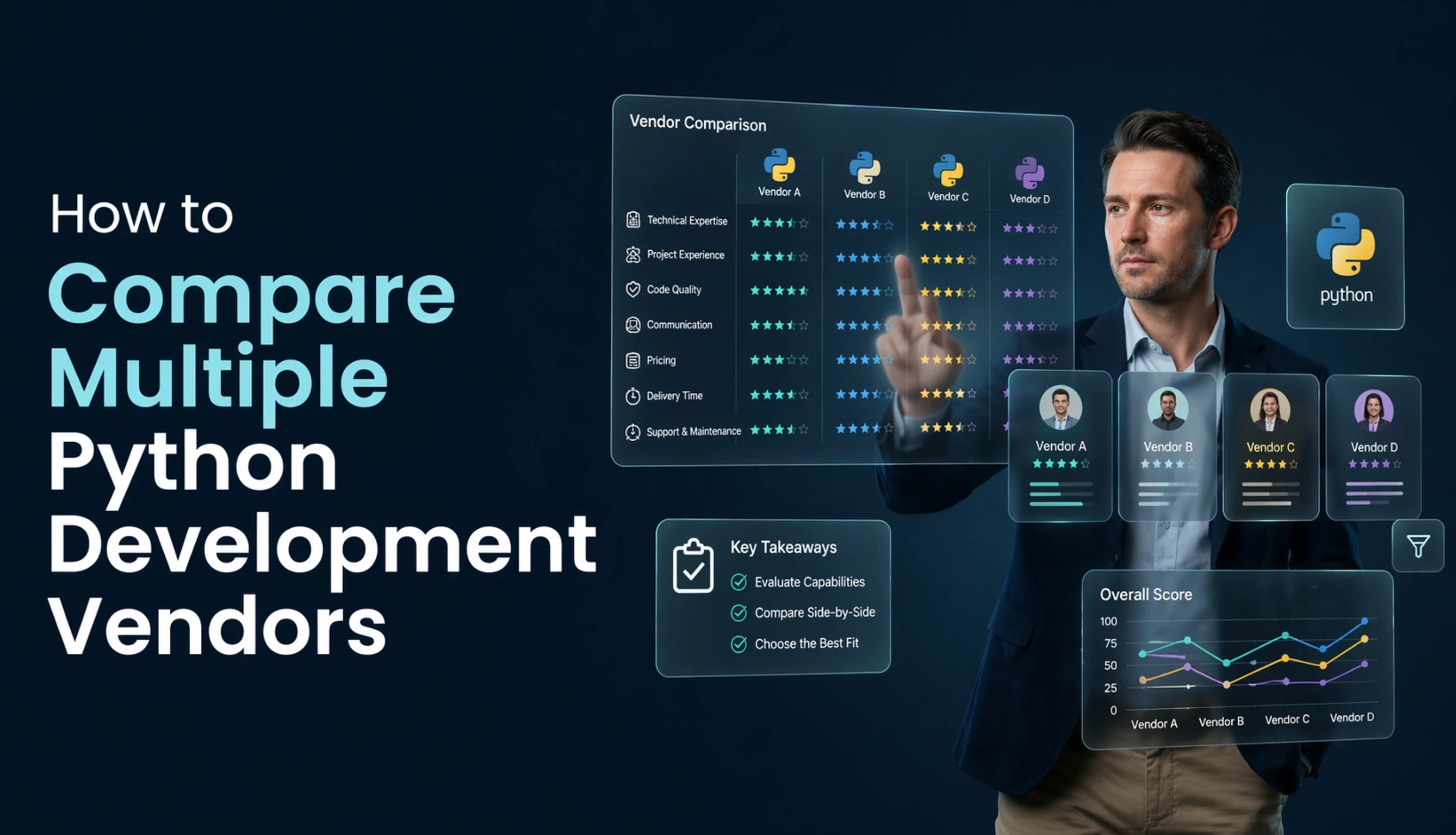
Compare multiple Python development vendors side-by-side with a weighted scoring framework. Real 2026 criteria, a ready template, and smart tie-breakers.
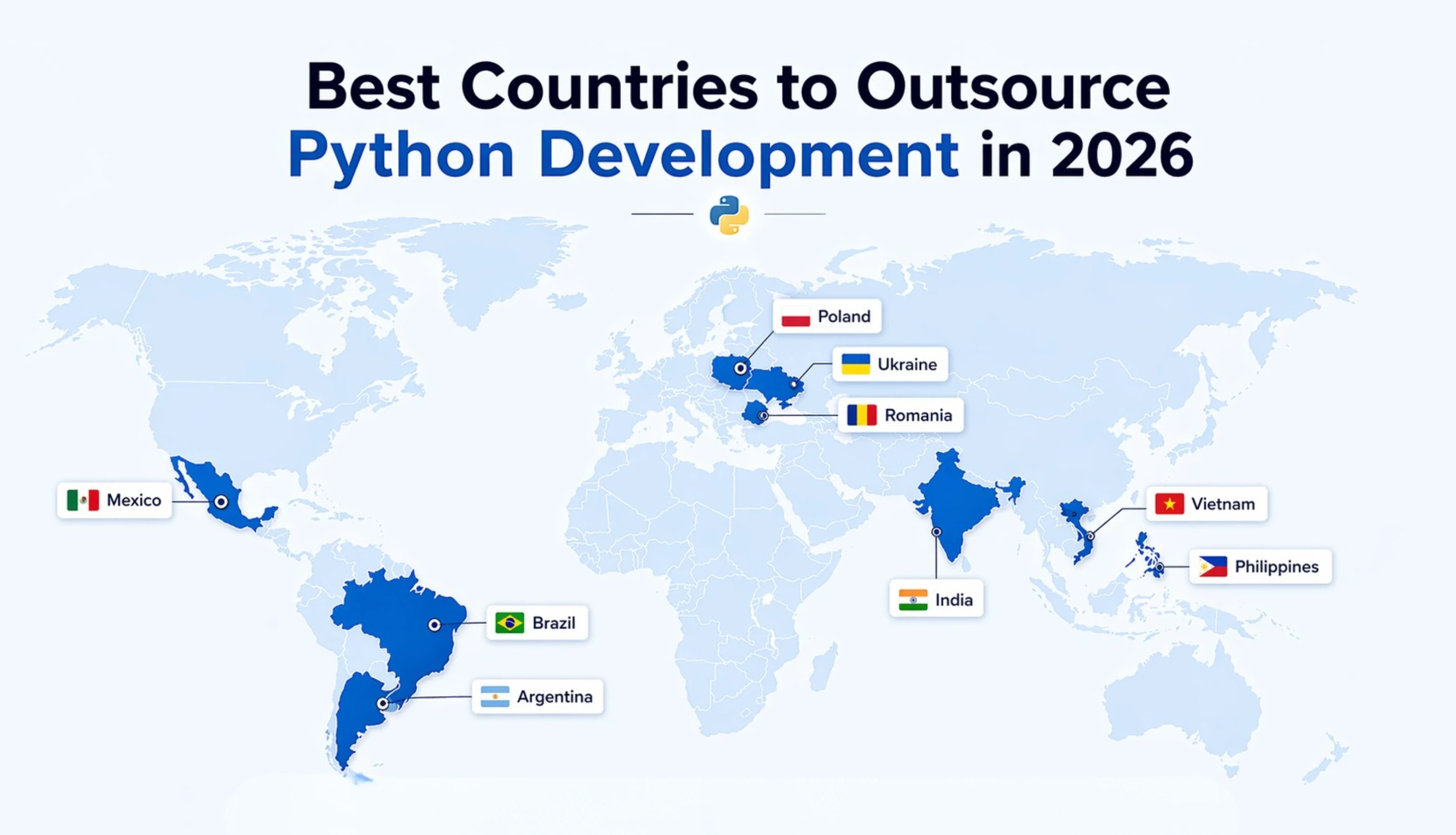
Compare the best countries to outsource Python development in 2026. Real hourly rates, talent quality rankings, risk factors, and timezone trade-offs across India, Poland, Ukraine, Mexico, Vietnam, and more
Learn how to exit a Python development contract safely without losing code, IP, or sprint progress. Real 2026 data, exit clauses, escrow guidance, and vendor handover checklist.
How does Laravel 13 beat Node and Django in 2026? Discover where startups find ROI with AI-native features, rapid MVP cycles, and elite security protocols.
Most Python development contracts have no SLA. That is where projects go wrong. This guide covers 8 non-negotiable SLA clauses, priority tier definitions, breach remedies, and the exact language to demand before signing.
Stop asking for quotes. Start sending RFPs. This guide gives you 50+ Python-specific questions across 7 sections, a response scoring framework, and red flags to catch in vendor replies before you shortlist.
Laravel 13, released on March 17, 2026, introduces a first-party AI SDK, passkey authentication, PHP 8.3 performance gains, zero breaking changes, and native JSON:API support. These features make it the most strategically important upgrade in the framework's history for teams building production-grade applications.
The star rating is not the signal. This guide shows you how to read Clutch reviews for Python vendors like an expert: 5 key signals, profile red flags, and a scorecard to evaluate any development company before signing.
Outsourcing Python development carries real risk. This guide breaks down 12 red flags across 3 phases (pre-engagement, mid-project, post-delivery), with a severity table, pre-sign checklist, and recovery steps for each warning sign.
Every Python development company calls itself a partner. Very few behave like one. This guide identifies 8 observable signals, a 10-point scorecard, and a 12-dimension comparison that reveal the real difference before you sign anything.
Marketplace developers look cheaper on paper. Dedicated in-house Python teams deliver more at month 6, 9, and 12. This guide breaks down exactly why, with data, real cost comparisons, and 7 compounding advantages.
Most hiring teams ask the wrong Python interview questions. This guide covers 40+ questions across 7 categories that reveal production readiness, communication quality, and real engineering depth before you sign.
Don't sign until you read this. A 9-step evaluation framework for vetting Python development partners in 2026. Covers technical assessment, portfolio verification, contract clauses, and red flags that most companies miss.
React Native is an open-source JavaScript framework developed by Meta, widely used for building high-performance. According to Statista, React Native holds a 32% market share, making it the most widely used cross-platform mobile framework globally with brands like Facebook, Instagram, and Shopify relying on it for production-grade mobile experiences. This growing adoption has made finding a reliable React Native development company a top priority for businesses aiming to deliver scalable, native-like applications faster.
However, searching for the top React Native app development companies often surfaces hundreds of vendors claiming similar expertise - making evaluation frustrating for founders and product teams. To simplify this, we reviewed 100+ React Native service providers across Clutch, GoodFirms, and industry directories, shortlisting firms with 10+ years of experience, verified client feedback, and proven large-scale mobile project delivery.
How do you choose MCP, MLP, or MVP for your US fintech SaaS in 2026? Learn which launch strategy saves time, cuts costs, and drives real growth.
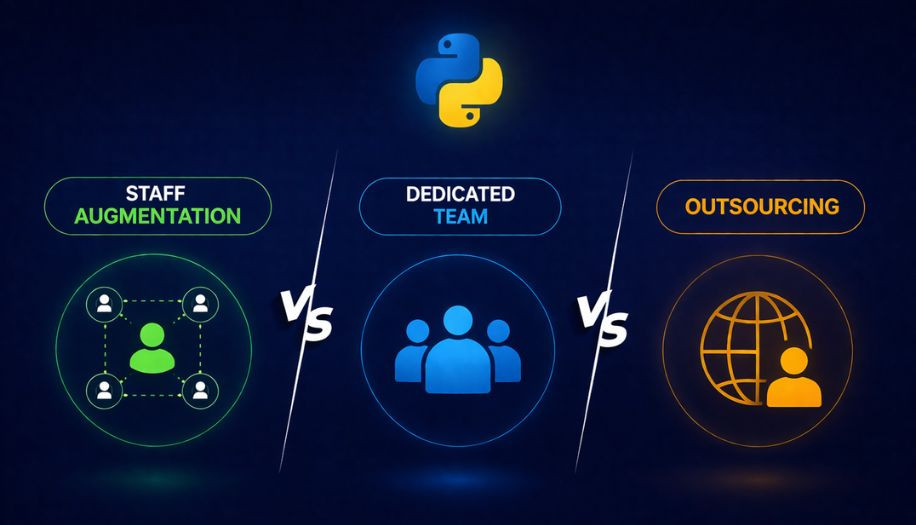
Compare Python staff augmentation, dedicated team, and project outsourcing models. Real 2026 data on cost, control, speed, and IP risk. Find which model fits your project stage.
Hiring remote Python developers in 2026? Spot these 7 costly red flags before they burn your budget. Covers bait-and-switch tactics, IP traps, rate scams, vetting failures, and
Hiring a Python development company in 2026? This guide covers every signal, red flag, and evaluation step to find a vendor that delivers after launch, not just before it.
Most CTOs build remote dev teams by adding one developer at a time and hoping the team forms itself. This 30-day playbook is how the best-performing remote teams are built deliberately. Day by day.
Most staff augmentation contracts are missing at least 3 of these 12 clauses. Each missing clause is a specific risk you are carrying without knowing it. Here is what each clause protects you from.
Q1 is done. Here is the honest retrospective: what offshore hiring patterns delivered in Q1 and which ones failed. And the 5 specific decisions that will determine whether Q2 is different.
Q2 opens in 3 days. CTOs who add offshore dev capacity in April hit full velocity before the Q2 product cycle peaks. Those who wait until June start their Q3 planning with an understaffed team. Here is the full Q2 hiring outlook.


.webp "Why Laravel 13 Wins as a Backend Framework in 2026?")



.jpg "Red Flags to Avoid When You Hire Python Developers Remotely")
.jpg "What to Look for When Hiring a Python Development Company")