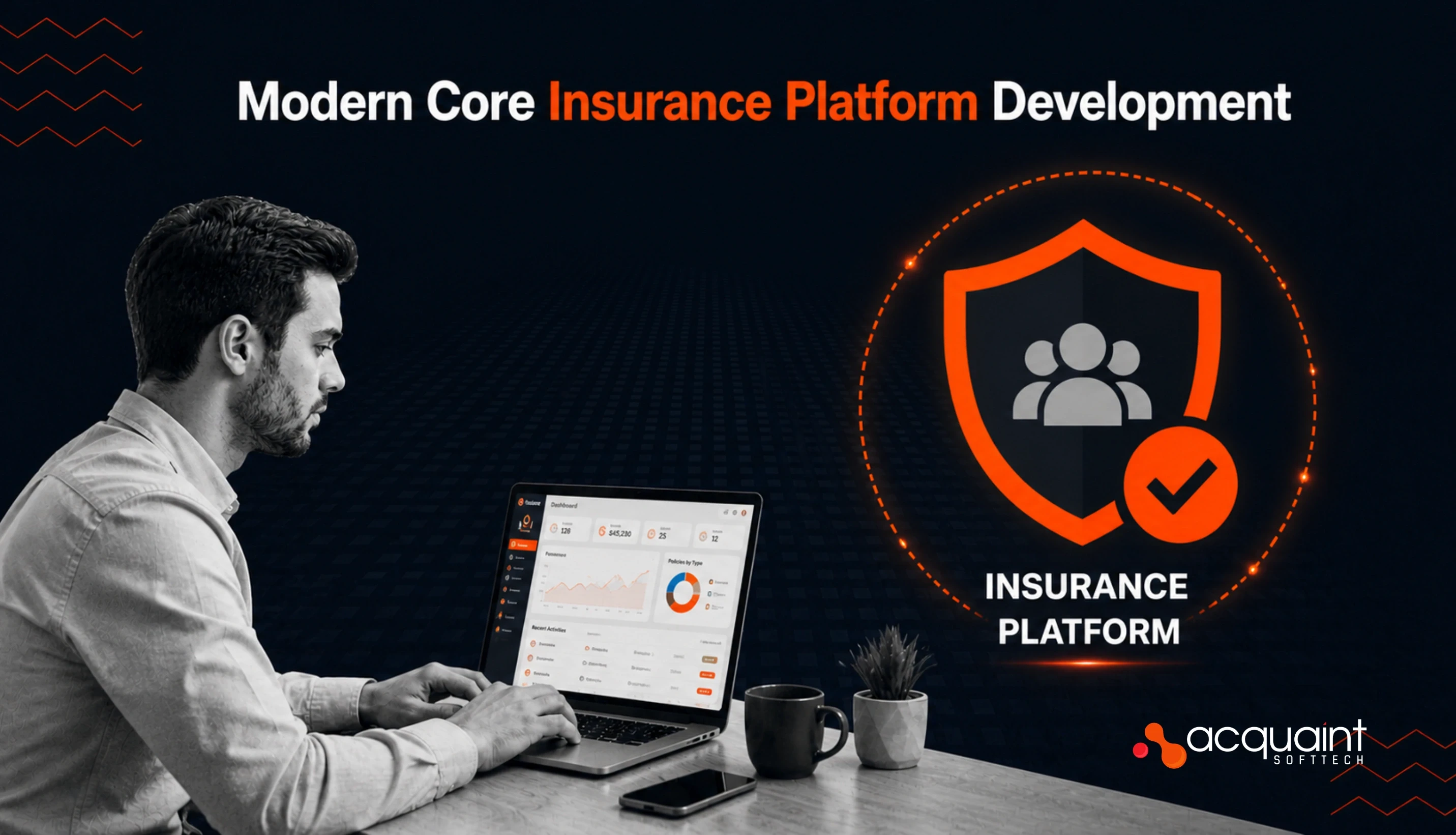
A core insurance platform is not four separate systems patched together with APIs. It is one shared data model where policy administration, billing, claims, and distribution each own a defined domain and fire events that the others consume. Teams that build four separate systems discover the gap at the worst possible moment: renewal time, first major claim, or regulator audit.

An LMS is not a video library with a login screen. It is a structured system that owns enrollment, progress, assessment, and certification in one traceable architecture. Teams that treat it as a file folder spend 12 months rebuilding what should have been designed correctly in week one. This guide shows exactly how each layer works, and what it actually costs to build.
A custom e-commerce platform is not a bigger Shopify plan. It is a purpose-built commerce engine where every module answers to your business logic, not a vendor's roadmap. This article explains exactly how one is architected, what it contains, and the 5 operational signals that tell you when building your own beats, staying on SaaS.
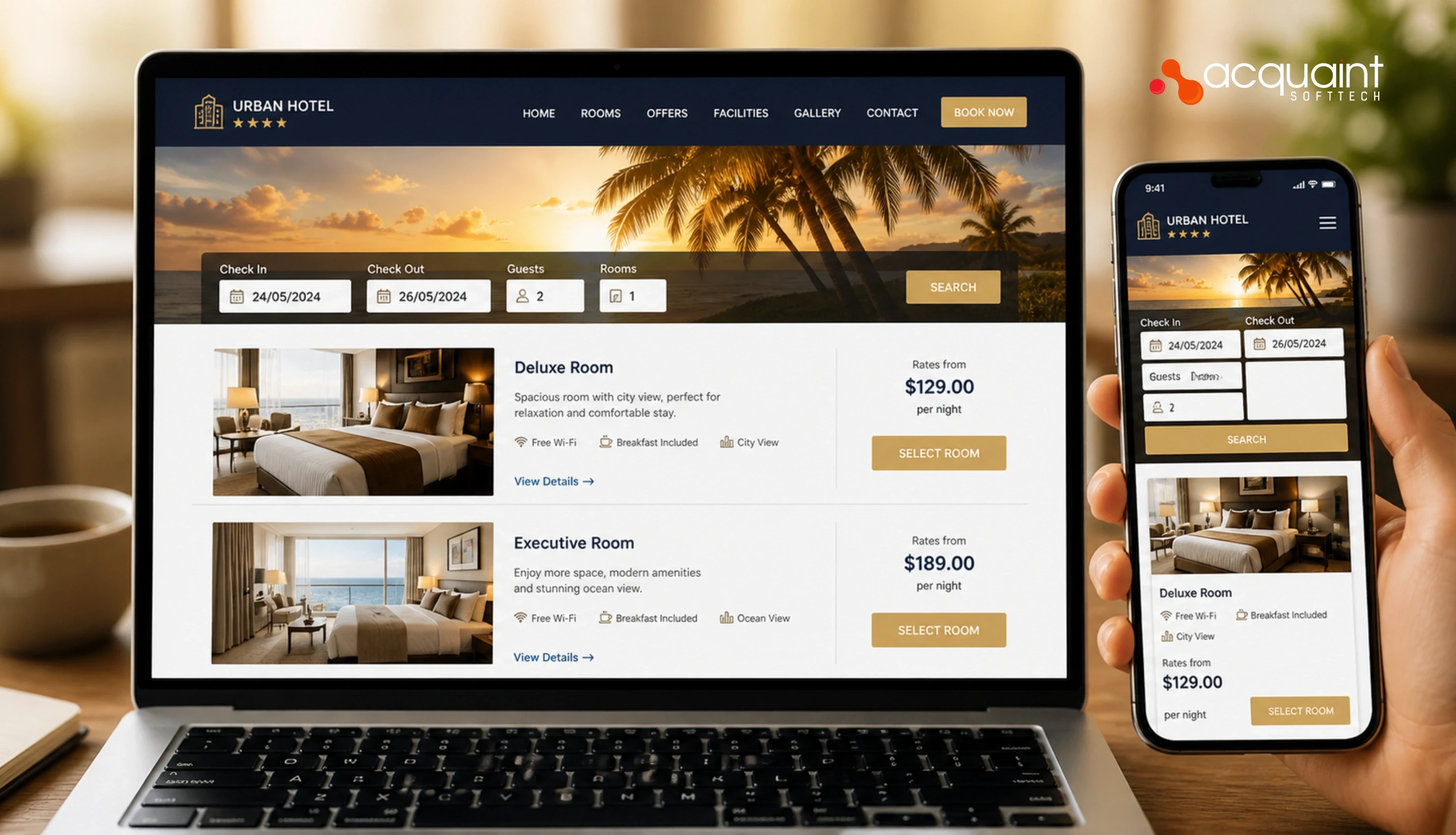
A hotel booking engine is not a search bar. It is an availability engine, a pricing decision system, a payment pre-authorisation layer, and a channel inventory synchroniser, all running simultaneously. This guide explains every architectural layer and how each one connects in a production system.
Property management software unifies tenant onboarding, lease tracking, rent collection, and maintenance, all automated, with no manual handoffs. Most landlords notice the gap only after a dispute, missed payment, or backlog. The real questions: how it works, the build cost, and whether it custom-fits your portfolio.
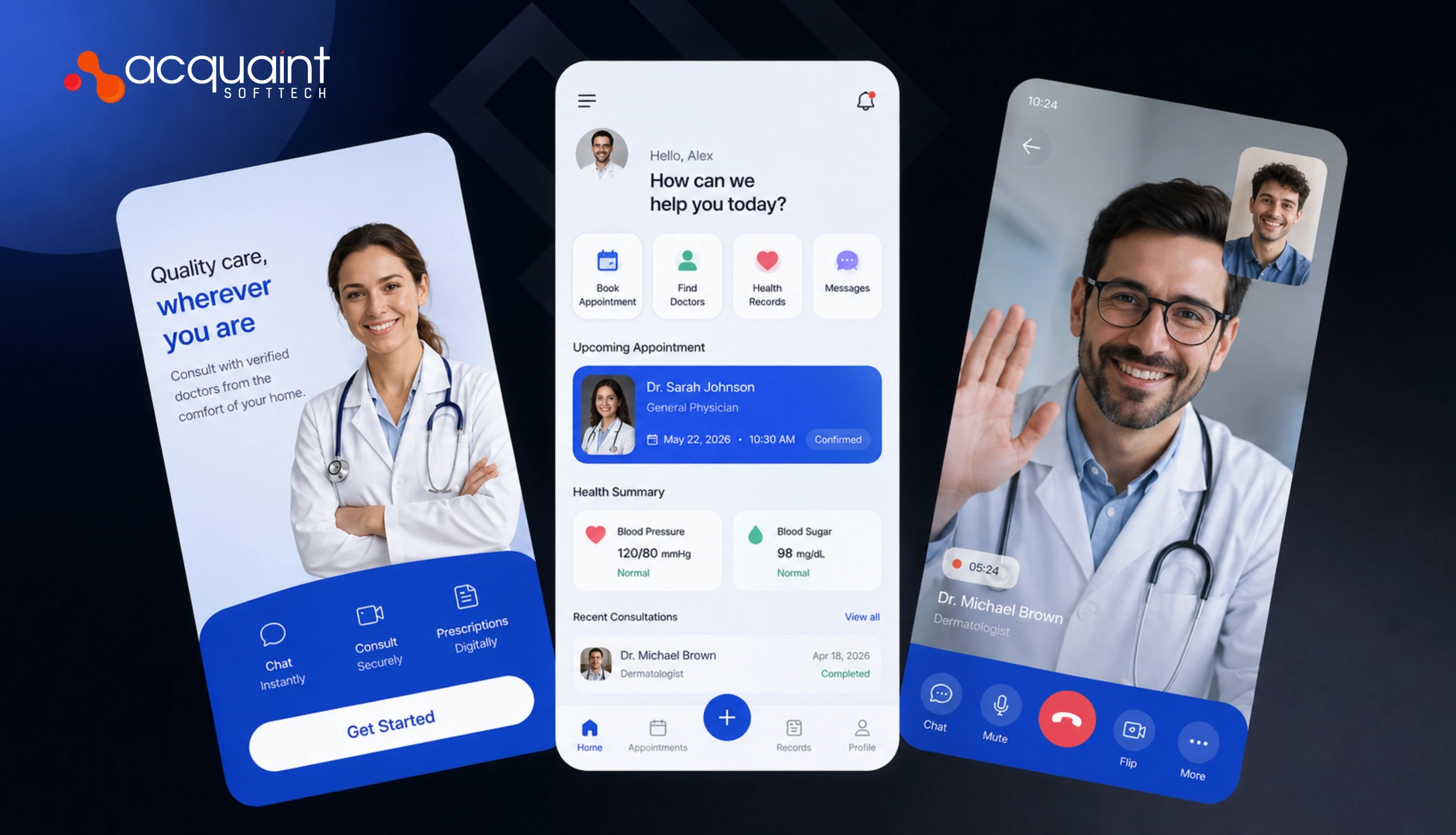
A telemedicine app is not a video call with a medical logo. It is a distributed system that moves protected health information between four environments in under 200 milliseconds while staying inside HIPAA boundaries. Here is exactly how it works, layer by layer, with the tech stack, the data flow, and the numbers that matter.



.webp "How Property Management Software Works:")