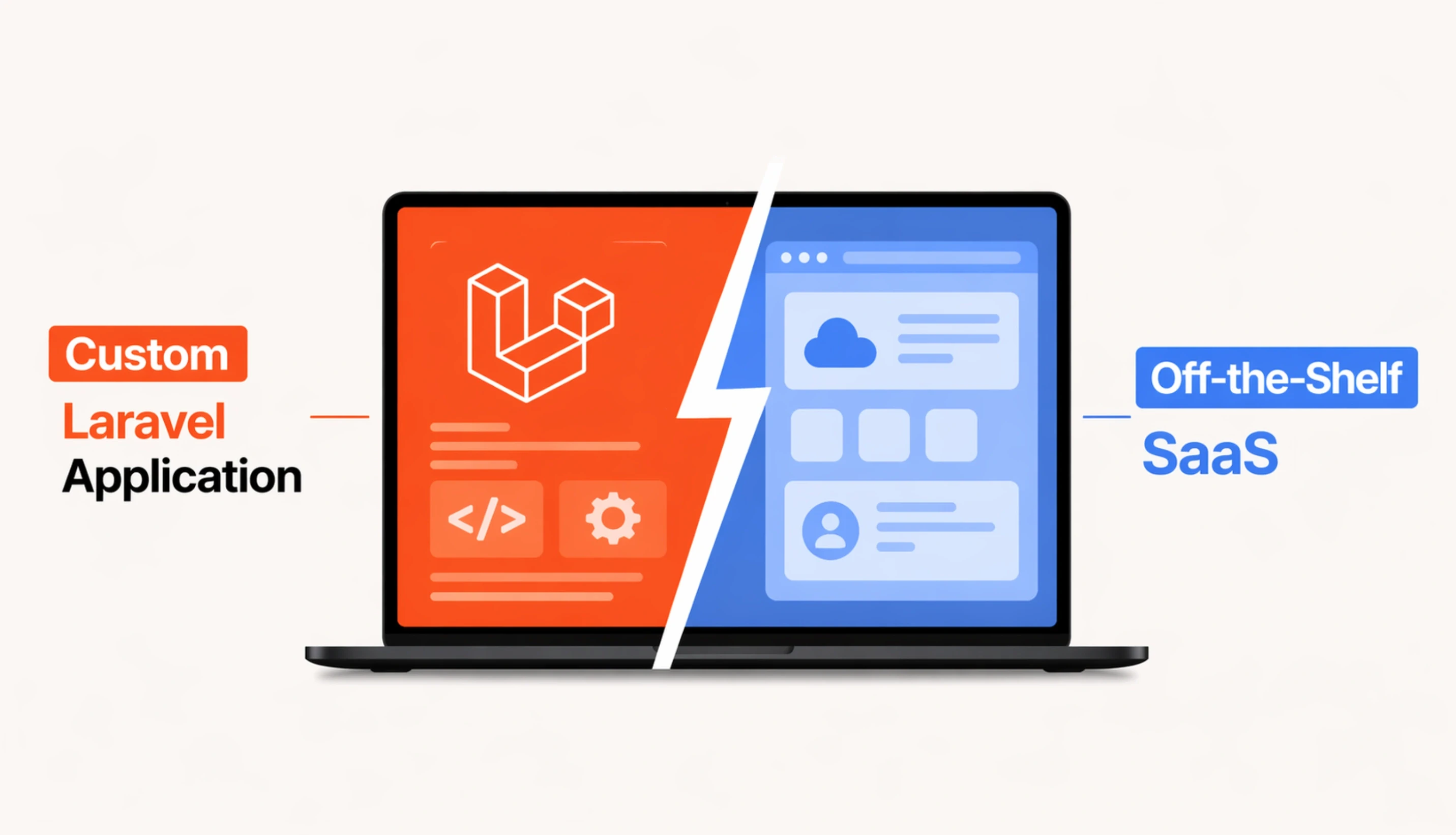
The build vs buy decision costs companies more when they get it wrong than almost any other technical choice. Here are the 7 questions that map your situation to the right answer with real 2026 numbers.

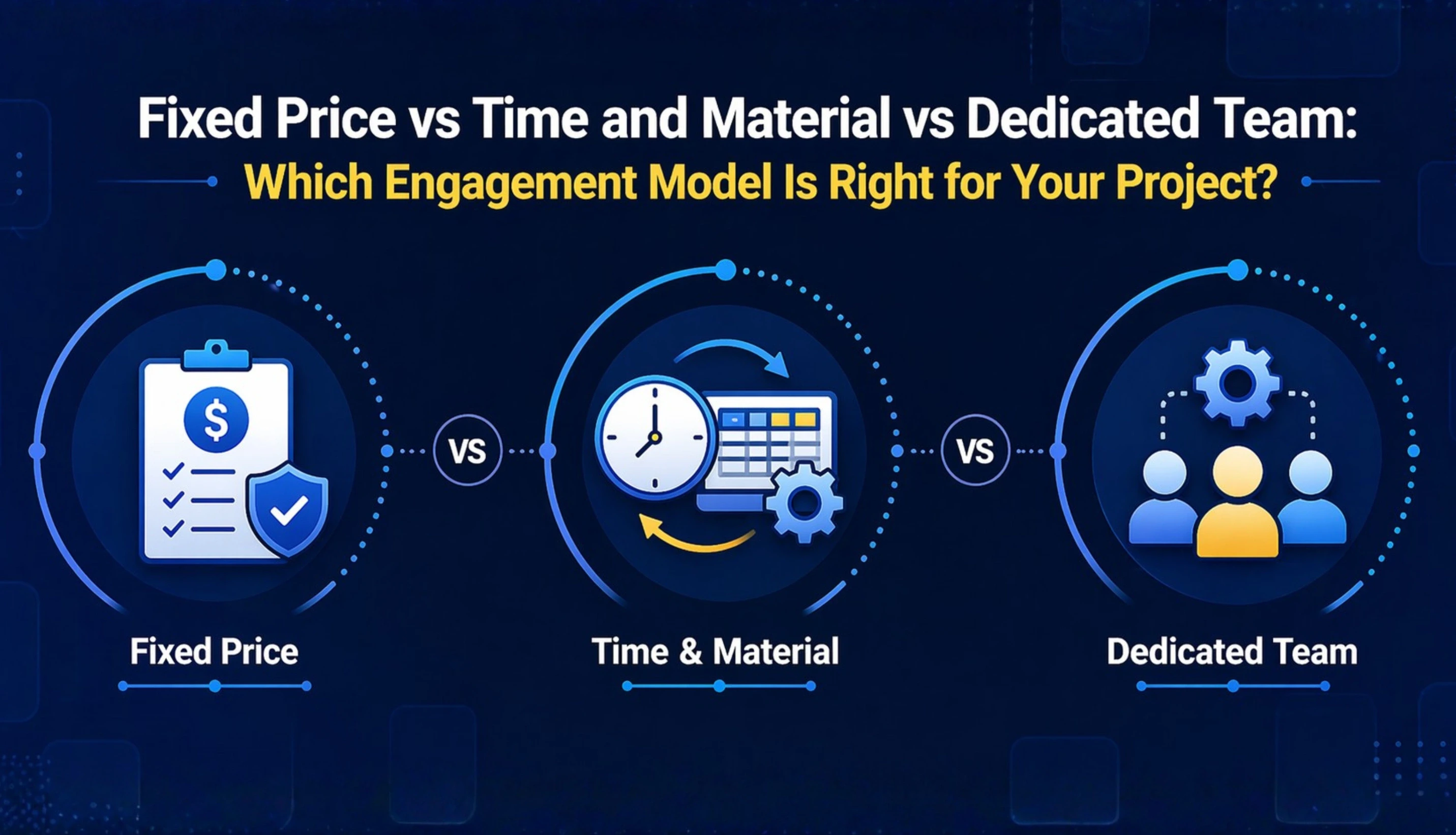
Fixed price, time and material, dedicated team. Every software development engagement is one of these three. Choosing the wrong one costs more than choosing the right vendor at the wrong rate.
What is the best way to hire remote developers in 2026? This article explains how using a structured AI-driven vetting process can make all the difference.
To scale a logistics startup in Europe, you need more than code. You need a Pan-European Warehouse Management Platform built on a resilient, AI-ready tech stack
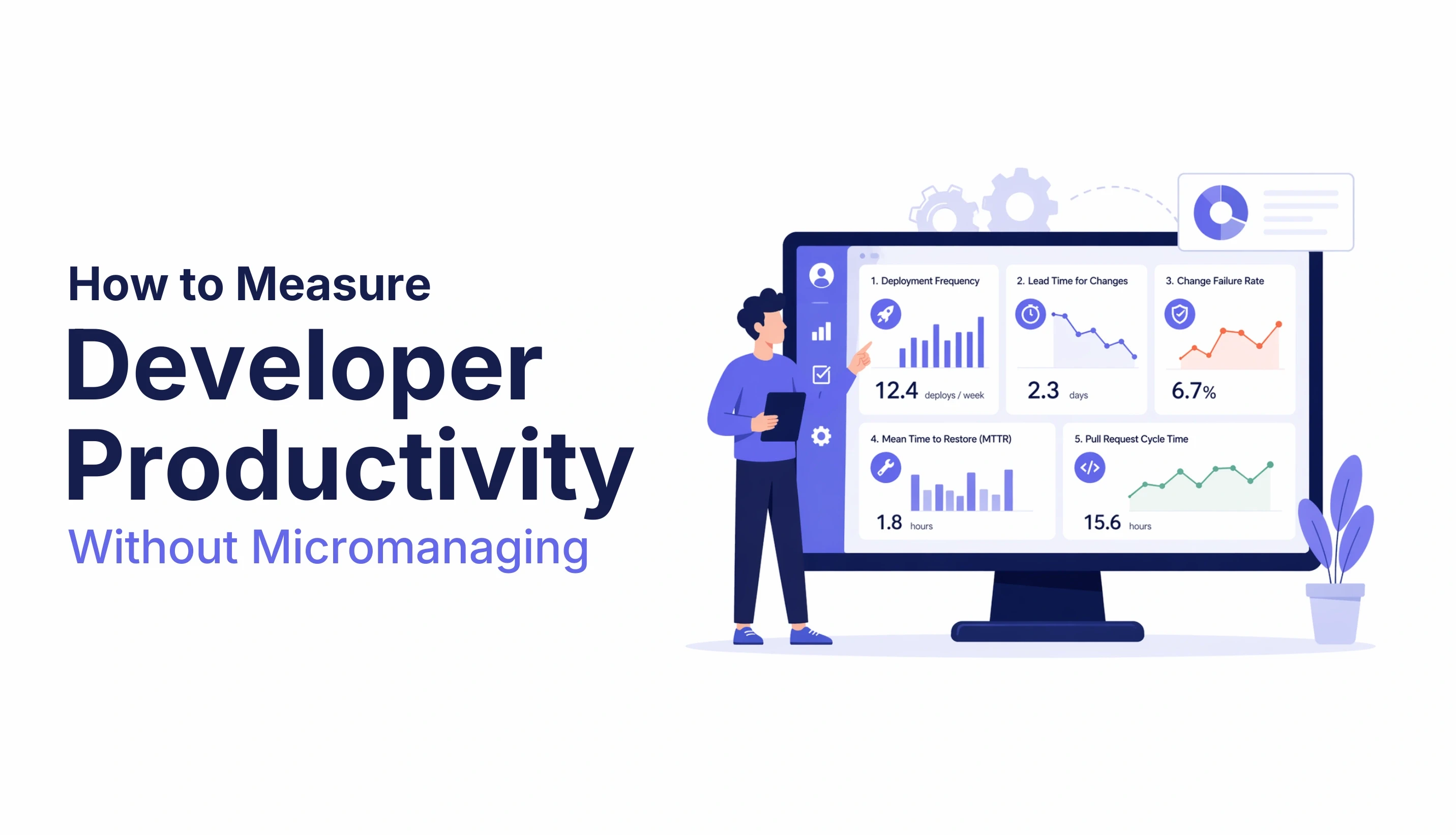
Most developer productivity metrics measure the wrong things. Lines of code is meaningless. Tickets closed rewards ticket inflation. Here are the 5 KPIs that measure what actually matters.
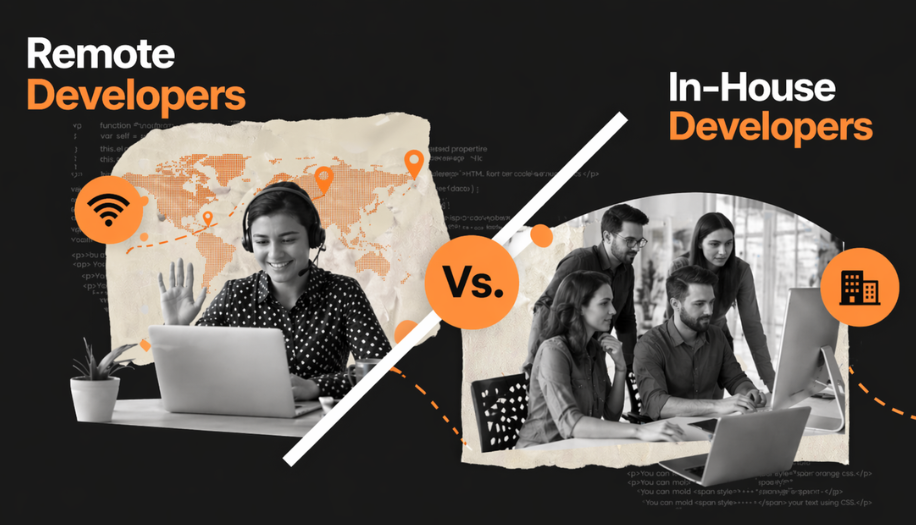
This article helps CEOs compare remote and in-house developers in 2026 by breaking down costs, performance, culture, risk, and scalability.
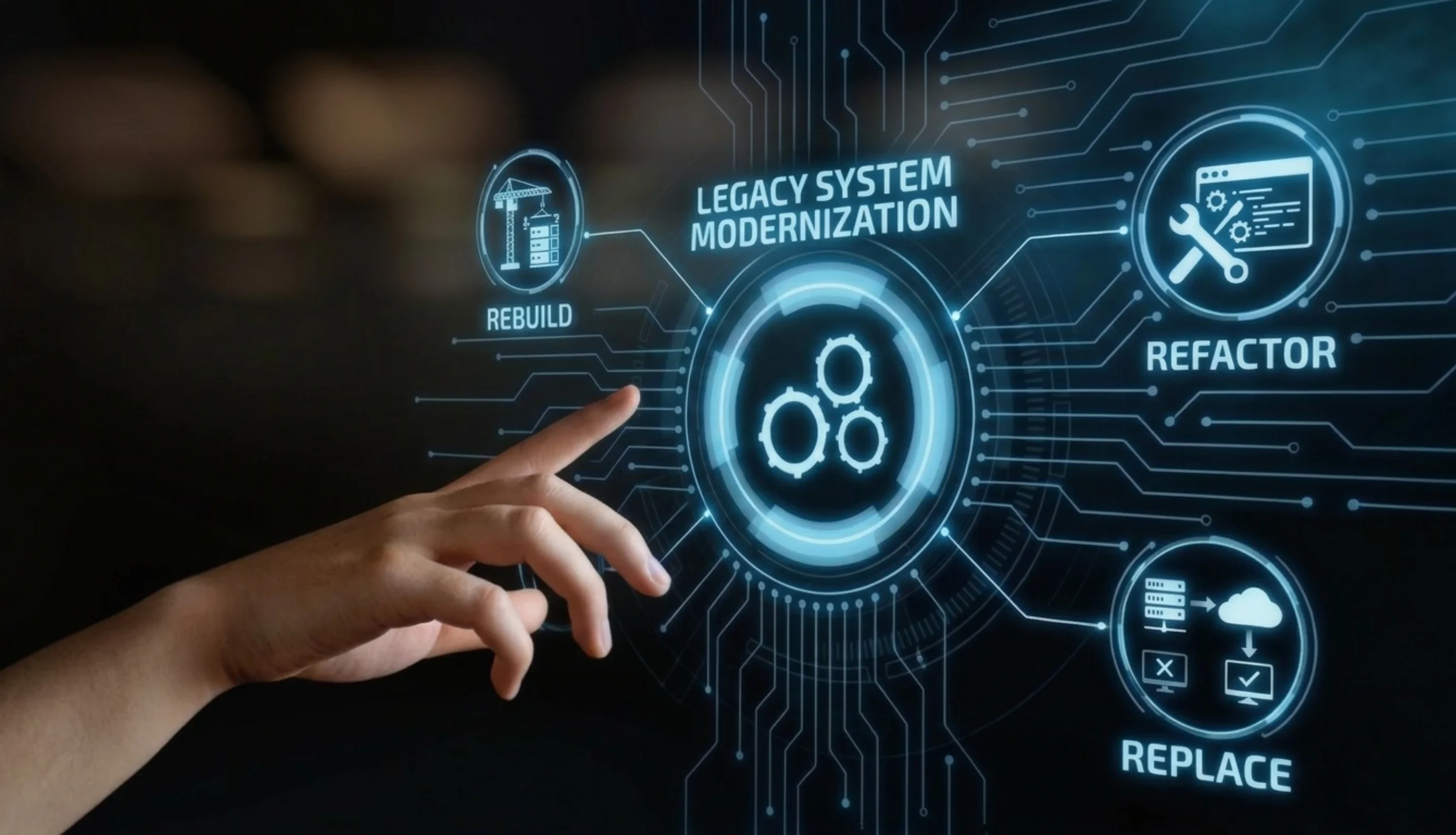
Every legacy modernization conversation starts the same way: should we rebuild from scratch, refactor what we have, or replace it with something off-the-shelf? Here is the decision framework that makes that choice concrete.
This article will provide a definitive comparison focusing on three critical areas freelancers often fail at for long-duration projects: Team Stability (Turnover Risk), Knowledge Retention (Bus Factor), and Cultural Integration (Alignment with Core Goals). It positions staff augmentation not just as a temporary fix but as a strategic partnership for sustained growth.
NativePHP AIR lets Laravel developers build native iOS and Android apps from a single PHP codebase, enabling teams to build offline-first, cross-platform mobile apps.
Outsourcing Laravel development projects is easy when you follow a clear process. See how Acquaint Softtech’s structured outsourcing model ensures fast, secure, and predictable delivery.



.webp "Why Staff Augmentation Beats Freelancers for Long-Term Projects")
.webp "Building Cross-Platform Mobile Apps with Laravel and NativePHP AIR")