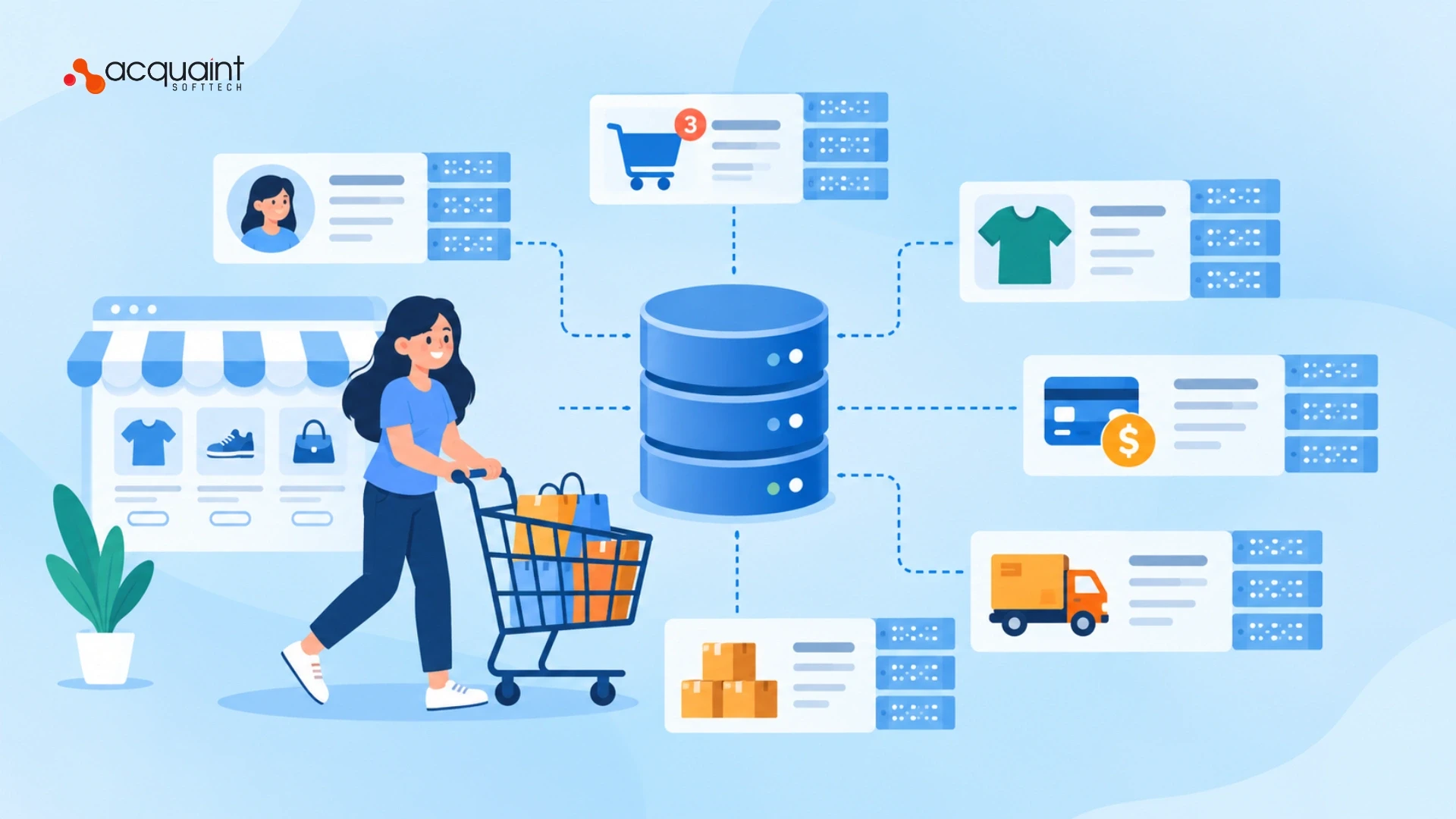
A scalable e-commerce database separates product, variant, and inventory data. Products store shared details, variants/SKUs define sellable combinations like Red/Size M, and separate inventory tables manage stock across warehouses. This structure supports fast filtering, flexible attributes, and multi-warehouse inventory management.

Multi-vendor marketplace development is the process of building an online platform where independent sellers list and manage their own products or services while a central administrator handles the infrastructure, transactions, and overall user experience.

Acquaint Softtech is an e-commerce development company with 13+ years of experience and 1,300+ projects delivered. It builds custom stores and marketplaces using Laravel, MERN, and React Native for global businesses.

The future of e-commerce is driven by AI, AR, live shopping, and headless commerce for faster, personalized buying experiences. The US e-commerce market is projected to grow from $1.25 trillion in 2025 to $2.08 trillion by 2030.

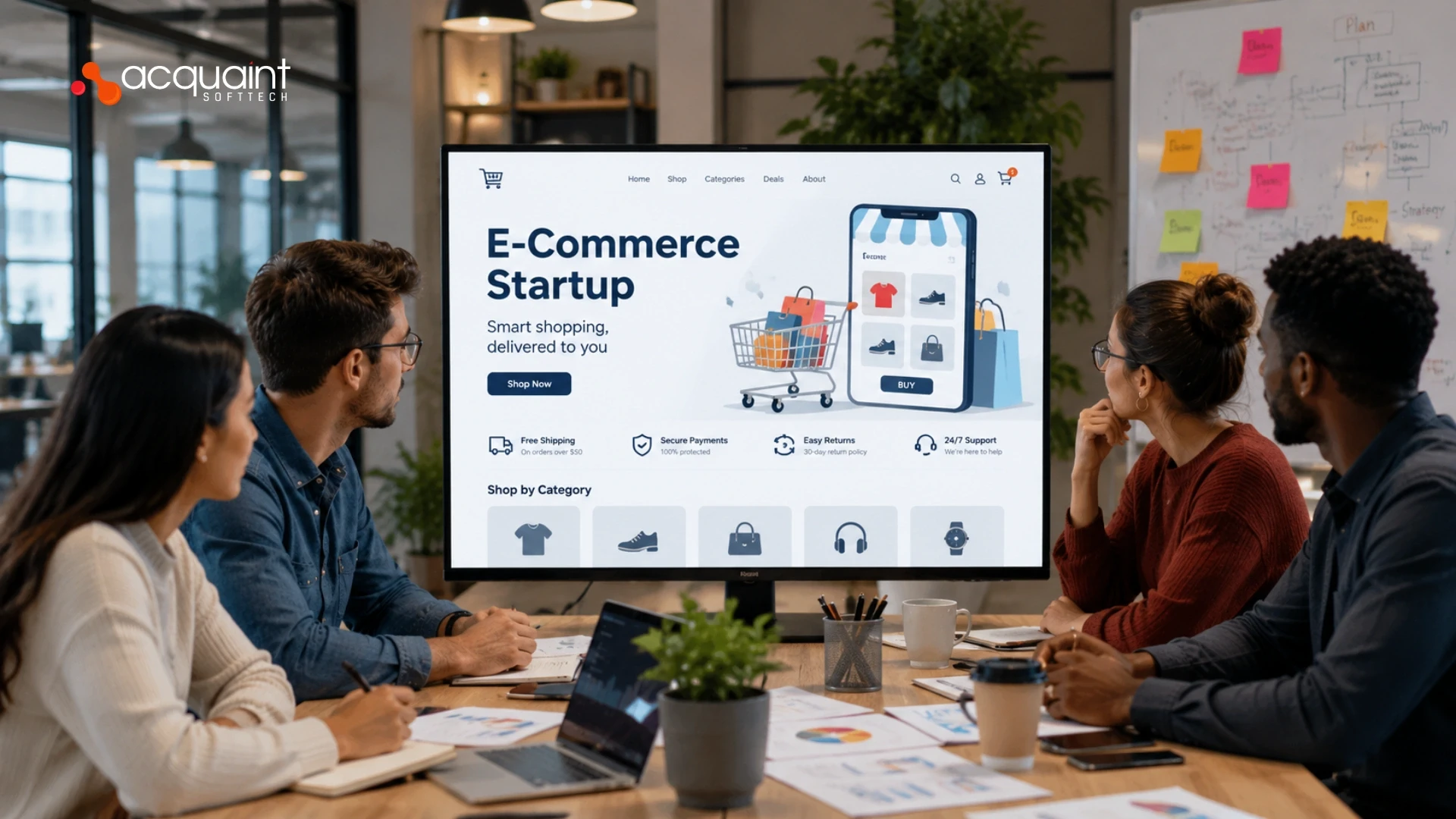
Building an e-commerce startup means validating the idea before writing code, launching a focused MVP with only the core features, then scaling based on real customer data. The proven path is: validate with 50-plus potential buyers, build an MVP in under 90 days, and iterate from feedback. Startups that launch an MVP in under 90 days see roughly 3 times higher survival rates, and building an MVP first can cut the failure rate in half.

E-commerce operations technology automates order management, inventory, fulfillment, shipping, and returns. AI-powered automation improves fulfillment speed, reduces errors, and lowers operating costs.
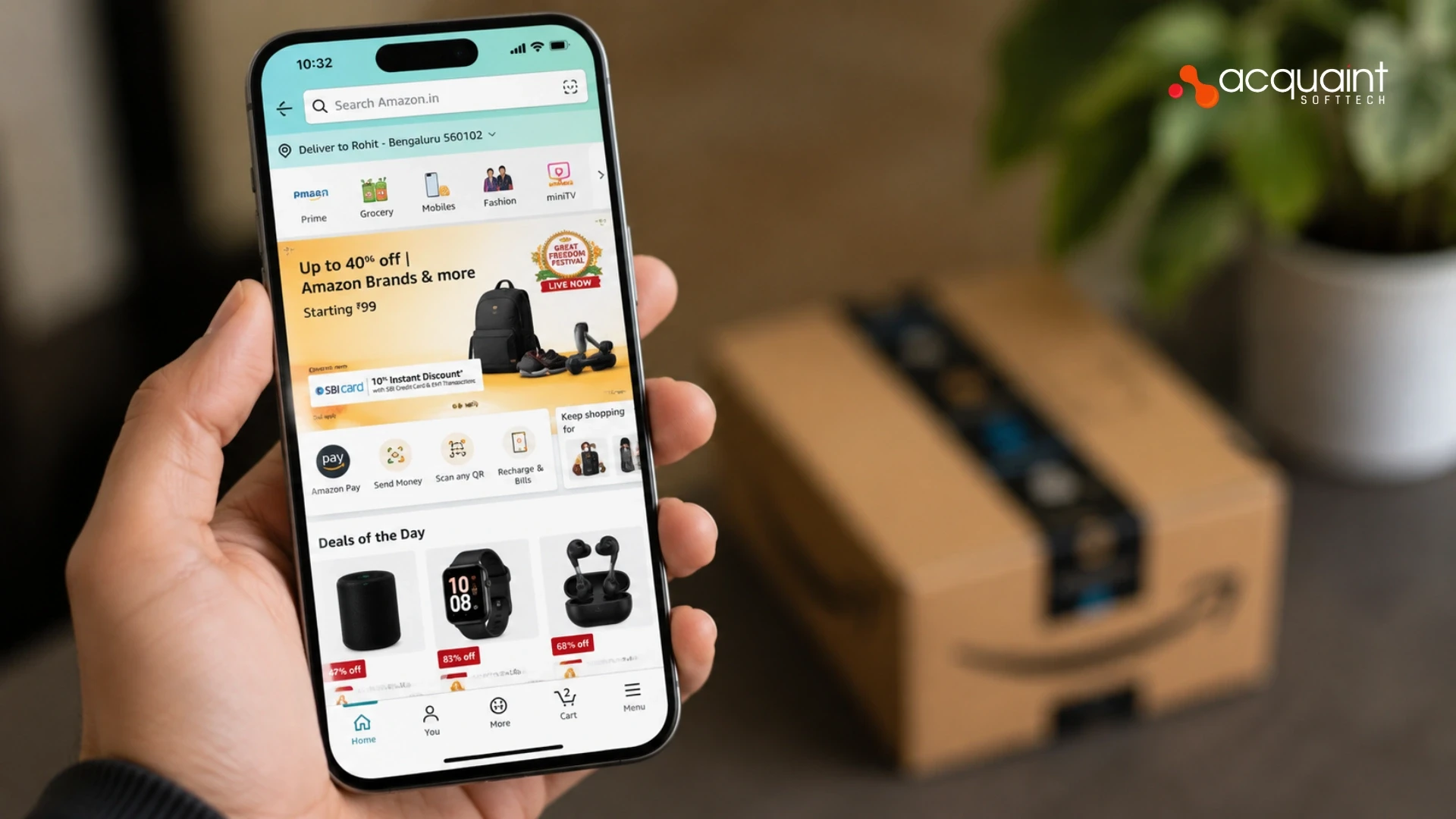
Mobile commerce development is the practice of building shopping experiences for mobile devices through native apps, cross-platform React Native apps, or Progressive Web Apps. Native apps offer the highest performance and retention, React Native delivers both platforms from one codebase at 40 to 60 percent lower cost, and PWAs give app-like speed in the browser with zero install friction.
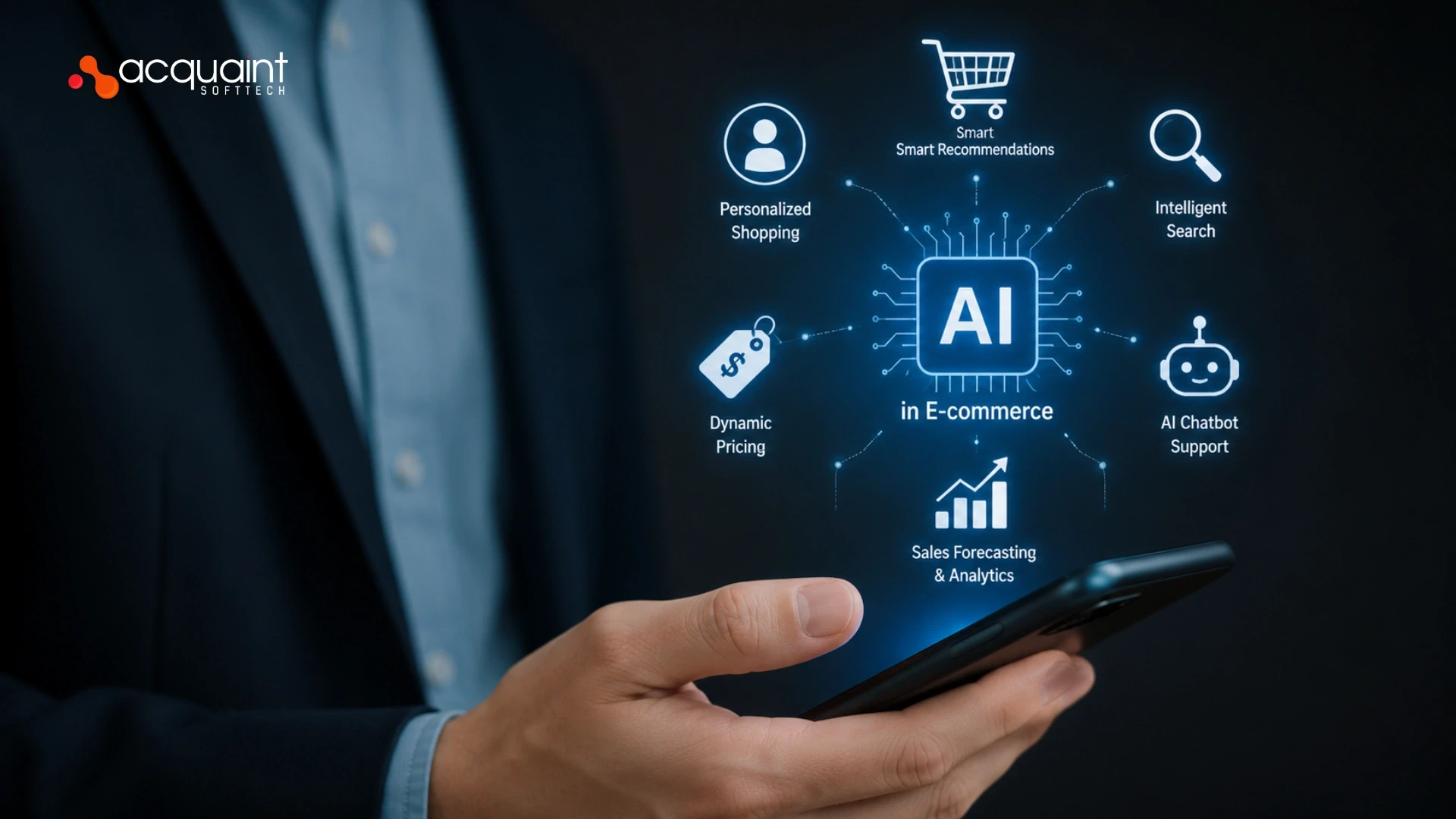
AI in e-commerce uses machine learning to personalize the shopping experience, predict what each customer wants, and surface the right products at the right moment. The three core applications are personalization engines that adapt the storefront per user, recommendation systems that suggest relevant products, and intelligent search that understands intent. Done well, AI personalization drives revenue lifts of 10 to 40 percent.
Building an online marketplace means creating a platform where many independent vendors sell to many buyers, while the operator owns the infrastructure and earns from each transaction.