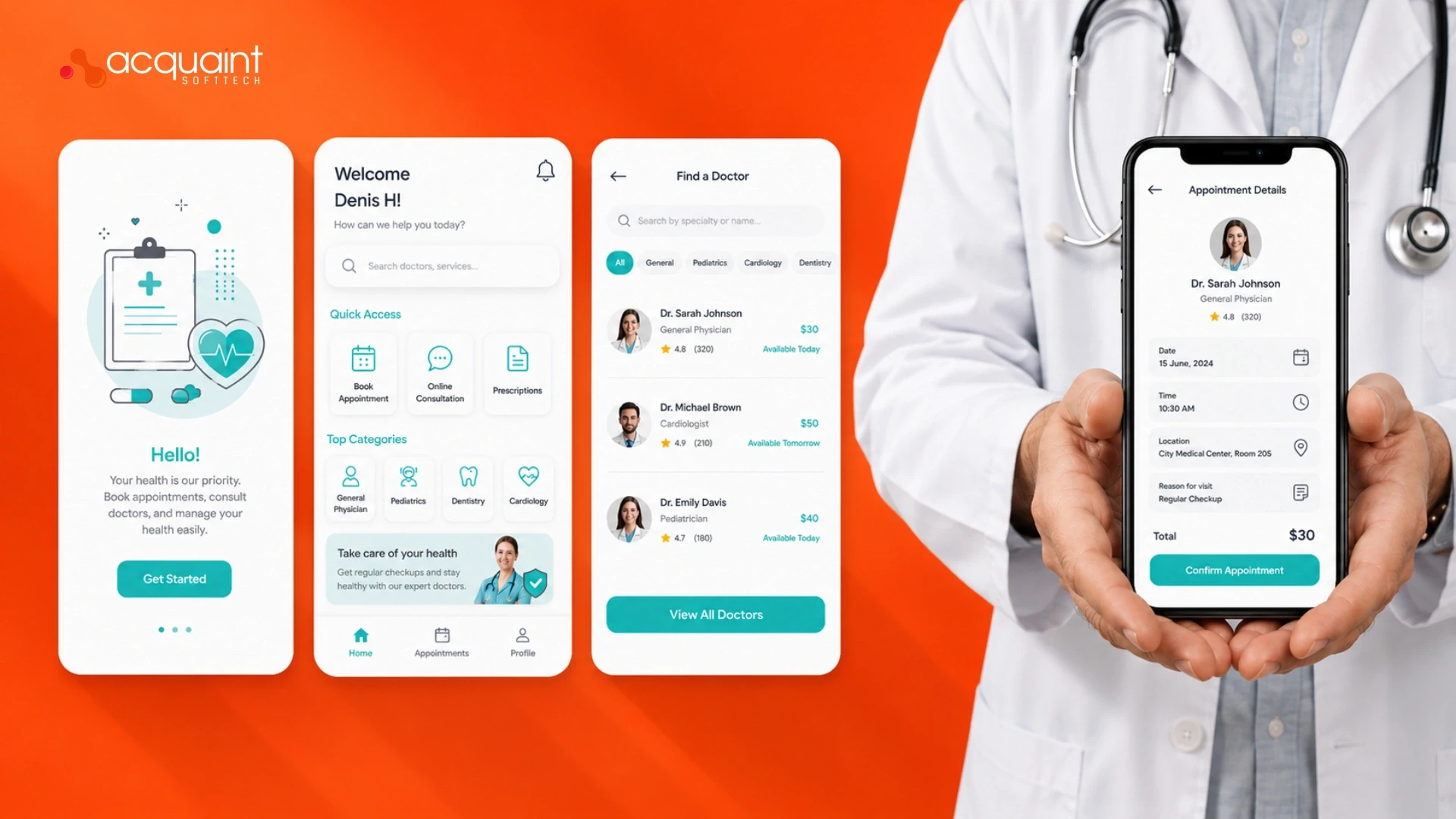
An on-demand healthcare app lets patients consult doctors, order medicines, and book home sample collection from a phone. It works by connecting patients, doctors, pharmacies, and labs through secure video consultation, e-prescriptions, prescription-validated medicine delivery, and phlebotomist dispatch, all built on a compliant, encrypted health-records backbone.

A university management system is software that runs the full student lifecycle and campus operations for a higher education institution, from admissions and registration through grading, finance, and graduation, on one connected platform.
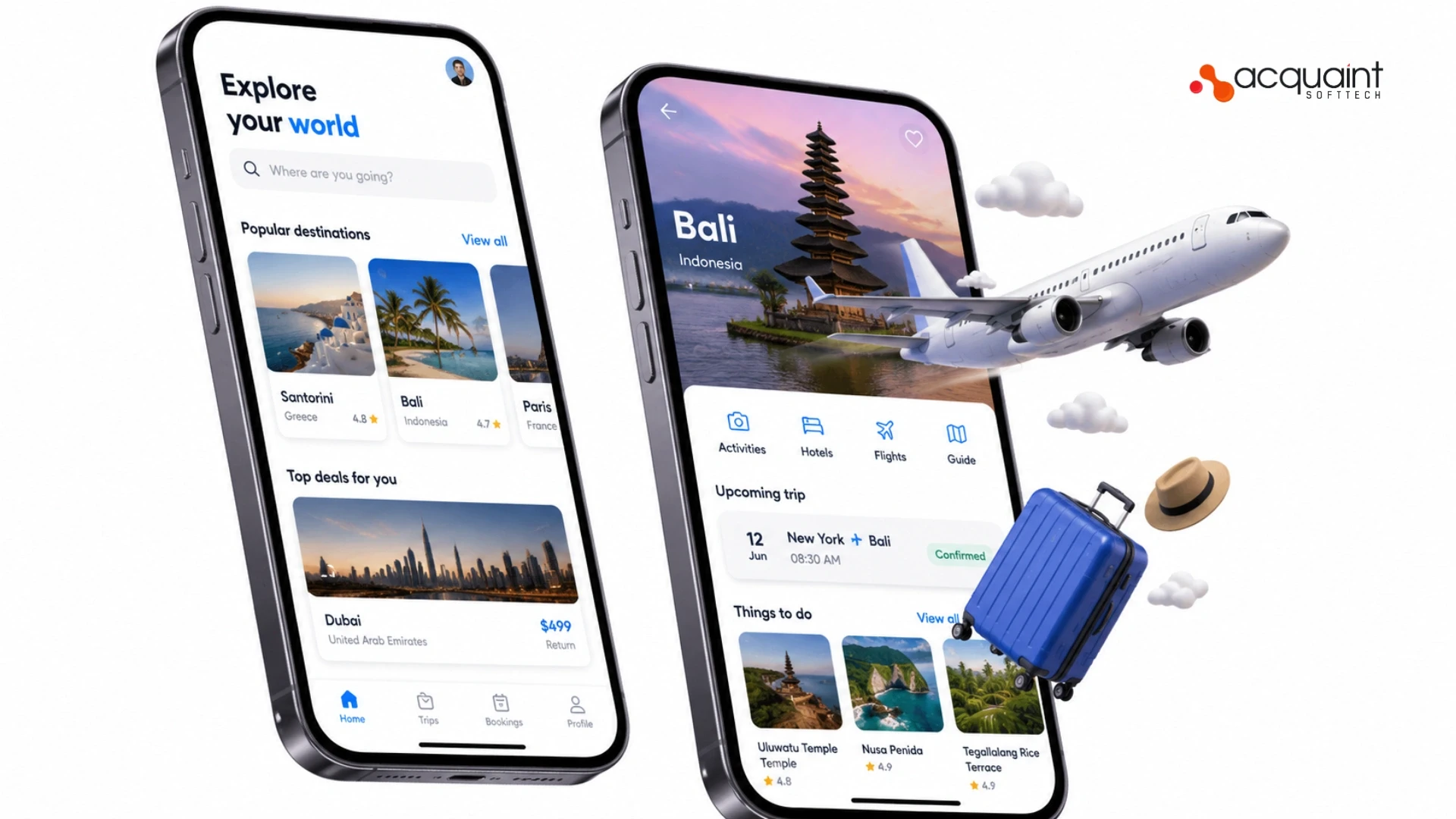
Travel app development is the process of building a mobile-first application that lets travellers search, book, plan, and navigate trips from their phone. A strong travel app rests on four pillars: a frictionless booking flow, a live itinerary that organises the trip, offline-first navigation that works without signal, and smart notifications. Cross-platform frameworks like React Native cut build cost by 30 to 40% versus separate native apps.
AI in e-commerce uses machine learning to personalize the shopping experience, predict what each customer wants, and surface the right products at the right moment. The three core applications are personalization engines that adapt the storefront per user, recommendation systems that suggest relevant products, and intelligent search that understands intent. Done well, AI personalization drives revenue lifts of 10 to 40 percent.
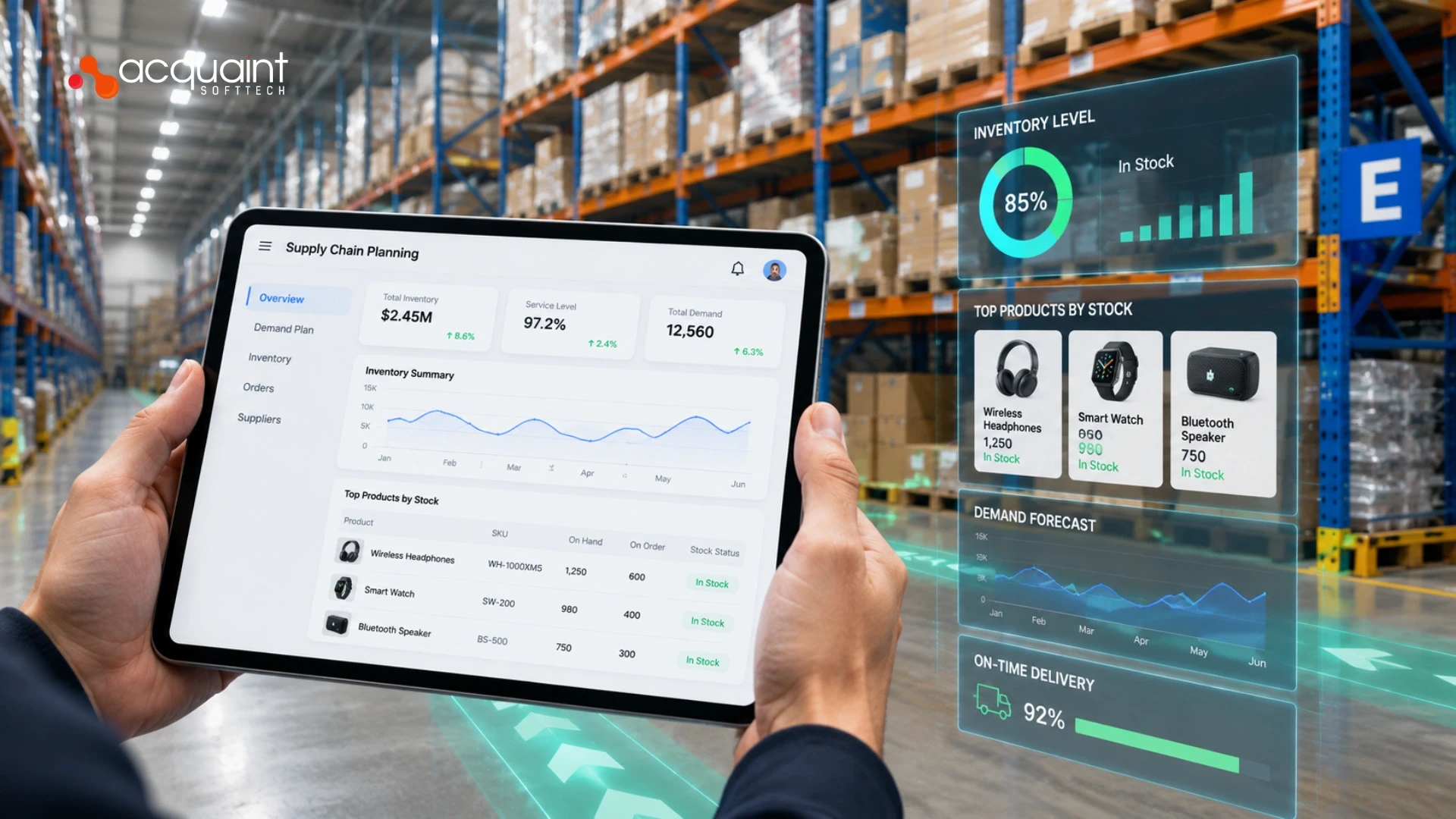
Supply chain planning software aligns what a business expects to sell with what it can supply, across one connected plan. It works through three linked layers: sales and operations planning (S&OP), which brings sales, finance, and operations to one agreed forecast; demand planning, which predicts future order volume per product; and inventory optimization, which sets the right stock at the right location to hit service targets at the lowest cost.
To build a cryptocurrency exchange, you assemble five core systems: an order book that records buy and sell orders, a matching engine that pairs them using price-time priority in sub-millisecond time, a hot and cold wallet layer that keeps 90 to 95% of assets in offline cold storage, a liquidity layer connected to external providers, and a KYC, AML, and compliance layer. In 2026, a custom exchange MVP costs roughly $50,000 to $250,000 and takes 4 to 9 months, while white-label launches in weeks.