
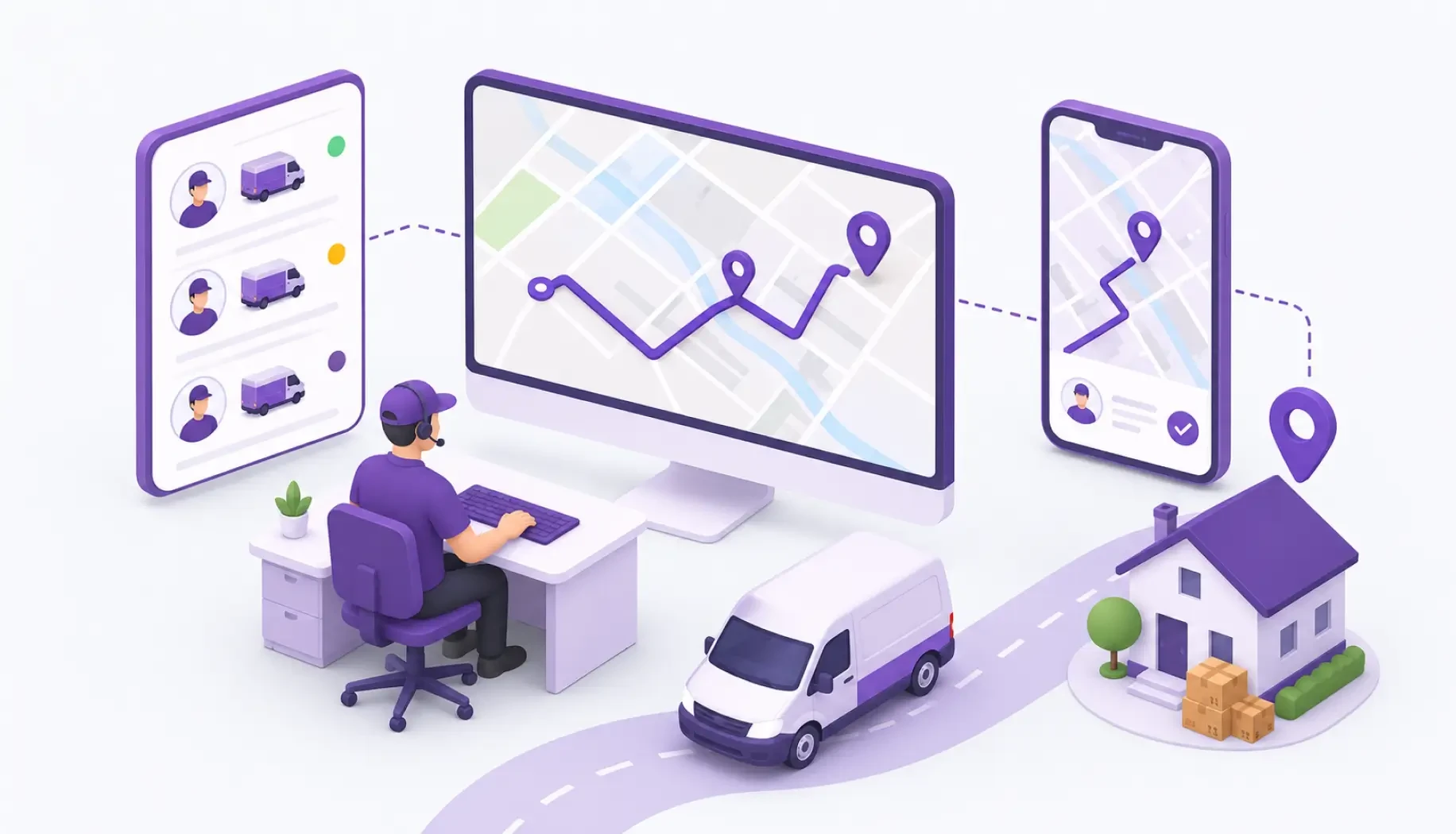
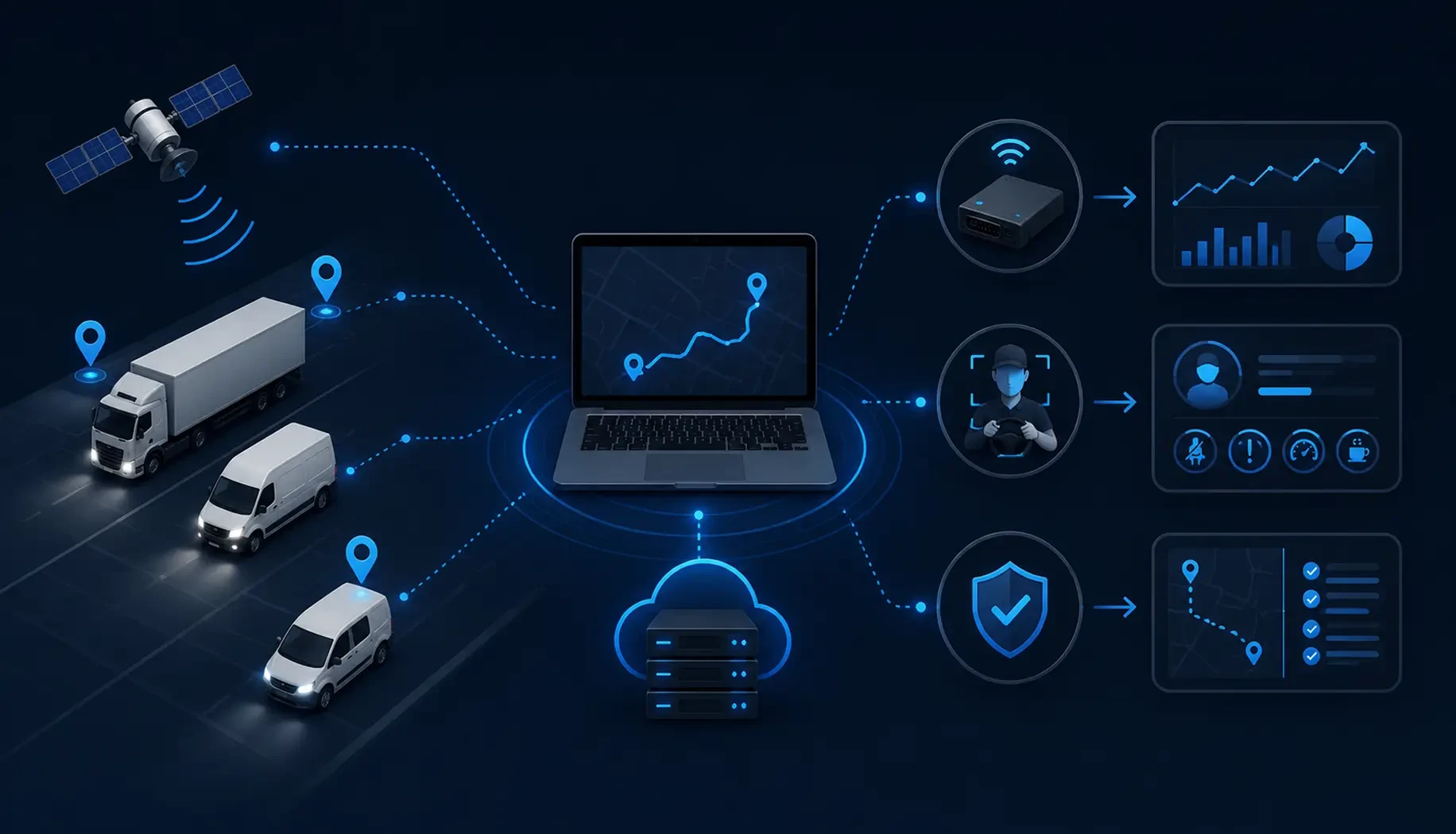
Last-mile delivery software is a platform that manages the final leg of the delivery journey from a dispatch hub to the customer's door. It covers four interconnected systems: automated dispatch that assigns orders to the right driver, route optimization that sequences stops for minimum fuel and time, real-time GPS tracking that surfaces live delivery status to dispatchers and customers, and automated notifications that send ETAs, delays, and delivery confirmations across SMS, email, and push.

SaaS onboarding drop-off happens when users sign up but fail to reach their first moment of value before losing interest. The most effective way to reduce it is progressive disclosure: revealing features gradually, guiding users to one meaningful action at a time through contextual tooltips, checklists, and interactive product tours.
A home services app is a three-sided marketplace that connects customers with vetted local professionals for cleaning, plumbing, beauty, and repairs in real time. Building one requires a customer booking app, a provider job-management app, and an admin panel sharing a backend with geofencing, slot scheduling, provider verification, and split payments.
Modern insurance underwriting uses AI and machine learning to evaluate applicant risk, automate accept-or-decline decisions, and continuously monitor policyholder risk after policy binding. Automated systems process 500 to 1,500 data variables in seconds, reduce quote cycle time from days to under three minutes, and achieve 90-99% accuracy on low-complexity risks. Carriers deploying AI underwriting report 3-6 point loss ratio improvements within the first year.
AI-powered guest experience in hospitality is the use of machine learning, natural language processing, and predictive analytics to personalise every guest interaction from booking to checkout.
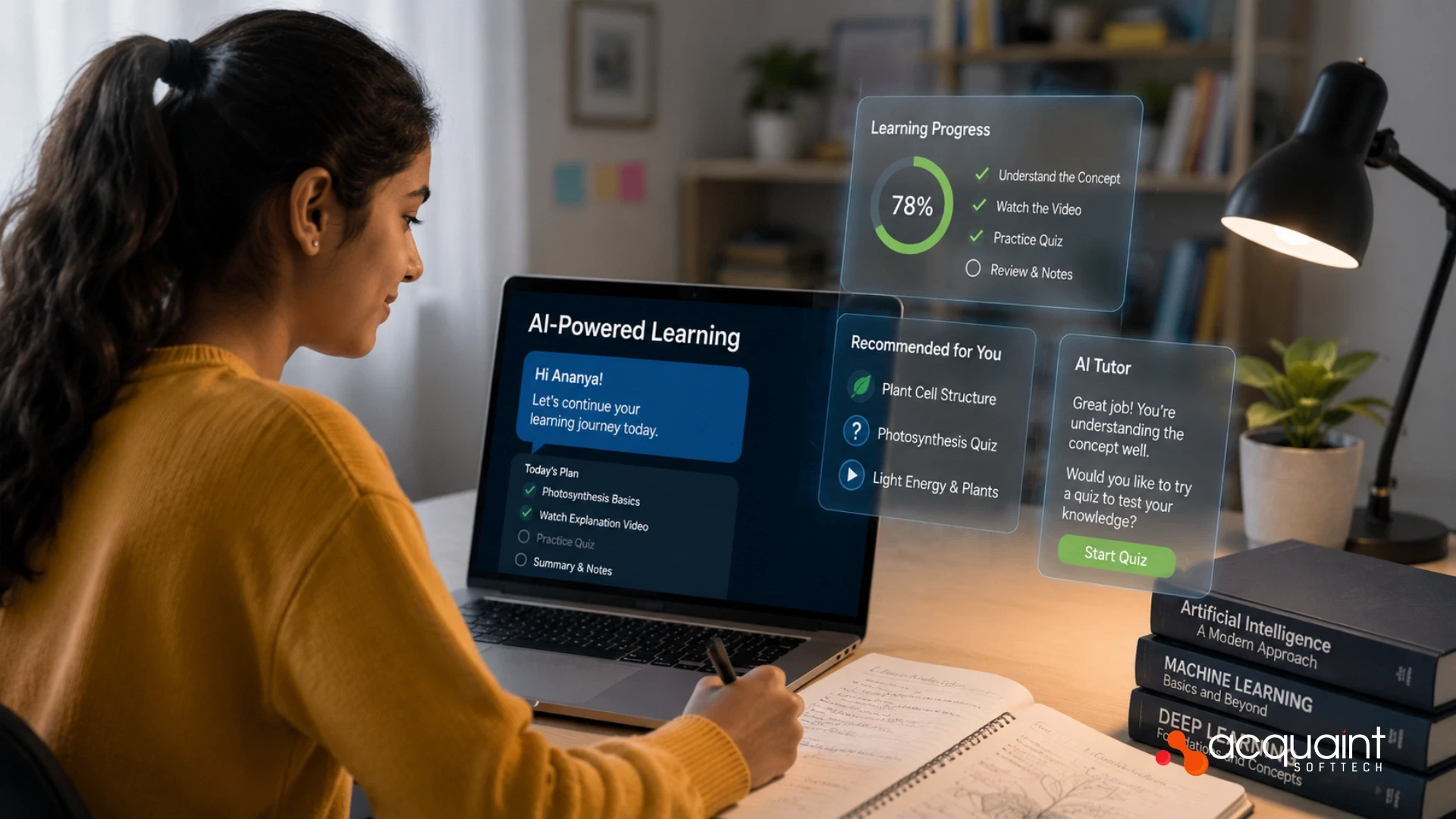
AI-powered learning is the engineering layer that turns a static LMS into a platform that teaches. It combines three systems: an adaptive tutoring engine that tracks individual learner knowledge state in real time, an AI content generation pipeline that produces practice materials from verified curriculum, and an intelligent assessment system that evaluates open-ended responses and calibrates difficulty automatically. Together, these layers personalize education at a scale no human instructor can match.
Most OTA builds fail not on the booking logic but on the integration layer. Here is the complete architecture map, GDS, hotel aggregation, package bundling, payments, and what each module actually costs to build in 2026.
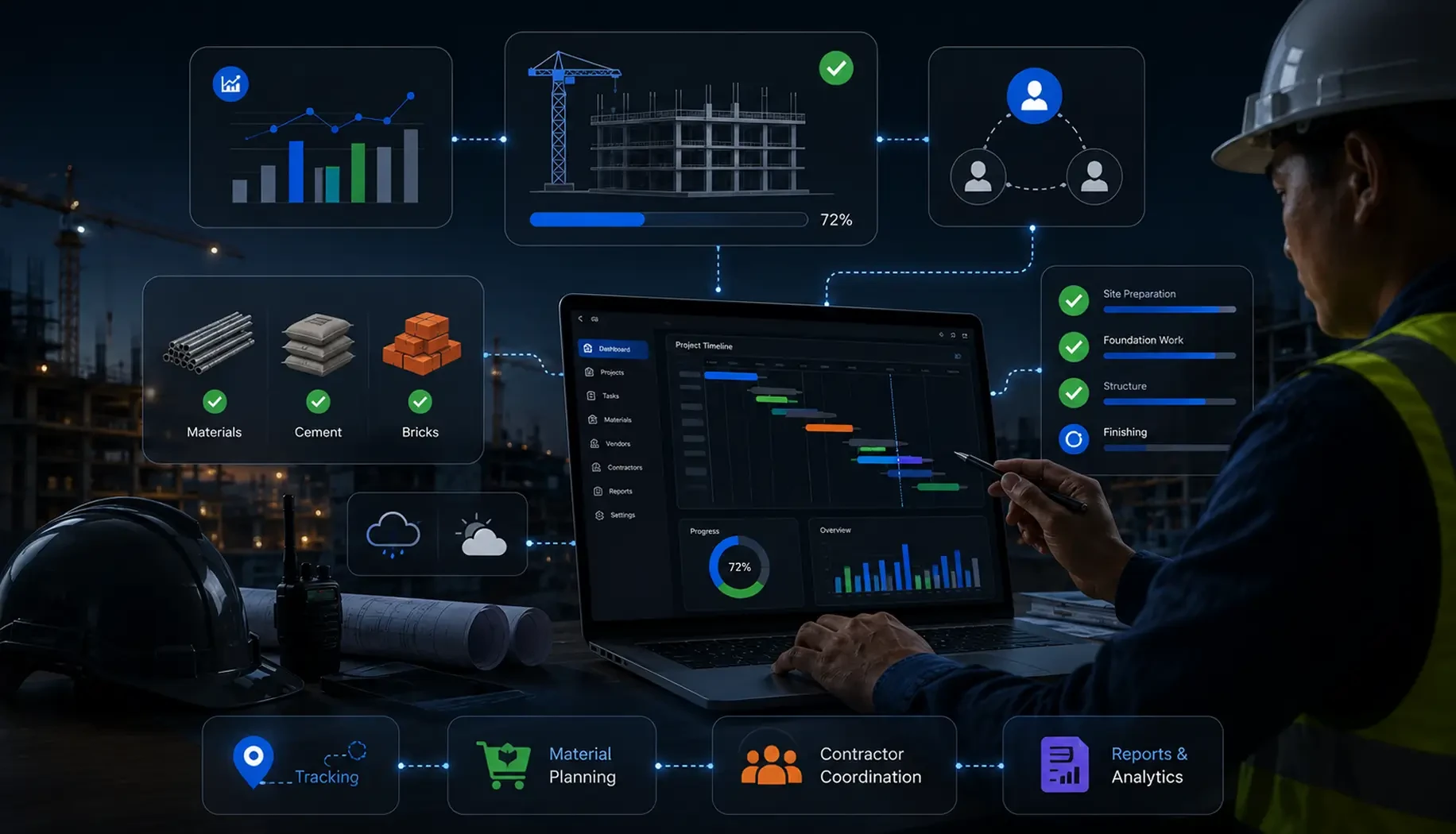
Construction projects often fail due to poor coordination, delayed materials, scheduling conflicts, and unmanaged change orders. Construction management software acts as a real time coordination system connecting the site team, office, suppliers, and subcontractors to keep projects on track.
A Fleet Management System is not a map with moving dots. It is the operational control layer that connects GPS position, engine diagnostics, driver behaviour, maintenance schedules, and compliance records into a single decision surface. Most fleet software projects fail because they build the map first and the data pipeline last.
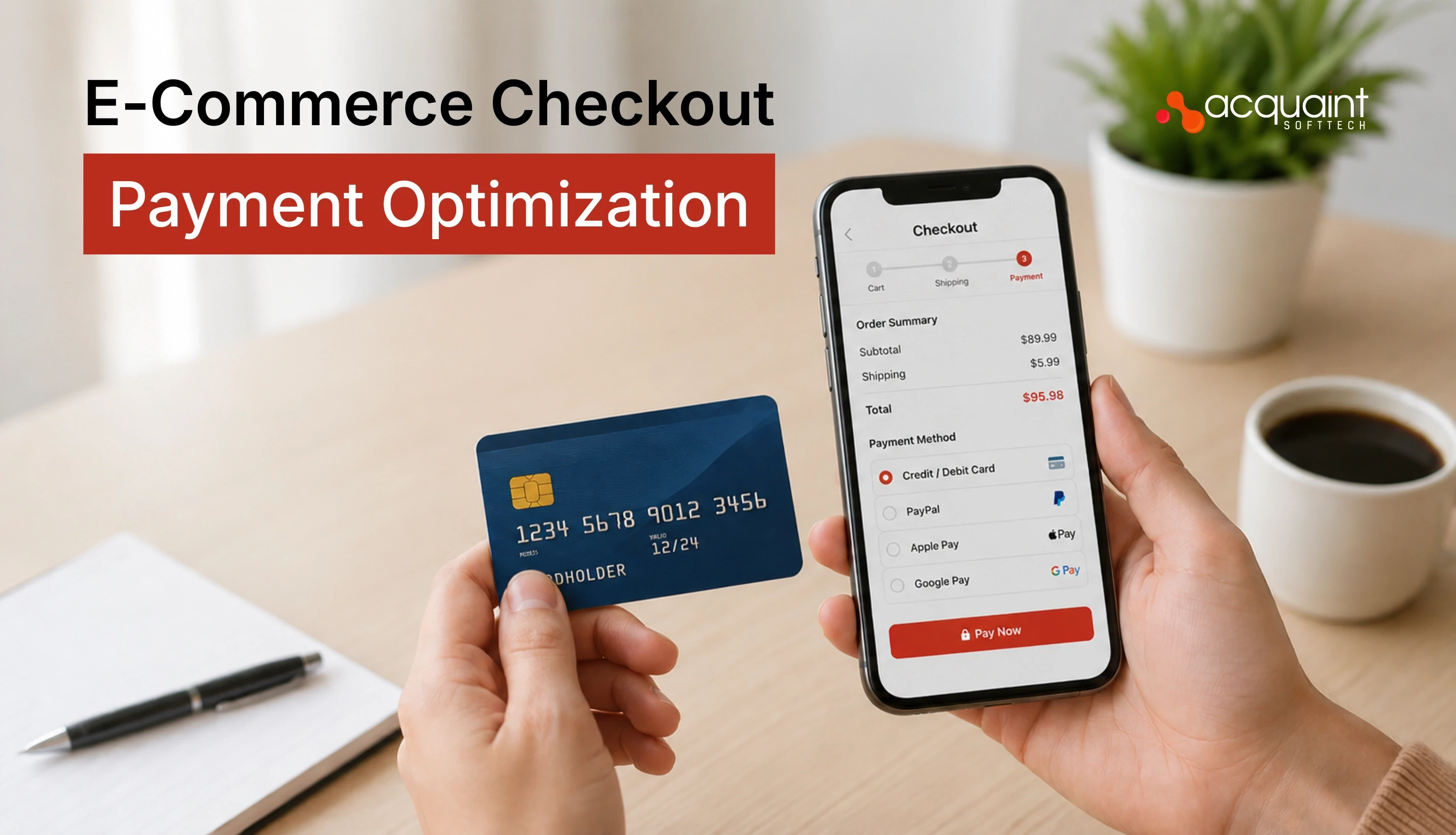
A checkout flow is not a UX project. It is an engineering system where every field, every API call, every gateway response path either recovers revenue or loses it. This article explains what conversion-optimised checkout engineering looks like in code, what it costs to build, and the 7 friction points your current checkout probably has right now.
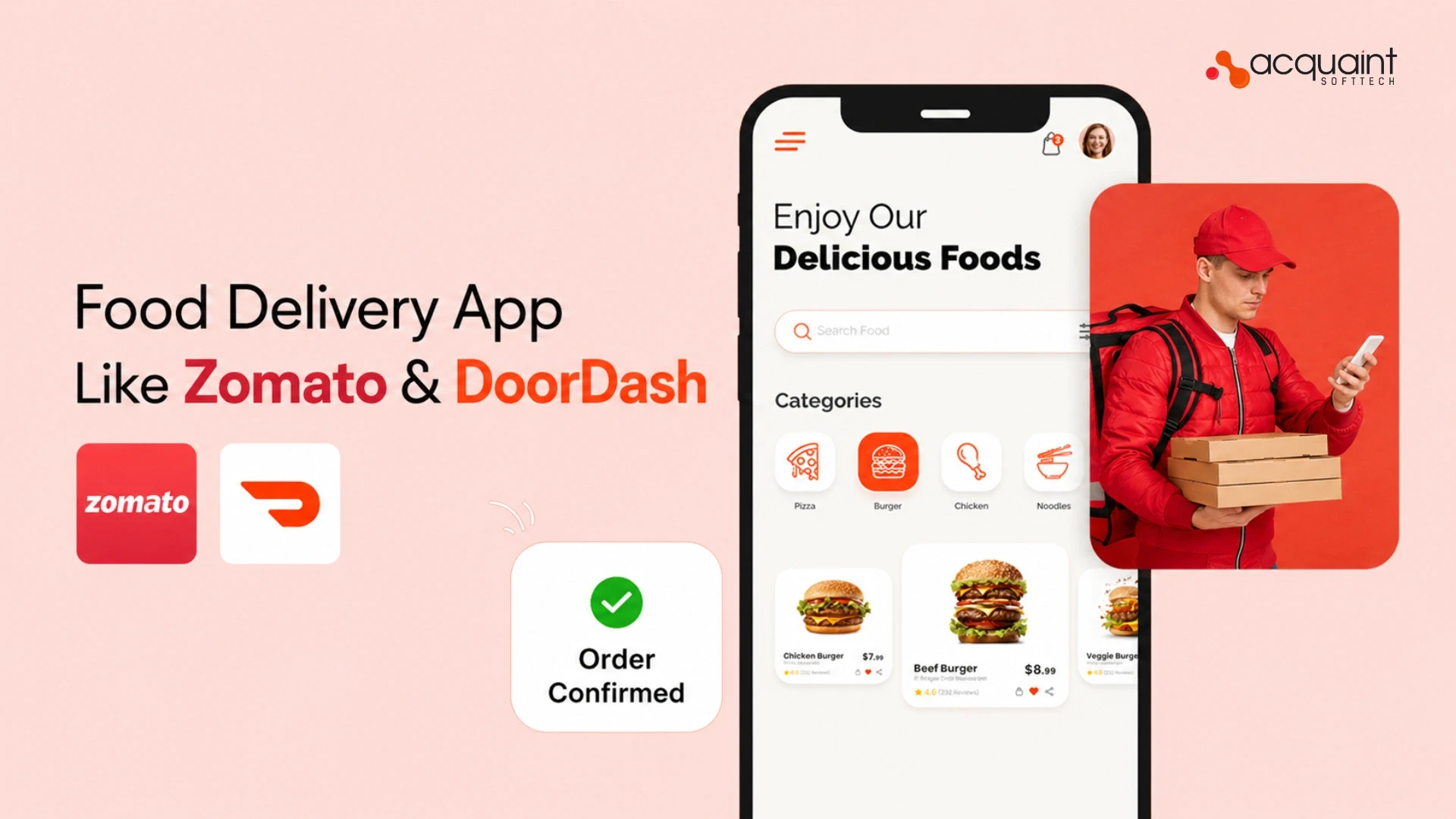
Zomato and DoorDash are not apps. They are data platforms. Every feature you see in the consumer interface is the output of a precisely designed data model, a set of platform entities with defined relationships, and a state machine with explicit transition rules. This guide walks through the data architecture, the platform design decisions, and the six scaling triggers that tell you when the platform needs to grow.
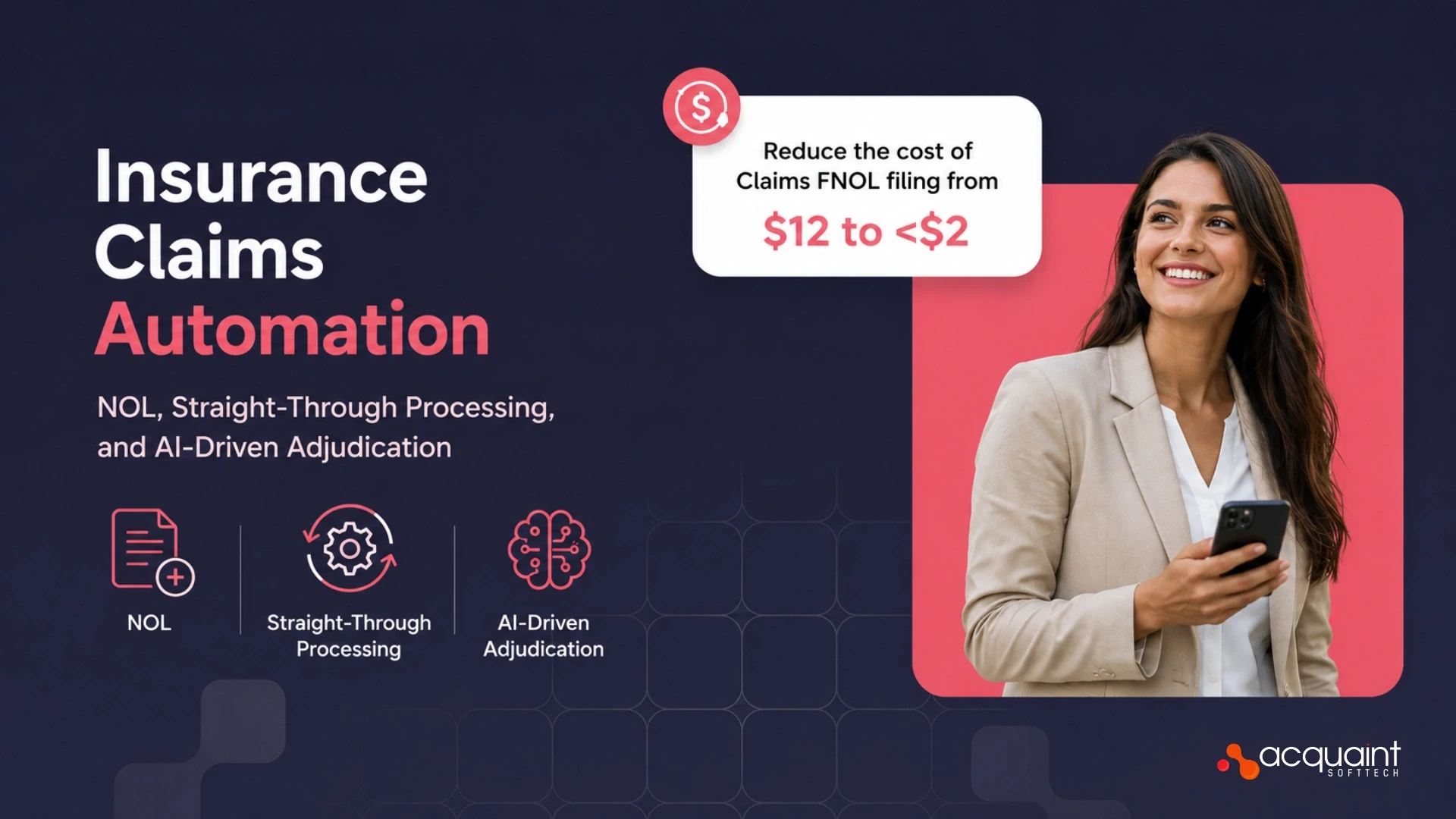
AI-driven claims automation reduces claim processing costs from $15–$22 to $3–$5 and cuts turnaround time from 14 days to under 24 hours. Explore the complete 2026 claims automation architecture, from FNOL intake to AI fraud detection and adjudication.
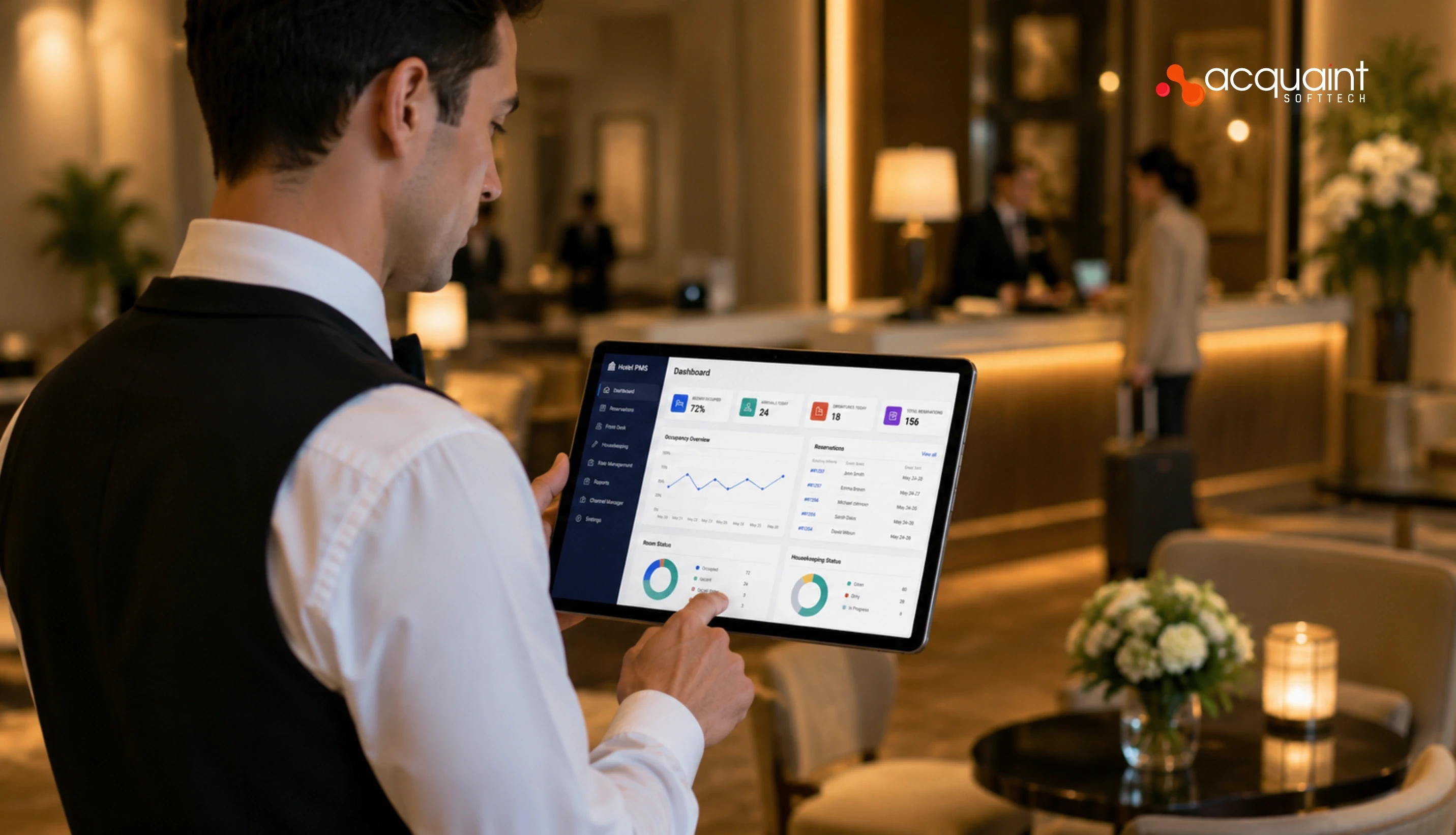
A hotel PMS is not a booking system. It is the operational backbone connecting every department in real time. Here is what it includes, how each module is built, and what it costs in 2026.
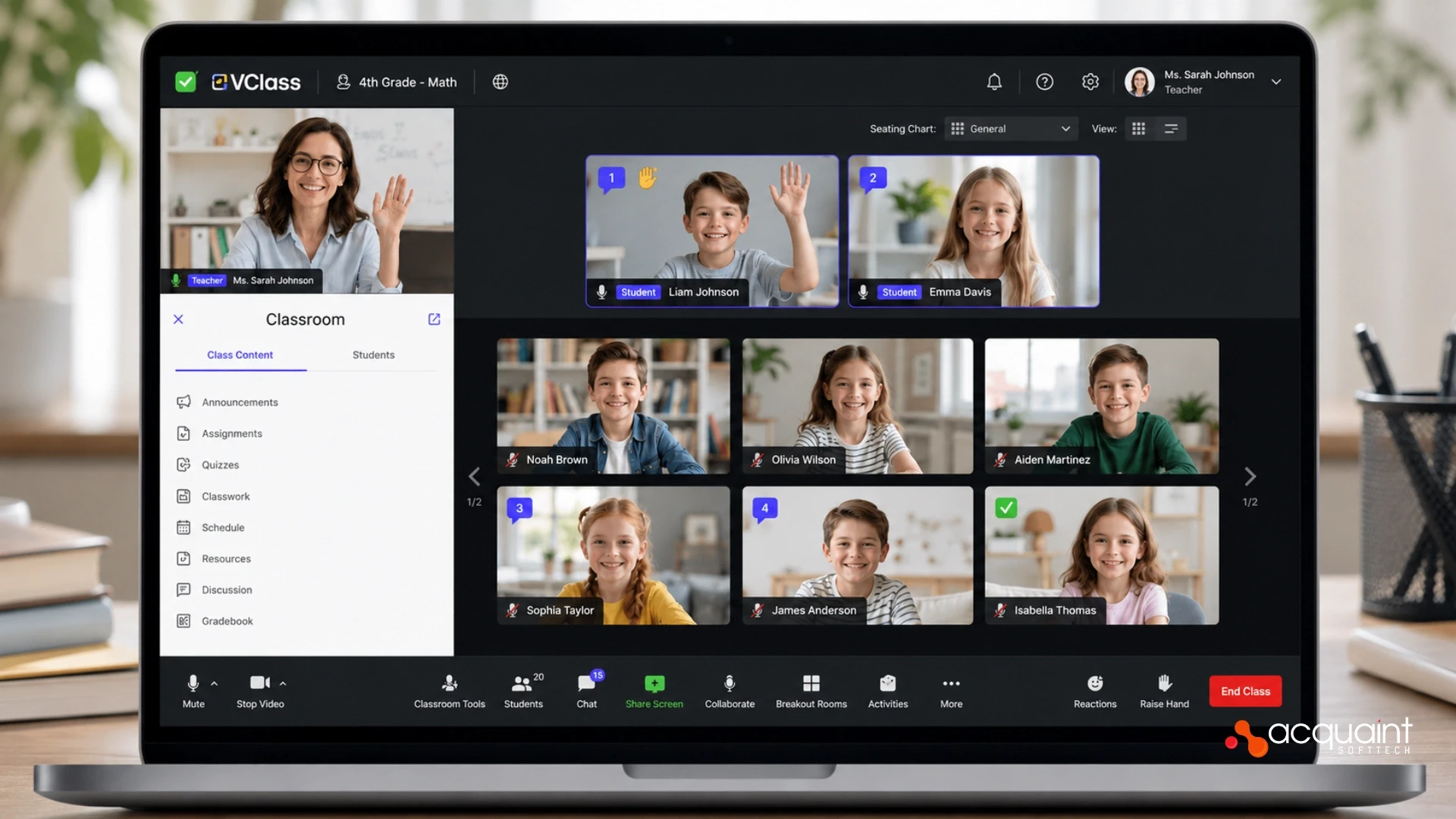
A virtual classroom is not a Zoom call with a class roster. It is a purpose-built live learning environment where video, whiteboard, breakout rooms, session recording, and attendance verification are engineered to work together as a single platform. Teams that build each feature independently spend 8 to 14 months in integration loops. Teams that design the architecture correctly from the start ship in 4 to 6 months. This guide shows you how.
Headless commerce is not a technology upgrade. It is a structural decision that separates the commerce engine from the storefront entirely. Done right, it gives you deployment freedom, channel flexibility, and a performance ceiling that no monolithic SaaS platform can match. Done wrong, it creates distributed systems complexity that your team is not ready for. This article tells you exactly which situation you are in.
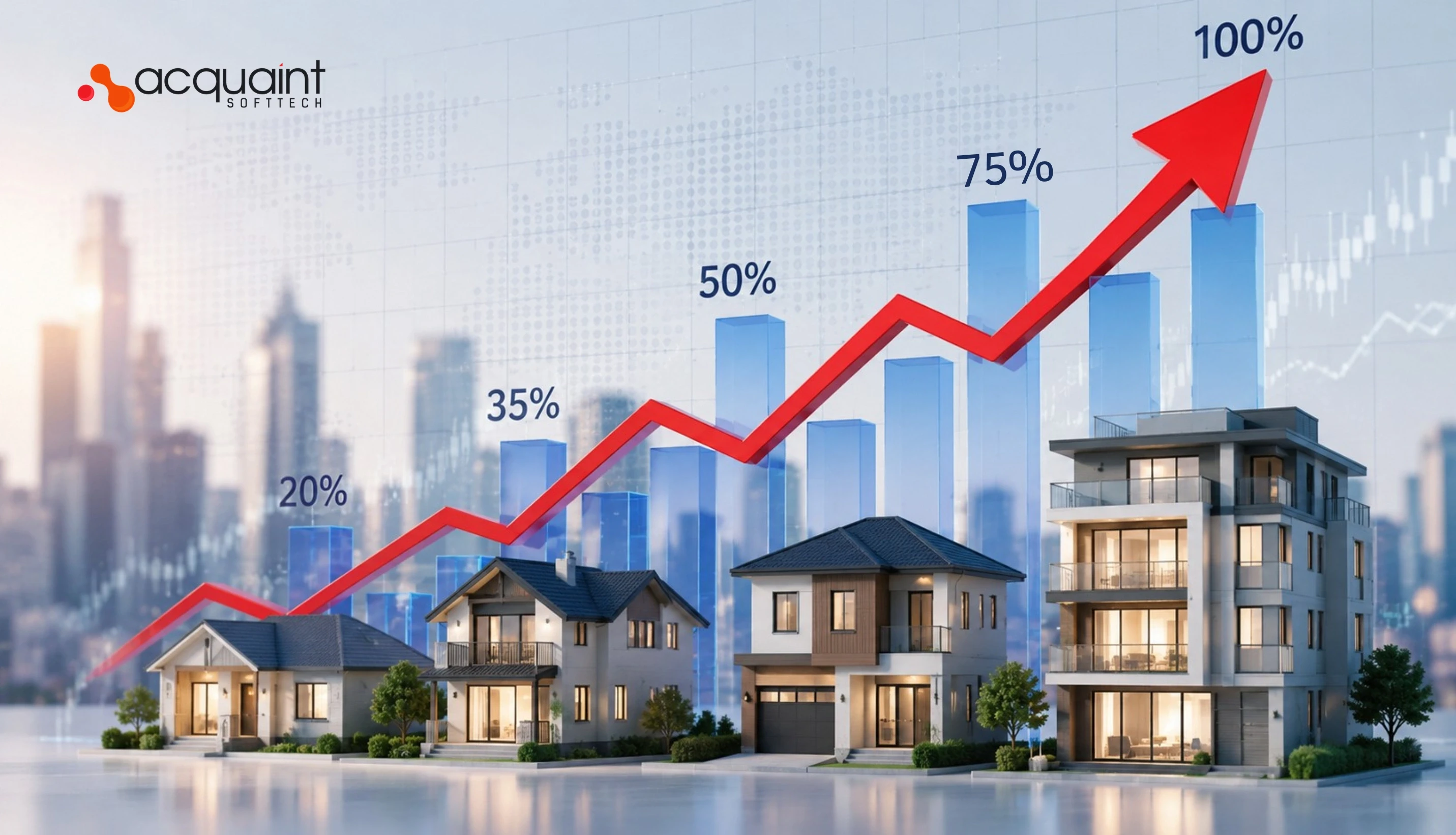
Building a real estate marketplace isn't a listings website; it's a live system where buyers, agents, and data connect in real time. Auto-routing leads, refreshing listings instantly, and giving every agent a full working environment inside the platform. One architecture decision in week one determines whether you scale to 1,000 listings or 1,000,000.
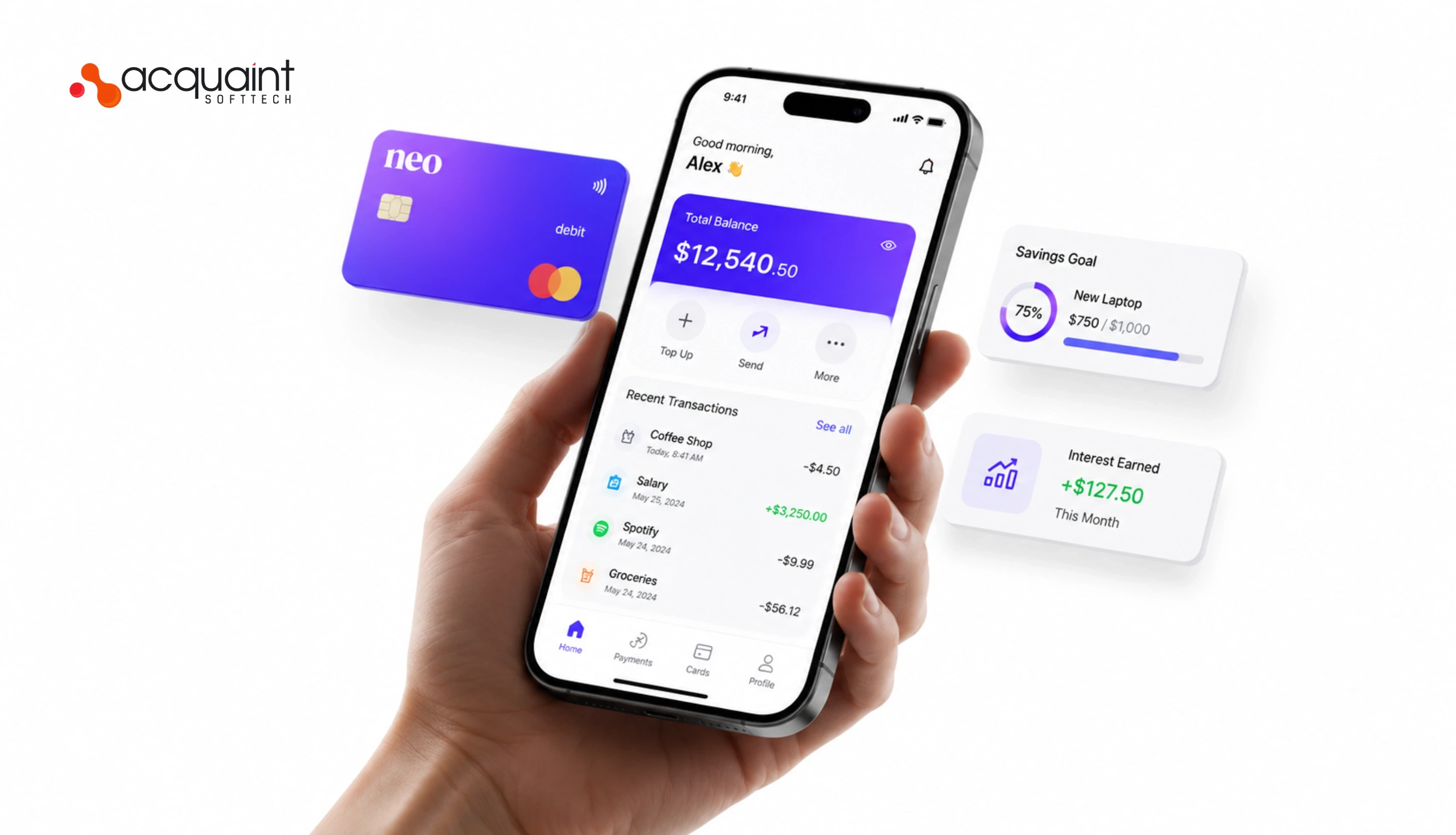
Building a neo-bank in 2026 starts with one decision that determines everything else: BaaS consumer or direct licence. This guide covers both paths, licensing, ledger design, KYC/AML, feature roadmap, tech stack, and real cost data.
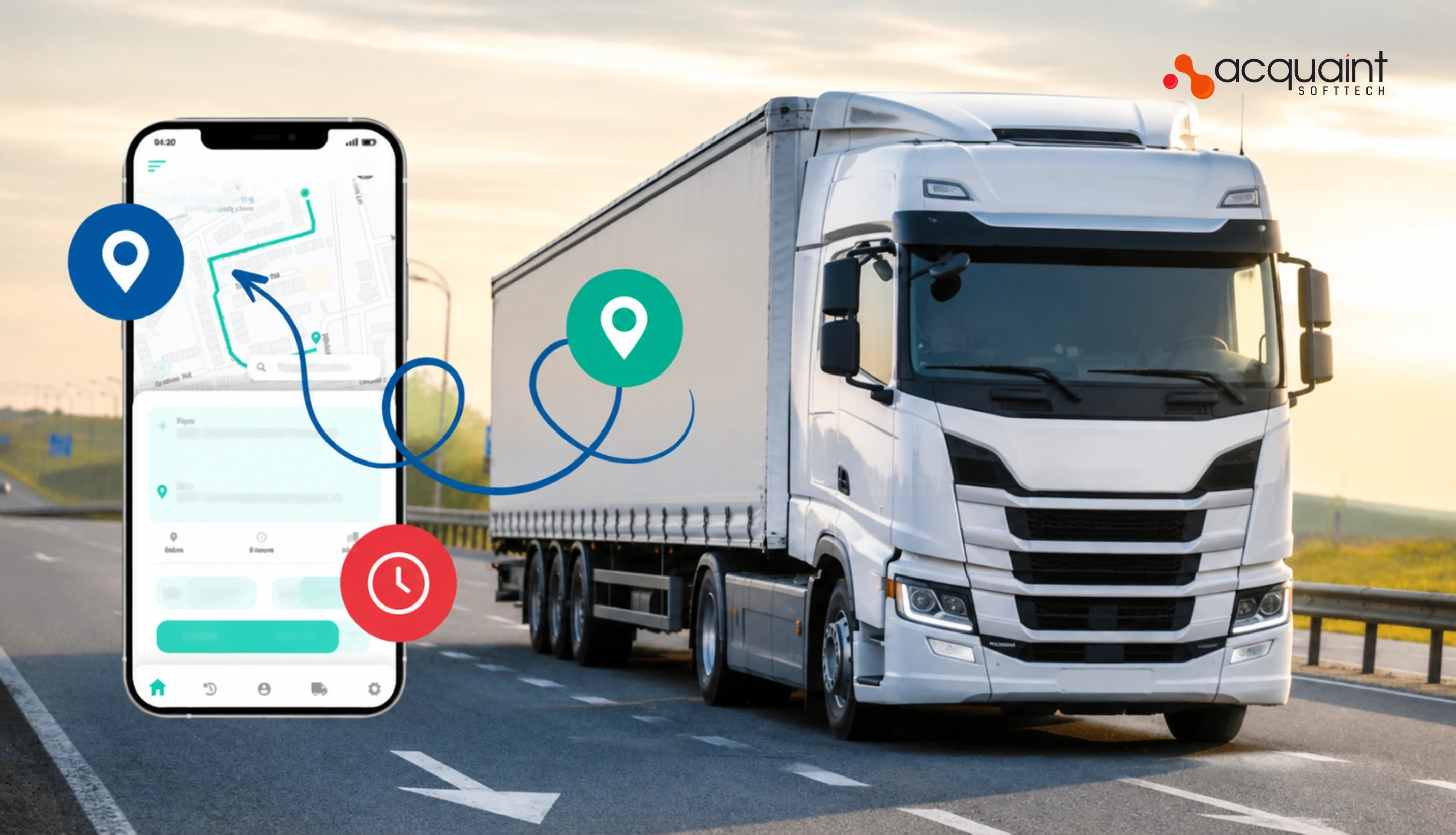
A Transportation Management System is not a tracking map with extra buttons. It is a structured freight operations platform that owns carrier selection, rate negotiation, load planning, dispatch, and proof-of-delivery capture in one governed workflow.
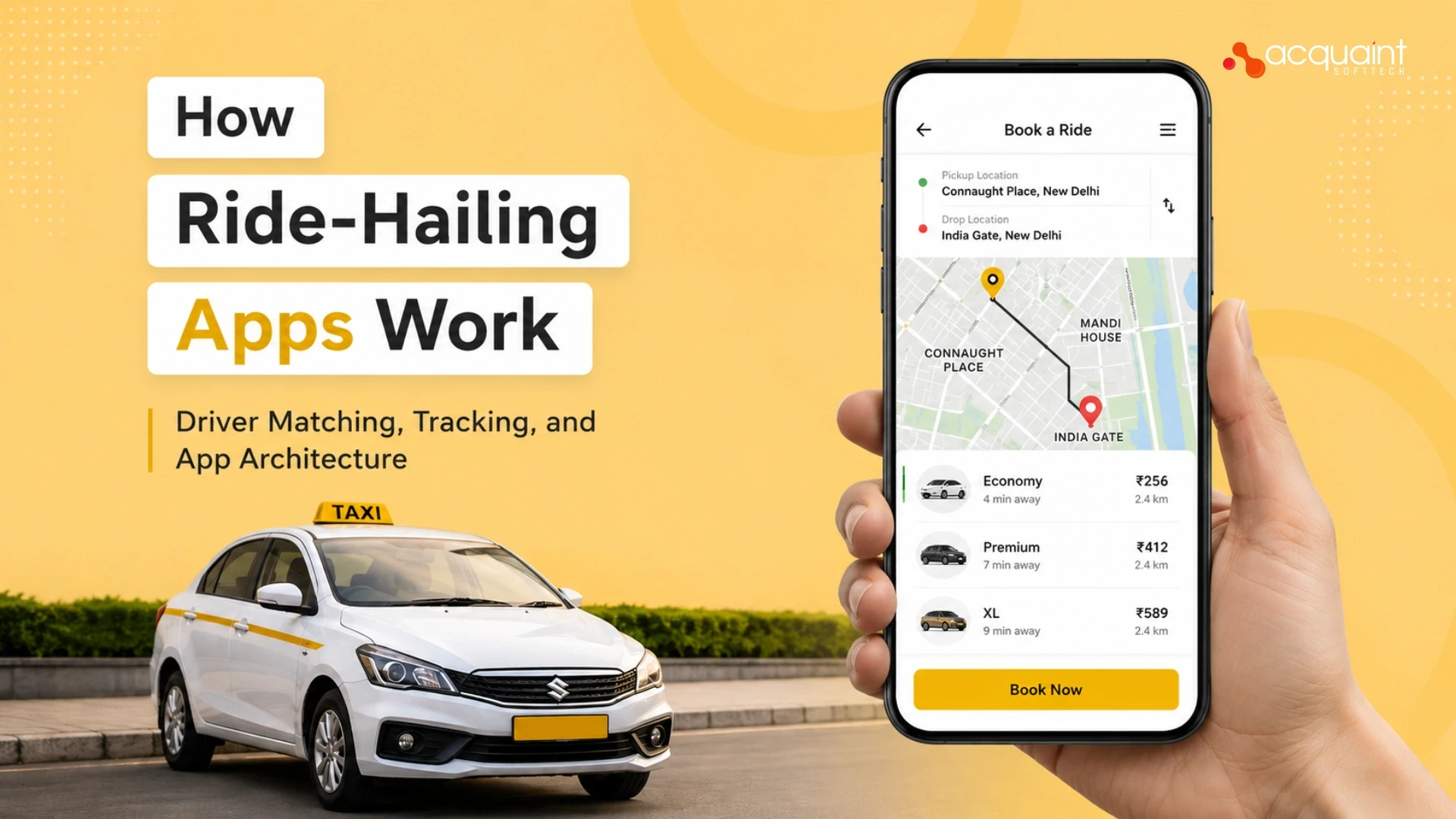
Ride-hailing apps are not simple taxi dispatchers. They are real-time logistics engines built on matching algorithms, GPS infrastructure, and dynamic pricing. Here is exactly how they work.
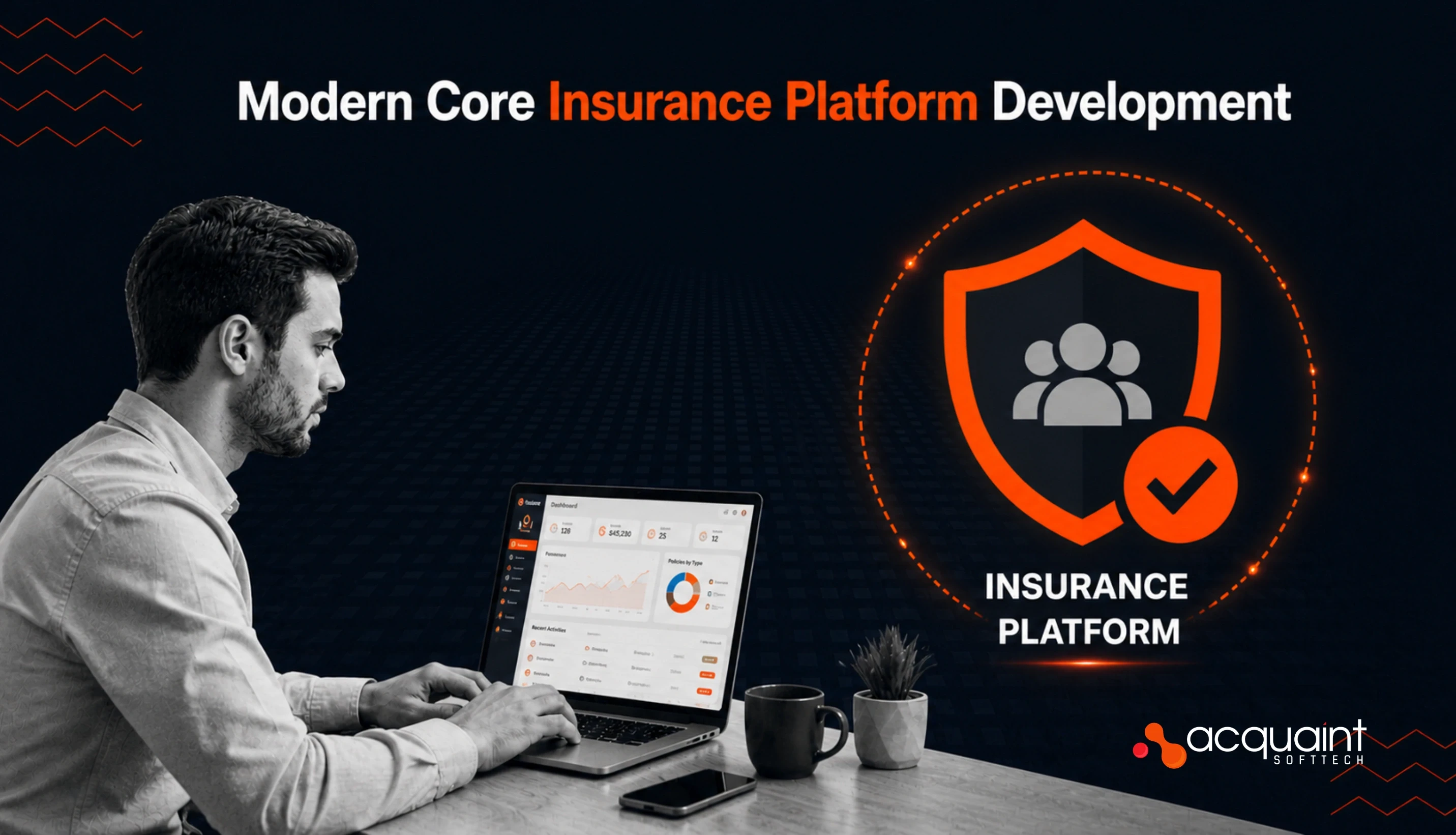
A core insurance platform is not four separate systems patched together with APIs. It is one shared data model where policy administration, billing, claims, and distribution each own a defined domain and fire events that the others consume. Teams that build four separate systems discover the gap at the worst possible moment: renewal time, first major claim, or regulator audit.
An LMS is not a video library with a login screen. It is a structured system that owns enrollment, progress, assessment, and certification in one traceable architecture. Teams that treat it as a file folder spend 12 months rebuilding what should have been designed correctly in week one. This guide shows exactly how each layer works, and what it actually costs to build.
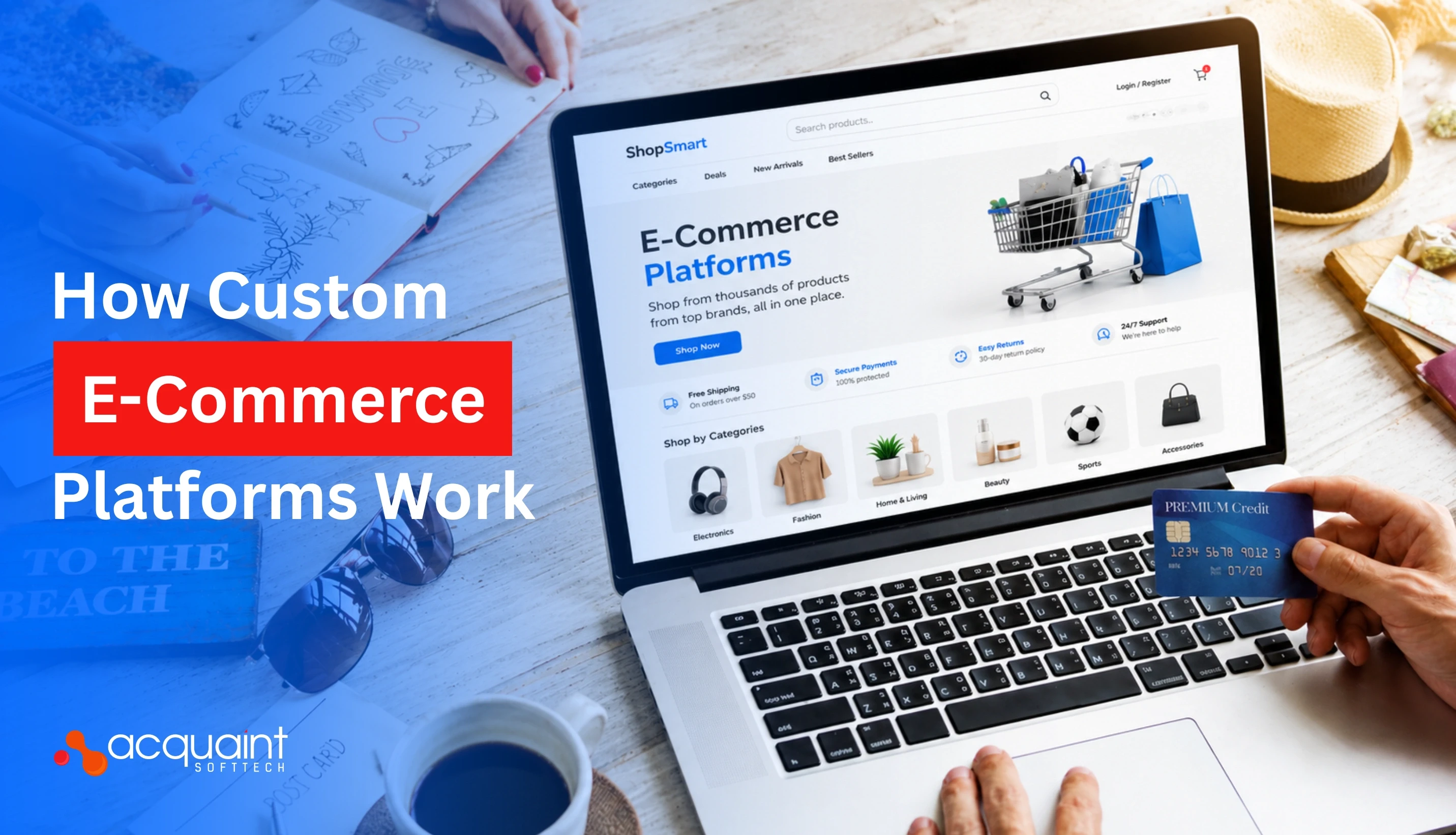
A custom e-commerce platform is not a bigger Shopify plan. It is a purpose-built commerce engine where every module answers to your business logic, not a vendor's roadmap. This article explains exactly how one is architected, what it contains, and the 5 operational signals that tell you when building your own beats, staying on SaaS.
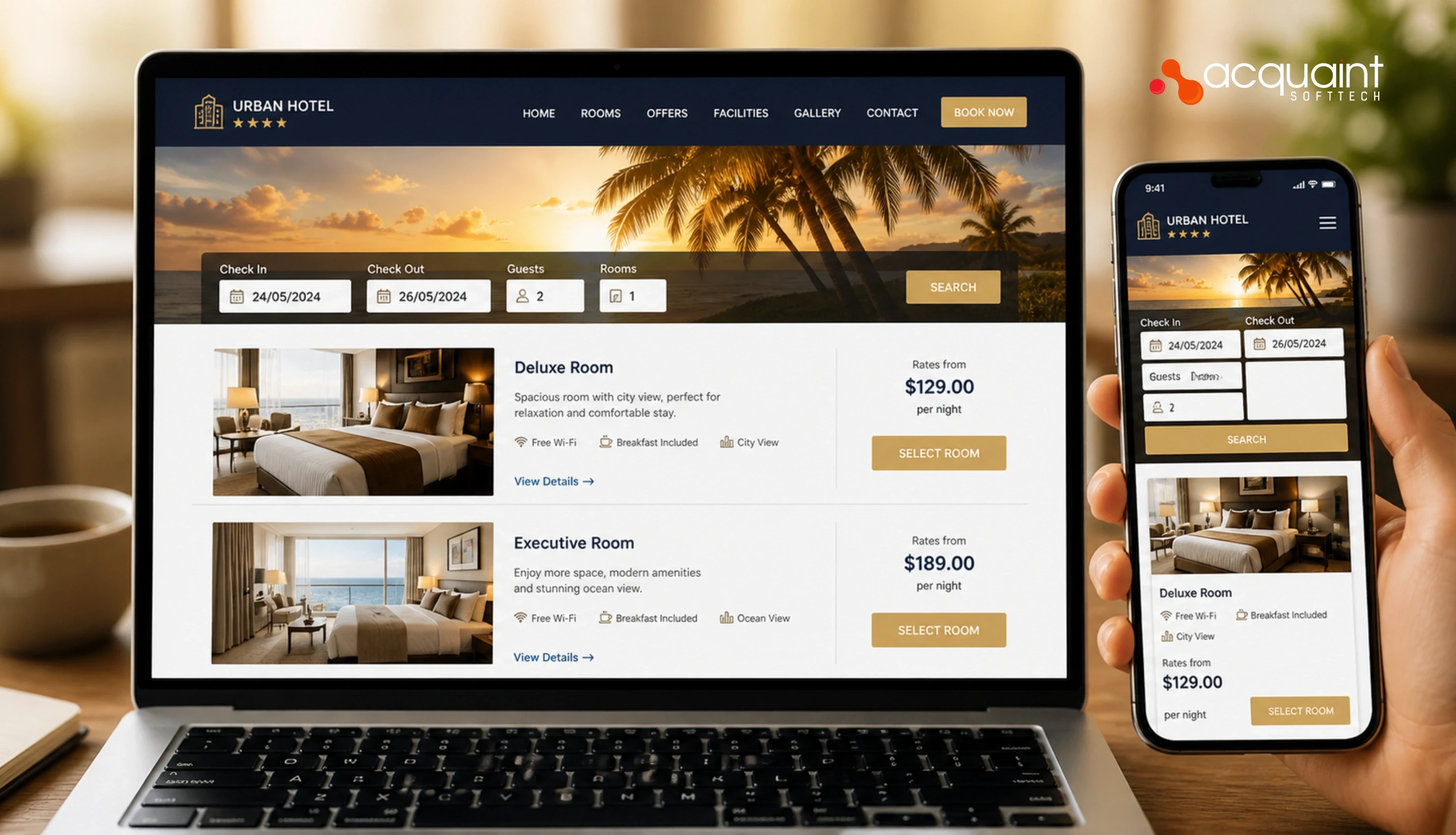
A hotel booking engine is not a search bar. It is an availability engine, a pricing decision system, a payment pre-authorisation layer, and a channel inventory synchroniser, all running simultaneously. This guide explains every architectural layer and how each one connects in a production system.
Property management software unifies tenant onboarding, lease tracking, rent collection, and maintenance, all automated, with no manual handoffs. Most landlords notice the gap only after a dispute, missed payment, or backlog. The real questions: how it works, the build cost, and whether it custom-fits your portfolio.


.webp "AI-Powered Guest Experience: Personalisation, Chatbots, and Predictive Service in Hospitality")
.webp "Headless Commerce Explained: Decoupled Architecture for Modern E-Commerce Development")

.webp "How Property Management Software Works:")