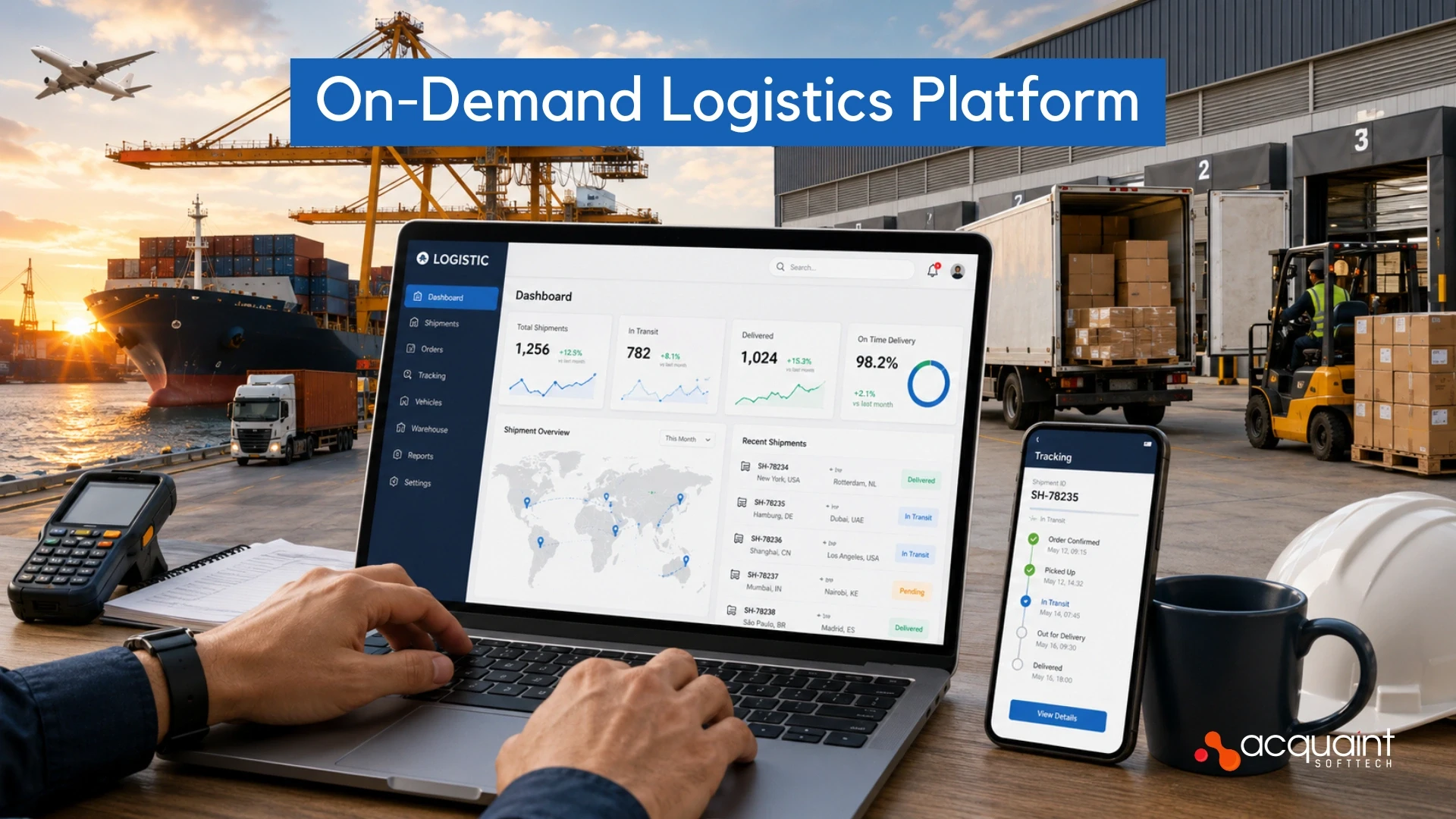
An on-demand logistics platform is software that lets customers book a courier, parcel, or last-mile delivery on demand and tracks it from pickup to drop-off. It connects senders, delivery partners, and an operations team through a routing engine, live GPS tracking, proof of delivery, and automated billing based on distance, weight, and zone.

Embedded insurance platform development is the process of building software that enables non-insurance brands to offer coverage at checkout or in their apps via APIs. It has three layers: a contextual offer engine that decides what to show and when, a partner-facing integration layer of quote and bind APIs, and a carrier layer that handles underwriting, policy, and claims.
A school management system is software that runs a school's core operations, admissions, attendance, grades, fees, timetabling, and parent communication, from one connected platform. It replaces scattered registers and spreadsheets with a single source of truth, automates reporting, and gives administrators, teachers, and parents secure role-based access to the records they need.
A tours and activities booking platform lets travellers search, schedule, and pay for experiences while operators manage inventory in real time. It is built on four pillars: a scheduling engine for time slots and departures, a real-time availability module to prevent overbooking, a supplier management portal for operators to control their own inventory, and a booking and payment flow. The hard part is capacity, not the booking button.
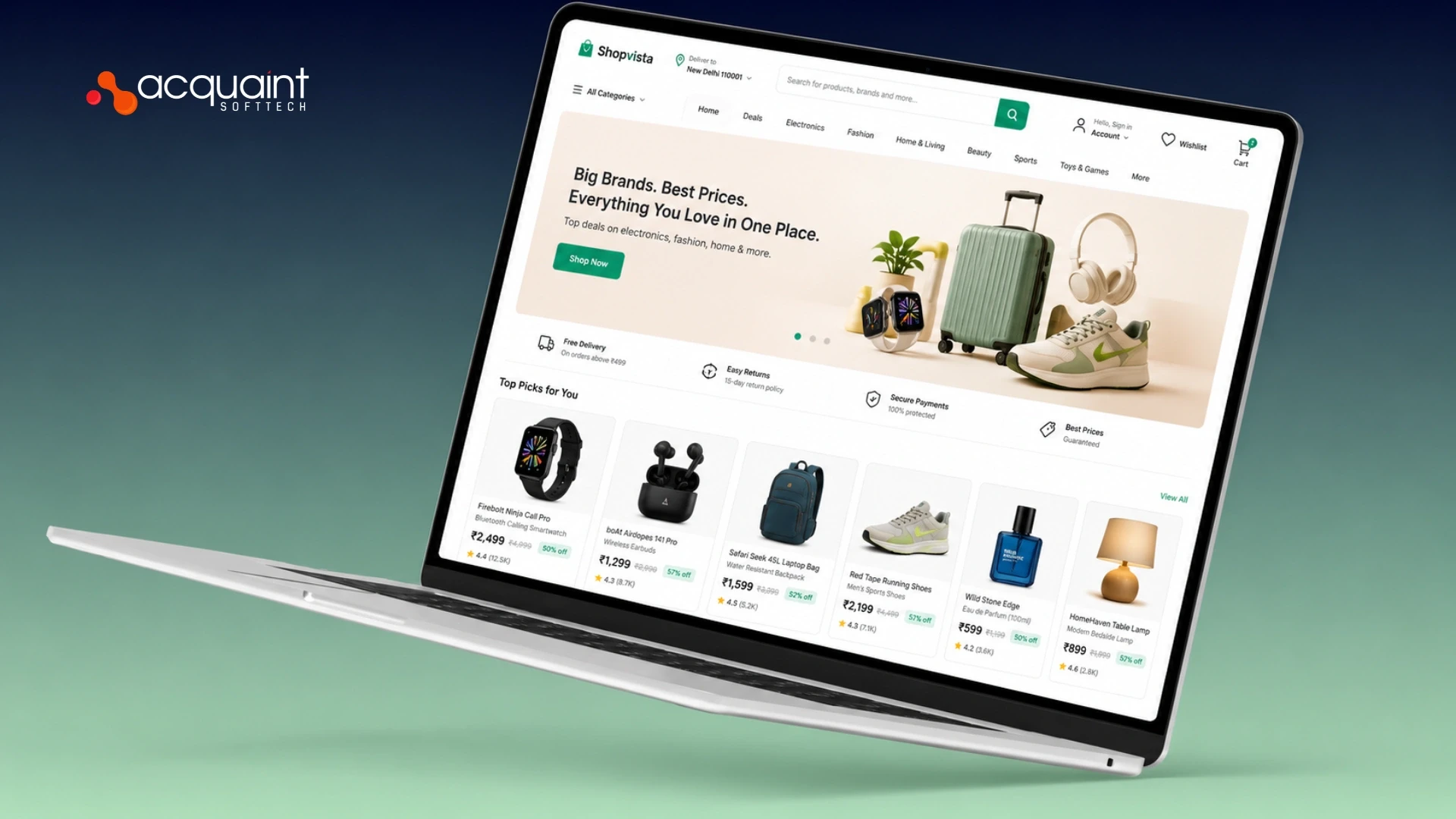
Building an online marketplace means creating a platform where many independent vendors sell to many buyers, while the operator owns the infrastructure and earns from each transaction.
AI and machine learning in logistics use historical and real-time data to predict demand, optimize delivery routes, and detect supply chain anomalies before they become costly problems. These technologies help businesses reduce costs, improve efficiency, and make faster, data-driven decisions.

.webp "Embedded Insurance Platform Development: APIs, Partner Integrations, and Contextual Offers")
.webp "School Management System Development")
.webp)