Spatie's Laravel-Permission is the industry standard for managing user roles and capabilities in Laravel. The best practice is to assign permissions to roles, then assign those roles to users. You install it with Composer, add the HasRoles trait to your User model, seed your roles and permissions, assign roles to users, then enforce permissions in Blade, middleware, and controllers.

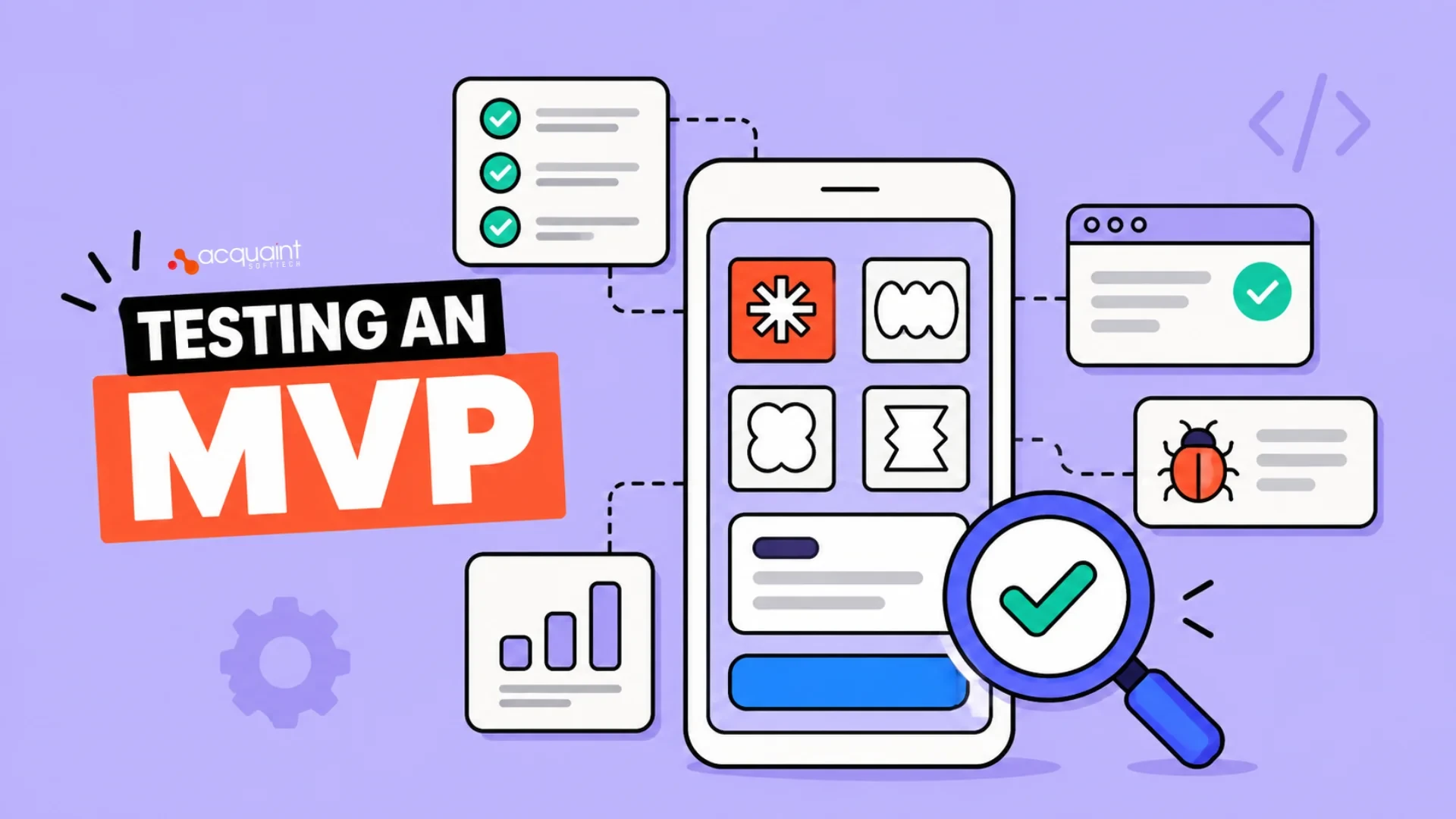
MVP testing means using low-code or no-code strategies to measure real market demand, user behavior, and your core value proposition before investing heavily in full development. Common methods include landing pages, explainer videos, prototypes, Wizard of Oz and concierge MVPs, single-feature builds, smoke tests, customer interviews, and behavioral analytics. The purpose of testing your MVP is to find flaws early and prove people actually want it.
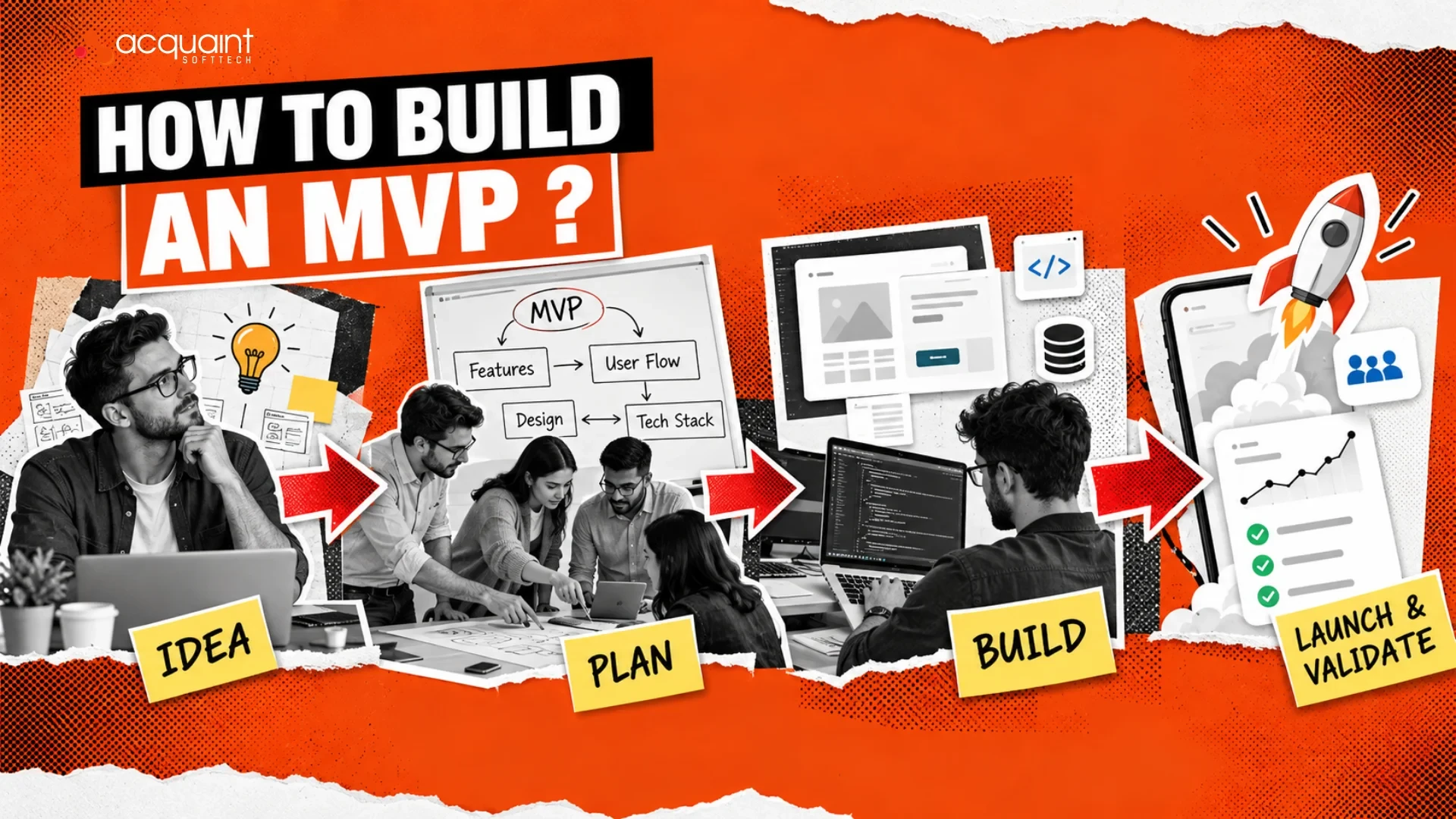
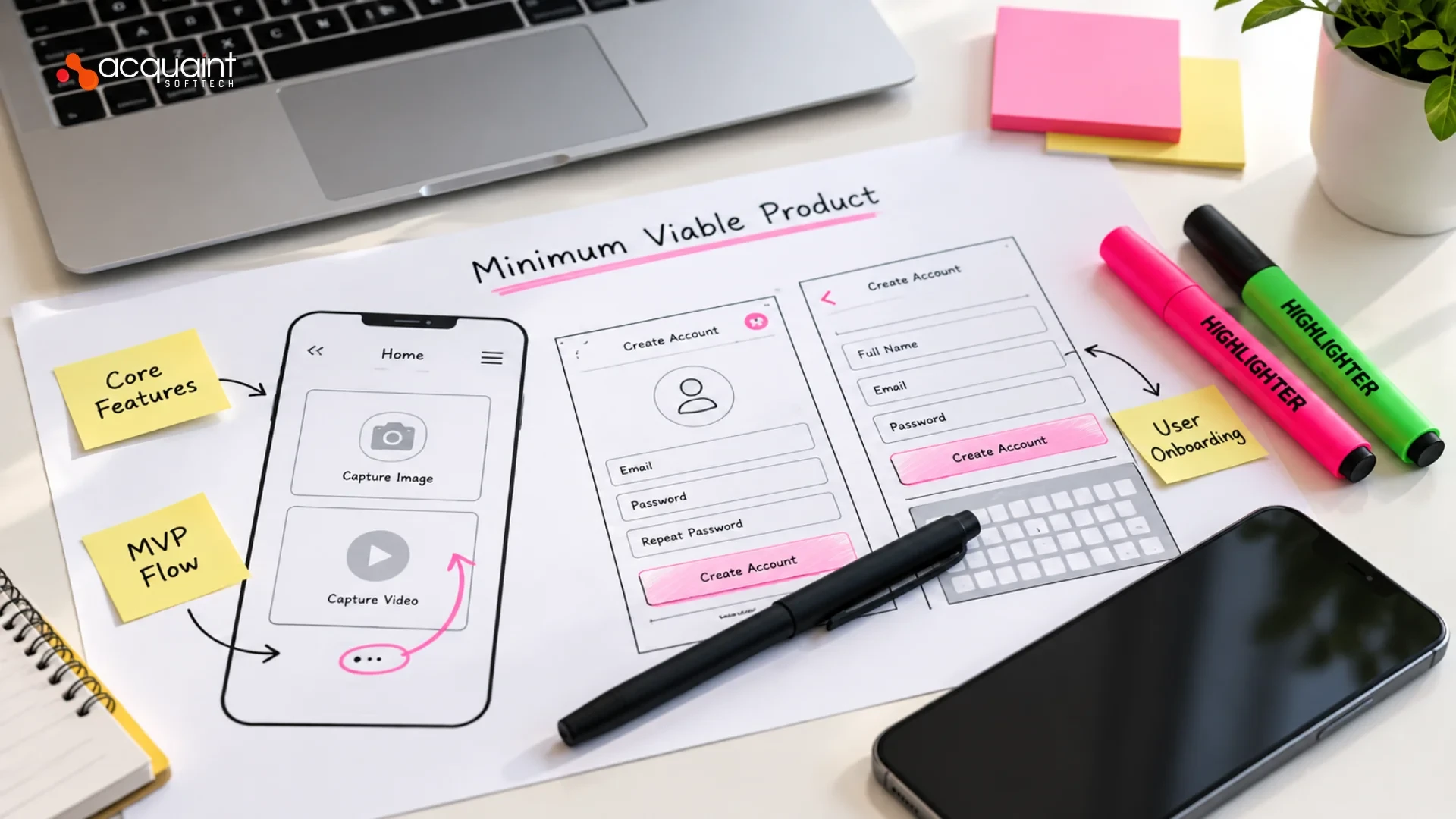
To build an MVP, identify a core user problem, isolate your riskiest assumption, and build only the essential features needed to test it. Focus on speed with simple tools or no-code platforms, launch quickly to real users, and gather data to iterate. In short: define the problem and user, cut scope to the must-haves, then build and launch fast to learn.
An MVP (Minimum Viable Product) is the most basic version of a new product that has just enough core features to work, solve a primary user problem, and satisfy early customers. Famous MVP examples include Dropbox (a demo video), Airbnb (air mattresses and a simple site), Amazon (a bare-bones online bookstore), and Uber (a basic iPhone app for a few black-car drivers). The pattern is the same: test demand cheaply, then scale.
Planning an MVP means finding the core problem, choosing only the essential features to solve it, and launching fast to learn from real users. It stops you from wasting time and money on things people do not want. The proven flow: talk to users and pin down the problem, pick must-have features, choose your MVP type, set goals and a short timeline, then launch and listen.
An MVP (Minimum Viable Product) is important because it lets you test a core idea in the real market with the least time, money, and effort. It helps you learn if people actually want your product before you spend a lot to build the full version. In short, an MVP saves money, saves time, validates demand, gathers real feedback, and reduces risk.
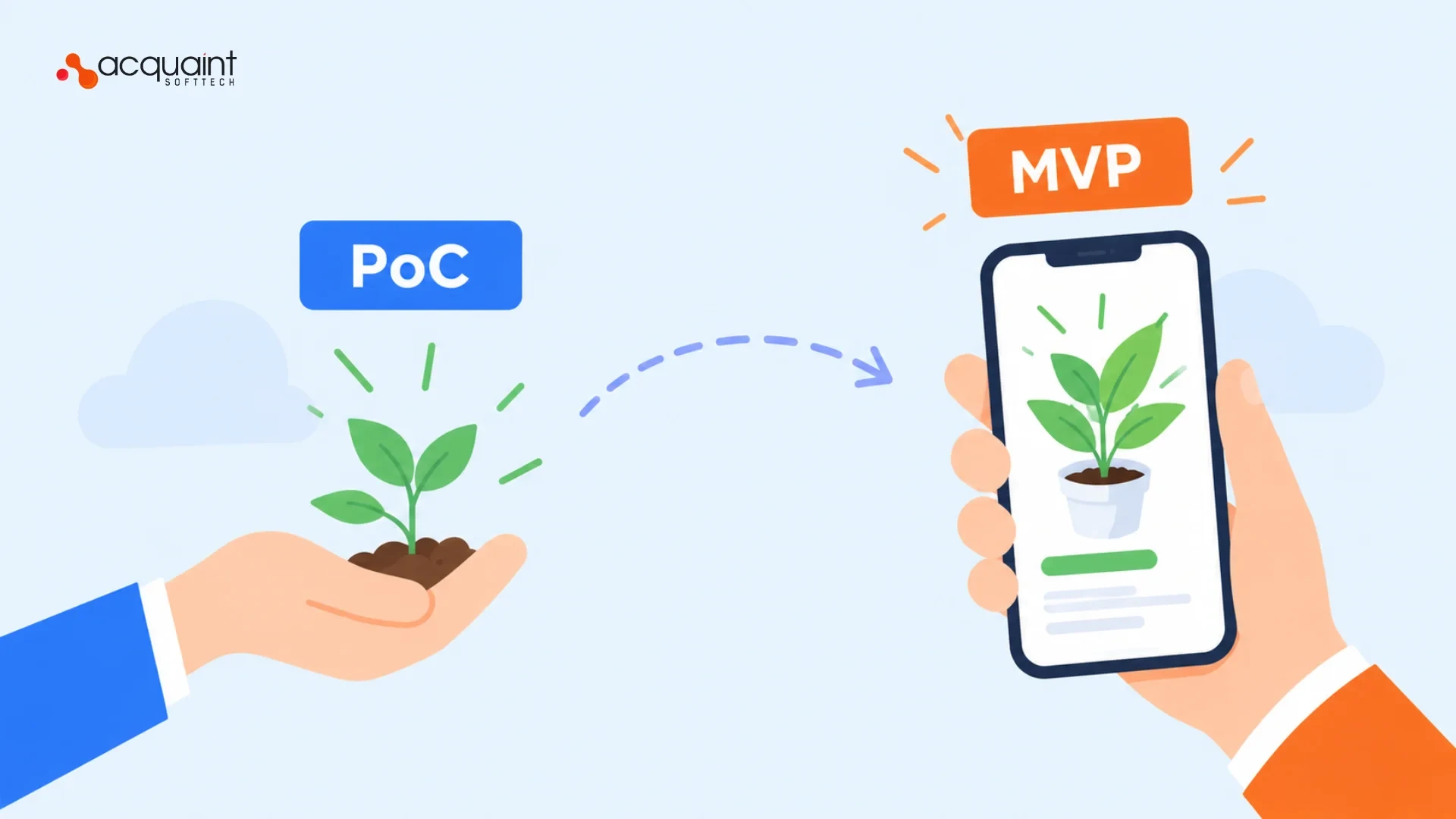
A Proof of Concept (PoC) tests whether an idea or technology can be built. A Minimum Viable Product (MVP) is a functional, bare-bones version of a product released to real users to test market demand and business viability. In short, a PoC answers "Can we build this?" while an MVP answers "Should we build this, and do people want it?" You usually build a PoC first, then an MVP once feasibility is confirmed.
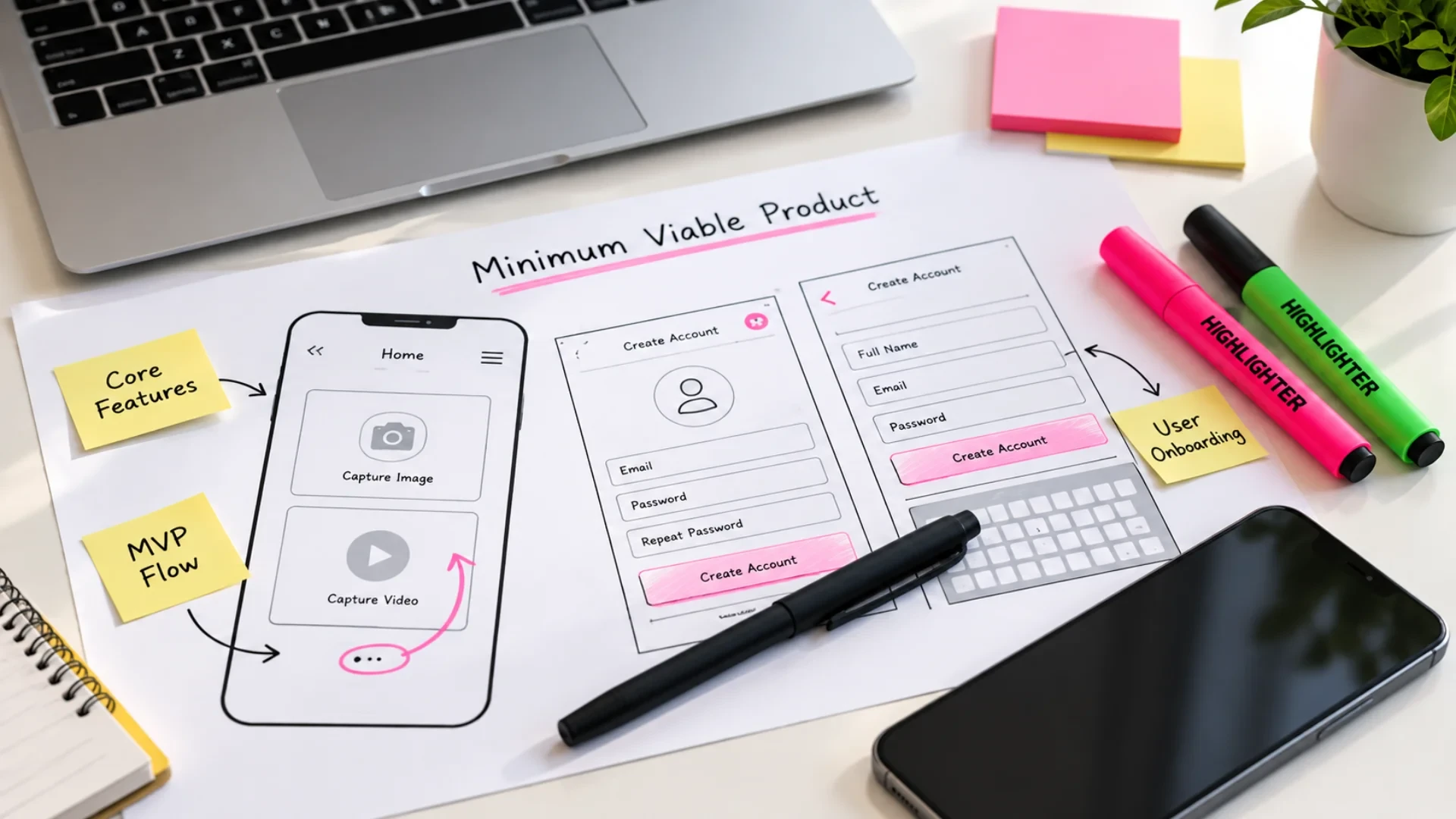
A minimum viable product (MVP) is the simplest version of a new product that has just enough core features to satisfy early users. It lets teams test a business idea in the real market and learn what customers want without spending time and money on a full build. In software, an MVP means shipping only the key features that solve one core problem, launching to real users, then improving with their feedback.
Laravel is the best choice for PHP web development because it maximizes developer velocity. It turns PHP from a basic scripting language into a structured, modern experience by handling the repetitive plumbing out of the box: authentication, routing, queues, real-time WebSockets, and the Eloquent ORM. For about 90% of standard web apps, SaaS platforms, and APIs, Laravel offers the best balance of speed, security, and long-term maintainability.
Bagisto is a free, open-source e-commerce platform built on the Laravel PHP framework and Vue.js. Created by Webkul, it lets developers and merchants build highly customizable online stores, multi-vendor marketplaces, and headless commerce with minimal setup. Because it leverages Laravel, you get a robust ecosystem, rapid deployment tools, and huge flexibility for custom enterprise applications, which is why it is a top choice for an e-commerce website with Laravel Bagisto.
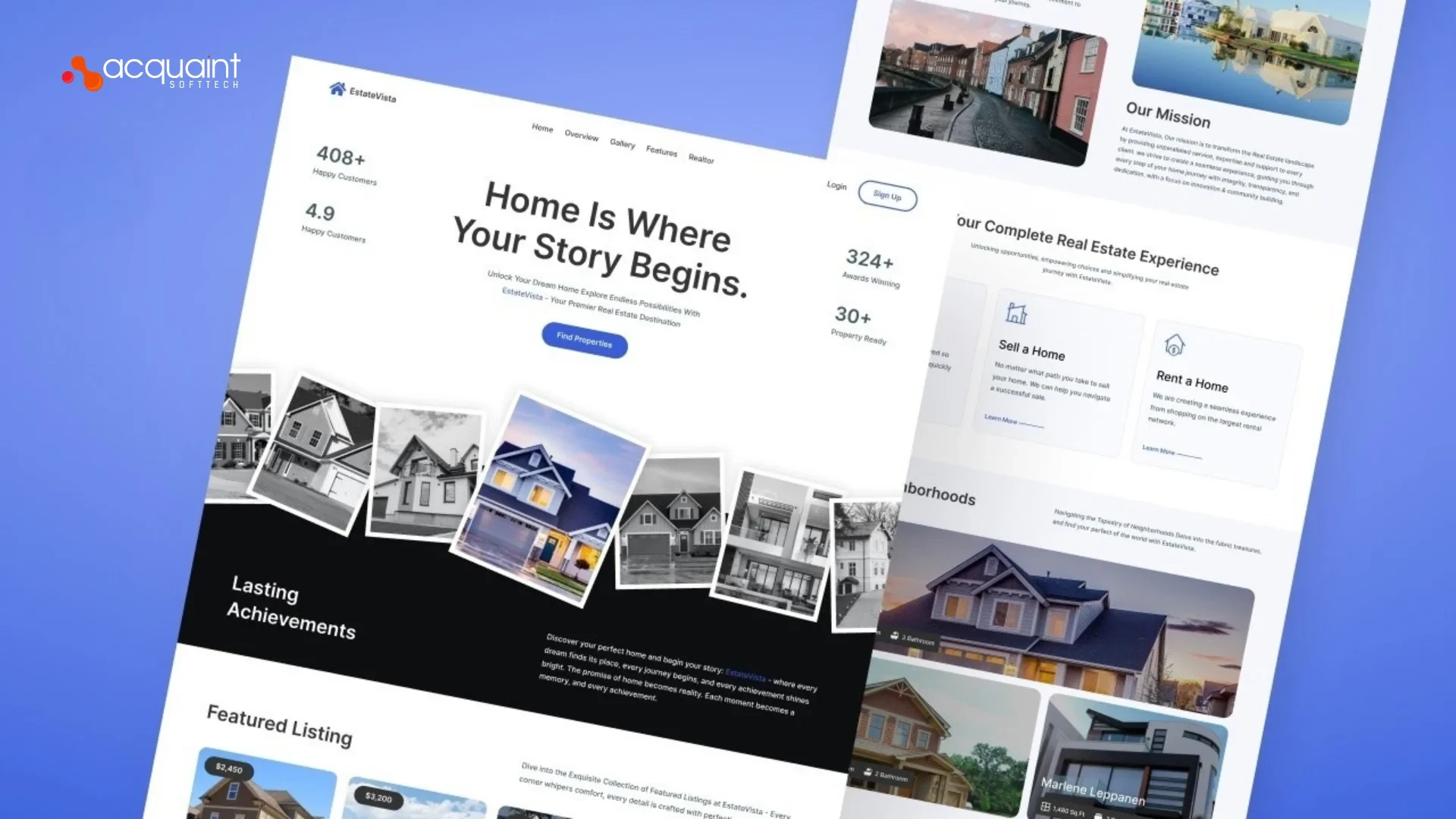
To build a real estate website, you need a clear plan, the right software, and useful features to attract buyers and sellers. A good site builds trust and helps people find homes fast. The core steps: pick a domain, get reliable hosting, choose a real-estate-ready platform, connect an MLS feed via IDX so live listings show on your pages, make it mobile-friendly, and add simple contact forms. In 2026, AI tools can even scaffold property grids, lead forms, and area guides in minutes.
Laravel is highly secure by default, providing robust out-of-the-box protection against the web's most common vulnerabilities: SQL injection (via Eloquent and PDO binding), XSS (via Blade escaping), and CSRF (via tokens). But framework defaults are only half the battle. A secure production ecosystem also depends on proper configuration and secure coding: disable debug mode, protect your .env file, add rate limiting, enforce HTTPS, lock down mass assignment, and monitor your dependencies.
Laravel is widely chosen for web development because it drastically accelerates production timelines while providing robust, enterprise-grade security out of the box. It removes repetitive boilerplate so developers can focus on unique business logic. The primary reasons to build with Laravel are accelerated time-to-market, ironclad security and reliability, a maintainable and scalable MVC architecture, and a rich ecosystem that supports business growth.
Laravel 9 is a major PHP framework release that requires PHP 8.0 or higher and is built on Symfony 6. Released in February 2022, it introduced modern features like Symfony Mailer, anonymous stub migrations, enum route binding, and an improved routes: list console output. It is a long-term support (LTS) release, and while newer versions now lead, Laravel 9 remains a solid, well-understood base and a common starting point for a Laravel 9 to 10 upgrade.
Every year we break free and enjoy an office trip. This year, we picked up a hill station called Matheran. See here our quirky sides in this post.
We cherish and celebrate every festival here at Acquaint Softtech and Christmas is no exception. This time we enjoy it even more with gifts.
An on-demand app development company builds custom software that connects users with instant services, goods, or transport through real-time digital platforms. These agencies handle the multi-sided architecture behind customer apps, service-provider dashboards, and admin panels. To hire the right one, research the market, set your priorities, make inquiries, check credentials, and choose the apt partner. Core features include real-time GPS tracking, secure payments, push notifications, and admin dashboards.
Building an app like Uber Eats means creating a multi-sided ecosystem of four interfaces: a customer app, a delivery driver app, a restaurant dashboard, and a central admin panel. A custom-coded MVP typically costs $75,000 to $120,000 (much less with no-code tools), and success depends on smart market positioning, core feature implementation, and US legal compliance. The proven path is to pick a niche, handle legal requirements, choose your build approach, ship a focused MVP, then test rigorously.
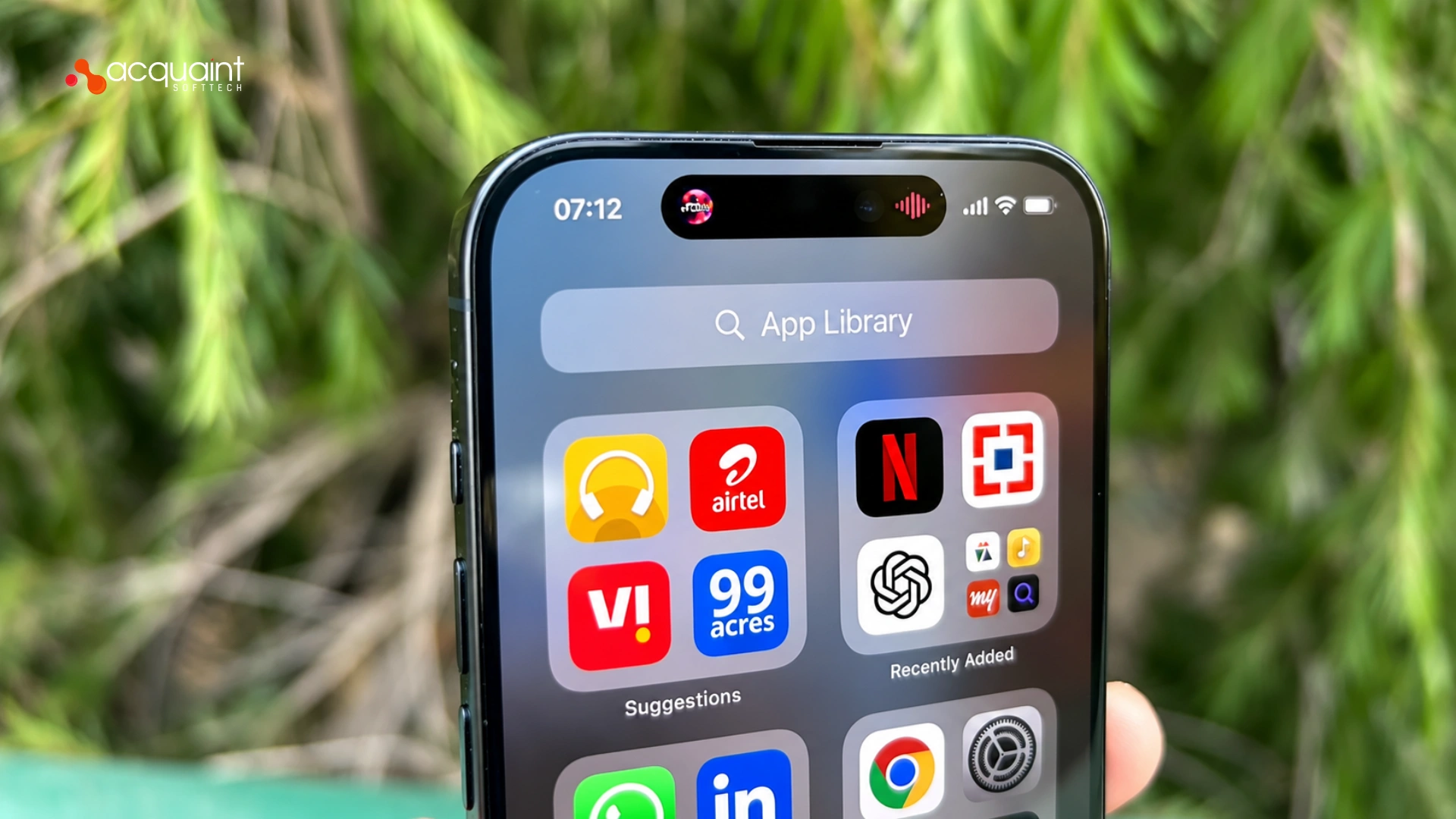
Making an iOS app for business branding requires four steps: define your brand identity and goals, map an intuitive user experience aligned with Apple's design standards, build it with native code (Xcode and SwiftUI) or a reputable visual builder, and launch with optimized App Store assets and ASO. A well-branded iPhone app for your business builds trust, reaches Apple's premium audience, and turns your identity into an experience users carry in their pocket.
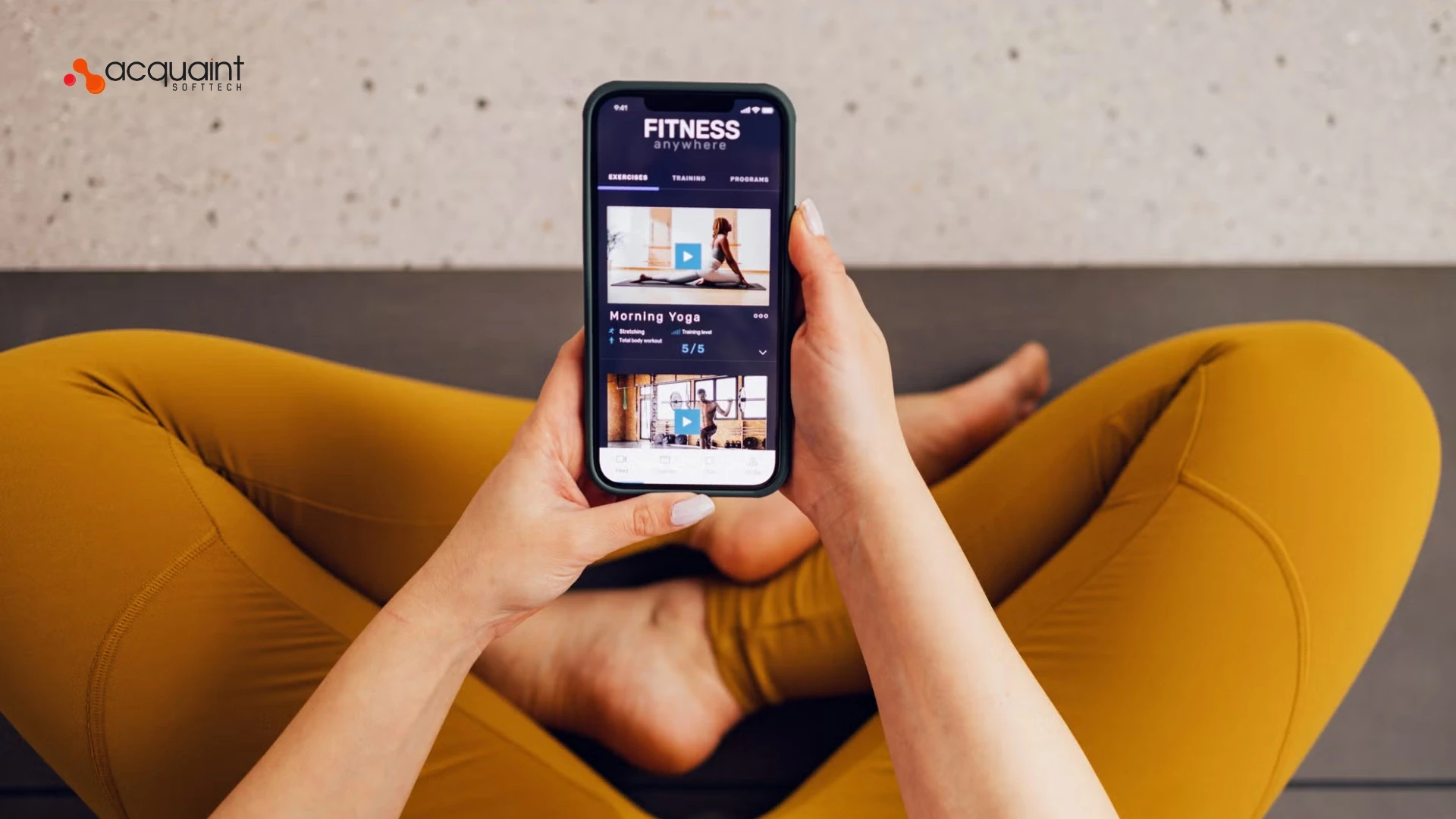
Developing a fitness app generally costs between $20,000 and $400,000+, depending on features, complexity, and whether you use advanced technology like custom AI. A simple MVP lands at the lower end, while an enterprise-grade coaching platform with AI and live streaming can exceed the upper limit. A standard MVP usually costs $25,000 to $60,000, and a mid-level app with wearable syncing or GPS runs $40,000 to $100,000.
Before developing a shopping app, evaluate seven core factors: target audience needs, intuitive UI/UX design, a frictionless checkout flow, robust data security, clear product navigation, strategic push notifications, and post-purchase order tracking. Get these right, and you turn browsers into buyers. In 2026, most retailers also weigh whether a native app or a Progressive Web App (PWA) fits best, since a PWA runs fast on all devices from a single codebase.
Yes, React Native autolinking was officially introduced in version 0.60, released by the React Native team in July 2019. The 0.60 line (latest patch v0.60.6) brought monumental shifts: autolinking of native modules, full AndroidX migration, optional Hermes on Android, CocoaPods by default for iOS, and Lean Core removals (WebView, NetInfo, Geolocation moved to community packages).
Mobile apps fail primarily due to a lack of real market need, poor user experience (UX), technical bugs and instability, weak testing, and thin marketing. To avoid failure, validate a real user problem through research, launch a simple MVP with core features first, prioritize clean design, test extensively across devices, and plan continuous post-launch updates. Most failures trace back to skipped planning, not bad code.
Mobile app categories are official groupings used by app stores like the Apple App Store and Google Play to classify software by its core purpose, target audience, and primary function: Social Networking, Productivity, Entertainment, Gaming, Health & Fitness, Finance, Shopping, Travel, Education, and Lifestyle & Utilities.