A dedicated development team is not a bigger staff augmentation engagement. It is a different accountability structure entirely. Here is exactly what it includes, what it costs, and how to know if it is the right model for your product.

Most CTOs know 6 weeks before they admit it. Sprint commitments are missed. Excuses repeat. Updates only come when you ask. Here are the 6 signals that confirm it and the exit plan that costs 3 weeks, not 3 months.

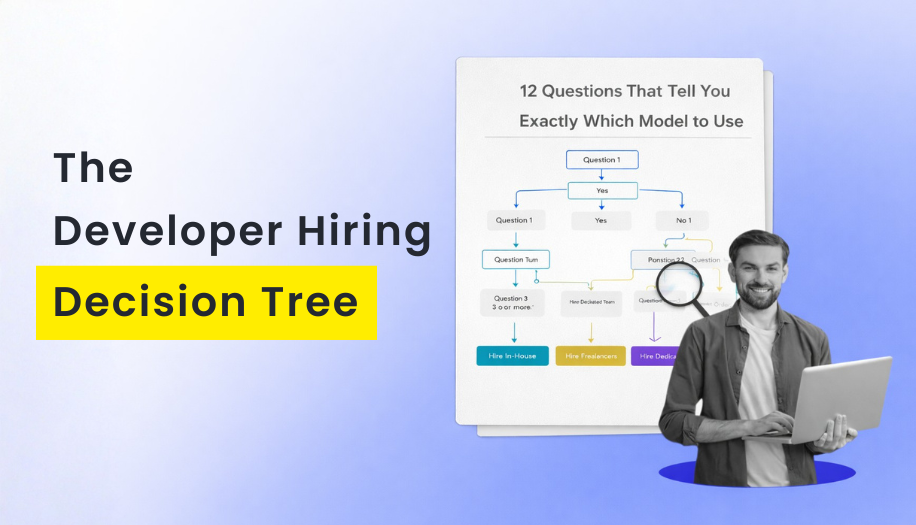
After 1,300 projects the hiring model decision follows a predictable pattern. 12 questions map your situation to the right model. The decision takes 5 minutes when you have the right framework.

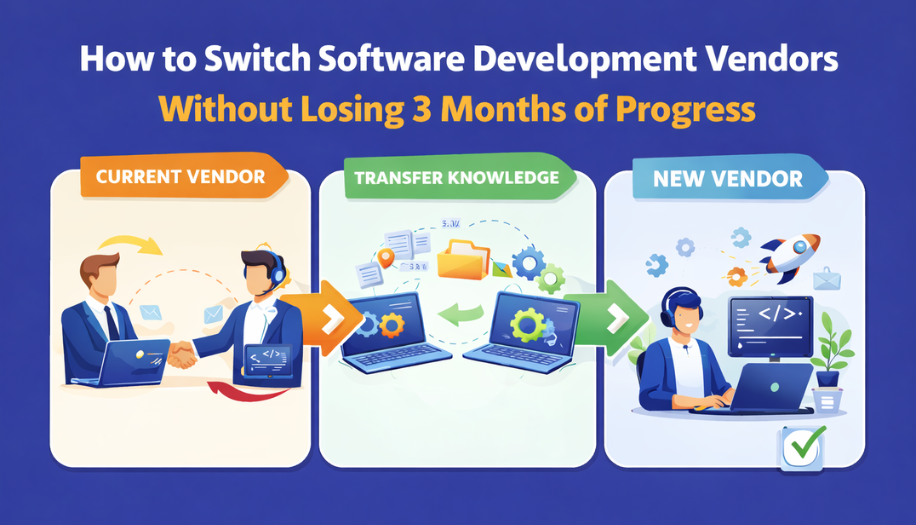
By the time you decide to switch dev vendors, you have 4 months of budget invested and no appetite for another 3 months of disruption. The structured handover below cuts the transition from 10 weeks to 3.
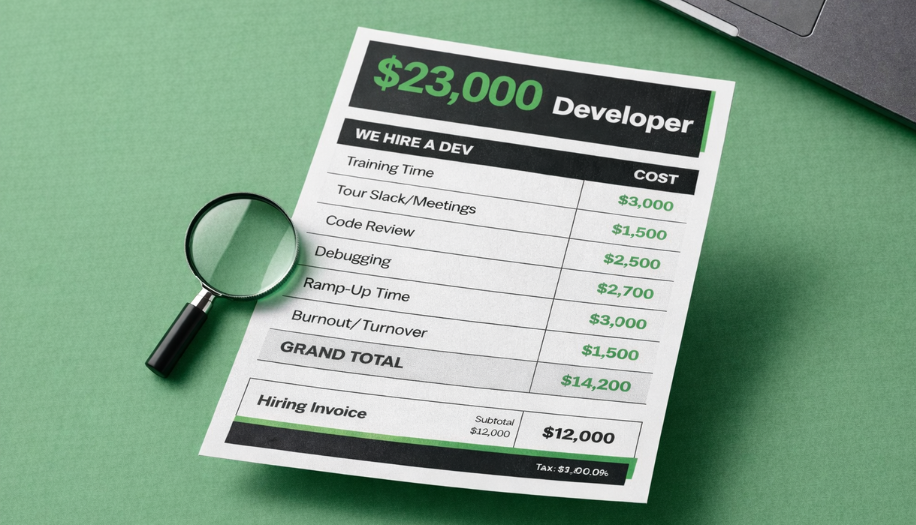
The $12K invoice for a developer is not the cost of that developer. It is the visible part. The real number is typically $19,000 to $26,000 per year higher. This is every line item your finance team is not adding up.
Most clients pick a staff augmentation pricing model based on the rate. That is the wrong variable. The pricing model determines your vendor's incentives, your budget predictability, and who carries the risk when delivery slips.
Most companies compare dedicated team pricing to a freelancer hourly rate. That comparison doesn't work. Here's what different monthly price points actually include, what they don't, and how to evaluate the real cost.
Most staff augmentation contracts are missing at least 3 of these 12 clauses. Each missing clause is a specific risk you are carrying without knowing it. Here is what each clause protects you from.

Q1 is done. Here is the honest retrospective: what offshore hiring patterns delivered in Q1 and which ones failed. And the 5 specific decisions that will determine whether Q2 is different.