Follow this guide for important factors to consider when creating your website, which can help boost your business in a quick time.

Choose Drupal Commerce when content comes first, and commerce is secondary, such as a publisher, membership site or content-heavy brand that also sells. Choose Magento, now called Adobe Commerce, when commerce comes first, and you need deep catalogue, checkout and B2B features out of the box. Drupal Commerce is a commerce layer on a content platform; Adobe Commerce is a dedicated commerce platform. The names have changed since 2019, and for many mid-market stores, WooCommerce or Shopify is now the more sensible option than either.
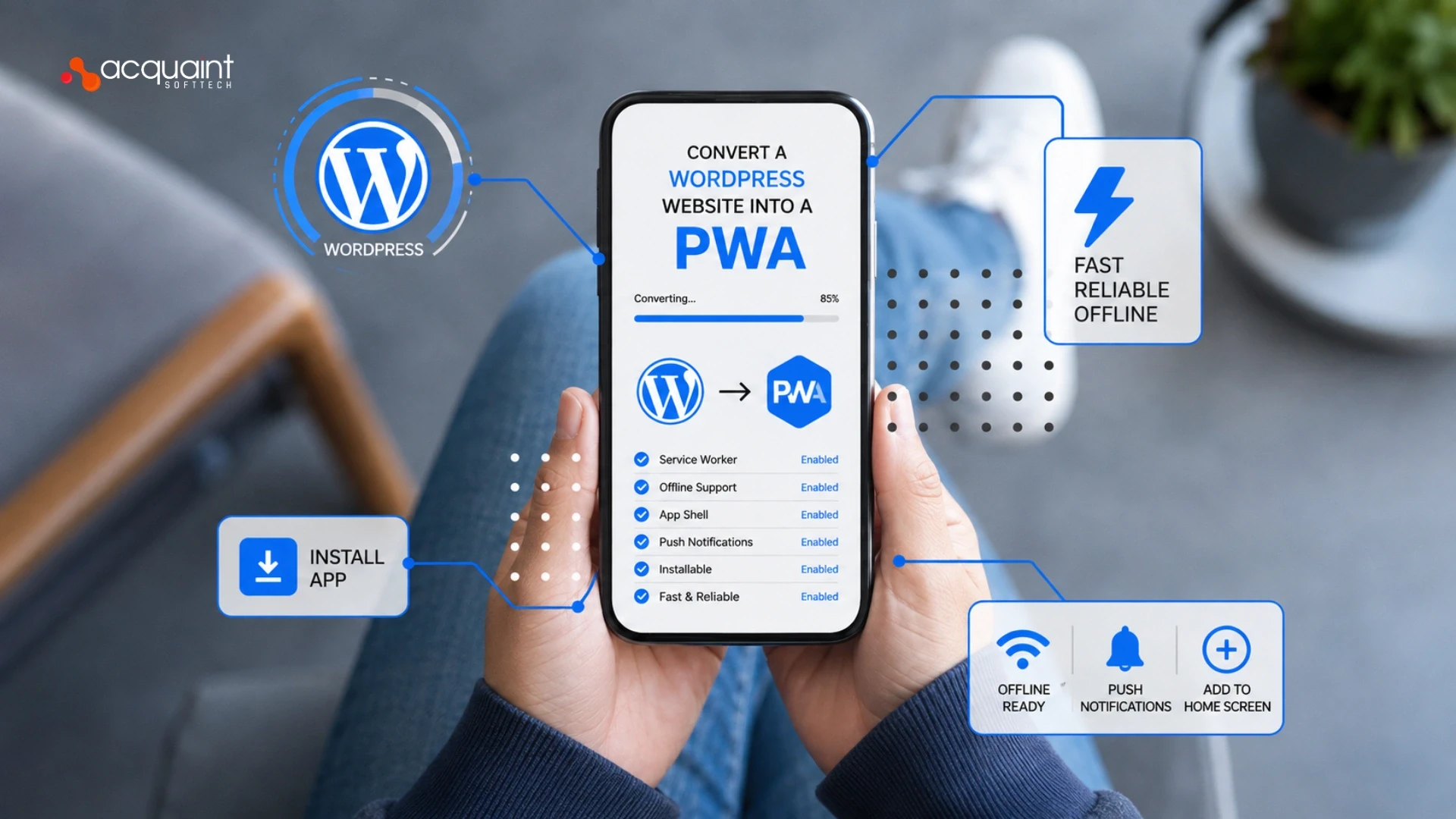
To convert a WordPress site into a Progressive Web App, serve it over HTTPS, add a web app manifest and a service worker, then verify it with Lighthouse. The fastest route for most site owners is a PWA plugin; the more capable route is a custom build or a headless front end. Since iOS 16.4, iPhones support home-screen install and web push too, so a PWA now reaches almost every device without an app store.
Yes, for merchants who want control over their store, content and data, and who have someone responsible for hosting and updates. WooCommerce powers roughly 37 percent of online stores and handles catalogue, payments, shipping, and tax properly. It is the wrong choice if nobody will own security patching, because plugins are the main attack surface, and Shopify is usually the better answer for merchants who want no infrastructure responsibility at all.
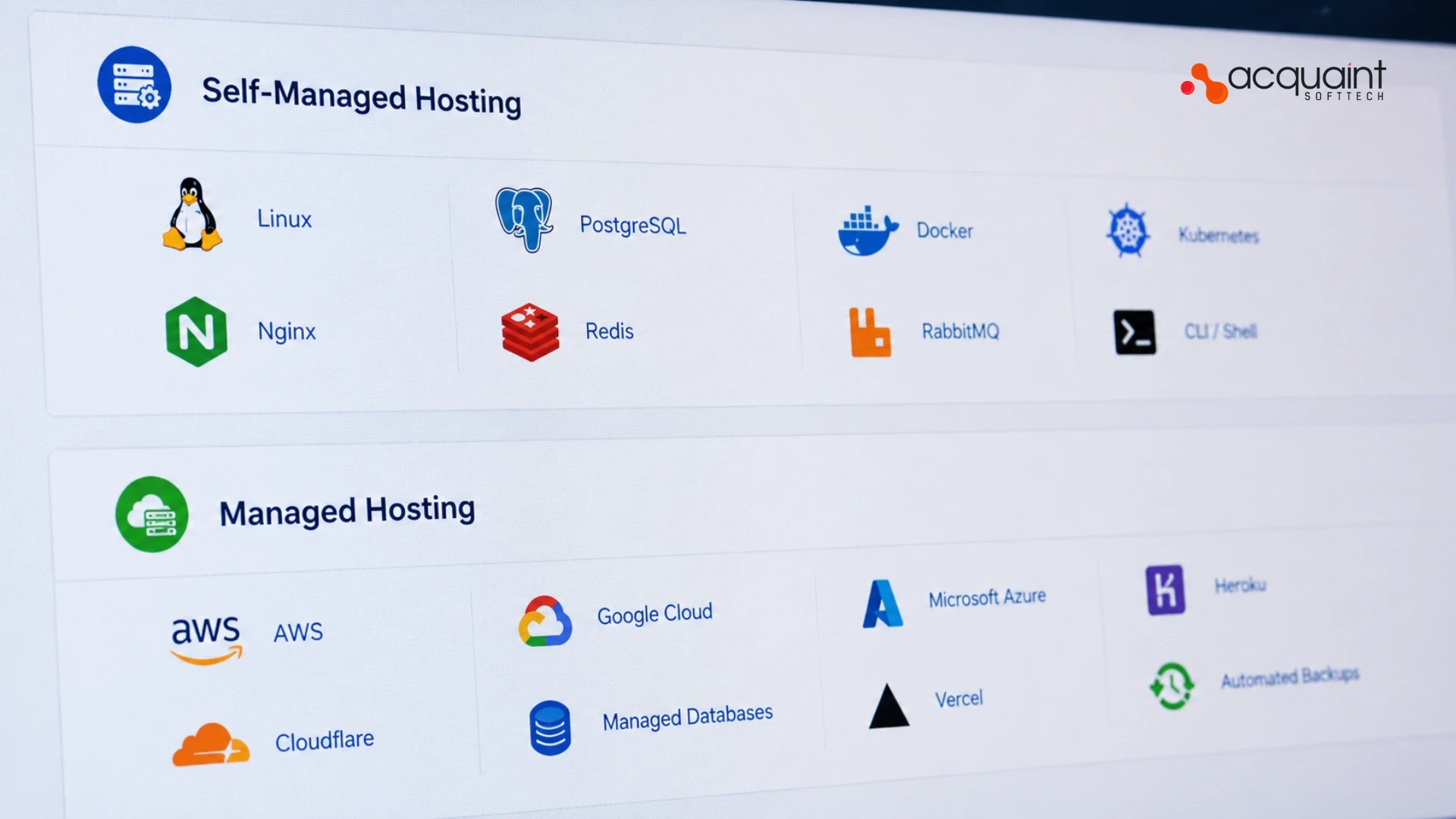
Choose managed hosting unless you employ someone whose job includes servers. Self-managed hosting is cheaper on the invoice and more expensive in engineering hours, because you inherit operating system patching, backups, certificate renewal, scaling and incident response. The real question is not price but responsibility: work out which failures become your problem at 2 am, then decide whether you have anyone to answer them.
The four content management systems worth choosing in 2026 are WordPress for most content sites, Drupal for complex enterprise and public sector builds, WooCommerce or Shopify for online stores, and a headless CMS when content must feed several channels at once. WordPress still powers around 42 percent of all websites, but its share began contracting in 2025 for the first time in twenty years. Joomla and Magento Open Source have declined far enough that neither is a safe default for a new project.
Colour in web design is now governed by contrast and accessibility, not psychology. Under WCAG 2.2 level AA, body text needs a contrast ratio of at least 4.5:1 and large text and interface components need at least 3:1. Build from one brand colour, one neutral scale and four functional colours, define them as reusable tokens, and never let colour be the only signal.
WordPress is the world’s most popular content management system. But check out these twelve things most people still don’t about WordPress.
If you are learning to develop a website or are looking to get it built for your business, here are 8 things you need to know of while developing a website.


-in-2026-which-to-choose.webp "Drupal Commerce vs Magento")