React Native lets you build Android and iOS apps from one JavaScript and TypeScript codebase, typically sharing most of the code across both platforms. Its real benefits are reuse, fast development with instant preview, and a huge ecosystem of libraries. Since 2019, it has matured completely: the old bridge was replaced by the New Architecture, which fixed the performance and animation weaknesses it was once criticised for. It is now a mainstream choice used by Shopify, Discord and Microsoft, not the risky newcomer early articles described.

Your business likely needs a mobile app if customers use you often and repeatedly, if you need device features a website cannot reach, or if a smoother mobile experience would directly lift sales or loyalty. If none of those apply, a fast mobile website or a Progressive Web App is usually the better spend. The honest test is whether an app would earn back its build and yearly upkeep, not whether competitors have one.
The essential iOS tools in 2026 are Xcode, Swift Package Manager, SwiftUI, Swift Testing, Instruments, Xcode Cloud and TestFlight, with fastlane and Sentry filling the gaps. The urgent item is dependencies: the CocoaPods registry becomes permanently read-only on 2 December 2026, so any app still using pods needs a migration plan to Swift Package Manager. Xcode plugin managers such as Alcatraz stopped working years ago and were replaced by Xcode Extensions.
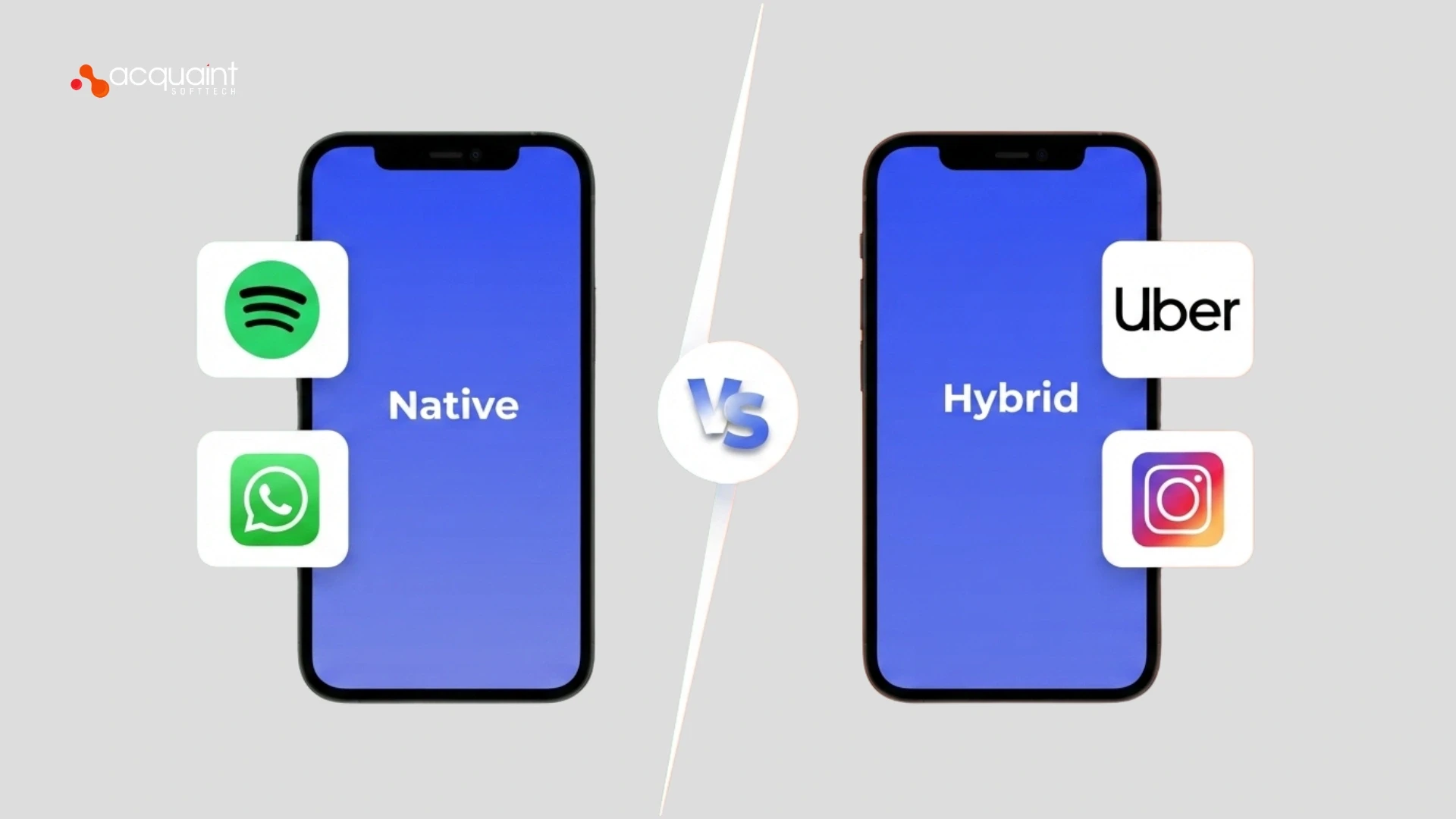
There is no single winner in 2026. Native wins for graphics-heavy, hardware-heavy and deeply platform-integrated apps. Modern cross-platform frameworks such as React Native, Flutter and Kotlin Multiplatform now match native closely enough for most business apps, at 30 to 40 percent lower build cost. The old WebView hybrid app, a website wrapped in a native shell, has effectively lost and should not be chosen for a new product.