Your business likely needs a mobile app if customers use you often and repeatedly, if you need device features a website cannot reach, or if a smoother mobile experience would directly lift sales or loyalty. If none of those apply, a fast mobile website or a Progressive Web App is usually the better spend. The honest test is whether an app would earn back its build and yearly upkeep, not whether competitors have one.

Android Q launched as Android 10 on 3 September 2019, and it was the first version to drop the dessert names. It shipped full gesture navigation, a system-wide dark theme, scoped storage, more granular location permissions, and built-in screen recording, most of the features rumoured at the time. Its importance now is that it set the direction Android has followed ever since, and those same rules, especially around storage and permissions, are what decide whether an app still works and stays on the Play Store today.
Mastering Android development in 2026 means writing Kotlin, building interfaces in Jetpack Compose, and keeping your app inside Google Play's target API rules. From 31 August 2026, new apps and updates must target Android 16 (API level 36) and existing apps must target at least Android 15 (API level 35) to stay available on newer devices. Craft matters, but compliance decides whether anyone can install what you build.
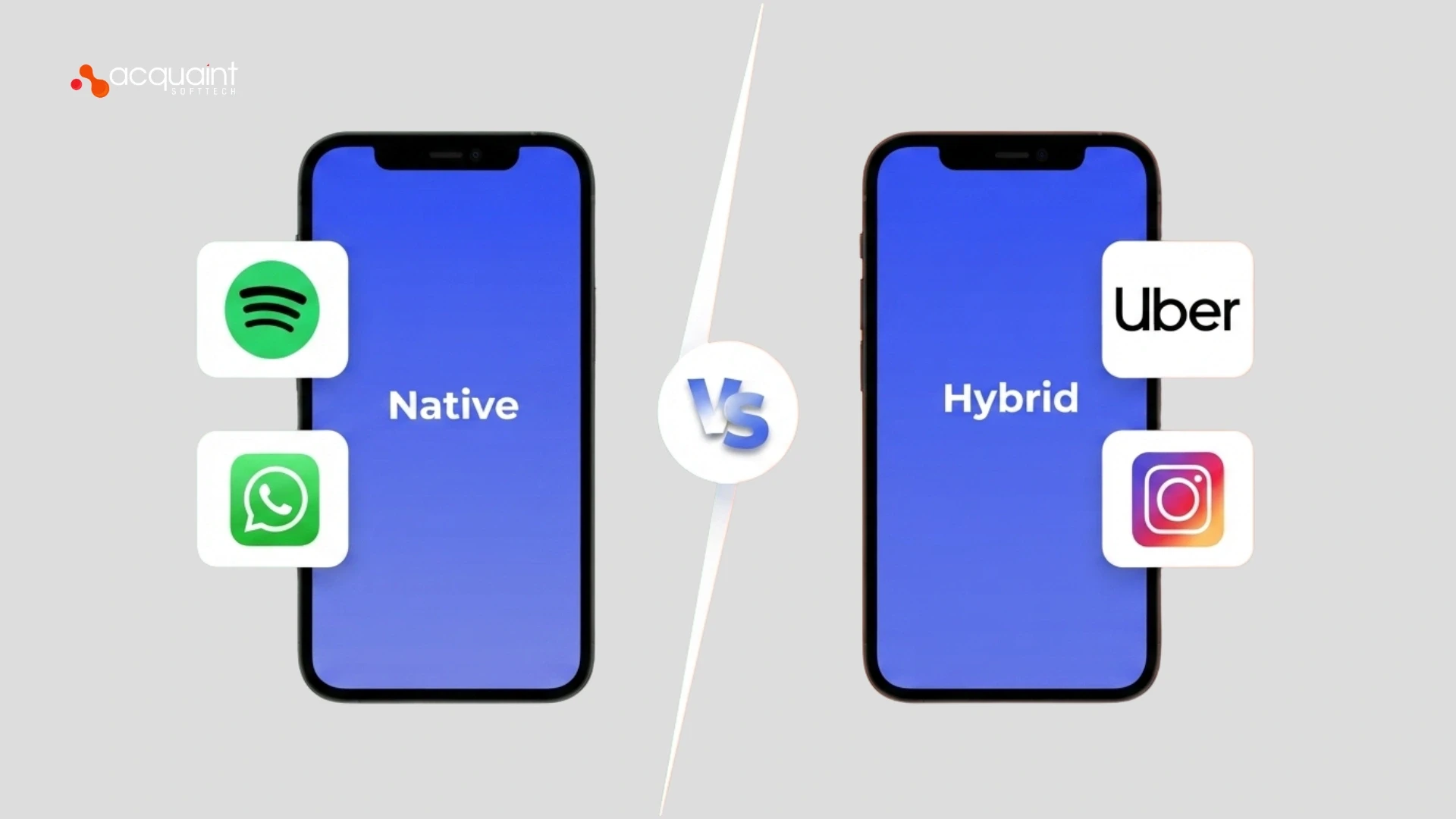
There is no single winner in 2026. Native wins for graphics-heavy, hardware-heavy and deeply platform-integrated apps. Modern cross-platform frameworks such as React Native, Flutter and Kotlin Multiplatform now match native closely enough for most business apps, at 30 to 40 percent lower build cost. The old WebView hybrid app, a website wrapped in a native shell, has effectively lost and should not be chosen for a new product.