

Not Just a Blog. Real Thinking Behind Modern Software
Explore the mindset behind scalable architecture, resilient performance, and dependable delivery built from real product engineering experience rather than trends, theory, or surface-level ideas.

Latest Blog Posts
Explore expert-written blogs covering development strategies, scaling teams, and choosing the right technologies for your next project.

How to Write Clean Android Code in 2026: 4 Principles That Still Hold
Clean Android code comes from four durable habits: name things clearly, delete dead code, keep a consistent style, and reuse trusted libraries instead of reinventing. What has changed since these were first written is that tooling now enforces most of them automatically. A linter and formatter such as ktlint handles style, static analysis flags dead code, and continuous integration blocks anything that fails. The principles are the same; the difference in 2026 is that a good team makes them automatic rather than relying on discipline alone.

Mukesh Ram
August 25th, 2026
Drupal Commerce vs Magento (Adobe Commerce) in 2026: Which to Choose
Choose Drupal Commerce when content comes first, and commerce is secondary, such as a publisher, membership site or content-heavy brand that also sells. Choose Magento, now called Adobe Commerce, when commerce comes first, and you need deep catalogue, checkout and B2B features out of the box. Drupal Commerce is a commerce layer on a content platform; Adobe Commerce is a dedicated commerce platform. The names have changed since 2019, and for many mid-market stores, WooCommerce or Shopify is now the more sensible option than either.
Mukesh Ram
August 25th, 2026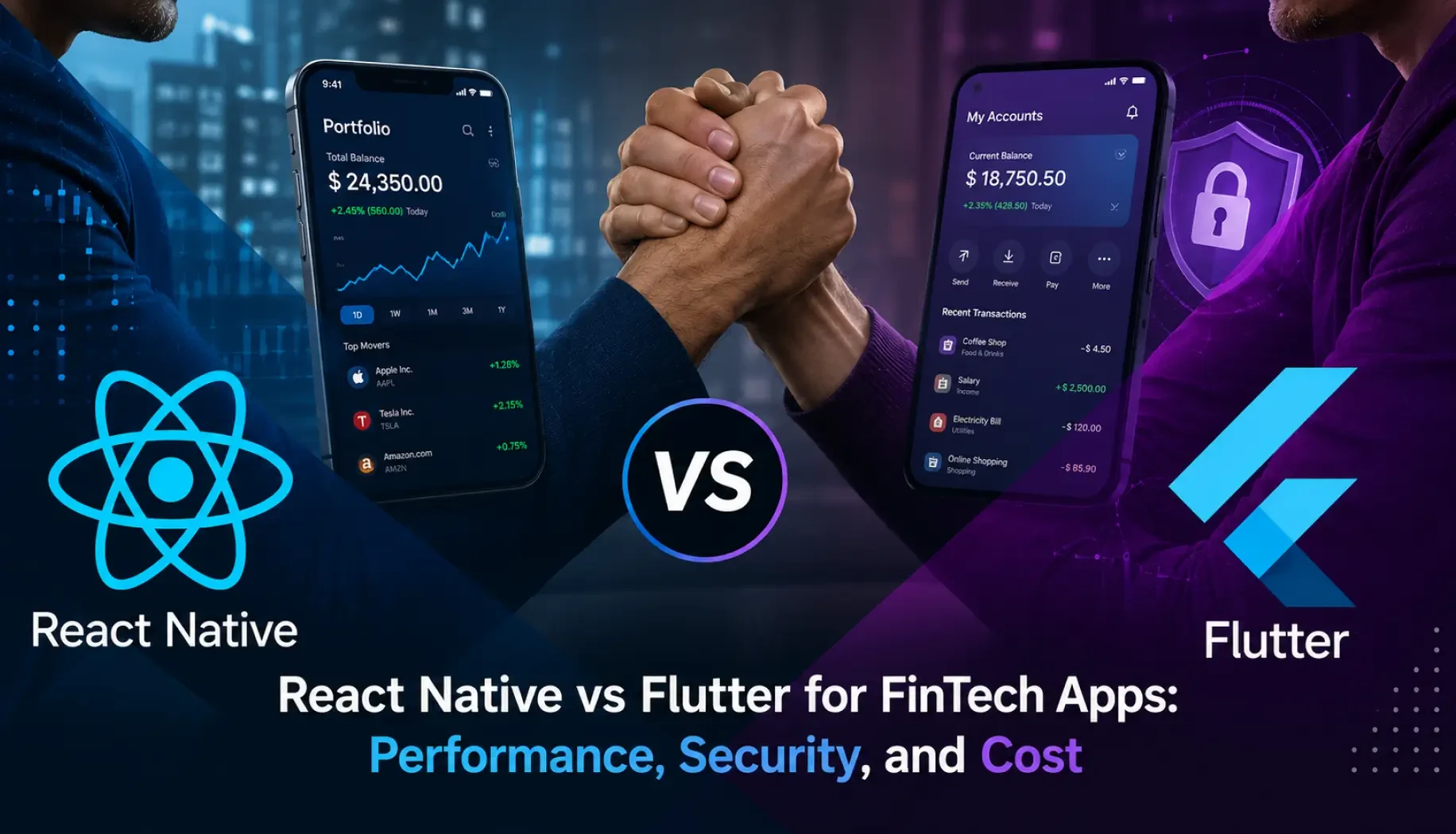
React Native vs Flutter for FinTech Apps: Performance, Security, and Cost
For fintech apps in 2026, both Flutter and React Native are strong choices. Flutter is better for performance and security, making it ideal for apps with real-time charts and sensitive data. React Native is better for faster development, easier hiring, and large-scale team growth due to its bigger developer ecosystem.

Ahmed Ginani
August 25th, 2026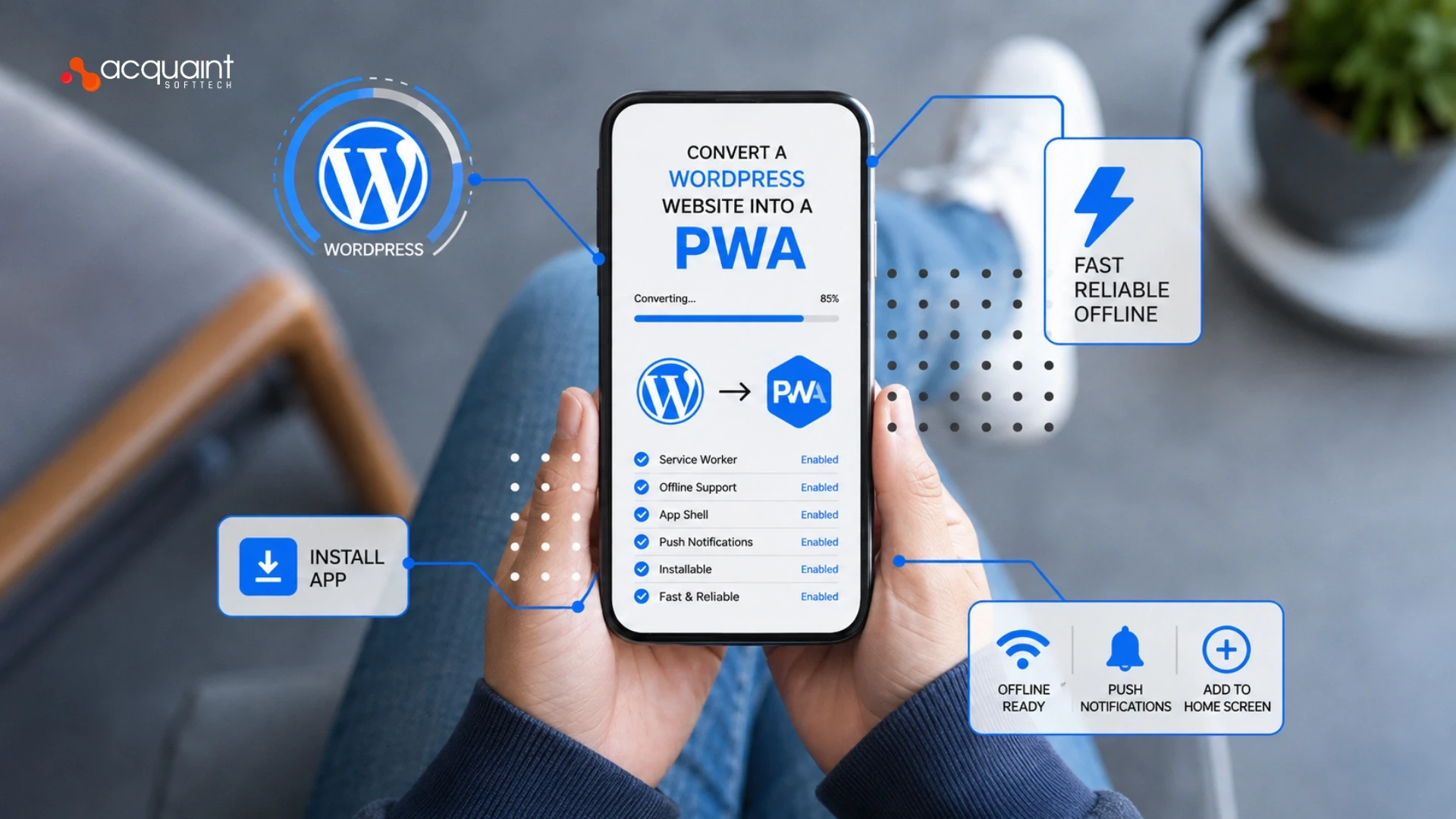
How to Convert a WordPress Website Into a PWA in 2026
To convert a WordPress site into a Progressive Web App, serve it over HTTPS, add a web app manifest and a service worker, then verify it with Lighthouse. The fastest route for most site owners is a PWA plugin; the more capable route is a custom build or a headless front end. Since iOS 16.4, iPhones support home-screen install and web push too, so a PWA now reaches almost every device without an app store.
Mukesh Ram
August 24th, 2026
Does Your Business Need a Mobile App? 3 Clear Signs in 2026
Your business likely needs a mobile app if customers use you often and repeatedly, if you need device features a website cannot reach, or if a smoother mobile experience would directly lift sales or loyalty. If none of those apply, a fast mobile website or a Progressive Web App is usually the better spend. The honest test is whether an app would earn back its build and yearly upkeep, not whether competitors have one.
Mukesh Ram
August 24th, 2026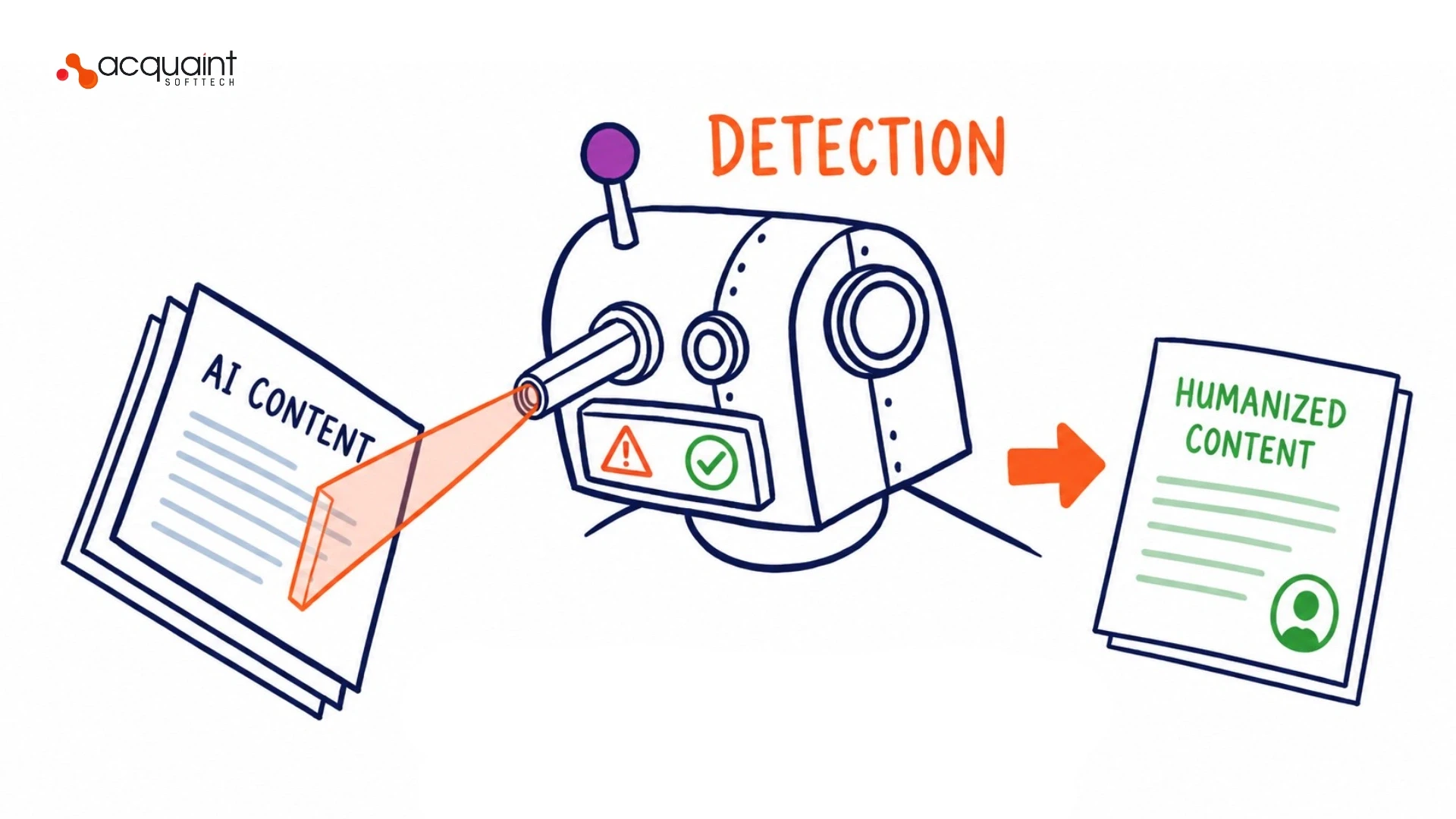
AI Content Detection and Humanization in 2026: How It Works, and How Much You Can Trust It
How AI content detectors actually work, how accurate they really are in 2026, what humanizers do, and what all of it means if you are building content features into a product. An honest, engineering-led guide.

Zubair Pateljiwala
August 24th, 2026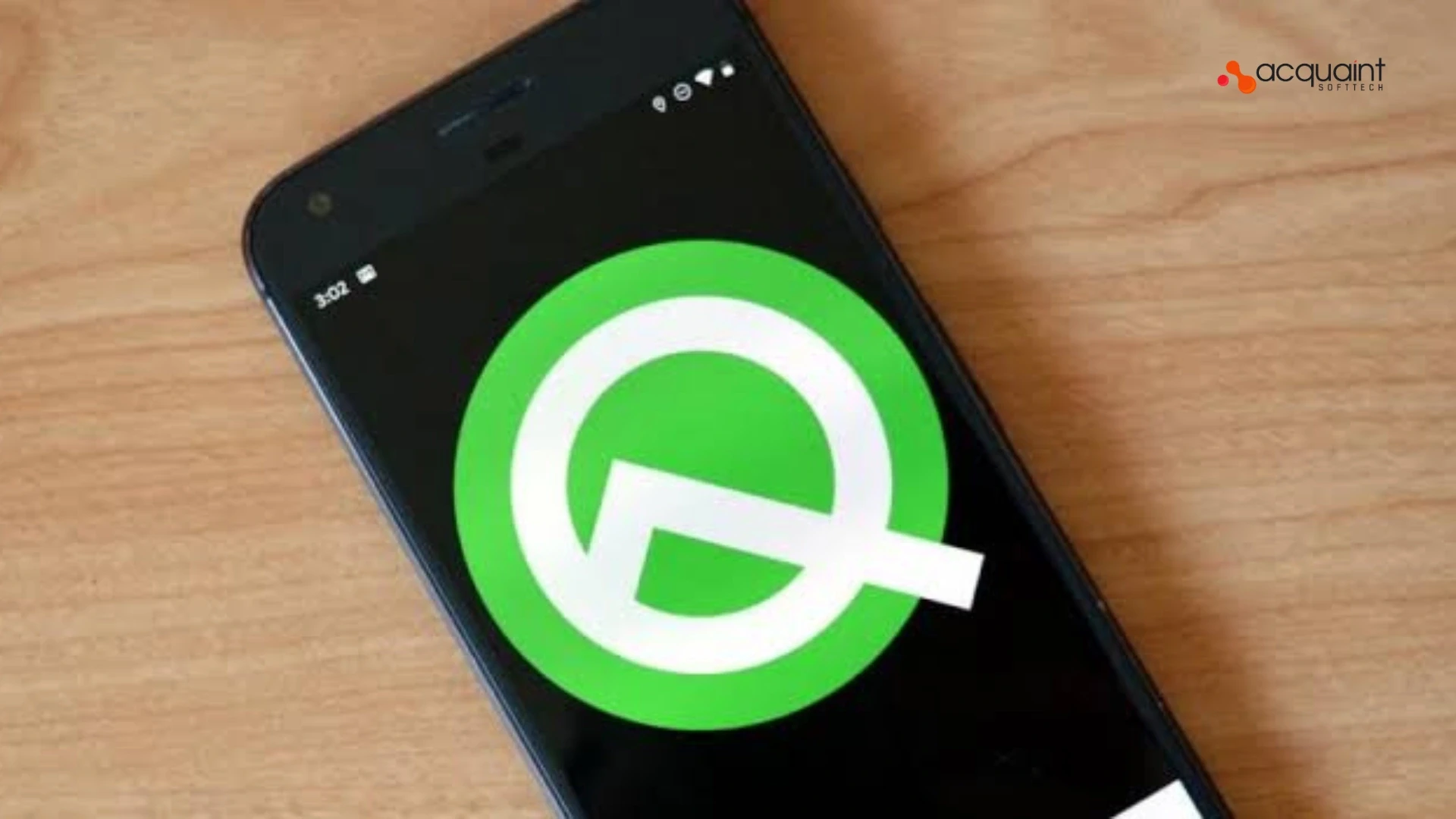
Android Q Became Android 10: What Shipped, and Why It Still Matters in 2026
Android Q launched as Android 10 on 3 September 2019, and it was the first version to drop the dessert names. It shipped full gesture navigation, a system-wide dark theme, scoped storage, more granular location permissions, and built-in screen recording, most of the features rumoured at the time. Its importance now is that it set the direction Android has followed ever since, and those same rules, especially around storage and permissions, are what decide whether an app still works and stays on the Play Store today.
Mukesh Ram
August 21st, 2026
Apple HealthKit and Google Health Connect Integration for Healthcare Apps
Apple HealthKit (iOS) and Google Health Connect (Android) are the standard platforms for accessing health data such as steps, heart rate, and sleep. Most healthcare apps integrate both to support iOS and Android, with Health Connect replacing Google Fit for Android.

Sanjay Prajapati
August 21st, 2026
Client Relationship Management for App Development Companies in 2026
For an app development company, client relationships are the cheapest source of growth, because keeping and re-engaging a client costs far less than winning a new one, and a happy client refers others. The practices that build them are clear communication, treating support and QA as part of the relationship rather than an add-on, acting on feedback, and handling price conversations professionally. The way to know it is working is to measure retention, repeat business, and referrals rather than to assume it.
Mukesh Ram
August 21st, 2026Watch Now







Laravel Blog Posts

Why Use Laravel in 2027? Benefits, Ecosystem and Built-In AI Tooling
Use Laravel because it is a secure, high-performance, open-source PHP framework that helps teams build faster and scale safely. It has a huge community, a rich official ecosystem, yearly releases with clear support windows, and, since 2027, first-party AI tooling for AI features and agents.

Acquaint Softtech
November 25th, 2026
AI Staff Augmentation: How to Add AI/ML Engineers and DevSecOps Talent to Your Team
Yes, you can staff-augment AI engineers. AI staff augmentation adds vetted AI/ML, MLOps, data, and DevSecOps engineers to your team who work under your direction. Augmented AI engineers typically start in 3 to 10 business days, versus about three months for a permanent senior AI hire. Offshore AI engineers start at about $30 an hour or $4,400 a month.

Kalpesh Rajora
November 24th, 2026
Laravel Development Cost in 2027: Hourly Rates, Project Pricing and AI Feature Costs
Laravel development usually costs $8,000 to $22,000 for an MVP, $20,000 to $65,000 for a SaaS app, and $40,000 to $100,000+ for regulated platforms. Laravel developers charge about $22 to $55 an hour in India and $100 to $180 an hour in the US. Adding AI features typically adds $10,000 to $30,000.
Mukesh Ram
November 20th, 2026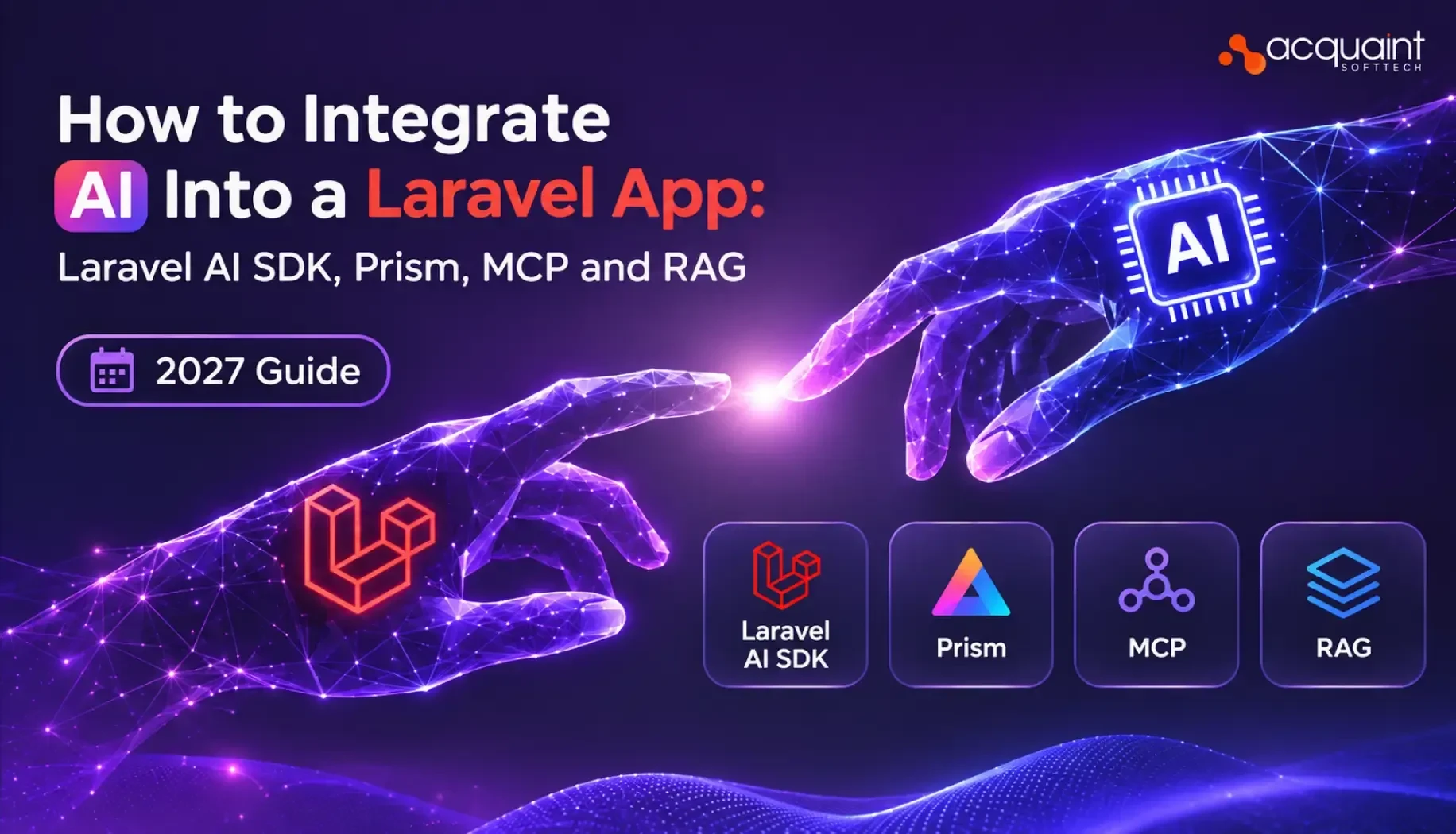
How to Integrate AI Into a Laravel App: Laravel AI SDK, Prism, MCP and RAG (2027 Guide)
To add AI to a Laravel app, install the official Laravel AI SDK (composer requires laravel/ai), route every AI call through one service layer, and ground answers in your own data with RAG and vector search. Run heavy AI work in queues, ship behind feature flags, and track token costs from day one.
Acquaint Softtech
November 17th, 2026
Building AI Agents in Laravel: Architecture, Tools and Cost
Yes, Laravel can run AI agents natively. The first-party Laravel AI SDK lets you build agents with instructions, tools, memory, structured output, streaming, and queues, and Laravel MCP connects agents to external AI clients and tools. An AI agent proof of concept typically costs $12,000 to $20,000 and takes two to three weeks.
Kalpesh Rajora
November 13th, 2026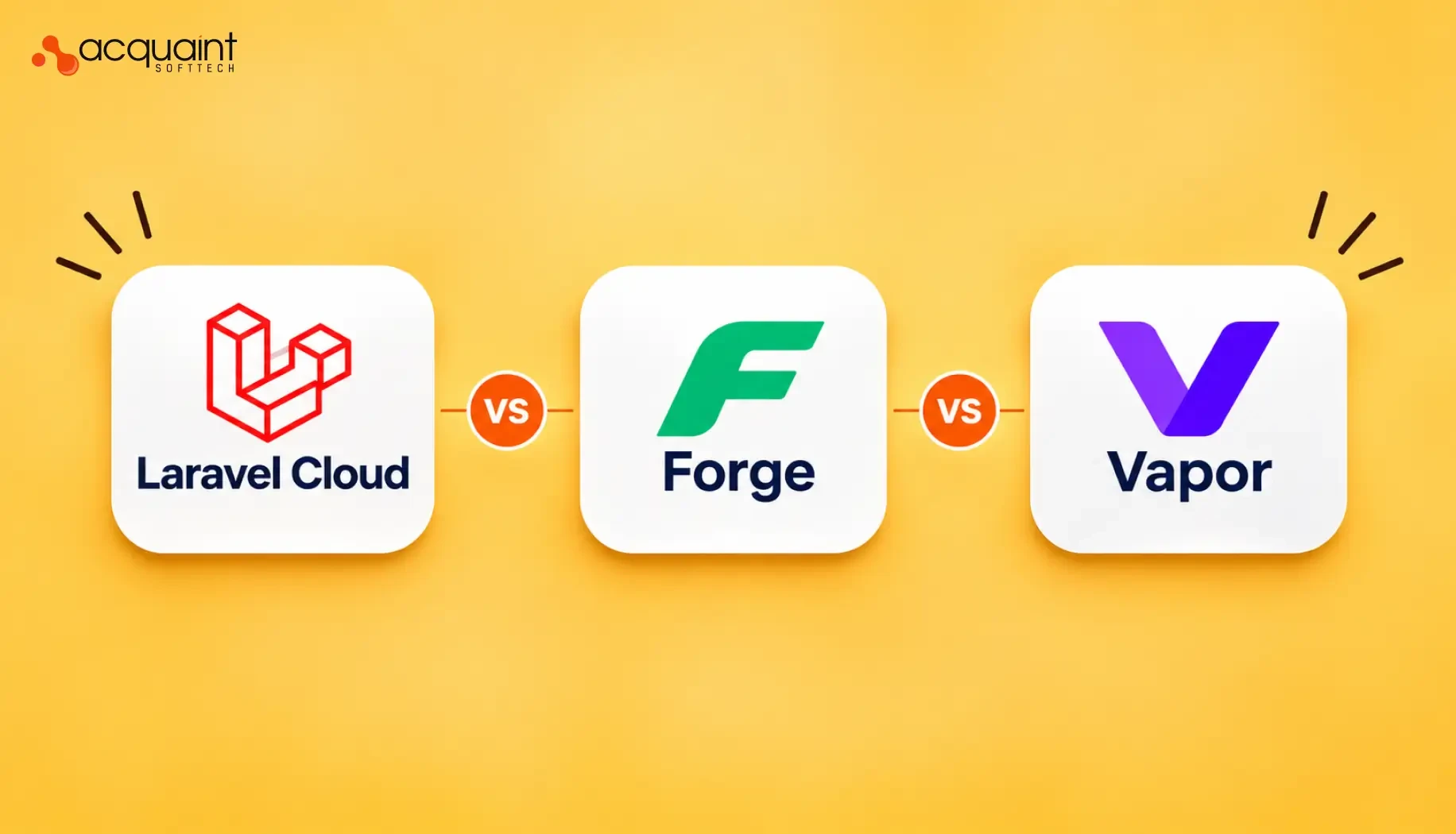
Laravel Cloud vs Forge vs Vapor: Choosing the Right Laravel Hosting Platform
Choose Laravel Cloud for fully managed hosting with autoscaling, from $5 a month plus usage. Choose Laravel Forge for root access and flat pricing, from $12 a month plus your server, if your team can maintain servers. Laravel Vapor no longer accepts new signups.

Chirag Daxini
November 10th, 2026Staff Augmentation insights
AI Staff Augmentation: How to Add AI/ML Engineers and DevSecOps Talent to Your Team
Yes, you can staff-augment AI engineers. AI staff augmentation adds vetted AI/ML, MLOps, data, and DevSecOps engineers to your team who work under your direction. Augmented AI engineers typically start in 3 to 10 business days, versus about three months for a permanent senior AI hire. Offshore AI engineers start at about $30 an hour or $4,400 a month.
Kalpesh Rajora
November 24th, 2026
What Is Staff Augmentation? Meaning, Models, Costs and Examples (2027)
Staff augmentation means adding skilled external professionals to your in-house team for a set period, while you keep control of their work. A partner handles hiring, vetting and employment. Companies use it to fill skill gaps, meet deadlines and scale quickly without permanent hires. Augmented developers typically cost from $22 an hour or $3,200 a month.
Acquaint Softtech
November 19th, 2026
Technology Staff Augmentation: Roles, Models and When It Works
Technology staff augmentation is a hiring model where you add vetted external engineers to your in-house team for as long as you need them, while you keep control of the work. You can augment developers, QA, DevOps, data and AI/ML engineers. With an experienced partner, augmented engineers can start within 48 hours.
Ahmed Ginani
November 12th, 2026
Staff Augmentation Process: 7 Steps From Requirement to Onboarding
The staff augmentation process has seven steps: define the requirement, choose the model and partner, review matched profiles, interview and select, sign the contract and NDA, onboard into your team, and review, scale, or exit. With an experienced partner, a developer can start within 48 hours of confirmation. You manage their daily work; the partner manages employment.
Chirag Daxini
November 9th, 2026
Staff Augmentation vs Managed Services: Cost, Control and Risk Compared
Staff augmentation adds skilled engineers to your team, and you direct their work. Managed services hand a whole function to a provider, who owns delivery against agreed service levels. Staff augmentation usually costs less and gives you more control; managed services cost more but move day-to-day delivery risk to the provider.
Mukesh Ram
November 4th, 2026
Skills-Based Hiring Over Job Titles: The New Staff Augmentation Model for Laravel and DevOps Pods
A Laravel and DevOps pod is a small cross-functional unit bought as one thing: usually two Laravel engineers, a part-share of a DevOps engineer, a part-share of QA, and delivery oversight. It replaces the old model of hiring one developer by job title, because modern Laravel work needs several skills at once and rarely needs a full-time person for each of them.
Kalpesh Rajora
August 27th, 2026Python insights

Python Developer Cost in 2027: Hourly Rates by Country, Role and AI specialization
A Python developer costs $20 to $150+ an hour in 2027. Vetted India-based developers typically cost $20 to $60 an hour, Eastern Europe $40 to $80, and the US $60 to $150+. AI/ML Python engineers usually cost 20 to 40 percent more than general backend developers.
Acquaint Softtech
November 23rd, 2026
How to Hire Python Developers in 2027: Rates, Vetting, AI/ML Skills and Engagement Models
To hire a Python developer, define what they will build, choose an engagement model, then vet production experience with a debugging walkthrough, a realistic code task, and a short paid trial. Vetted offshore Python developers start from about $22 an hour or $3,200 a month, and can join your team within 48 hours.
Acquaint Softtech
November 18th, 2026
What Is Django Used For? 12 Types of Products Built With Django
Django is a free, open-source Python web framework used to build secure, database-driven web applications and APIs. It powers SaaS platforms, content management systems, eCommerce stores, API backends for mobile apps, healthcare and fintech platforms, internal tools, social platforms, analytics dashboards, and AI-powered applications.
Ahmed Ginani
November 11th, 2026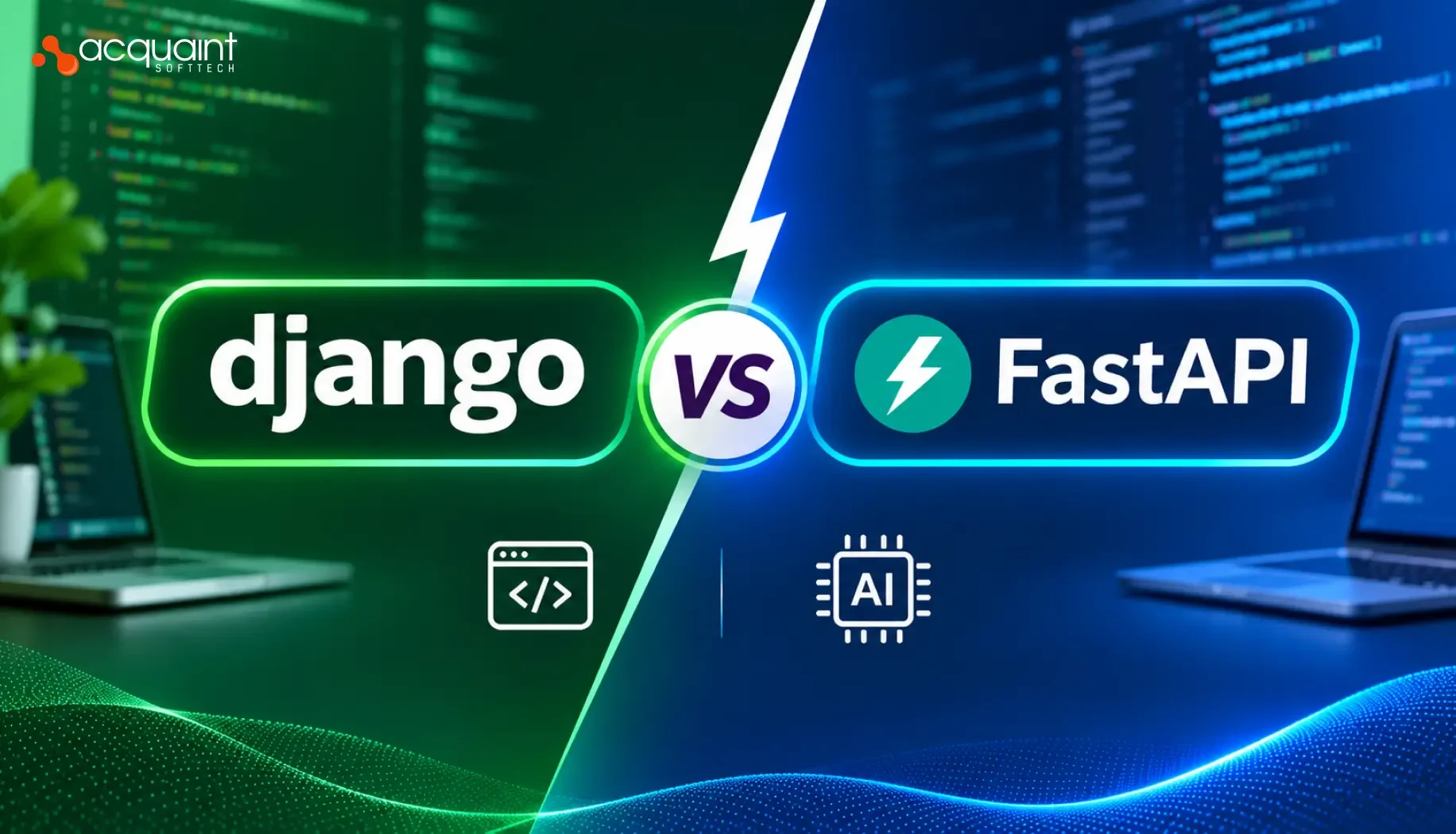
Django vs FastAPI (and Flask) in 2027: Which to Use?
FastAPI hits 20,000 RPS. Django ships admin panels in hours. Flask lets you build exactly what you need. This guide breaks down Django vs FastAPI vs Flask with real 2026 benchmarks, a 15-dimension comparison, and a 12-scenario decision matrix.
Acquaint Softtech
November 6th, 2026
Flask vs Django: Which Python Framework Fits Your Project?
Choose Django for full web applications that need users, an admin panel, a database, and strong security out of the box. Choose Flask for small services, APIs, and products where you want to pick every component yourself. Neither is better overall; the right choice depends on scope, team, and how fast you need to ship.
Chirag Daxini
November 3rd, 2026
How to Hire Python Developers for AI Agent Projects
Hire Python developers for AI agent projects in 2026: real salary data, LangChain/RAG skills checklist, engagement models, and the 3 hidden roles to watch for.
Mukesh Ram
October 7th, 2026DevOps insights
GDPR-Compliant Cloud Infrastructure: What a DevOps Engineer Sets Up for UK and EU Companies in 2026
GDPR compliance requires specific cloud infrastructure controls, not just cookie banners and privacy policies. Here is what a DevOps engineer sets up for UK and EU SaaS companies in 2026.

Taukir katava
June 30th, 2026
Secrets Management With AWS Secrets Manager and HashiCorp Vault: What a DevOps Engineer Implements in 2026
Secrets stored in .env files and environment variables are the leading cause of production credential incidents. Here is what a DevOps engineer implements using AWS Secrets Manager and HashiCorp Vault.
Taukir katava
June 29th, 2026
Infrastructure Security Audit Before Launch: What a DevOps Engineer Checks for Your SaaS in 2026
A pre-launch security audit finds the gaps before your users do. Here is the 10-point infrastructure security checklist a DevOps engineer runs for UK, European, and US SaaS companies before launch.
Taukir katava
June 26th, 2026
AWS WAF and CloudFront Security: What a DevOps Engineer Configures and What Protection You Get in 2026
AWS WAF and CloudFront form the first line of defence for a SaaS product. Here is exactly what a DevOps engineer configures, what attacks each rule prevents, and what it costs.
Taukir katava
June 25th, 2026
DevSecOps Engineer Cost in 2026: What Security-First DevOps Actually Costs to Hire
A DevSecOps engineer costs more than a standard DevOps engineer, but the premium is smaller than most teams expect. Here is the honest 2026 cost breakdown for UK, European, and US SaaS teams.
Ahmed Ginani
June 24th, 2026
DevSecOps in 2026: Why Security-Embedded DevOps Is Non-Negotiable and What It Costs to Hire
DevSecOps embeds security into every stage of development rather than adding it after deployment. Here is why it is non-negotiable in 2026 and what it costs to hire for UK, European, and US SaaS teams.
Mukesh Ram
June 23rd, 2026India (Head Office)
203/204, Shapath-II, Near Silver Leaf Hotel, Opp. Rajpath Club, SG Highway, Ahmedabad-380054, Gujarat
USA
7838 Camino Cielo St, Highland, CA 92346
UK
The Powerhouse, 21 Woodthorpe Road, Ashford, England, TW15 2RP
New Zealand
42 Exler Place, Avondale, Auckland 0600, New Zealand
Canada
141 Skyview Bay NE , Calgary, Alberta, T3N 2K6
Your Project. Our Expertise. Let’s Connect.
Get in touch with our team to discuss your goals and start your journey with vetted developers in 48 hours.