A simple guide that helps you to take steps to develop a website for your healthcare business that covers all important factors for business growth.

An easy startup guide for developing a club booking website in 2026 that answers all touch questions about website development.
Your bible to understand Kotlin and why it became so popular in flash with its list of features, and why it's best for App development for your business in 2023.
Building a creative agency website? Save time and start your successful journey with these top 5 tips. A guide with successful tips for your future success.
To build a crowdfunding website, choose your model (reward, donation, equity, or debt) and niche, plan the budget and legal compliance, pick a development partner, and launch an MVP first. Core features include project creation, a secure multi-currency payment gateway, search and discovery, social sharing, analytics, communication, and rewards management.
To build a fishing charter website, create a clear, informative site with the key pages (home, about, boats, pricing, contact) and add online booking with a secure payment gateway so tourists can pre-book trips. Focus on strong content, high-quality photos, mobile-friendly design, trust signals, and local SEO. Cost depends on features and booking complexity. A well-built website helps a charter business stand out, reach tourists and grow bookings.
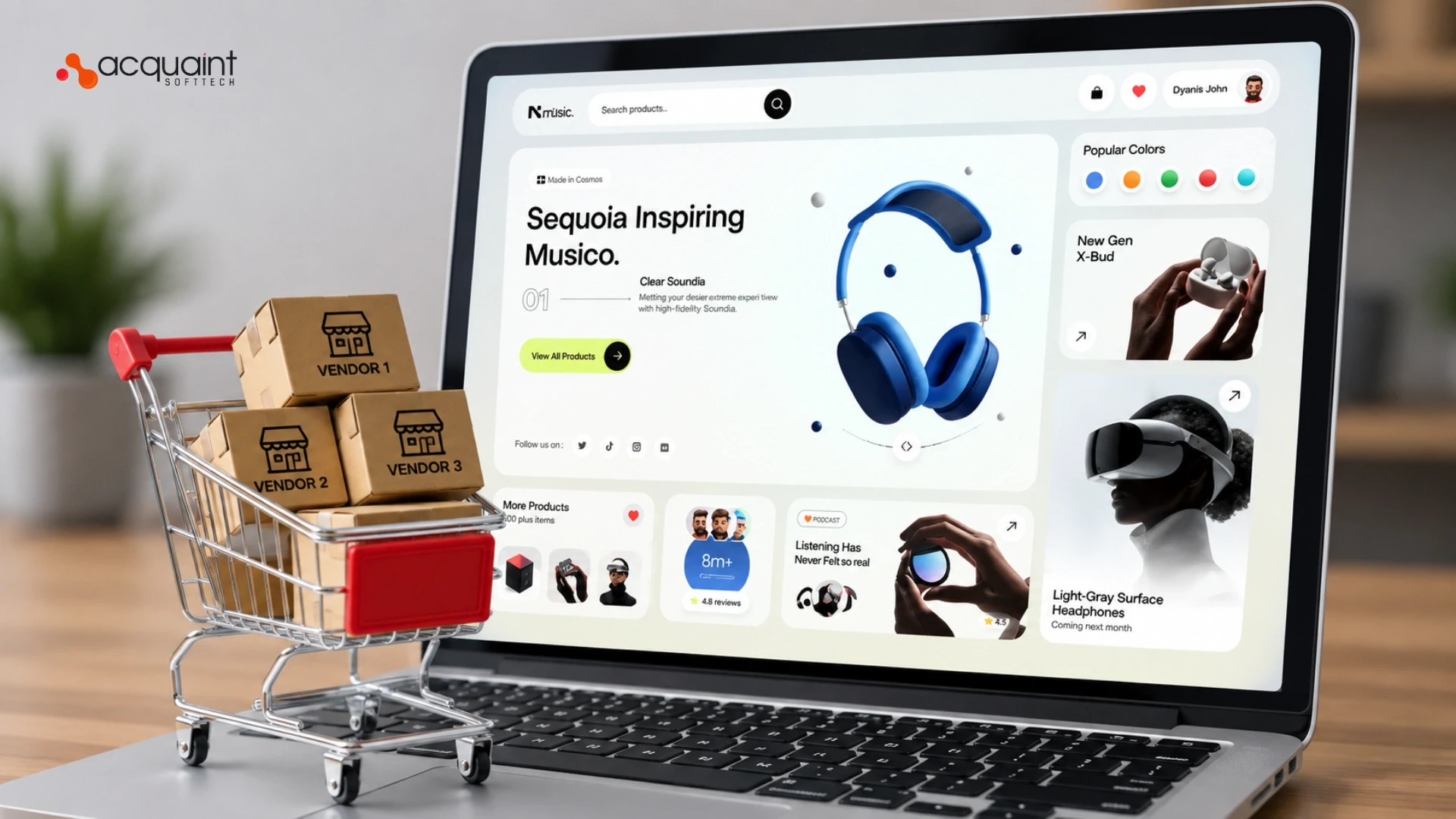
A multi-vendor marketplace is an online platform where multiple vendors sell products to multiple customers in one place, similar to Amazon or eBay. To build one, choose a niche and revenue model, select a platform (open-source, SaaS, or custom), and launch an MVP with essential features such as vendor and customer accounts, dashboards, product listings, search, cart, secure payments, ratings, and an admin panel. Development costs usually range from $30,000 to $150,000, depending on the features and scale.
An instant messaging app is a real-time chat platform with secure login, one-to-one and group messaging, media sharing, notifications, audio/video calls, and end-to-end encryption. Start with market research and build an MVP first. Development cost is usually $40,000-$150,000+, depending on features and scale.
To develop virtual classroom software, you build an online learning platform where teachers run live sessions, and students join by smartphone, laptop, or PC. The core build needs video conferencing, courses, study materials, notifications, file storage, performance evaluation, screen sharing, digital certificates, and an admin panel. Start by defining course requirements and goals, set a budget, plan the modules, and build a lean MVP first to test the market.

.jpg "How to Build a Professional Healthcare Website In 2023")