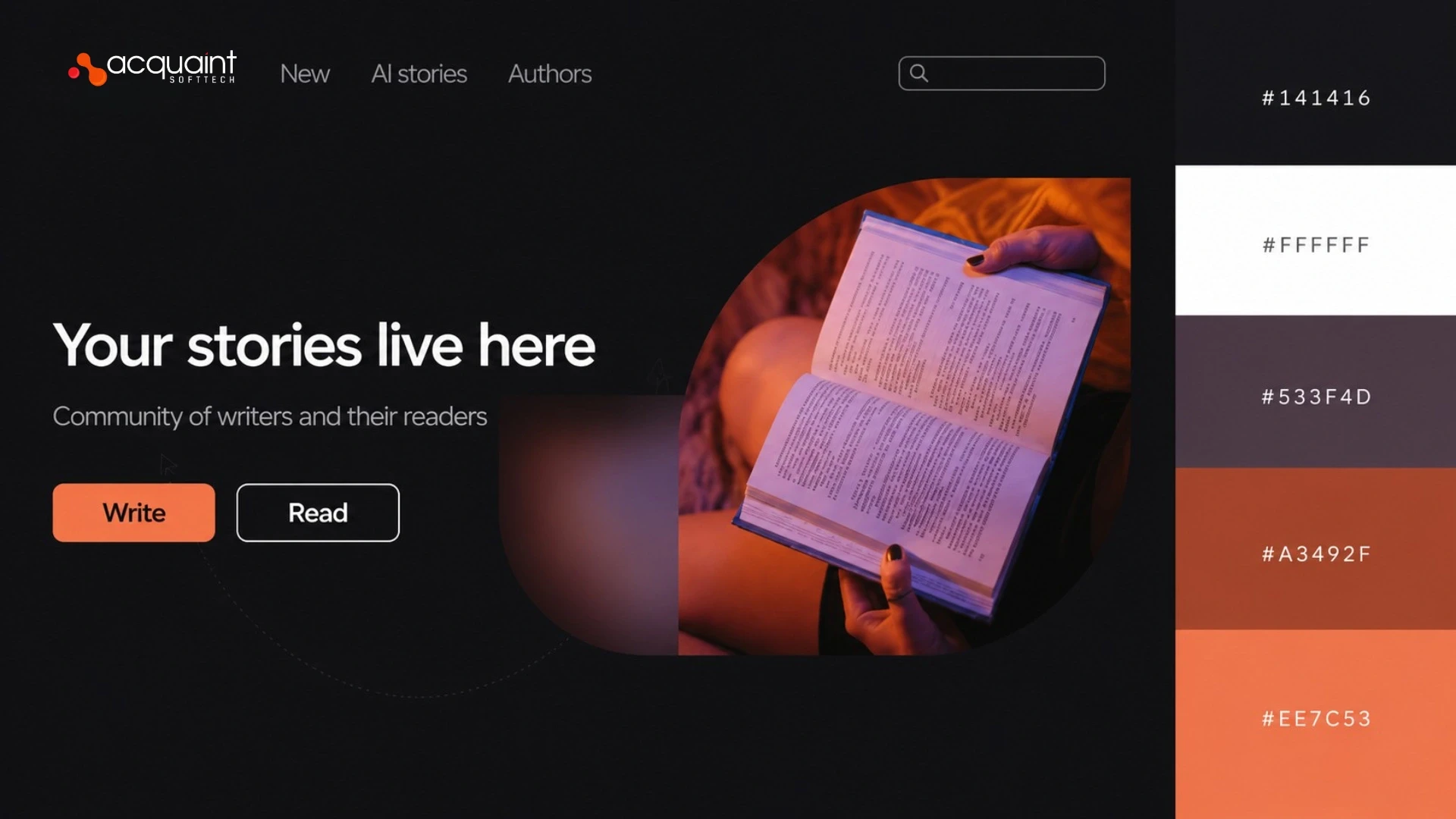
The best way to present web design to a client in 2026 is a shared, live design link they can comment on directly, backed by a short recorded walkthrough for clients in other time zones and a live call for the big decisions. Static images and emailed PDFs still have a place for sign-off, but they go stale the moment you edit. What matters more than the method is the framing: explain the reasoning before the visuals, and you will get better feedback and far fewer revision rounds.

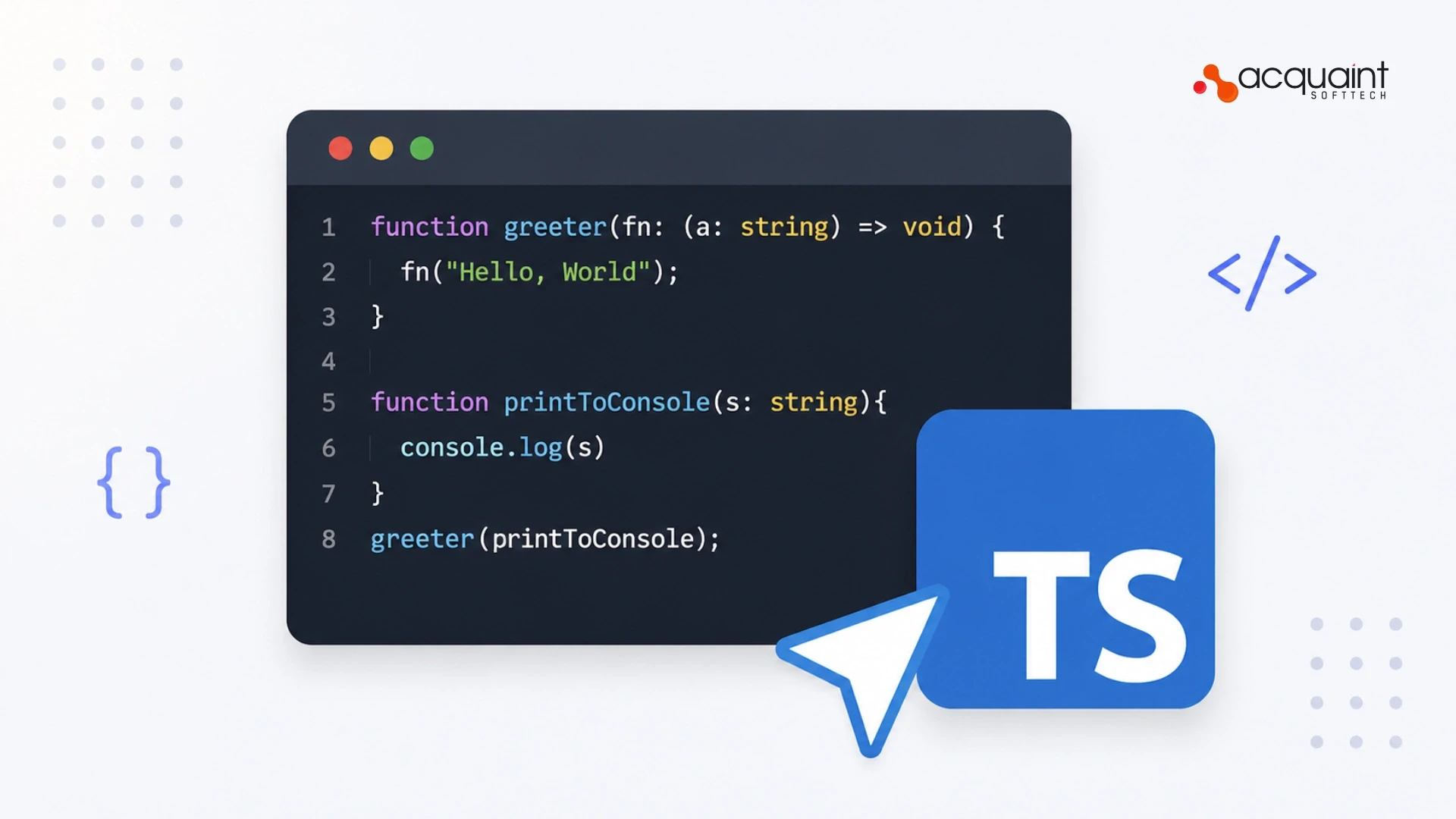
TypeScript is JavaScript with a type system layered on top. You write types, a checker verifies them before your code runs, and the types are removed before execution. Two things changed recently: Node.js now runs .ts files directly without a build step, and TypeScript 7 rewrote the compiler in Go for roughly ten times faster type checking. The important caveat is that Node strips types without checking them, so you still run the type checker separately in CI.
The forces shaping UX design in 2026 are legal and technical rather than aesthetic. Accessibility is now enforceable law in the EU and UK, deceptive interface patterns are explicitly prohibited under the EU Digital Services Act, and AI features have introduced new design problems around trust, correction and consent. Gradients, illustrations and full-screen video are visual design choices, not user experience decisions, and confusing the two is the most common mistake in this field.
The five code playgrounds worth using in 2026 are CodePen for front-end demos, StackBlitz for running real npm projects in the browser, CodeSandbox for sharing full app prototypes, GitHub Codespaces for working on an actual repository, and the language-specific playgrounds such as TypeScript Play for testing syntax. CSSDeck and Dabblet from the original list are no longer maintained. Never paste client or production code into a public playground, because most default to public and you may be handing away confidential work.
The most useful modern CSS features are container queries, the:has() parent selector, cascade layers, custom properties with clamp(), subgrid, the popover attribute, and user-preference queries such as prefers-reduced-motion. Each one removes JavaScript that front ends used to require, which cuts bundle size and maintenance rather than just adding visual effects. The term CSS3 is obsolete: CSS is now released as independent modules, and Baseline is the standard way to check whether a feature is safe to use.
A website redesign is worth doing when the site misrepresents your business, fails accessibility rules, cannot meet Core Web Vitals thresholds, or blocks your team from publishing. It is not worth doing simply because the site looks dated or a new marketing lead dislikes it. Measure conversion, speed and top-page traffic before you start, then rebuild in phases so you can prove the new version is better rather than hope it is.
Colour in web design is now governed by contrast and accessibility, not psychology. Under WCAG 2.2 level AA, body text needs a contrast ratio of at least 4.5:1 and large text and interface components need at least 3:1. Build from one brand colour, one neutral scale and four functional colours, define them as reusable tokens, and never let colour be the only signal.
If you are learning to develop a website or are looking to get it built for your business, here are 8 things you need to know of while developing a website.




-(1).webp "4 Benefits of Redesigning Your Website (And When Not To)")