An on-demand app development company builds custom software that connects users with instant services, goods, or transport through real-time digital platforms. These agencies handle the multi-sided architecture behind customer apps, service-provider dashboards, and admin panels. To hire the right one, research the market, set your priorities, make inquiries, check credentials, and choose the apt partner. Core features include real-time GPS tracking, secure payments, push notifications, and admin dashboards.

Building an app like Uber Eats means creating a multi-sided ecosystem of four interfaces: a customer app, a delivery driver app, a restaurant dashboard, and a central admin panel. A custom-coded MVP typically costs $75,000 to $120,000 (much less with no-code tools), and success depends on smart market positioning, core feature implementation, and US legal compliance. The proven path is to pick a niche, handle legal requirements, choose your build approach, ship a focused MVP, then test rigorously.
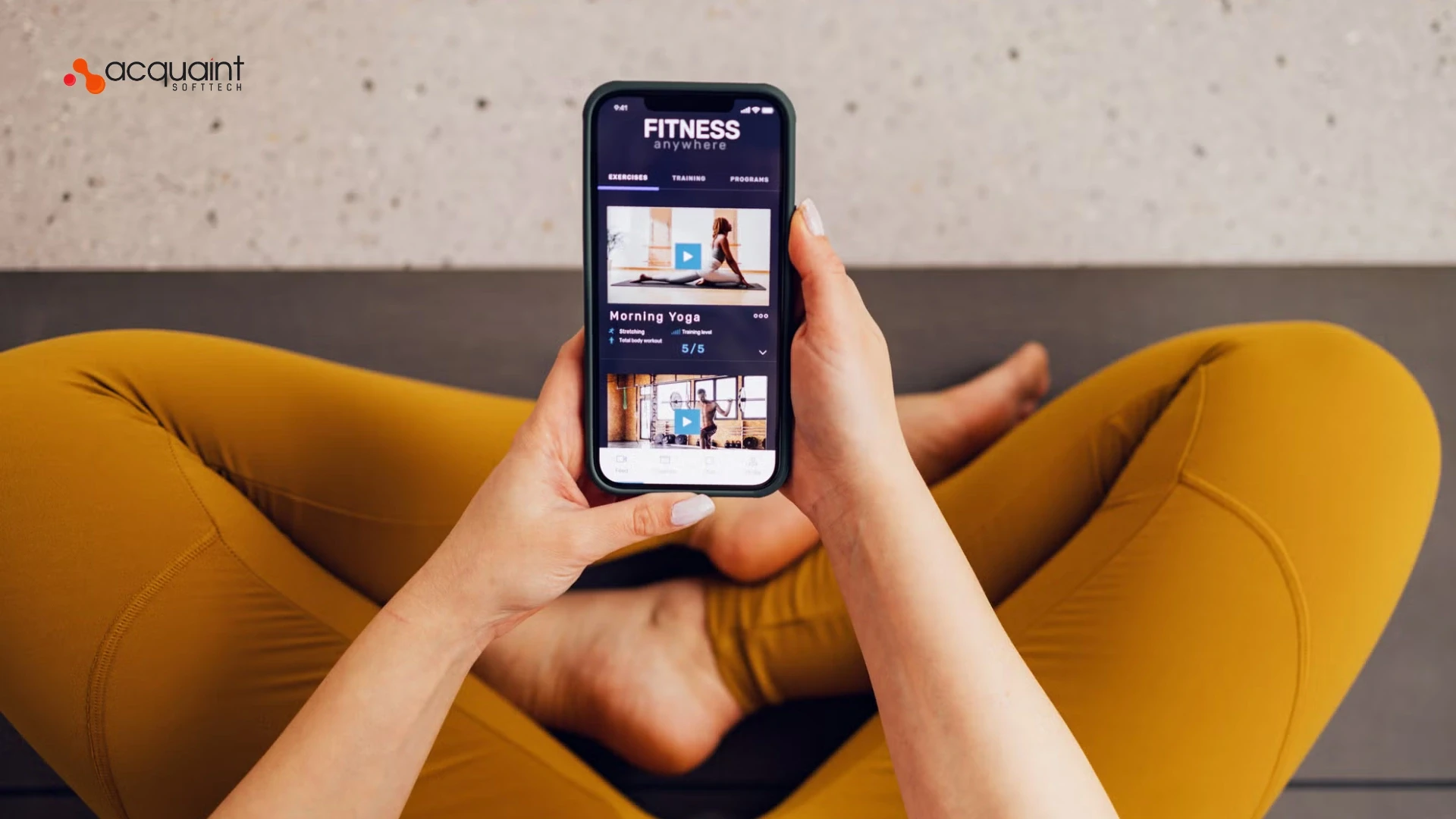
Developing a fitness app generally costs between $20,000 and $400,000+, depending on features, complexity, and whether you use advanced technology like custom AI. A simple MVP lands at the lower end, while an enterprise-grade coaching platform with AI and live streaming can exceed the upper limit. A standard MVP usually costs $25,000 to $60,000, and a mid-level app with wearable syncing or GPS runs $40,000 to $100,000.
Before developing a shopping app, evaluate seven core factors: target audience needs, intuitive UI/UX design, a frictionless checkout flow, robust data security, clear product navigation, strategic push notifications, and post-purchase order tracking. Get these right, and you turn browsers into buyers. In 2026, most retailers also weigh whether a native app or a Progressive Web App (PWA) fits best, since a PWA runs fast on all devices from a single codebase.
Yes, React Native autolinking was officially introduced in version 0.60, released by the React Native team in July 2019. The 0.60 line (latest patch v0.60.6) brought monumental shifts: autolinking of native modules, full AndroidX migration, optional Hermes on Android, CocoaPods by default for iOS, and Lean Core removals (WebView, NetInfo, Geolocation moved to community packages).
Mobile apps fail primarily due to a lack of real market need, poor user experience (UX), technical bugs and instability, weak testing, and thin marketing. To avoid failure, validate a real user problem through research, launch a simple MVP with core features first, prioritize clean design, test extensively across devices, and plan continuous post-launch updates. Most failures trace back to skipped planning, not bad code.
Mobile app categories are official groupings used by app stores like the Apple App Store and Google Play to classify software by its core purpose, target audience, and primary function: Social Networking, Productivity, Entertainment, Gaming, Health & Fitness, Finance, Shopping, Travel, Education, and Lifestyle & Utilities.
The mobile app development process is a structured set of 10 steps that moves an idea from concept to a published app: ideation, target audience and monetization, choosing the platform, UI/UX design, picking tools, choosing the right partner, fast development, testing and deployment, marketing, and post-launch maintenance. Following the steps in order, rather than rushing to publish, is what separates apps that get downloads from the ones that get ignored.
Cryptocurrency application development involves building blockchain-powered digital tools, wallets, exchanges, portfolio trackers, and decentralized apps (dApps), that let users store, trade, and manage crypto assets securely. In 2026, the biggest shift is from basic price trackers to secure, compliant, real-time platforms with audited smart contracts. A typical build costs about $30,000 for a wallet MVP up to $150,000+ for a full exchange, over a 3- to 9-month timeline.

.webp "How To Hire a Top On-Demand App Development Company (2026 Guide)")
.webp "How To Create an On-Demand Food Delivery App Like Uber Eats (2026 USA Guide)")
.webp "7 Things to Consider Before Creating a Mobile Shopping App (2026 Guide)")
.webp "Exciting Features of React Native 0.60: Autolinking, CocoaPods & AndroidX (2026 Update)")
.webp "Top 10 Reasons Why Mobile Apps Fail in 2026")
.webp "Why Choosing the Right App Category Is a Game-Changer for a Successful Mobile Application")