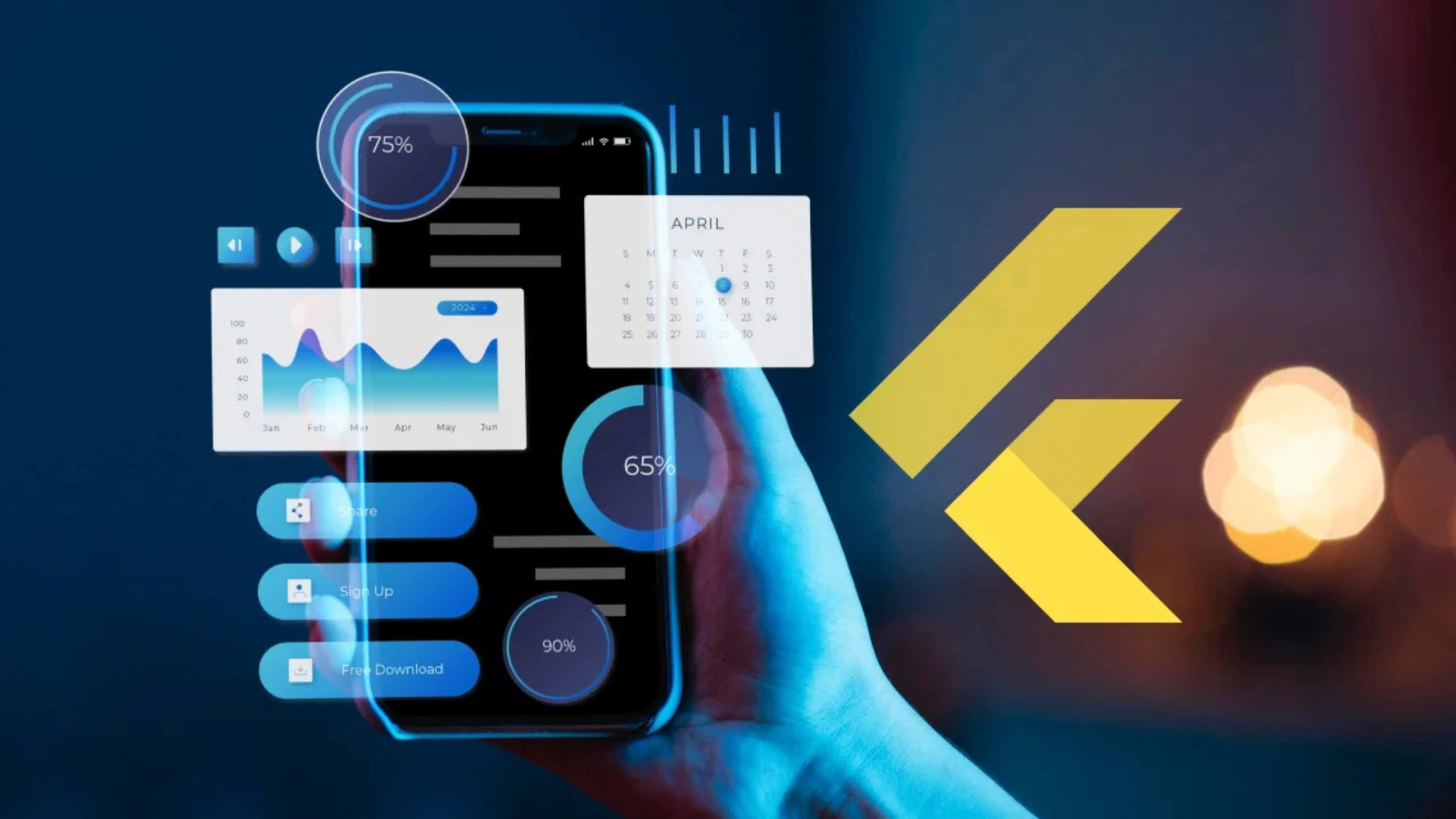
The best Flutter app development company depends on your project goals, but the top-rated partners all share three traits: a real portfolio of published Flutter apps, clean state management (BLoC, Provider, or Riverpod), and full lifecycle support from UI design to backend sync and CI/CD. In 2026, Flutter holds roughly 46% of the cross-platform developer market, so choosing a proven team, not the first Google result, is what protects your budget and timeline.

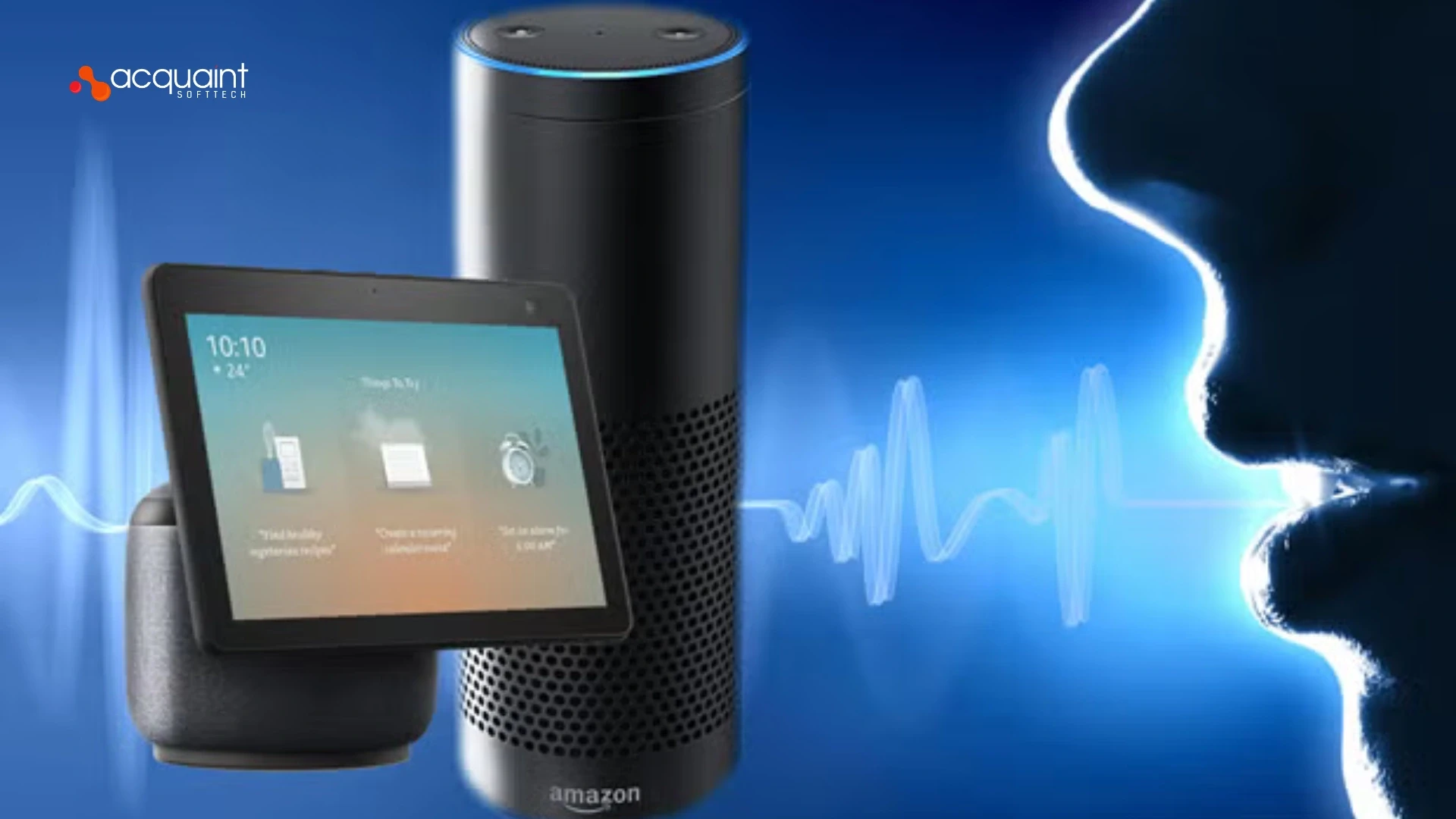
Voice application development builds software interfaces controlled primarily or entirely by human speech, using Voice User Interfaces (VUIs), Speech-to-Text (STT), Large Language Models (LLMs), and Text-to-Speech (TTS). In 2026, the biggest shift is from simple voice search to real-time voice AI agents that understand, reason, and reply in under a second.
To create a QR code for an app, copy your app store landing page link (or a smart link that sends iPhone users to the Apple App Store and Android users to Google Play), paste it into a free QR code generator such as Canva, Adobe Express, or QR Code Monkey, then customize and download it as a PNG or SVG. Google Chrome and most generators are free, with no sign-up needed.
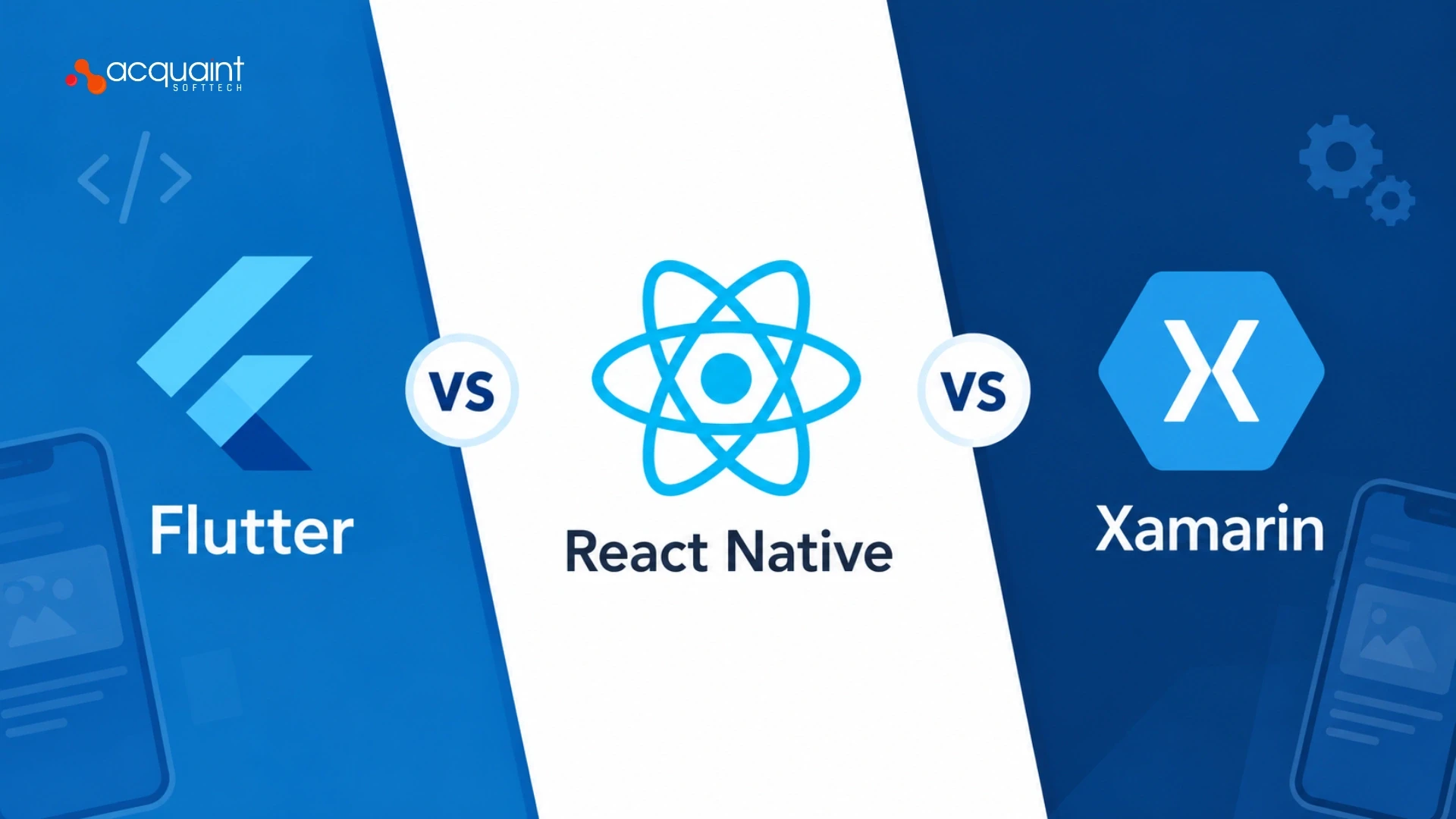
This is no longer a three-way race. Microsoft discontinued Xamarin on 1 May 2024, so for new apps the real choice is Flutter versus React Native, with Xamarin's successor .NET MAUI as the option for teams committed to the Microsoft and C# ecosystem. Choose React Native if your team knows JavaScript and you want the largest ecosystem; choose Flutter for a single, highly consistent UI and strong performance; choose .NET MAUI only if you are a .NET shop. The old advice to weigh Xamarin as a live contender is out of date.
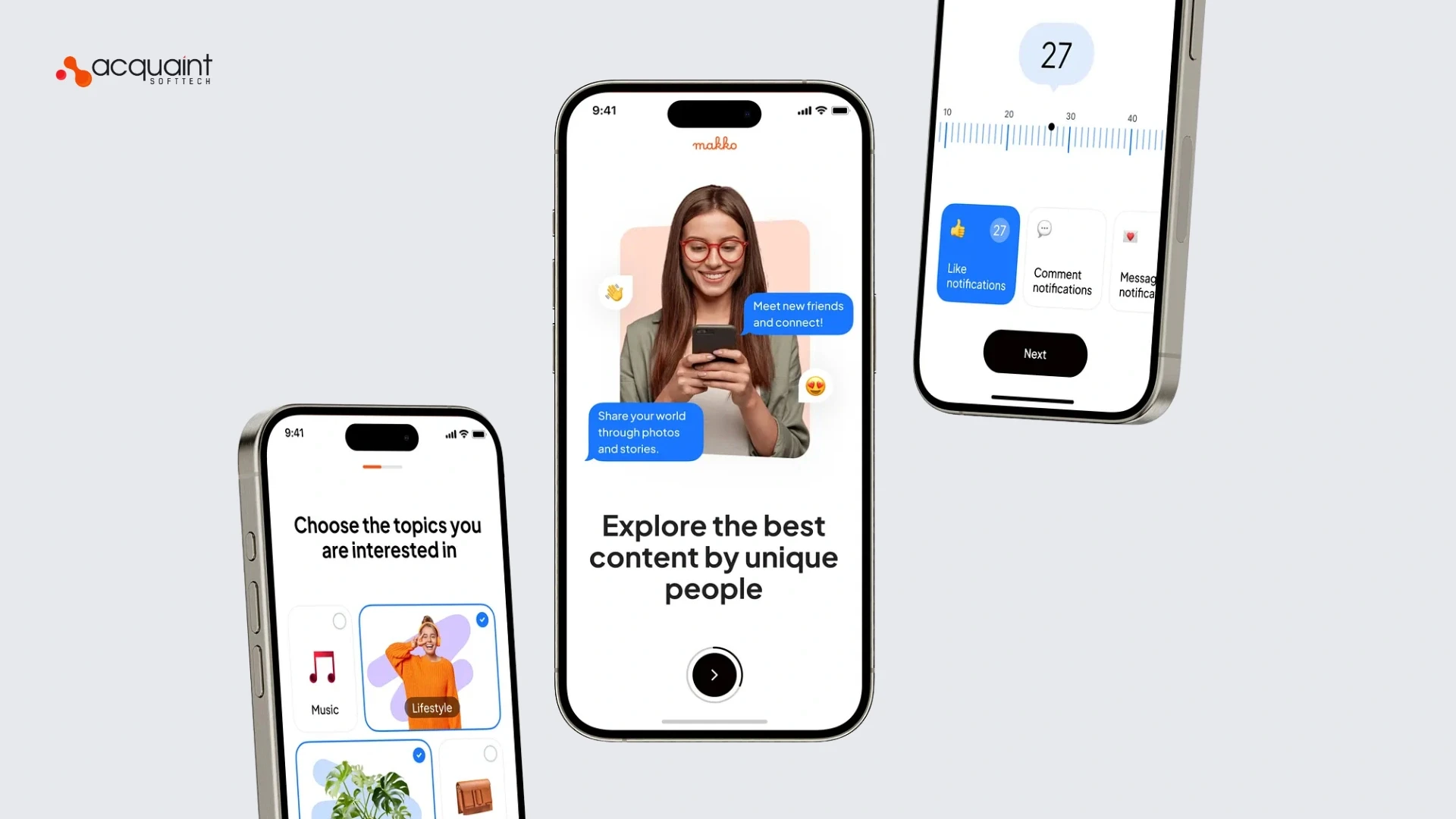
Mobile app UI/UX design decides whether people keep an app or delete it, usually within the first minute. UI is how the app looks; UX is whether it actually works for the user. Good design is not decoration, it is retention, conversion and trust, and in 2026 it also means meeting accessibility law and following each platform's conventions. An app that is hard to use fails no matter how good the engineering behind it, which is why design is a business decision, not a cosmetic one.
Apple WWDC is coming soon and is very excited about this. But first, let’s clear our rumors and the amazing features you can expect in iOS 13.
React Native lets you build Android and iOS apps from one JavaScript and TypeScript codebase, typically sharing most of the code across both platforms. Its real benefits are reuse, fast development with instant preview, and a huge ecosystem of libraries. Since 2019, it has matured completely: the old bridge was replaced by the New Architecture, which fixed the performance and animation weaknesses it was once criticised for. It is now a mainstream choice used by Shopify, Discord and Microsoft, not the risky newcomer early articles described.
Clean Android code comes from four durable habits: name things clearly, delete dead code, keep a consistent style, and reuse trusted libraries instead of reinventing. What has changed since these were first written is that tooling now enforces most of them automatically. A linter and formatter such as ktlint handles style, static analysis flags dead code, and continuous integration blocks anything that fails. The principles are the same; the difference in 2026 is that a good team makes them automatic rather than relying on discipline alone.
Your business likely needs a mobile app if customers use you often and repeatedly, if you need device features a website cannot reach, or if a smoother mobile experience would directly lift sales or loyalty. If none of those apply, a fast mobile website or a Progressive Web App is usually the better spend. The honest test is whether an app would earn back its build and yearly upkeep, not whether competitors have one.

.webp "How to Create a QR Code for an App With an Online QR Code Generator")