For an app development company, client relationships are the cheapest source of growth, because keeping and re-engaging a client costs far less than winning a new one, and a happy client refers others. The practices that build them are clear communication, treating support and QA as part of the relationship rather than an add-on, acting on feedback, and handling price conversations professionally. The way to know it is working is to measure retention, repeat business, and referrals rather than to assume it.

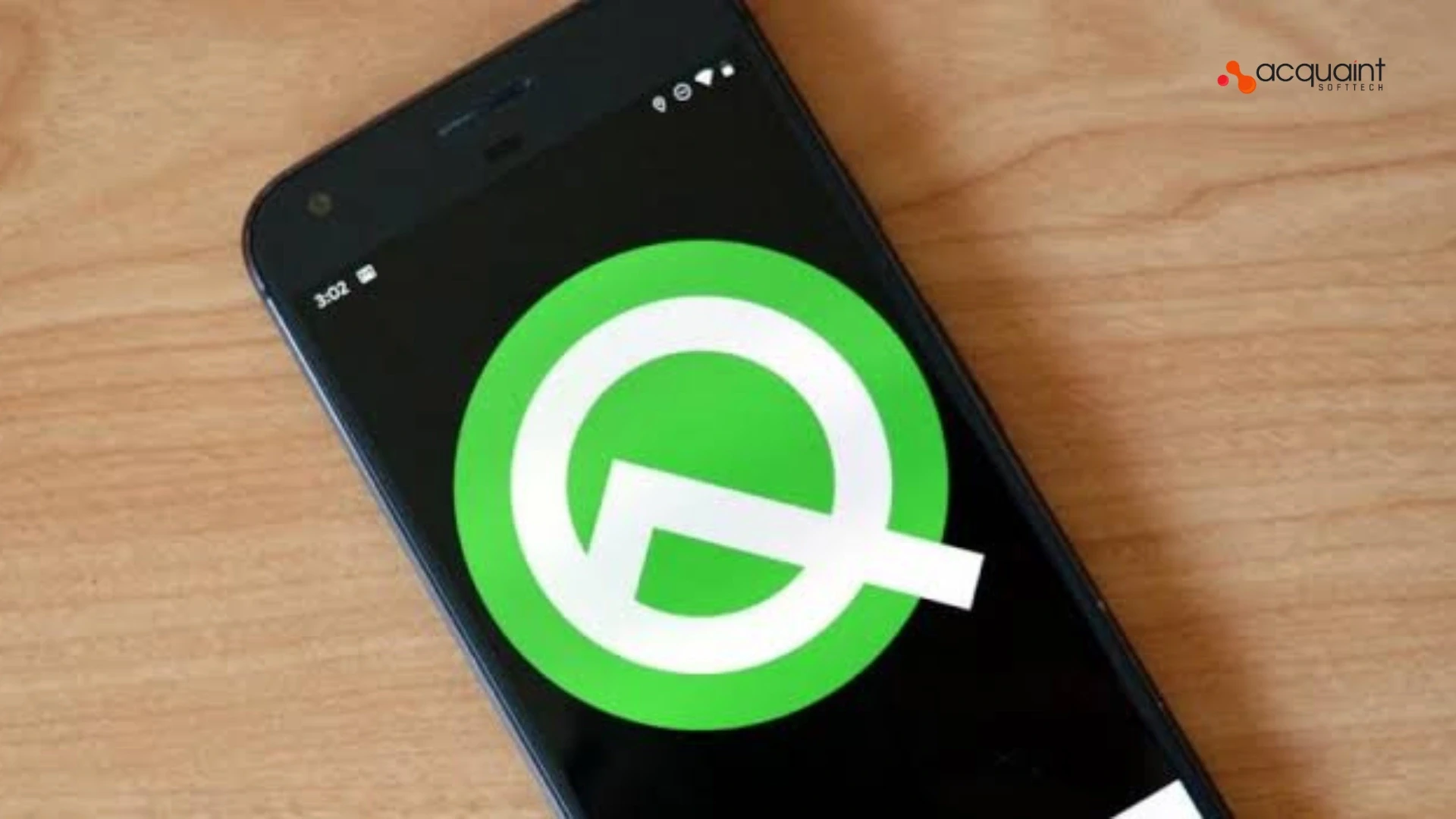
Android Q launched as Android 10 on 3 September 2019, and it was the first version to drop the dessert names. It shipped full gesture navigation, a system-wide dark theme, scoped storage, more granular location permissions, and built-in screen recording, most of the features rumoured at the time. Its importance now is that it set the direction Android has followed ever since, and those same rules, especially around storage and permissions, are what decide whether an app still works and stays on the Play Store today.
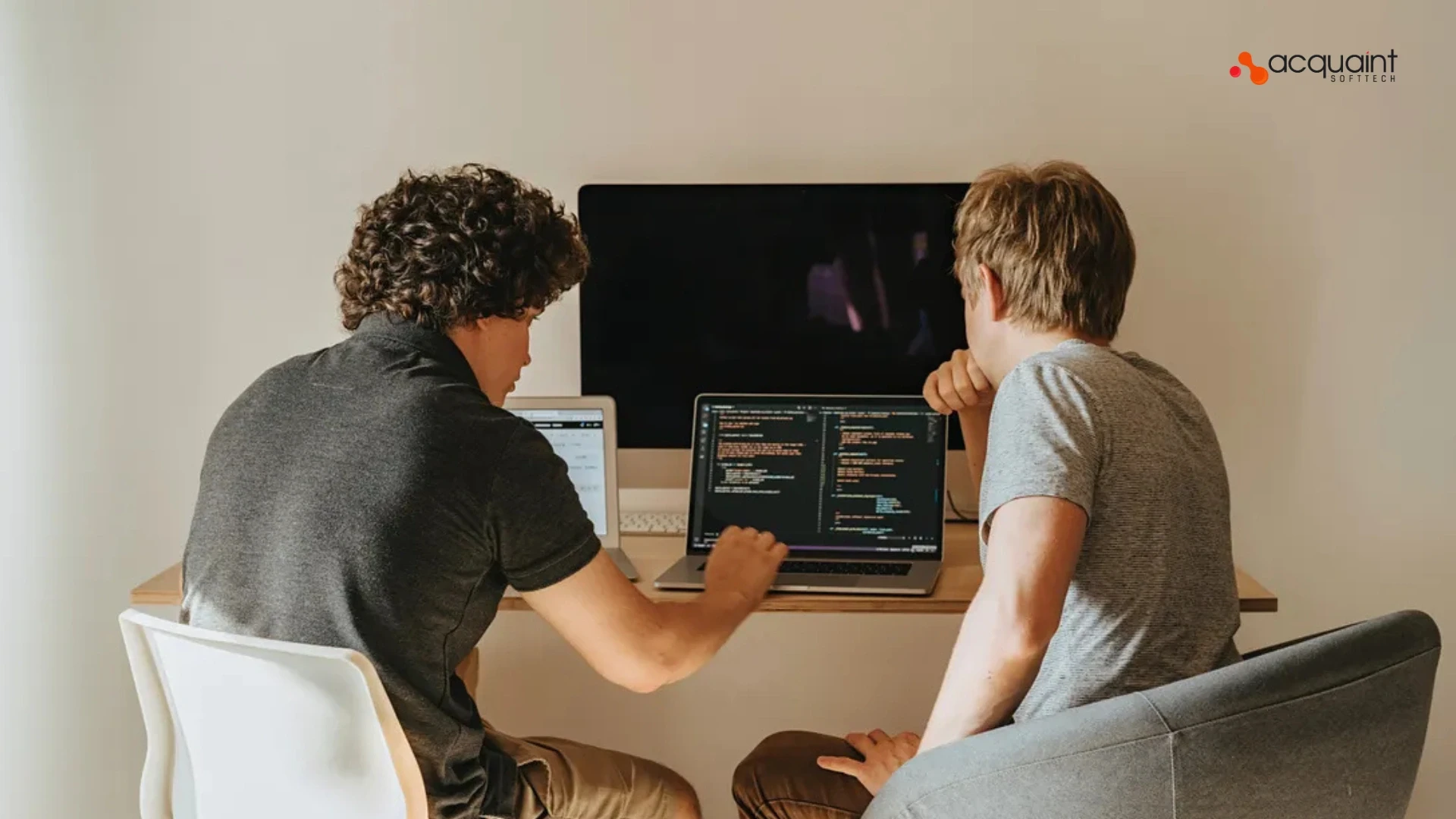
Pair programming is two developers working on one task together, one writing code as the driver and one reviewing and directing as the navigator. It produces fewer defects and faster knowledge transfer at the cost of two people's time, so it is worth it for complex, high-risk, or onboarding work and wasteful for routine tasks. Most pairing is now remote, using screen-sharing tools, and AI assistants act as a fast but unreliable navigator rather than a replacement for a human one.
The essential iOS tools in 2026 are Xcode, Swift Package Manager, SwiftUI, Swift Testing, Instruments, Xcode Cloud and TestFlight, with fastlane and Sentry filling the gaps. The urgent item is dependencies: the CocoaPods registry becomes permanently read-only on 2 December 2026, so any app still using pods needs a migration plan to Swift Package Manager. Xcode plugin managers such as Alcatraz stopped working years ago and were replaced by Xcode Extensions.
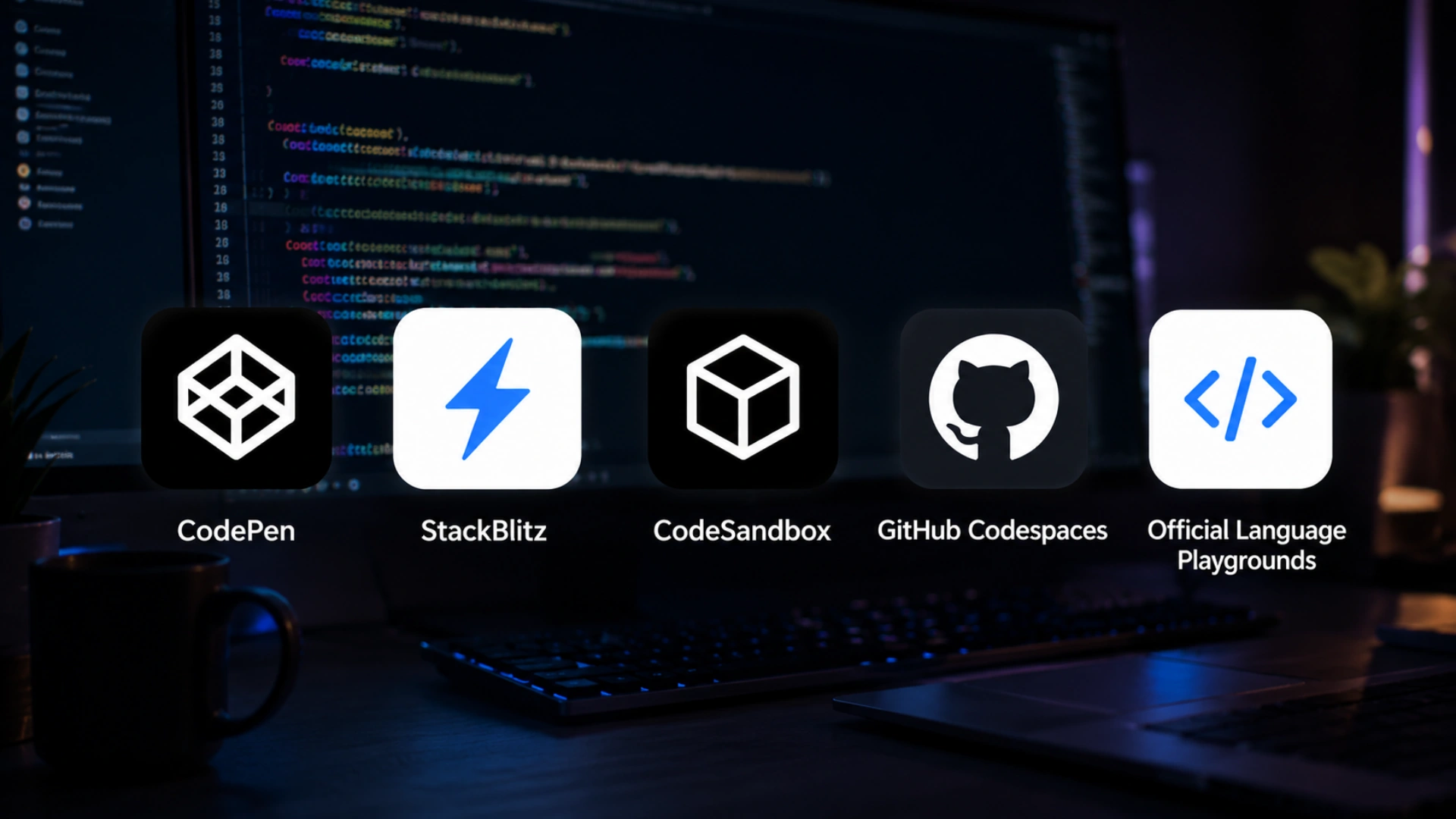
The five code playgrounds worth using in 2026 are CodePen for front-end demos, StackBlitz for running real npm projects in the browser, CodeSandbox for sharing full app prototypes, GitHub Codespaces for working on an actual repository, and the language-specific playgrounds such as TypeScript Play for testing syntax. CSSDeck and Dabblet from the original list are no longer maintained. Never paste client or production code into a public playground, because most default to public and you may be handing away confidential work.
Mastering Android development in 2026 means writing Kotlin, building interfaces in Jetpack Compose, and keeping your app inside Google Play's target API rules. From 31 August 2026, new apps and updates must target Android 16 (API level 36) and existing apps must target at least Android 15 (API level 35) to stay available on newer devices. Craft matters, but compliance decides whether anyone can install what you build.
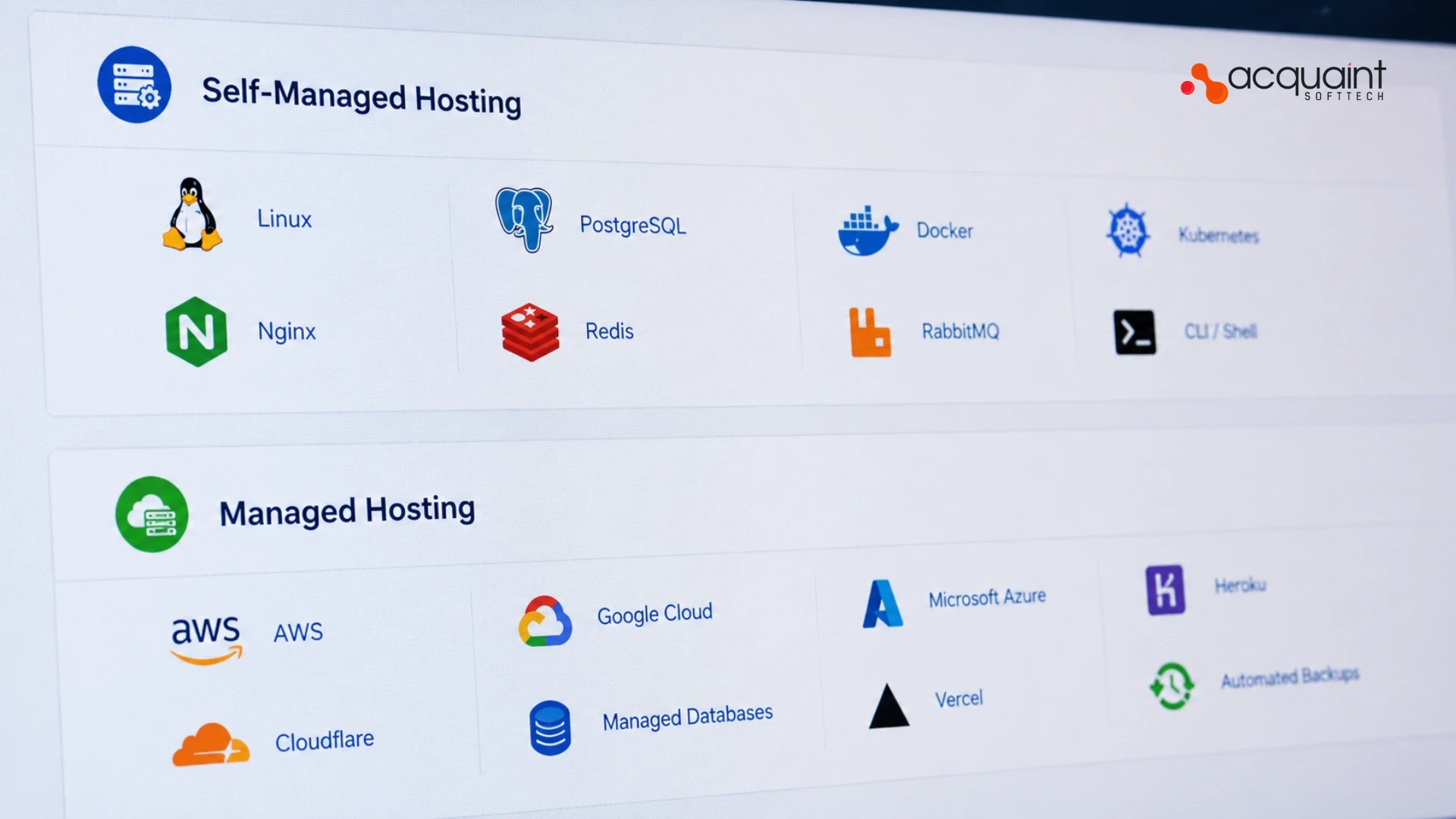
Choose managed hosting unless you employ someone whose job includes servers. Self-managed hosting is cheaper on the invoice and more expensive in engineering hours, because you inherit operating system patching, backups, certificate renewal, scaling and incident response. The real question is not price but responsibility: work out which failures become your problem at 2 am, then decide whether you have anyone to answer them.
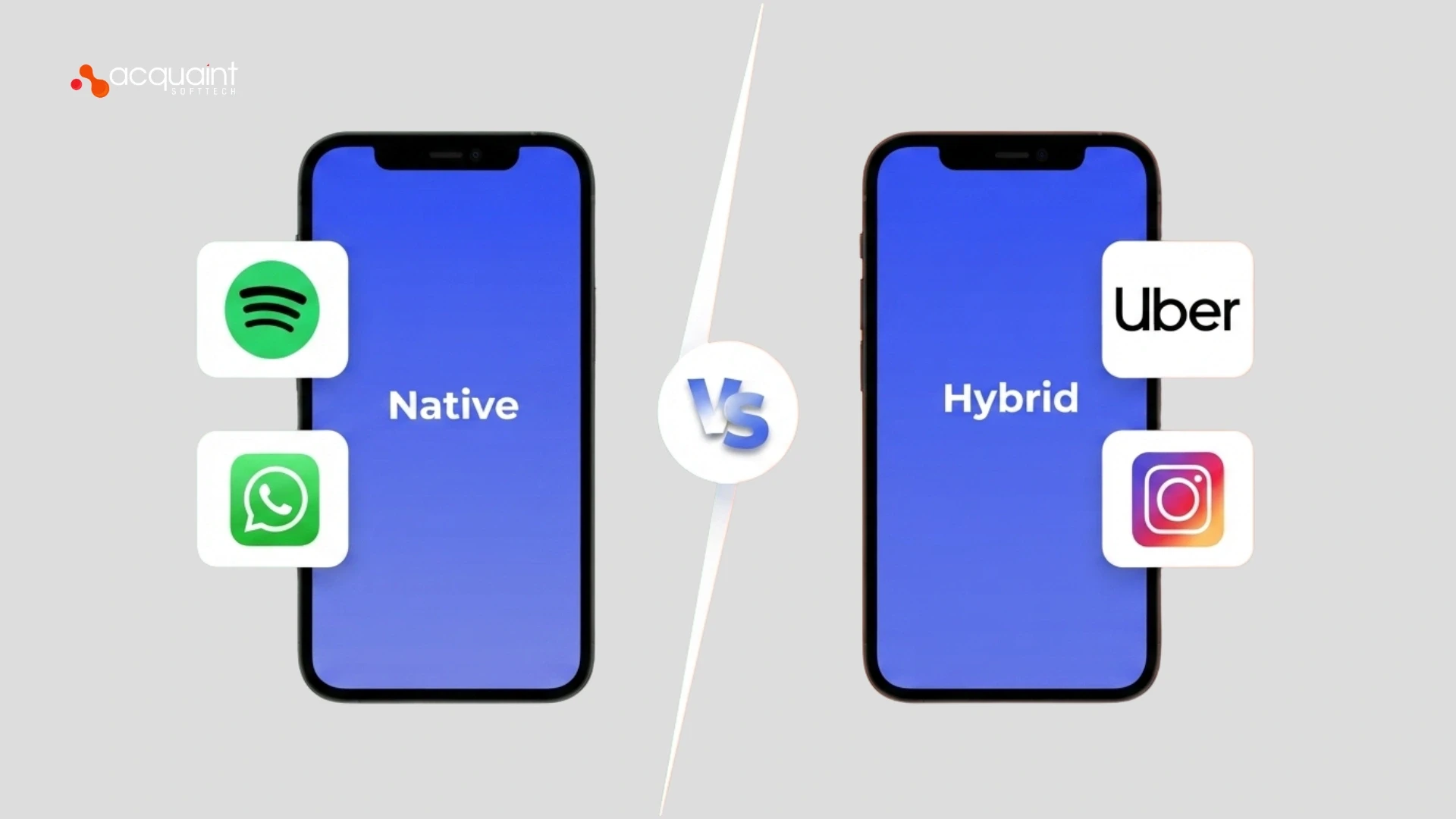
There is no single winner in 2026. Native wins for graphics-heavy, hardware-heavy and deeply platform-integrated apps. Modern cross-platform frameworks such as React Native, Flutter and Kotlin Multiplatform now match native closely enough for most business apps, at 30 to 40 percent lower build cost. The old WebView hybrid app, a website wrapped in a native shell, has effectively lost and should not be chosen for a new product.